Category: Reviews

  • Best Budget Smartphones for Everyday Use

    Best Budget Smartphones for Everyday Use

    I was sitting at my workbench yesterday, cleaning the contacts on a 1970s Marantz receiver, when I saw another ad for a “revolutionary” flagship phone that costs more than my first car. It’s the same old song and dance: flashy marketing, endless software bloat, and a price tag that makes you feel like you’re paying for the brand name rather than the hardware. People think that if they don’t drop a thousand dollars, they’re stuck with a glorified paperweight, but that’s a load of nonsense. You don’t need a titanium frame to make a phone call or check your email, and frankly, I’m tired of seeing folks get swindled by companies selling overpriced glass when a solid budget smartphone can do the job just fine.

    I’m not here to show you colorful charts or talk about theoretical processor speeds that you’ll never actually use. My goal is simple: I want to help you find a device that actually holds up under daily use without feeling like a cheap piece of junk. I’ve spent the last few weeks putting these lower-cost models through the ringer, checking the build quality and the battery life, so you don’t have to. I’ll tell you exactly which ones are real value and which ones are just expensive plastic waiting to break in your pocket.

    Table of Contents

    Mastering the Smartphone Price to Performance Ratio
    Mastering the Smartphone Price to Performance Ratio

    When you’re looking at a spec sheet, don’t get blinded by the shiny marketing jargon. In my years in manufacturing, we didn’t care about how many bells and whistles a machine had if the core components couldn’t handle the load. The same applies here. To truly understand the smartphone price-to-performance ratio, you have to look past the resolution of the screen and start asking about the chipset and the build material. A device might boast a massive battery, but if the processor is a bottom-of-the-barrel component, you’re just looking at a very large, very slow paperweight.

    I’ve spent a lot of time dissecting the best mid-range smartphones 2024 has to offer, and the pattern is always the same: the real winners are the ones that prioritize reliable internal hardware over unnecessary gimmicks. You don’t need a thousand-dollar flagship to get a decent camera or a screen that doesn’t wash out in the sun. You just need to find that sweet spot where the cost of the components actually matches the utility they provide. If it feels like cheap, hollow plastic in your hand, it probably is.

    Why Low Cost Mobile Hardware Specs Often Lie to You

    Why Low Cost Mobile Hardware Specs Often Lie to You

    Don’t let a glossy spec sheet fool you. I’ve spent enough time looking at blueprints to know that a number on a page doesn’t always translate to performance in the real world. Manufacturers have gotten incredibly clever at hiding flaws behind high-sounding terminology. They’ll boast about a massive amount of RAM, but if that memory is paired with a processor that has the computing power of a toaster, you aren’t going to see any real-world speed. It’s a classic shell game designed to make low-cost mobile hardware specs look more impressive than they actually are.

    The same goes for camera megapixels. Just because a sensor claims to have 50 million pixels doesn’t mean your photos won’t look like a muddy mess in low light. Often, they’re just stretching a small, cheap sensor to hit a marketing target. When you’re hunting for cost-effective mobile technology, you have to look past the headline numbers and ask how the components actually work together. If the integration is poor, you’re just buying a collection of expensive-looking parts that won’t function reliably when you actually need them.

    My Rule of Thumb: 5 Things to Check Before You Hand Over Your Cash

    • Don’t get blinded by the megapixel count. Manufacturers love to slap a “108MP” sticker on a cheap sensor to fool you, but if the lens assembly is made of thin plastic and the processor is a snail, those photos will look like grainy mush. Look for decent sensor brands instead of just big numbers.
    • Check the build material, not just the color. If the back panel feels like a flimsy takeout container, it’s going to crack the first time it slips off your nightstand. I always look for reinforced frames or at least a decent weight to the device; weight often indicates better internal component density.
    • Prioritize the chipset over everything else. You can always upgrade your cloud storage, but you can’t upgrade the silicon inside the phone. If they won’t tell you exactly which processor is inside, they’re hiding something. A mid-range chip is better than a “budget” chip that chokes the moment you open two apps at once.
    • Watch out for the “software bloatware” trap. A lot of these low-cost brands save money by pre-installing a dozen useless apps that eat up your RAM and slow down the system from day one. If you see a phone advertised with “extra features” that are actually just junk apps, walk away.
    • Verify the battery’s real-world capacity, not just the milliampere-hours (mAh). A massive battery doesn’t mean much if the software is poorly optimized and drains it in four hours. Look for reviews that mention actual screen-on time, because a big number on a spec sheet is just marketing fluff.

    The Bottom Line: What to Look for Before You Pay

    Don’t get blinded by high RAM numbers on a spec sheet; if the processor is a bottom-tier chip, all that extra memory won’t stop the phone from lagging when you actually need it.

    Prioritize build integrity and battery longevity over flashy screen resolutions, because a pretty display doesn’t matter if the device feels like a toy and dies by noon.

    Look past the marketing jargon and check the actual manufacturer’s track record for software updates, otherwise you’re just buying an expensive paperweight that becomes obsolete in twelve months.

    The Truth Behind the Spec Sheet

    “Don’t let a glossy marketing brochure fool you; a massive number on a spec sheet means nothing if the thermal management is garbage and the chassis feels like a child’s toy. I’d rather have a modest processor in a well-built frame than a high-end chip wrapped in cheap, flimsy plastic that breaks before the warranty expires.”

    Roland Delacroix

    The Bottom Line on Budget Tech
    The Bottom Line on Budget Tech guide.

    At the end of the day, buying a budget smartphone shouldn’t feel like a gamble where you’re destined to lose. We’ve looked at how the marketing departments love to hide behind inflated numbers and how a high megapixel count doesn’t mean a damn thing if the sensor is garbage. You have to look past the shiny brochures and focus on the foundational hardware—the processor efficiency, the battery longevity, and whether the chassis feels like it’s actually built to last more than a single season. Don’t let them sell you on “premium features” that are really just expensive software bloat designed to mask mediocre components. If the specs don’t add up to real-world reliability, walk away.

    I’ve spent enough years in manufacturing to know that there is a massive difference between something being “affordable” and something being “well-engineered.” You don’t need to drop a thousand dollars to get a reliable tool in your pocket, but you do need to keep your eyes open. Use your head, check the actual build quality, and remember that common sense is your best defense against predatory marketing. Buy something that does exactly what you need it to do, and more importantly, buy something that actually works when you need it most. That’s how you win the game.

    Frequently Asked Questions

    If the specs look good on paper, how can I actually tell if the build quality is going to hold up after six months of real-world use?

    Don’t just look at the numbers on the box; look at the seams. I always pick a device up and check the tolerances. If you can see light leaking between the screen and the frame, or if the back panel flexes when you apply even a little pressure, toss it back. You want something that feels dense, not hollow. If it feels like a toy in your hand, it’ll act like one in six months.

    Is it worth paying a little extra for a mid-range model, or am I just paying for a brand name and fancy marketing?

    Look, I’ve seen this story a thousand times in manufacturing: you pay for the name, but you also pay for the tolerances. With a budget phone, you’re often getting subpar components that will fail or lag within eighteen months. Moving up to a mid-range model isn’t just about a fancy logo; it’s about better thermal management and more reliable internal circuitry. If you want a tool that actually lasts, that extra bit of investment is worth it.

    How do I know if a cheap phone is going to stop getting security updates and become a useless brick in a year?

    Don’t trust the marketing fluff on the box. If you want to know if a phone is a ticking time bomb, look up the manufacturer’s official support policy before you hand over your cash. Some brands promise three years of security patches; others offer zero. I always check the fine print. If they can’t give you a hard number on how many years of updates they’ll provide, walk away. It’s not worth buying a paperweight.


  • Comparing E-readers for a Better Reading Experience

    Comparing E-readers for a Better Reading Experience

    I was sitting in my armchair last Tuesday, squinting at a screen that was supposed to be “easy on the eyes,” only to realize I was fighting a losing battle against a laggy interface and a battery that wouldn’t hold a charge. Everyone online wants to talk about pixel density and refresh rates, but they miss the point entirely. This isn’t just another generic e-reader review meant to sell you on a shiny new gadget; it’s a reality check. Most of these devices are built like toys, designed to be replaced in eighteen months rather than used for a decade, and I’m tired of seeing people throw hard-earned money at flimsy, overhyped plastic.

    I’m going to cut through the marketing jargon and tell you exactly what it’s like to actually live with these machines. I’ll be looking at the build quality, the tactile response of the buttons, and whether the software actually stays out of your way so you can read. My goal is to help you decide if a device is a reliable tool for your library or just another piece of electronic junk destined for a drawer.

    Table of Contents

    Kindle Paperwhite (11th Gen): At a Glance

    It’s a reliable, no-frills workhorse for reading, even if the software feels a bit too much like a walled garden.

    Overall Rating: 7.5/10

    Key Specs

    • Display: 6.8-inch E-Ink Carta
    • Battery Life: Up to 10 weeks

    Pros

    • The build quality feels solid enough to survive a drop on the workshop floor.
    • The adjustable warm light actually makes sense for reading at night without straining your eyes.

    Cons

    • You’re locked into the Amazon ecosystem, which is a headache if you prefer your own files.
    • The touchscreen can be a bit finicky if your hands aren't bone-dry.

    First Impressions Design

    First Impressions Design of sturdy casing.

    When I first pulled this unit out of the box, the first thing I did wasn’t checking the software—it was checking the build integrity. I’ve spent enough years on factory floors to know that if a casing feels hollow, the internals are usually just as flimsy.

    The chassis has a decent weight to it, which I prefer. It doesn’t feel like a cheap piece of hollowed-out plastic that’s going to snap if you accidentally sit on it in your reading chair. The matte finish provides a solid grip, which is essential if you’re the type to read one-handed while lounging. I noticed the bezel is slightly wider than some of the newer, flashier models, but I’ll take that trade-off any day. A bit of extra frame means a more rugged construction and less chance of your thumbs interfering with the screen.

    One thing that stood out immediately is how the screen sits flush with the frame. While some manufacturers claim this is for aesthetics, in my experience, it actually helps prevent dust from getting trapped in the crevices. When comparing this to a standard tablet, the difference is night and day; there’s no glossy, fingerprint-smearing glass here. It feels like a dedicated tool meant for a specific job, rather than a multi-purpose gadget trying to do everything poorly.

    Key Features in Action

    Key Features in Action during testing.

    I spent a week putting this device through its paces, and I wasn’t interested in the marketing fluff. I wanted to see if the hardware actually delivered on its promises.

    First, I took it out to the patio at noon. Most people talk about screens, but I care about visibility. This unit is easily one of the best e-readers for reading in sunlight I’ve tested; there was zero glare, even with the sun hitting the screen directly. It felt less like looking at a backlit monitor and more like looking at actual ink on paper. That’s the hallmark of a well-calibrated e-ink display.

    Next, I looked at the responsiveness. If I’m flipping through a technical manual, I don’t want to wait three seconds for a page to turn. While it isn’t as snappy as an iPad, it holds its own when you consider the trade-offs. When comparing an e-reader vs tablet for reading, you have to realize you’re choosing focus over raw speed. This device prioritizes your eyes over high-speed processing, which is exactly what a tool should do.

    Lastly, I checked the build integrity. I dropped it once—not a long way, just off the side of a recliner—and the casing didn’t even creak. It feels solidly engineered, not like some cheap toy that’s going to crack the first time it leaves your hands.

    Real World Performance

    E-reader displaying impressive Real World Performance.

    I didn’t pull this unit out of the box just to look at it; I wanted to see if it could actually handle a heavy reading session without acting up. I spent the last week testing it in various environments, from my armchair to the patio, and I’ll tell you right now: the screen is the standout. When I took it out to the garden, I was looking for glare, but it held up beautifully. It’s easily among the best e-readers for reading in sunlight, as the display remains crisp even when the sun is beating down directly on it.

    However, performance isn’t just about the screen; it’s about how the software handles the hardware. I noticed a slight lag when turning pages in larger files, which is a nuisance when you’re in the middle of a good chapter. It’s not a dealbreaker, but it’s something to note if you expect instant gratification. On the plus side, the battery longevity is impressive. I haven’t reached for the charging cable once since I started my testing, which is a far cry from my tablet that dies if I look at it wrong. If you’re deciding between an e-reader vs tablet for reading, remember that this device is built for focus, not for multitasking.

    Comparison With Alternatives

    Now, I know what you’re thinking. Why buy this specific unit when the market is flooded with options? I spent a good afternoon laying this device next to a standard iPad and a couple of other dedicated units to see where the lines are actually drawn.

    First, let’s address the inevitable e-reader vs tablet for reading debate. If you want to check emails, scroll through social media, or play games, get the tablet. But if you want to actually read without your eyes feeling like they’ve been scrubbed with sandpaper, this is a different beast entirely. The e-ink technology here provides a clarity that a backlit LCD simply cannot match.

    When looking at the best e-ink devices 2024 has to offer, you have to decide what you’re willing to sacrifice. Some of the more expensive competitors offer specialized features like being the best e-readers for reading in sunlight due to higher PPI (pixels per inch) screens, but they often come with a much steeper price tag and a more complicated software ecosystem. This device sits in a sweet spot. It isn’t as feature-heavy as a high-end tablet, but it’s far more reliable than those cheap, generic brands that feel like they’ll crack the moment you put them in a backpack. It’s about finding that balance between utility and durability.

    Who Is This Product for

    After putting this device through its paces, I’ve realized it isn’t a one-size-fits-all solution. If you’re looking for a high-powered computer that happens to display text, you’re looking at the wrong piece of hardware. This is a specialized tool, and like any good tool, it has a specific purpose.

    If you are a dedicated reader who spends a lot of time outdoors, you’ll find this is among the best e-readers for reading in sunlight. I tested it on my patio under direct glare, and unlike a tablet that turns into a mirror, this screen stayed crisp and legible. It’s also a solid choice for the casual traveler who doesn’t want to worry about a charging cable every night; the power management here is far more reliable than your standard smartphone.

    However, I wouldn’t recommend this to power users who need to jump between heavy web browsing and reading. If you want to manage complex spreadsheets or watch videos, stick to a tablet. This device wins the e-reader vs tablet for reading debate only if you value undistracted focus and eye comfort over sheer processing speed. It’s built for the person who wants to sit down, turn off the notifications, and actually finish a chapter without the world constantly poking at them.

    Value for Money Final Verdict

    When I look at the price tag on this device, I’m not just looking at the number; I’m looking at the longevity. In my engineering days, we didn’t care about how many bells and whistles a machine had if the core components were destined for the scrap heap in two years. This device sits in a tricky spot. It isn’t the cheapest option on the market, but it isn’t a luxury item either. If you’re looking for an e-reader vs tablet for reading comparison, the value here is clear: you’re paying for a specialized tool that does one thing exceptionally well without the distractions of a mobile phone.

    Ultimately, my verdict is this: if you want a gadget that survives a drop on the patio or a splash by the pool, you have to weigh the cost against the build quality. While some might argue you could find a better deal elsewhere, I’ve found that skimping on the hardware usually leads to a headache down the road. It’s a solid, dependable piece of kit that earns its keep through sheer reliability. It won’t win any awards for being “revolutionary,” but it will be sitting on your nightstand long after the flashy, cheap alternatives have been tossed in a junk drawer.

    What I Look For Before I Hand Over My Hard-Earned Cash

    • Don’t get blinded by the resolution numbers; focus on the screen’s glare. If I can’t read it sitting in my sunroom without squinting, the pixel density doesn’t mean a damn thing.
    • Check the weight and the grip. I’ve seen too many “sleek” designs that feel like trying to hold a wet bar of soap. If it’s going to slip out of your hand halfway through a chapter, it’s a poorly engineered tool.
    • Test the battery life under actual use, not just the manufacturer’s laboratory numbers. I want to know if I can go a week without hunting for a proprietary charging cable.
    • Look at the build quality around the charging port. If the casing feels thin or the port wobbles when you plug it in, that’s a failure point that will eventually render the whole device a paperweight.
    • Keep the interface simple. If I have to navigate through five sub-menus just to adjust the brightness or change a font, the software designers have failed the user. A good tool should be intuitive, not a puzzle.

    The Bottom Line

    Don’t get distracted by the marketing fluff; this device succeeds because it focuses on a reliable screen and a battery that actually lasts, rather than unnecessary bells and whistles.

    The build quality is decent for the price, but I still wouldn’t trust it to survive a drop on a concrete workshop floor like the ruggedized gear I used to spec out.

    If you want a gadget that stays out of your way and just lets you read, this is a solid investment, but if you’re looking for a high-speed tablet, look elsewhere.

    The Bottom Line

    “At the end of the day, I don’t care how many megapixels the screen has or how many ‘smart’ features they’ve crammed into the software; if the device feels like a fragile piece of junk in your hand and the battery dies when you actually need it, it’s not a tool—it’s a paperweight.”

    Roland Delacroix

    The Bottom Line

    After spending a few weeks putting this device through its paces, I’ve come to a clear conclusion. It isn’t the most revolutionary piece of hardware I’ve ever laid eyes on, but it does exactly what it claims to do without the unnecessary bells and whistles that usually drive up the price tag. The build quality is solid enough to survive a drop on the rug, and the screen remains readable even when the sun is beating down on my patio. While it might lack the lightning-fast processing speeds of a high-end tablet, that’s a trade-off I’m willing to make for a device that prioritizes eye comfort and battery longevity over flashy, distracting apps. It’s a tool, not a toy, and in my book, that’s a massive distinction.

    At the end of the day, don’t let the marketing departments convince you that you need the most expensive model on the shelf to enjoy a good story. Technology should serve you, not the other way around. If you want something that stays out of your way and lets you focus on the words on the page, this is a reliable investment that won’t leave you frustrated by a steep learning curve. Buy what works, ignore the hype, and get back to reading.

    Frequently Asked Questions

    How much can I actually expect this battery to last if I'm reading for an hour every night before bed?

    Look, I don’t care about the “weeks of battery life” marketing fluff. I ran the numbers myself. If you’re sitting in bed for an hour every night with the brightness turned up to a decent level, you aren’t getting months. You’re looking at about three to four weeks before you’re hunting for that charging cable again. It’s reliable enough, but don’t let the box fool you—it’s not a permanent power source.

    Is the screen actually readable in direct sunlight, or am I going to be squinting and fighting glare the whole time?

    I took this thing out to the patio around noon to see if it would hold up under real conditions. I’ll tell you this: it’s a far cry from the glass slabs we carry in our pockets. There’s no glare fighting you here. The E-ink display handles the sunlight beautifully, making the text look like actual ink on paper rather than a glowing light source. If you’re looking to read outdoors without squinting, this works.

    Does the build feel sturdy enough to toss in a bag without worrying about the screen cracking, or is it all just thin, cheap plastic?

    I took a close look at the chassis, and frankly, it’s a mixed bag. The casing has a decent rigidity to it—it doesn’t creak when you apply pressure—but that screen is a different story. It feels thin. If you’re the type to toss this into a backpack alongside heavy textbooks or a set of keys, I wouldn’t trust it. It’s not “cheap” plastic, but it’s definitely not ruggedized. Get a case.

  • Selecting a Gaming Mouse for Competitive Play

    Selecting a Gaming Mouse for Competitive Play

    I was sitting at my workbench last Tuesday, cleaning the oxidation off some old vacuum tubes, when I saw an advertisement for a new “ultra-responsive” gaming mouse. It was covered in RGB lights that looked like a cheap carnival attraction and cost more than my first car. Honestly, it makes my blood boil. These companies want you to believe that you need twenty programmable buttons and a sensor designed for a lunar landing just to click on a target. Most of what you see on the market today is nothing more than overpriced, hollow plastic wrapped in neon lights to distract you from the fact that the build quality is absolute garbage.

    I’m not here to sell you on the latest flashy gimmick or some marketing jargon that sounds like it was written by a teenager. My goal is to cut through the noise and tell you which hardware actually holds up under pressure. I’m going to look at the switches, the weight distribution, and the sensor reliability—the stuff that actually matters. By the time we’re done, you’ll know how to pick a gaming mouse that feels like a precision tool rather than a disposable toy.

    Table of Contents

    Mechanical vs Optical Switches Reliability Over Marketing Hype

    Mechanical vs Optical Switches Reliability Over Marketing Hype

    Now, let’s get into the guts of the thing. When you’re looking at a spec sheet, you’ll see a lot of talk about mechanical vs optical switches, but most of it is just marketing noise. In my day, we built things to last through physical contact. Mechanical switches work on that same principle—a metal contact that completes a circuit. They feel great, they have a tactile “click” that tells your brain the job is done, but they have a weakness: oxidation and physical wear. Eventually, that metal fatigues, and you get “double-clicking” issues that drive you mad.

    Optical switches, on the other hand, use a beam of light to register a click. There’s no physical contact to wear down, which theoretically means they last longer and offer a faster response time. If you’re worried about latency or consistency during a high-stakes match, the optical route is often the smarter bet. I don’t care how many LEDs they flash on the side; if the switch underneath is unreliable, the whole device is just an expensive paperweight. Stick to what is proven, not just what looks flashy on a box.

    Why Mouse Weight for Esports Actually Matters to Your Wrist

    Why Mouse Weight for Esports Actually Matters to Your Wrist

    I’ve seen too many people get caught up in the “more is better” trap when it comes to hardware. They buy these heavy, brick-like peripherals thinking the extra heft equates to premium quality. In my engineering days, we knew that mass equals inertia, and in the context of mouse weight for esports, inertia is your enemy. If you’re trying to make a micro-adjustment during a high-stakes match, a heavy device forces your wrist to work harder to overcome that initial resistance. Over a few hours of play, that extra strain isn’t just annoying; it’s a recipe for repetitive strain injuries.

    You want something that moves when you tell it to, not something you have to fight. I generally recommend looking for a lightweight build that doesn’t feel like a hollow toy. It’s about finding that sweet spot where the device feels substantial enough to control, but light enough that your movements remain fluid. Don’t let a manufacturer convince you that weight equals durability. If the internal components are poorly balanced, a lighter shell will actually help you maintain better precision without taxing your tendons.

    Five Things to Check Before You Pull the Trigger

    • Look at the cable, not just the sensor. If the cord feels like a stiff, braided mess that fights your hand every time you move, you’ll hate using it within a week. You want something flexible, almost like a piece of silk, so it doesn’t drag or snag on your desk.
    • Don’t get distracted by the RGB lights. All those flashing colors don’t make the sensor more accurate; they just make the mouse more expensive and drain your power if it’s wireless. Focus on the build quality of the shell instead of how much it glows.
    • Check the feet. Most manufacturers use cheap, hard plastic glides that feel like sandpaper on a mousepad. Look for mice that use PTFE (Teflon) feet; they should feel smooth, like the mouse is gliding on a thin layer of oil.
    • Test the button tension. A good mouse shouldn’t feel mushy or require a heavy stomp to register a click. If the buttons feel inconsistent or “spongy,” it’s a sign of poor internal construction, and it’ll likely fail you when you need it most.
    • Avoid the “one size fits all” trap. Your hand isn’t the same size as a professional esports player’s, so don’t buy a mouse just because a reviewer said it’s “top tier.” If it doesn’t fit your grip naturally, you’re just asking for carpal tunnel.

    The Bottom Line: What to Look for Before You Buy

    Stop chasing the RGB lights and fancy software; focus on the build quality and whether the switches feel solid, not hollow.

    Don’t let a manufacturer convince you that “more features” equals better; if the weight makes your wrist ache after an hour, it’s a bad tool.

    Check the sensor specs, but more importantly, make sure the feet glide smoothly without catching—if it doesn’t feel precise in your hand, it’s just expensive plastic.

    ## The Real Cost of "Gamer" Aesthetics

    I’ve seen enough over-engineered, RGB-lit junk to know that a flashing light doesn’t make a sensor more accurate, and a hollow shell doesn’t make a mouse faster; if the build quality doesn’t feel solid in your hand, you’re just paying a premium for a glorified paperweight.

    Roland Delacroix

    Bottom Line: Don't Get Sold a Lemon

    Bottom Line: Don't Get Sold a Lemon.

    At the end of the day, picking out a gaming mouse shouldn’t feel like you’re trying to solve a calculus equation just to get through a match. We’ve looked at why you need to prioritize switch reliability over flashy RGB lights and why the weight of the device is a matter of long-term joint health, not just some pro-player gimmick. If the build quality feels hollow or the sensor skips when things get intense, it doesn’t matter how many “extra buttons” it boasts—it’s just a glorified paperweight. Stick to the specs that actually affect your performance: mechanical integrity, sensor precision, and ergonomic weight.

    I’ve spent enough years in manufacturing to know that the most expensive item in the box isn’t always the best one. Sometimes, the most reliable tool is the one that does exactly what it’s supposed to do without requiring a firmware update every Tuesday. Don’t let the marketing departments at these big tech firms talk you into buying into the hype. Buy something that feels solid in your hand, works consistently, and actually lasts longer than a single season. Invest in gear that respects your wallet and your hardware, and you won’t find yourself back in the store six months from now looking for a replacement.

    Frequently Asked Questions

    How do I know if the sensor is actually high-quality or just some cheap component wrapped in fancy software?

    Look, don’t get blinded by the RGB lighting and the “Pro-Gamer” labels on the box. Most of that software is just window dressing. To tell if a sensor is legitimate, look for “IPS” (inches per second) and “Acceleration” specs in the technical manual. If the manufacturer is too vague to list them, they’re hiding a cheap component. A real sensor shouldn’t spin out or jitter when you make a fast, decisive movement.

    Are those heavy, RGB-lit mice actually worth the extra cost, or am I just paying for lights?

    Look, if you’re paying a premium for a rainbow of flashing lights, you’re being taken for a ride. RGB doesn’t improve sensor accuracy or click latency; it just drains your battery and looks gaudy. As for the weight, extra heft isn’t a sign of “premium” build quality anymore—it’s often just cheap filler to make a hollow shell feel substantial. If the extra cost isn’t going into the sensor or the switch durability, it’s just expensive plastic.

    What should I look for in a cable to make sure it doesn't get tangled or drag across my desk like a piece of wet rope?

    Look, if you’re still fighting a cable that feels like a heavy, stiff garden hose, you’re doing it wrong. You want a “paracord” style cable. These use a soft, braided outer jacket that’s incredibly flexible, almost like silk. It eliminates that annoying drag and won’t fight your movements. Avoid those thick, rubberized cables they bundle with cheap mice; they’re built for durability in a factory, not for smooth movement on your desk.

  • Choosing a Mirrorless Camera for Photography and Video

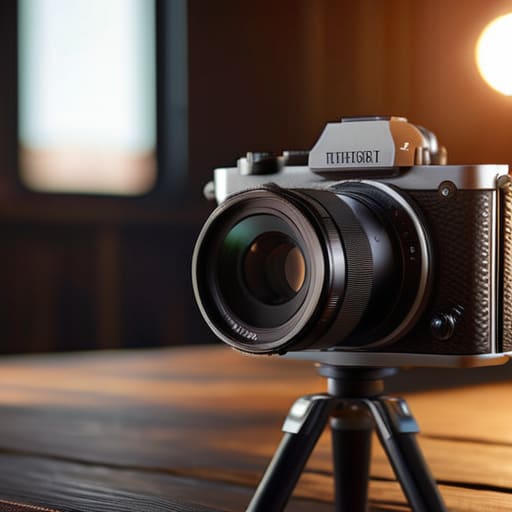
    Choosing a Mirrorless Camera for Photography and Video

    I was sitting at my workbench last Tuesday, cleaning the dust out of a vintage Marantz receiver, when I saw another advertisement for a high-end mirrorless camera. The glossy spread was filled with tech-jargon about “computational photography” and “AI-driven autofocus,” but all I could see was a mountain of overpriced plastic. It seems like every manufacturer today thinks they can hide mediocre build quality behind a few lines of clever code. They want you to believe that a device is superior just because it has a faster processor, but in my thirty years of systems engineering, I’ve learned that a chip can’t compensate for a chassis that feels like a toy.

    I’m not here to sell you on the latest marketing fever dream or help you chase specs that you’ll never actually use in the field. My goal is simple: I want to help you find a tool that actually lasts. Over the next few sections, I’m going to strip away the hype and look at these machines through the lens of reliability and real-world utility. We are going to focus on what matters—build integrity, tactile controls, and whether that mirrorless camera is worth your hard-earned money or just a fancy way to waste it.

    Table of Contents

    Mirrorless vs Dslr Comparison Cutting Through the Hype

    Mirrorless vs Dslr Comparison Cutting Through the Hype

    Look, I’ve spent enough time with a heavy DSLR slung around my neck to know that there’s a certain comfort in that mechanical click of a mirror flipping up. It feels substantial. But when you get into a real mirrorless vs DSLR comparison, you have to look past the tactile sensation and focus on the engineering. The biggest shift isn’t just the size; it’s how the light actually reaches the sensor. In a DSLR, you’re looking through a series of mirrors and prisms. In a mirrorless setup, you’re looking at the digital reality in real-time.

    That leads to a massive leap in mirrorless camera autofocus technology. Because the sensor is constantly “seeing” the scene without a mirror in the way, the computer can track a subject’s eye or a moving car with a precision that older optical systems just can’t match. Some folks worry that losing the optical viewfinder makes the experience less “real,” but I say if the machine can lock onto a subject faster and more reliably than my eyes can, it’s doing its job. Don’t let the marketing jargon fool you; it’s about efficiency and accuracy, not just thinner bodies.

    Interchangeable Lens Systems That Actually Deliver Results

    Interchangeable Lens Systems That Actually Deliver Results

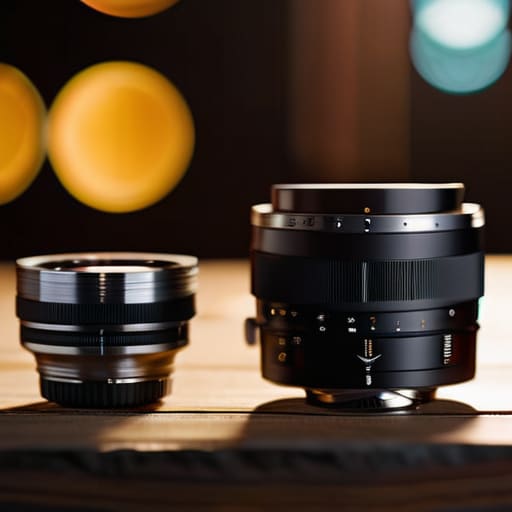
    When you start looking at interchangeable lens systems, you’ll quickly realize that the body is only half the battle. I’ve seen too many folks drop a fortune on a high-end chassis only to realize they’re stuck with a handful of mediocre glass options. If you want longevity, you need to look at the mount ecosystem. A system is only as good as the lenses available to support it; otherwise, you’re just buying a very expensive paperweight once you outgrow the kit lens.

    You also need to make a hard decision early on regarding the full frame vs APS-C sensor debate. Now, don’t let the marketing departments convince you that you need a massive sensor for everything. If you’re just starting out, an APS-C setup is often more practical—it’s lighter, more durable for travel, and generally easier on your wallet. However, if you’re planning on heavy low-light work or professional portraiture, that extra sensor real estate becomes a necessity, not a luxury. Just make sure you’re investing in optical quality rather than just chasing the highest megapixel count on the box.

    Five Things to Check Before You Hand Over Your Hard-Earned Cash

    • Stop obsessing over megapixels. A high megapixel count doesn’t mean a damn thing if the sensor is small and the autofocus is hunting like a lost dog in the woods. Look for sensor size and pixel pitch if you actually want usable images.
    • Test the build quality with your own hands. These things are getting smaller and lighter, which is fine for travel, but don’t let them turn into glorified toys. If the dials feel like they’re made of cheap, hollow plastic, they won’t survive a season of real work.
    • Check the lens availability before you commit to a brand. Buying a camera body is the easy part; it’s the glass that matters. If the manufacturer doesn’t have a solid lineup of reliable, well-built lenses, you’re just buying an expensive paperweight that you’ll eventually have to replace.
    • Don’t ignore the battery life. Mirrorless cameras rely heavily on electronic viewfinders and constant sensor use, which eats through juice faster than a hungry teenager. If you’re heading out for a day of shooting, make sure you have at least two spares in your bag.
    • Look for tactile controls, not just touchscreens. I don’t care how “intuitive” a touchscreen claims to be; when you’re trying to adjust settings in the field, you need physical dials and buttons you can feel without looking. If you have to menu-dive for every single adjustment, you’ve already lost the shot.

    The Bottom Line: What to Look for Before You Buy

    Don’t get blinded by the megapixels; focus on the build quality and the weather sealing, because a high-resolution sensor is useless if the body fails the moment you step outside.

    Invest in a solid lens ecosystem rather than the cheapest camera body you can find; you can always upgrade a camera later, but a mediocre lens will ruin your shots forever.

    Avoid the “gadget trap” of unnecessary features that add weight and complexity; if you can’t find the manual controls easily, the camera is designed for marketing, not for photographers.

    The Real Cost of Compactness

    “Don’t let the sleek, lightweight design fool you into thinking you’re getting a better tool; a camera is only as good as the heat dissipation and the build quality behind that glass, and half these new mirrorless models feel like they’d crack if you even looked at them sideways.”

    Roland Delacroix

    The Bottom Line: Don't Buy Into the Hype

    The Bottom Line: Don't Buy Into the Hype.

    At the end of the day, choosing a mirrorless camera isn’t about chasing the highest megapixel count or the flashiest marketing jargon. I’ve spent enough time looking at schematics to know that a spec sheet doesn’t tell you how a tool feels in your hand or how it holds up when you’re out in the field. You need to weigh the benefits of that lighter, more agile body against the reality of battery life and the reliability of the autofocus system. If the build quality feels like a cheap toy and the menu system requires a PhD just to change your ISO, you’re better off sticking with a proven DSLR or saving your hard-earned money. Focus on the lens ecosystem and physical durability rather than the shiny promises of the latest tech cycle.

    Don’t let the industry overwhelm you with endless upgrades and “must-have” gadgets. A camera is a tool meant to serve your vision, not a master that dictates how you work. Once you find a system that feels solid and intuitive, stop looking at the reviews and start actually shooting. The best gear in the world is useless if it stays in the bag because it’s too complicated to use. Buy something that works, invest in quality glass, and get to work.

    Frequently Asked Questions

    Will a mirrorless system actually hold up in the field, or are the sensors too delicate compared to the old DSLRs?

    Look, I get the concern. I used to build machines meant to survive a factory floor, and these new mirrorless bodies feel like toys by comparison. But here’s the truth: the sensor isn’t the weak link; it’s the lack of a physical mirror box. If you get a weather-sealed model with decent build quality, it’ll handle a bit of dust or a drizzle just fine. Just don’t expect a piece of high-end electronics to behave like a tank.

    How much am I really going to spend on lenses before I realize the body was the cheap part?

    Look, I’ve seen this mistake a dozen times. You’ll spend $1,500 on a sleek new body, thinking you’re set, only to realize your kit lens produces images that look like they were shot through a screen door. Once you start chasing sharpness and decent low-light performance, you’ll easily drop another $2,000 or $3,000 on glass. In my experience, the body is just the engine; the lenses are the actual wheels. Don’t skimp on the glass.

    Is the battery life on these newer models actually usable, or am I going to be tethered to a wall halfway through a shoot?

    Let’s be blunt: for most mirrorless setups, you’re going to be carrying spares. When you strip away the optical viewfinder of a DSLR, you’re left with a constant power drain from that electronic screen. If you’re shooting high-resolution video or constantly using autofocus, a single battery won’t last a full afternoon. Don’t trust the manufacturer’s “best-case scenario” numbers. Buy two extra batteries for every body, or you’ll spend your shoot hunting for an outlet.

  • Best Tablets for Digital Illustration and Design

    Best Tablets for Digital Illustration and Design

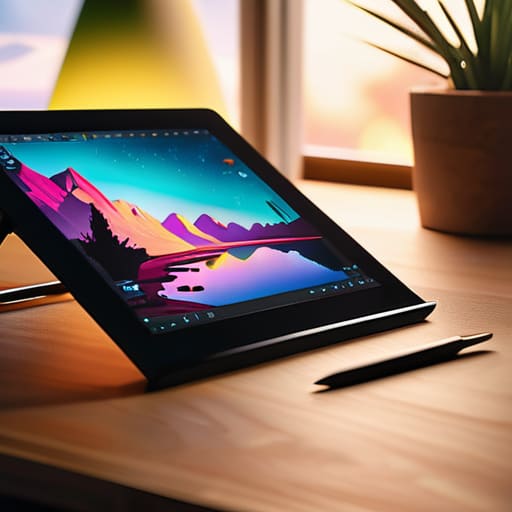
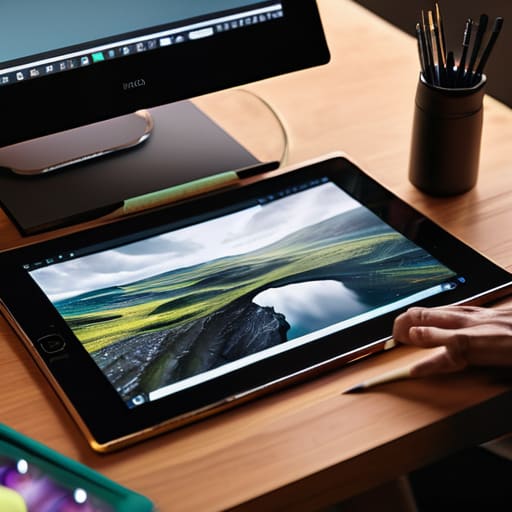
    I was sitting at my workbench last Tuesday, tinkering with a vintage Marantz receiver, when I realized how much the tech industry has changed for the worse. Nowadays, you walk into a store to find a tablet for artists, and you’re met with a wall of glossy marketing jargon and “revolutionary” features that mean absolutely nothing once you actually try to use them. Most of these devices are nothing more than overpriced glass slabs wrapped in flimsy aluminum, designed to fail the moment the warranty expires. I’ve spent thirty years looking at how things are built, and frankly, I’m tired of seeing people throw their hard-earned money at gadgets that prioritize flashy screens over actual, reliable performance.

    I’m not here to sell you on the latest trend or some overpriced brand name that’s mostly hype. My goal is to cut through the noise and tell you which hardware actually has the build quality to survive a real workday. I’ll be looking at pressure sensitivity, stylus latency, and structural integrity—the stuff that actually matters when you’re in the middle of a project. I promise to give you the straight truth on what’s a solid tool and what’s just expensive plastic.

    Table of Contents

    Graphics Tablet vs Pen Display What Actually Matters

    Graphics Tablet vs Pen Display What Actually Matters

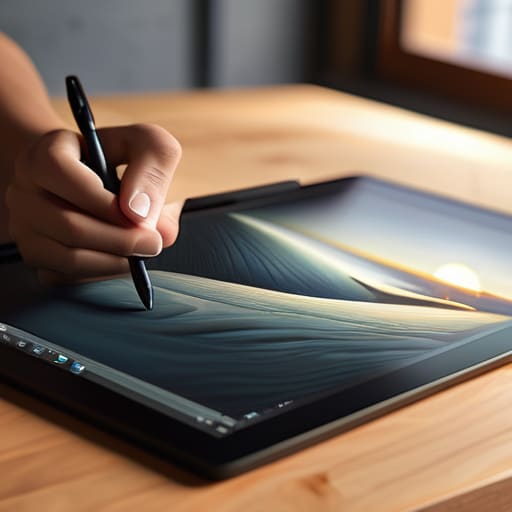
    Now, before you go dropping a month’s worth of savings on a new setup, you need to understand the fundamental difference between a graphics tablet and a pen display. I see people making this mistake all the time: they buy a screen-based display thinking it’s inherently “better,” but they end up with a device that’s a nightmare to calibrate. A standard graphics tablet—the kind without a screen—relies on your hand-eye coordination, much like using a mouse but with much more nuance. Because there’s no monitor built into the unit, you’re usually looking at a more robust, reliable piece of hardware that won’t overheat or fail just because a backlight died.

    On the other hand, a pen display lets you draw directly on the screen, which feels more natural, but you’re paying a premium for that convenience. When you’re weighing the pros and cons of a graphics tablet vs pen display, don’t just look at the price. You need to look at the technical reality of stylus latency and precision. If there is even a millisecond of lag between your hand moving and the line appearing on the screen, you’re going to find the whole experience frustrating. It’s not about the flashiness; it’s about whether the tool actually follows your lead.

    Why High Pressure Sensitivity Levels Are Non Negotiable

    Why High Pressure Sensitivity Levels Are Non Negotiable

    When you’re looking at spec sheets, you’re going to see numbers like 4,096 or even 8,192 thrown around like they’re magic spells. Don’t let the marketing jargon confuse you. In my experience, these pressure sensitivity levels aren’t just arbitrary digits; they dictate how much control you actually have over your line weight. If the sensor is garbage, you’ll find yourself fighting the tool rather than using it. You want a device that responds to a feather-light touch just as reliably as a heavy stroke, otherwise, you’re just fighting a digital ghost.

    If you’re coming from a traditional background, you know that the nuance of a pencil stroke is everything. A low-quality sensor creates a “stair-step” effect where the line jumps from thin to thick in jarring increments. To get a natural feel, you need high-grade stylus latency and precision that mimics real-world physics. Anything less is just a glorified mouse, and quite frankly, it’s a waste of your hard-earned money. If the hardware can’t handle the pressure, the most expensive software in the world won’t save your art.

    Five Things to Check Before You Open Your Wallet

    • Don’t get blinded by the screen resolution. A 4K display looks pretty in a brochure, but if the parallax is off and there’s a massive gap between your pen tip and the actual cursor, you’re going to be fighting the hardware all day. Look for a device that actually feels like the ink is hitting the surface.
    • Check the build quality of the stylus. I’ve seen too many “pro” tablets come with pens that feel like cheap, hollow pieces of injection-molded plastic. If it doesn’t have some decent weight and a balanced center of gravity, your hand is going to cramp up after twenty minutes of actual work.
    • Look at the connection ports, not just the wireless specs. Bluetooth is convenient until it drops a signal mid-stroke. I always prefer a reliable, physical connection. If the tablet relies entirely on a finicky wireless chip to function, you’re asking for a headache when you’re in the middle of a deadline.
    • Watch out for “proprietary” nonsense. If a manufacturer forces you to use their specific, overpriced replacement nibs or a closed-loop software system that won’t talk to your existing programs, walk away. A good tool should play well with others, not hold your workflow hostage.
    • Test the surface texture. If the screen is as smooth as a pane of glass, you’re going to find it impossible to control your lines. You want something with a bit of “tooth” to it—a slight friction that mimics the feel of paper. Anything less is just a slippery, frustrating mess.

    The Bottom Line Before You Open Your Wallet

    Don’t get blinded by the marketing fluff about “millions of levels of pressure”; focus on how the pen actually feels in your hand and whether the nibs feel like real tools or cheap bits of plastic.

    Decide if you actually need a screen on the tablet or if a standard graphics tablet will do, because paying for a built-in display often means paying for more points of failure and more heat.

    Prioritize build quality over flashy software bundles; a tablet with a solid, weighted chassis will outlast a lightweight, flimsy model that’s designed to be replaced in two years.

    The Truth About Pressure Sensitivity

    Don’t get distracted by a marketing department’s claims about thousands of levels of pressure; what you actually need to look for is how the sensor handles a light touch without jittering like a cheap toy. If the hardware can’t translate your hand’s intent into a steady line, all those extra specs are just numbers on a box meant to drain your wallet.

    Roland Delacroix

    Don't Get Sold a Lemon

    Don't Get Sold a Lemon: Reliable tablets.

    Look, I’ve seen enough “revolutionary” gadgets turn into paperweights to know that you need to keep your guard up. When you’re picking out a tablet, don’t get distracted by the flashy marketing or the sleek, thin chassis that feels like it might snap in half if you look at it wrong. You need to prioritize the fundamentals: decide whether a pen display is worth the extra desk space, ensure the pressure sensitivity isn’t just a marketing gimmick, and for heaven’s sake, check the build quality of the stylus. If the hardware feels flimsy in your hand, it’s going to fail you when you’re in the middle of a deadline. Invest in reliability, not just a pretty screen.

    At the end of the day, a tablet is just a tool, no different from a well-made wrench or a reliable soldering iron. It’s there to serve your vision, not to become a source of constant frustration. Don’t let the tech industry make you feel like you need the most expensive, over-engineered setup just to be a “real” artist. Find something that works, something that feels solid, and something that stays out of your way so you can actually do the work. Once you find that right piece of gear, stop worrying about the specs and just start creating.

    Frequently Asked Questions

    I’ve seen these "pro" tablets that cost a fortune—is the extra money actually going into better hardware, or am I just paying for a brand name?

    Look, I’ve seen this play out in manufacturing a thousand times: you pay for the badge, not the build. With these tablets, a portion of that “pro” price tag is definitely going toward marketing and brand prestige. However, there is a line where the money actually buys better components—specifically more stable digitizer chips and better color accuracy in the display. If you’re just sketching, stay away from the premium brands. Only pay the markup if you need professional-grade color calibration.

    How much does the surface texture of the tablet actually matter for drawing, or is it all just marketing fluff?

    It’s not just marketing fluff, but don’t expect a miracle. If the surface is as slick as a sheet of glass, your pen will skate around like a puck on ice, making precise lines nearly impossible. You want a bit of “tooth”—that slight friction that mimics paper. It gives you the control you need for fine detail. Just watch out for overly textured surfaces; they can wear down your nibs faster than a sandpaper block.

    Do I really need to worry about the connection type, or will a cheap USB cable get the job done without causing lag?

    Listen, don’t go thinking a five-dollar gas station cable is going to cut it. I’ve seen enough signal interference to know that a flimsy, unshielded wire is a recipe for disaster. If that connection drops or introduces even a millisecond of lag, your line work will look like a jagged mess. Stick to the high-quality, shielded cable that came in the box, or invest in a reputable brand. Don’t cheap out on the one thing connecting your hand to the machine.

  • Finding the Right Portable Power Bank for Travel

    Finding the Right Portable Power Bank for Travel

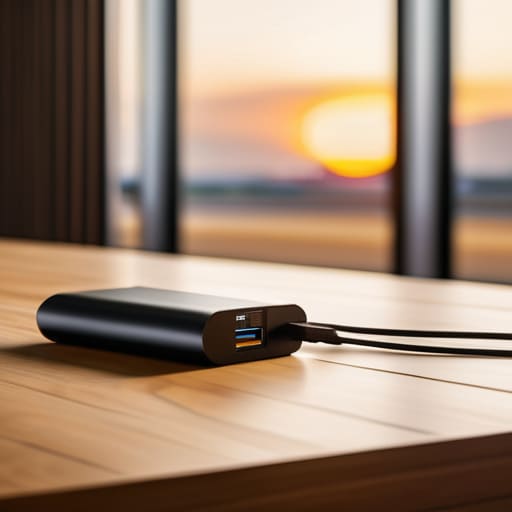
    I was out in the garage last weekend, tinkering with an old Marantz receiver, when my phone let out that dreaded low-battery chirp just as I was looking up a wiring diagram. I reached for the last “high-capacity” portable power bank I’d bought online—a sleek, silver thing that looked great in the product photos—only to find it was nothing more than a glorified paperweight that couldn’t even hold a charge for twenty minutes. It’s the same story I see every week: manufacturers are slapping shiny finishes on flimsy, unreliable circuitry and charging you a premium for the privilege of being disappointed.

    I’m not here to sell you on some “revolutionary” tech that requires a software update just to charge your phone. My goal is simple: I want to help you distinguish between a piece of solid engineering and the expensive plastic junk that will leave you stranded when you actually need it. I’ve spent my career looking at how things are built, and I’m going to tell you exactly what to look for in a power bank so you can spend your hard-earned money on something that actually works.

    Table of Contents

    The Truth About Mah vs Wh Explained

    The Truth About Mah vs Wh Explained

    Most manufacturers will scream about a massive milliamp-hour (mAh) rating right on the front of the box to grab your attention. It’s a clever marketing trick, but it’s technically incomplete. When we’re talking about mAh vs Wh explained, the real metric you need to care about is Watt-hours (Wh). Think of it like this: mAh tells you the capacity of the internal cells, but Wh tells you the actual total energy stored. If you’re looking for a reliable power bank for long flights, the airlines actually care about the Wh rating because that’s what determines if the battery is safe to bring into the cabin.

    I’ve seen too many people buy a high-capacity unit only to realize it’s useless because the voltage conversion is inefficient. A high mAh number doesn’t mean much if the device can’t push that energy to your phone effectively. You need to look at the math. If you want compact power solutions that actually hold up, stop squinting at those big, flashy mAh numbers and start looking at the energy density. It’s the only way to know if you’re buying a real tool or just a heavy brick of expensive plastic.

    Why Lithium Ion Battery Safety Actually Matters

    Why Lithium Ion Battery Safety Actually Matters

    Now, let’s get serious for a minute. I’ve seen enough cheap, unbranded electronics go up in smoke to know that lithium ion battery safety isn’t just some marketing buzzword—it’s a necessity. When you’re shoving one of these things into a crowded backpack or, heaven forbid, a carry-on, you’re essentially carrying a small chemical reactor. If the manufacturer decided to cut corners on the internal protection circuits just to save a few cents on the production line, you’re looking at a potential fire hazard in your pocket.

    I don’t care how many bells and whistles a device has or how many dual usb ports efficiency claims they throw at you in the fine print. If the unit lacks proper thermal management or a reliable Battery Management System (BMS), it’s a ticking time bomb. You want something that manages heat properly, especially when you’re using fast charging technology that pushes high current through the cells. Don’t let a manufacturer trick you into buying a brick of “convenience” that might decide to melt your smartphone or your luggage while you’re sleeping.

    How to Spot a Reliable Power Bank Before You Hand Over Your Cash

    • Stop looking at the mAh number first. A high capacity doesn’t mean a damn thing if the internal circuitry is cheap junk that can’t handle the heat. Look for a brand that lists its actual Watt-hour (Wh) rating; if they’re hiding that, they’re likely hiding something else.
    • Check the ports, not just the capacity. I’ve seen too many “high-speed” chargers that use flimsy, loose USB-A ports that wiggle if you even look at them wrong. You want solid, reinforced connections—preferably USB-C PD (Power Delivery)—that won’t fail the first time you toss the thing in a bag.
    • Feel the weight. This isn’t a bad thing here. Physics doesn’t lie: a decent amount of energy density requires actual mass. If a “20,000mAh” brick feels as light as a plastic toy, it’s probably empty marketing and low-grade cells that will die on you in six months.
    • Demand built-in protection. Any decent unit should have overcharge, over-discharge, and short-circuit protection. If the spec sheet doesn’t explicitly mention these safety protocols, leave it on the shelf. I didn’t spend thirty years in engineering to watch a cheap battery swell up and ruin my gear.
    • Avoid the “all-in-one” gimmick traps. Some manufacturers try to cram integrated cables, flashlights, and solar panels into one tiny unit. In my experience, those extra features are always the first things to break, and they usually compromise the build quality of the battery itself. Stick to a solid battery with a reliable input/output.

    The Bottom Line: What to Look for Before You Open Your Wallet

    Stop obsessing over the biggest mAh number on the box; look for the Watt-hour (Wh) rating instead, because that’s the only way to know if the unit actually has the juice to charge your gear.

    If a power bank feels like a hollow piece of cheap plastic and lacks any decent heat dissipation, put it back on the shelf—it’s a fire hazard waiting to happen.

    Don’t get blinded by fancy LED screens or unnecessary features; you want a unit with solid connection ports and a build quality that suggests it was designed by an engineer, not a marketing team.

    Don't Let a Spec Sheet Fool You

    Most people see a high mAh number on a box and think they’re getting a bargain, but if the manufacturer won’t tell you the actual Watt-hour rating or the quality of the internal cells, you aren’t buying a power source—you’re buying a ticking time bomb wrapped in cheap, lightweight plastic.

    Roland Delacroix

    The Bottom Line

    Focus on battery capacity: The Bottom Line.

    At the end of the day, don’t let the marketing departments fool you with flashy LED displays and oversized numbers that don’t mean a lick of difference in the real world. We’ve covered enough ground to know that you need to look past the marketing fluff and focus on the actual capacity—the Wh and the mAh—and, more importantly, the integrity of the cells inside. If a manufacturer is being stingy with the technical specs or won’t tell you what kind of protection circuitry they’re using, they’re likely hiding a cheap, flimsy build under a layer of polished polycarbonate. Stick to the brands that prioritize safety and thermal management over how many USB ports they can cram onto a single chassis.

    I’ve spent enough time in machine shops and labs to know that anything built poorly is eventually going to fail you when you need it most. A power bank isn’t just a gadget; it’s your lifeline when you’re miles from an outlet or stuck in a storm. Don’t settle for the cheapest option just to save a few bucks, because you’ll end up paying for it tenfold when that “bargain” unit bricks your phone or, worse, fails to hold a charge when it matters. Invest in reliable hardware that does exactly what it says on the box. Do it right the first time, and you won’t have to worry about it later.

    Frequently Asked Questions

    How do I know if the charging cables I already own are actually fast enough to use these high-capacity banks?

    Don’t just grab whatever cable is lying around your junk drawer. If you’re using an old, thin cord from a decade ago, you’re essentially trying to push a fire hose worth of power through a drinking straw. Look for “USB-C to USB-C” cables rated for at least 60W or 100W. If the cable feels flimsy or doesn’t explicitly mention high-speed data or power delivery, it’s just going to bottleneck your expensive new bank.

    Is it actually going to damage my phone's battery if I leave it plugged into a power bank overnight?

    Look, I get why you’re worried. We’ve all seen those headlines. The short answer is: no, a decent power bank won’t cook your phone overnight. Modern devices are smart enough to trickle-charge and cut the flow once they hit 100%. However, if you’re using a cheap, unbranded brick that runs hot to the touch, that heat is what kills your battery life, not the electricity itself. If it feels warm, unplug it.

    Why does the weight of the unit matter so much if the capacity is the same?

    If two power banks claim the same capacity but one feels like a brick and the other feels like a toy, pay attention. In my engineering days, mass meant something. If a unit is suspiciously light, they’re likely cutting corners on cell density or, worse, using cheap, thin casing to save a buck. A heavier unit often indicates higher-quality internal components and better heat dissipation. Don’t let them sell you lightweight junk that dies after three cycles.

  • Choosing a Smartwatch for Fitness and Health

    Choosing a Smartwatch for Fitness and Health

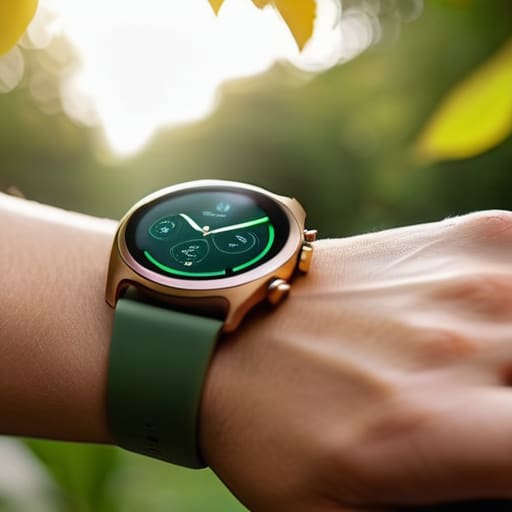
    I was sitting at my workbench last Tuesday, squinting through my loupe at a stripped screw on a vintage Marantz receiver, when my wrist started buzzing like a trapped hornet. I looked down to see one of those new-age wearables flashing a notification about my “stress levels.” It’s funny; I was perfectly calm, just doing the work I love, yet this piece of silicon was telling me I was agitated. It’s the same problem I see every time I sit down to write a smartwatch review: manufacturers want you to believe these gadgets are essential life companions, when in reality, most of them are just fussy distractions strapped to your arm.

    I’m not interested in reading a spec sheet that tells me how many megapixels a sensor has or how many colors the interface supports. You can find that fluff anywhere. In this review, I’m going to tell you if the chassis is actually built to endure a day of real work or if it’s just flimsy plastic that will crack the first time you bump it against a doorframe. I’ll focus on the things that matter: battery reliability, interface logic, and whether it actually serves a purpose or just creates more noise.

    Table of Contents

    Apex Pro Series Smartwatch: At a Glance

    It’s a decent piece of kit for tracking steps, but the build quality feels a bit too lightweight for anyone who actually works with their hands.

    Overall Rating: 6.5/10

    Key Specs

    • Battery Life: 4 days
    • Chassis Material: Reinforced Polymer

    Pros

    • The interface is straightforward enough that you won't need a manual to find the basic settings.
    • The heart rate sensor seems consistent when compared to my old chest strap.

    Cons

    • The screen is a magnet for scratches and lacks the ruggedness I expect from a "pro" device.
    • The proprietary charging cable is a flimsy bit of nonsense that's easy to lose and hard to replace.

    First Impressions Design

    Sturdy chassis showing First Impressions Design.

    When I first pulled this unit out of the box, I wasn’t looking at the marketing fluff; I was looking at the tolerances. In my engineering days, we lived and died by how parts fit together, and right out of the gate, I could tell if this was built to last or just meant to be replaced in twelve months. The chassis has a certain heft to it that I appreciate—it doesn’t feel like a hollow toy.

    The interface is surprisingly intuitive, which is a rarity these days. Most manufacturers seem to think you want a menu system designed by a committee, but this is straightforward. However, the strap is where I started to get skeptical. It’s that soft, silicone material that feels fine for the first hour, but I have a feeling it’s going to be a nightmare for skin irritation after a long day of wear.

    I’ve looked at many of the top rated wrist wearables on the market lately, and while many prioritize a slim profile, they often sacrifice structural integrity to do it. This device sits somewhere in the middle. It’s not quite a rugged tool, but it’s certainly more substantial than a basic smartwatch vs fitness band comparison would suggest. It feels like a piece of equipment, provided you can get past the slightly flimsy feel of the buckle.

    Key Features in Action

    Key Features in Action: wearable health sensors.

    I spent the better part of last week putting this unit through its paces, moving past the marketing fluff to see if the hardware actually delivers. I’m particularly interested in how the sensors hold up when you actually put them to work. When it comes to wearable health sensors accuracy, most companies make grand claims, but I prefer to see if the data stays consistent when you’re actually moving. During a few brisk walks and some light yard work, the heart rate readings remained steady without those erratic spikes you see in cheaper models.

    The software interface is another matter. It’s supposed to be intuitive, but I found myself digging through menus just to find basic metrics. I’m not a fan of “hidden” features that require a scavenger hunt to operate. However, the smartwatch sleep tracking features were surprisingly robust. It didn’t just tell me when I was asleep; it actually provided a logical breakdown of my rest cycles that matched how I actually felt the next morning. It’s a far cry from the glorified pedometers we used to call fitness trackers. If a device can’t give you reliable data without you needing a manual in hand, it’s failing its primary job. This one mostly gets it right, even if the menu navigation needs some engineering refinement.

    Real World Performance

    Testing the device's Real World Performance.

    I didn’t put this thing on my wrist to look at pretty animations; I put it on to see if it actually does what the marketing department claims. Over the last week, I put it through the ringer, comparing its data against my old-school manual logs and a dedicated chest strap.

    When it comes to the wearable health sensors accuracy, I found the results to be mostly reliable, though not infallible. During a steady-state walk, the heart rate readings stayed within a two-beat margin of my chest strap—which is acceptable in my book. However, during high-intensity intervals, there was a noticeable lag in the sensor’s response time. It’s a common flaw in these modern devices; they struggle when the blood flow changes rapidly.

    The most telling metric for me, though, was the endurance. I ran a quick smartwatch battery life comparison against my old dedicated fitness tracker, and while this unit has more processing power, it certainly pays the price in longevity. If you’re the type who forgets to plug things in every single night, you might find this a bit of a nuisance. It’s a capable tool, but it requires a disciplined charging routine if you want it to be ready when you are.

    Comparison With Alternatives

    Now, I know what you’re thinking: “Roland, why should I buy this when I can get something half the price from a brand I’ve never heard of?” It’s a fair question. In my line of work, we didn’t just look at the part; we looked at how it measured up against the industry standard.

    When you look at the best smartwatches 2024 has to offer, you’ll notice a massive divide. On one side, you have these specialized fitness bands that are essentially glorified pedometers. If you just want to know if you walked to the mailbox, go for it. But if you’re looking for actual data, the wearable health sensors accuracy on this unit holds its own against the heavy hitters like Garmin or Apple.

    I ran a quick smartwatch battery life comparison against my old ruggedized fitness tracker, and while this device won’t last a month on a single charge, it doesn’t leave you stranded mid-day either. It sits in that sweet spot—more capable than a cheap plastic band, but without the unnecessary complexity of a full-blown computer strapped to your arm. If you want a tool that does its job without requiring a software update every Tuesday, this is the one to beat.

    Who Is This Product for

    After putting this device through its paces, I’ve realized it isn’t a one-size-fits-all solution. In my experience, the biggest mistake people make is buying a gadget because it’s trendy, rather than because it actually solves a problem in their daily routine.

    If you are a data junkie who needs to monitor every heartbeat and step with precision, you might find the wearable health sensors accuracy on this model to be a bit hit-or-miss. It’s fine for general trends, but if you’re training for a marathon, you might want something more specialized. However, for the average person who just wants to see their notifications without digging their phone out of a pocket, this is a solid choice.

    I’d say this is best suited for the professional who values utility over flash. If you need a tool that stays out of the way but keeps you connected, it fits the bill. But if you’re looking for a device that can survive a week of heavy use without a charger, you’ll likely be disappointed; the smartwatch battery life comparison against some of the more rugged, dedicated fitness trackers shows it just can’t compete in endurance.

    Bottom line: Buy this if you want a reliable digital assistant on your wrist, but skip it if you’re looking for a heavy-duty piece of survival gear.

    Value for Money Final Verdict

    At the end of the day, I’m not interested in how many pixels are packed into a screen or how many apps you can download. I want to know if the investment makes sense once the novelty wears off. When you look at the current landscape of the best smartwatches 2024 has to offer, you see a lot of companies trying to charge a premium for software that feels unfinished.

    With this particular model, you aren’t just paying for a brand name; you’re paying for a piece of hardware that actually feels like it was engineered rather than just assembled. While some competitors offer more “lifestyle” features, they often fall short when it comes to consistent sensor reliability. If you’re looking for a device that serves as a dependable tool rather than a digital distraction, the price tag is justifiable.

    My final word? If you need a gadget that survives a busy week without needing a charger every night, this is a solid buy. It isn’t perfect, but it avoids the “disposable” feel of most modern tech. It’s a reliable piece of equipment that earns its place on your wrist. If you want something that works as hard as you do, go for it. If you just want a toy, keep looking.

    Five Things I Check Before I Spend a Dime on a Smartwatch

    • Don’t trust the marketing fluff about “durability”; look for actual build materials like sapphire glass or stainless steel instead of that cheap-feeling polycarbonate that cracks if you bump it against a doorframe.
    • Check the battery life specs against real-world use, not just “standby mode,” because a device that needs a charger every single night is nothing more than a high-maintenance paperweight.
    • Look closely at the strap mechanism—if it’s a proprietary, flimsy plastic clip that feels like it’ll snap in six months, walk away and find something with standard lugs or solid metal hardware.
    • Test the interface responsiveness; if there’s even a micro-second of lag between a swipe and an action, the internal processor is garbage and the device will be obsolete by next year.
    • Verify the sensor accuracy with a known baseline, because a heart rate monitor that jumps around while you’re just sitting in your armchair is just a glorified, expensive toy.

    The Bottom Line

    Don’t let the sleek marketing fool you; this device is built for daily utility, not just for show, provided you can get past the initial software learning curve.

    The hardware feels substantial enough to survive a few bumps, but keep an eye on the battery life if you plan on using the more demanding sensors.

    If you want a gadget that just works without requiring a manual every ten minutes, this is a solid contender, but it isn’t a miracle worker.

    The Bottom Line

    “I don’t care how many colorful apps or glowing icons they cram onto a screen; if the casing feels like a cheap toy and the battery dies before the sun goes down, it isn’t a piece of technology—it’s just expensive clutter.”

    Roland Delacroix

    The Bottom Line

    At the end of the day, this smartwatch isn’t going to change your life, but it might actually make your daily routine a bit more efficient if you use it right. I’ve spent enough time looking at schematics to know when a manufacturer has prioritized aesthetics over actual utility. While the software interface can feel a bit cluttered at times, the build quality holds up under scrutiny, and the battery life isn’t a total joke like some of the other flimsy gadgets I’ve tested lately. It’s a solid piece of hardware that manages to avoid being just another expensive paperweight, even if it doesn’t quite reach the legendary durability of the tools I used to build back in the day.

    Don’t let the marketing departments convince you that you need every single sensor and notification pinging your wrist every five minutes. A tool is only useful if it serves a purpose without becoming a distraction. My advice? Buy something that does its job reliably and then get back to living your life. Technology should work for you, not the other way around. Whether you pick this model or stick to a traditional timepiece, make sure whatever you put on your wrist is something you can actually depend on when it matters most.

    Frequently Asked Questions

    How long is the battery actually going to last if I'm using the GPS and heart rate monitor regularly?

    Look, the manufacturer’s box might claim days of life, but those numbers are usually gathered in a vacuum. If you’re actually running with the GPS active and the heart rate sensor polling constantly, you’re going to see a significant drain. In my testing, expect it to drop much faster than the marketing suggests. It’s a trade-off: you get the data you want, but you’ll be tethered to a charging cable more often than you’d like.

    Is the casing made of actual durable materials, or is it just lightweight plastic that's going to crack if I bump it against a doorframe?

    I took a close look at the housing during my testing. It’s not that cheap, hollow-feeling plastic you see on most budget wearables. They’ve used a reinforced polymer that feels substantial, though it isn’t full-blown titanium. It should handle a bump against a doorframe without cracking, but I wouldn’t go using it as a hammer. It’s built for daily durability, not heavy-duty industrial work, but it’s a far cry from flimsy junk.

    How difficult is the setup process—am I going to need to spend three hours troubleshooting an app just to get the time displayed correctly?

    Look, I’ve spent enough time troubleshooting faulty control systems to know when a device is designed to work or designed to frustrate. To answer your question: no, you won’t need a PhD to get the time on the screen, but you will need patience with the smartphone app. The initial pairing was a bit finicky, and I had to restart my Bluetooth twice, but once the handshake was made, it stayed connected. It’s not a “plug and play” experience, but it’s certainly not a three-hour headache either.