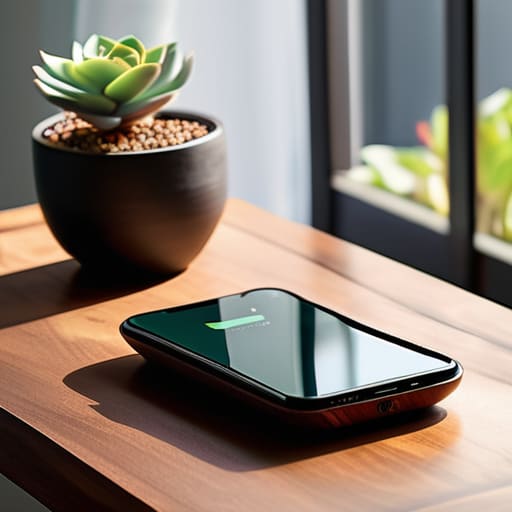
I was sitting at my workbench last Tuesday, surrounded by the smell of solder and old capacitors, when I realized I’d spent twenty minutes fighting with a brand-new, “premium” wireless charger. It was one of those sleek, minimalist slabs that looks great in a catalog but lacks any actual engineering substance. I had to nudge my phone a fraction of a millimeter to the left just to get the induction to kick in, and even then, the thing was running hot enough to fry an egg. It’s the same old story: companies are slapping a fancy finish on mediocre circuitry and calling it innovation, when in reality, most of these gadgets are just expensive plastic that fails the moment you actually need it.
I’m not here to sell you on the latest marketing buzzwords or tell you that you need a $100 pad to juice up your device. My goal is to cut through the nonsense and tell you which wireless charger is actually worth your hard-earned money based on build quality and reliability. I’ve spent enough years in systems engineering to know the difference between a well-designed tool and a gimmick, and I’m going to share that perspective with you.
Table of Contents
Inductive Charging Technology Real Power or Just Marketing Fluff
Now, let’s get into the actual physics of the thing. Most of these gadgets rely on inductive charging technology, which is essentially just using an electromagnetic field to transfer energy through a coil. In theory, it’s a clean, elegant way to power your gear without the constant wear and tear of a physical port. But in practice? It’s often inefficient. I’ve seen too many manufacturers slap a sleek design on a unit that loses half its energy to heat rather than actually moving it into your battery.
The real headache starts when you’re trying to figure out if a wireless charging pad vs stand setup is actually worth the premium. Stands are great for visibility, but if the alignment isn’t precise, you’re just wasting electricity. I’ve also noticed that many cheap models completely ignore overheating prevention in wireless chargers. If a device gets too hot while sitting on that coil, it’s not just a nuisance—it’s actively killing your battery’s lifespan. If the engineering isn’t sound, it’s nothing more than a glorified paperweight.
Magnetic Wireless Charging Is It Actually Reliable

Now, let’s talk about the magnetic approach. You’ve likely seen the marketing push for magnetic wireless charging, promising a seamless connection that just “snaps” into place. From an engineering standpoint, I can see the logic; it solves the alignment issue that plagues standard inductive charging technology. When you use a basic pad, if your phone is off by even a few millimeters, you aren’t charging—you’re just generating heat. The magnets ensure the coils are perfectly centered, which is a massive win for efficiency.
However, don’t let the convenience fool you into thinking it’s a magic bullet. I’ve seen plenty of these magnetic setups fail because the magnets are too weak or the casing on the phone is too thick. If the connection isn’t rock-solid, you’ll end up with a device that’s warm to the touch but hasn’t gained a single percentage point of battery life. When you’re shopping, look for mechanical precision in the magnet array. If it feels flimsy or the snap is weak, it’s going to cause more headaches than it’s worth.
Five Things to Check Before You Waste Your Money
- Stop using thick, heavy-duty cases. I’ve seen too many people buy a high-end charger only to realize their ruggedized phone case is acting like a lead shield, blocking the induction entirely. If it’s more than a few millimeters thick, don’t bother.
- Watch out for the “fast charging” claims. Most of these cheap pads won’t actually hit the speeds promised on the box unless you’re using a high-wattage wall brick that matches the charger’s requirements. If you plug a fast charger into an old, weak power adapter, you’re just wasting time.
- Placement is everything. Unlike a cable where you just plug it in and forget it, wireless charging requires precision. If you have to fiddle with the phone for thirty seconds to get the light to turn green, the internal coils aren’t aligned well enough, and you’re just generating heat instead of power.
- Check the heat dissipation. If the charging pad feels hot to the touch after twenty minutes, that’s a red flag. Excessive heat is the fastest way to kill a lithium-ion battery, and a poorly engineered charger will cook your phone just to get a few extra milliamps.
- Don’t trust the cheapest option on the shelf. I’ve opened up plenty of these “bargain” units, and they’re nothing but flimsy plastic housings with subpar copper coils. Spend the extra ten dollars on a brand with actual safety certifications; it’s cheaper than replacing a fried smartphone.
The Bottom Line: What to Look for Before You Buy
Don’t get blinded by the “fast charging” labels on the box; if the charger doesn’t have a stable, well-built induction coil, it’s just going to overheat your phone and waste your time.
If you’re tired of your phone sliding off the pad every time you bump the desk, invest in a magnetic system—it’s the only way to ensure the alignment is precise enough to actually transfer power.
Look for build quality over aesthetics; a heavy, non-slip base is worth much more than a thin, flashy piece of plastic that shifts around every time you try to pick up your device.
The Real Test of a Charger
I don’t care how many lumens or “fast-charge” buzzwords they slap on the box; if I have to wiggle my phone around for five minutes just to get a connection, that device has failed its primary job. A charger should be a tool, not a puzzle.
Roland Delacroix
The Bottom Line
At the end of the day, don’t let the glossy marketing brochures fool you. We’ve looked at how inductive charging can be finicky if your alignment is off by a fraction of an inch, and we’ve seen how magnetic systems—while much more convenient—can sometimes feel like a gimmick if the magnets aren’t properly shielded. My advice is simple: stop chasing every new “ultra-fast” label you see on a box. Look for a charger that prioritizes consistent thermal management and a solid, weighted base. If a device feels like a hollow piece of cheap junk in your hand, it’s going to perform like one too. You want a tool that does its job without requiring a manual every time you set your phone down.
I know it feels like we’re living in an era where everything is designed to be replaced rather than repaired, but you can still make smart, durable choices. Don’t just buy the most expensive option or the cheapest one you find at the grocery store checkout. Take a moment to check the build quality and the technical specs. When you find a charger that actually stays cool and holds its connection without a fight, you’ve found a piece of gear worth keeping. Invest in reliability over hype, and you won’t find yourself hunting for a replacement six months from now.
Frequently Asked Questions
Will using one of these pads every night actually kill my phone's battery life faster than a real cable?
Here’s the truth: it’s not the wireless pad itself that’s the killer, it’s the heat. Induction is inherently less efficient than a direct copper-to-copper connection via a cable, and that lost energy turns into heat. If your charger turns your phone into a hand warmer every night, you’re cooking your battery cells. Use a cable if you want maximum longevity, but if you go wireless, make sure the pad isn’t a cheap, overheating brick.
I’ve got a thick protective case on my phone; is it going to work, or am I just going to be staring at a blinking error light?
Here’s the short answer: it depends on the thickness, but don’t count on it. Most wireless chargers struggle once you go past 3 or 5 millimeters of material. If that case is a heavy-duty rugged model, you’re likely going to be staring at that blinking error light all night. I’ve seen too many people buy a premium charger only to realize their case is basically a brick blocking the induction. Check the millimeter spec before you get frustrated.
Why does my phone get so hot when it's sitting on the charger, and is that something I should be worried about?
Look, I’ve seen this a dozen times. Heat is the natural enemy of any circuit, and wireless charging is notoriously inefficient—a lot of that energy is lost as heat instead of going into your battery. If it’s just warm, don’t sweat it. But if it’s hot enough to make you uncomfortable to touch, stop. That’s not “efficient charging”; that’s a sign of poor thermal management or a cheap, low-quality coil.
