
I was out on the lake last summer with my grandson, trying to capture a decent shot of him kayaking, when the “top-rated” camera I’d spent a small fortune on simply gave up the ghost. A tiny bit of spray hit the casing, and suddenly, the screen went dark—just another piece of expensive, glorified plastic that couldn’t handle a little actual moisture. It’s infuriating how these manufacturers market these gadgets as “rugged” when they’re really just fragile electronics wrapped in a slightly thicker shell. If you’re looking for an action camera guide that actually tells you which devices can survive a real dent or a splash, you’ve come to the right place.
I’m not here to recite a spec sheet or read you a press release filled with marketing jargon that doesn’t mean a thing in the real world. My goal is simple: I want to help you identify the hardware that is actually built to last. I’ll be looking at things like seal integrity, battery reliability, and mounting stability—the stuff that actually matters when you’re out in the field. We are going to cut through the hype and find you a tool that works every single time you turn it on.
Table of Contents
Dont Get Fooled by 4k Video Resolution for Adventure

Every time I walk into a tech shop, I see people staring at spec sheets like they’re reading blueprints, completely mesmerized by the “4K” label. Let me tell you something from a man who has spent decades looking at actual mechanical tolerances: high resolution is a hollow promise if the footage is unwatchable. You can have the highest 4K video resolution for adventure on the market, but if you’re mountain biking or kayaking, that footage will look like a jittery, nauseating mess without decent stabilization technology in sports cameras.
I’ve seen plenty of expensive units produce crystal-clear images that are utterly useless because the software can’t handle the vibration of a real-world environment. Don’t let the marketing departments trick you into paying a premium for pixel density that you’ll never actually see on a smartphone screen. Instead, look for a device that prioritizes a stable image and rugged camera durability. I’d much rather have a slightly softer 1080p image that stays steady through a bumpy trail than a 4K file that looks like it was filmed during an earthquake.
Why Rugged Camera Durability Outweighs a Shiny New Shell

I’ve spent enough time in manufacturing plants to know that a sleek, polished finish is often just a mask for poor structural integrity. In the world of consumer electronics, manufacturers love to slap a high-gloss coating on a device to make it look premium on a showroom shelf. But when you’re out on a trail or near a body of water, that “premium” look doesn’t mean a thing if the internal seals fail. You need to look past the aesthetics and scrutinize the actual rugged camera durability. I’m talking about real-world tolerances—how the chassis handles a drop on granite or the pressure of a sudden submersion.
If the housing is made of cheap, brittle polycarbonate, it’s going to crack the first time it takes a hit. I’ve seen too many people buy a gadget based on a spec sheet, only to find out the internal components are rattling around like loose bolts in a poorly machined engine. Don’t be swayed by a pretty design; look for reinforced corners and high-quality gaskets. A camera that looks like a tank will always beat a “designer” model that turns into a paperweight after one trip.
Five Things the Marketing Brochures Won't Tell You
- Check the mounting points before you buy. If the camera uses a proprietary, flimsy plastic clip instead of a standard screw-mount, you’re going to end up with a pile of expensive scrap metal at the bottom of a lake.
- Don’t ignore battery life in favor of sensor size. I’ve seen plenty of high-end units die halfway through a hike because the manufacturer prioritized a thin profile over a battery that actually holds a charge.
- Look for replaceable parts. If a single lens scratch or a torn rubber seal means the whole unit is trash, that’s not a tool—it’s a disposable toy. You want something you can maintain, not replace.
- Test the stabilization manually if you can. Software-based “magic” stabilization often creates a jittery, digital mess when the light gets low. A steady physical mount and a decent sensor are worth more than any fancy algorithm.
- Verify the waterproof rating with common sense. “Waterproof” is a broad term that companies love to abuse. If you’re diving deep, make sure the seals are rated for the actual pressure you’ll face, not just a splash from a garden hose.
The Bottom Line: What to Look for Before You Buy
Stop obsessing over resolution numbers on the box; a 4K sensor is useless if the stabilization is jittery and the footage looks like a shaky mess.
Prioritize build quality and weather sealing over fancy software features; if the housing cracks on your first trip, all those extra settings won’t matter.
Buy for the environment you actually use, not the one in the brochure—look for battery life and physical button reliability that can be operated even with gloves on.
The Truth About Specs
“I don’t care if a camera can shoot in 8K if the mounting bracket snaps the first time you hit a bump on a trail; a gadget that fails when you actually need it isn’t a tool, it’s just an expensive paperweight.”
Roland Delacroix
The Bottom Line
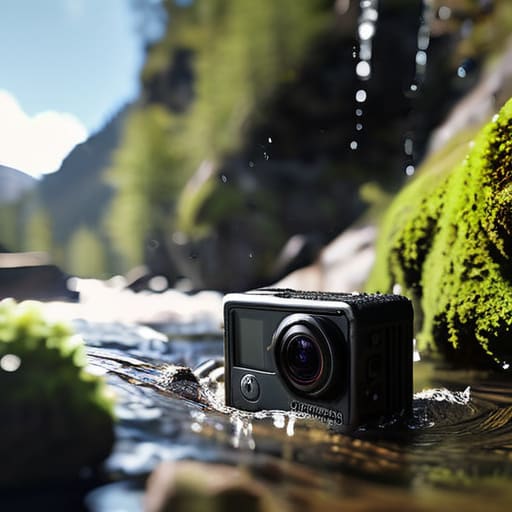
Look, I’ve spent enough time in manufacturing to know that a spec sheet is often just a way to hide a lack of substance. When you’re out there, you don’t care about a marketing department’s claims about ultra-high resolution if the battery dies after twenty minutes or the casing cracks the first time it hits a rock. Stick to the fundamentals: prioritize mechanical durability and battery reliability over fancy software gimmicks. If the device can’t survive a bit of grit and a splash of water without a specialized waterproof housing, it isn’t an action camera—it’s just a fragile piece of expensive plastic that belongs on a desk, not in your hand.
At the end of the day, the best camera isn’t the one with the most megapixels; it’s the one that is actually functional when you need it most. Don’t let the shiny advertisements bully you into buying something that won’t last through a single season of real use. Buy something built with integrity and purpose, something that lets you focus on the experience instead of worrying if your gear is about to fail. Go out there, get your hands dirty, and capture the moments that matter with equipment you can actually trust.
Frequently Asked Questions
How much does battery life actually matter when I'm out in the field, and can I swap them out easily?
Look, if you’re out on a trail or mid-river, a dead battery isn’t just an inconvenience—it’s a useless piece of plastic. Don’t trust those “all-day” claims in the marketing brochures; they’re usually tested in a climate-controlled lab, not the real world. You need a camera that allows for quick, manual battery swaps. If you have to fumble with proprietary cables or software just to get power back, you’ve already lost the moment.
Are all these different mounting systems actually compatible, or am I going to be stuck buying proprietary plastic mounts?
Here’s the truth: most of the big players use a standard two-prong mounting system, but don’t let that fool you into complacency. While many accessories claim “universal” compatibility, you’ll often find yourself stuck with proprietary plastic clips or flimsy adapters just to get a specific mount to sit right. Before you buy a single accessory, check the threading and the clip style. I’ve seen too many people waste money on a kit that won’t actually stay attached to their gear.
Is it worth paying a premium for built-in stabilization, or can I just fix shaky footage later in an editing program?
Look, you can try to “fix it in post,” but you’re just adding more work to a job that’s already tedious. Software can smooth out a slight tremor, but it can’t magically reconstruct a frame that’s been blurred into oblivion by a heavy jolt. If the hardware doesn’t stabilize the sensor physically, you’ll end up with that weird, “jello” warping effect. Pay for the built-in stabilization. It saves your footage—and your sanity.
