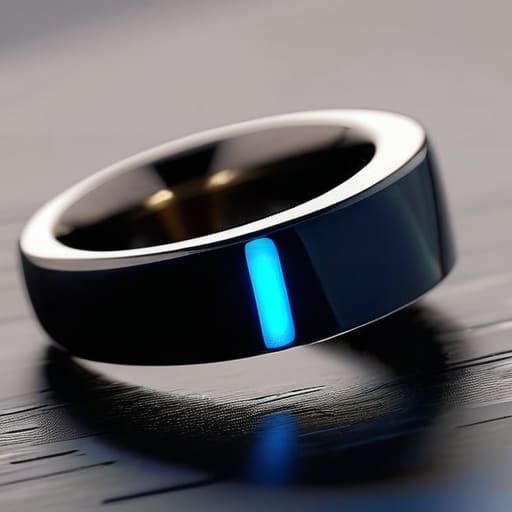
I was sitting at my workbench yesterday, cleaning the contacts on a 1970s Marantz receiver, when I saw another advertisement for those new smart rings cluttering up my feed. The marketing makes it sound like these tiny circles are going to revolutionize your biology, but frankly, most of them look like nothing more than overpriced trinkets designed to harvest your data. I’ve spent thirty years in systems engineering, and I know the difference between a precision instrument and a gadget that’s built to fail the moment you drop it on a tile floor.
I’m not here to sell you on the dream of a digital lifestyle or some vague promise of “wellness optimization.” My goal is to look under the hood and see if these devices actually hold up to a bit of real-world scrutiny. I’ll be stripping away the flashy jargon to tell you which ones offer genuine utility and which ones are just expensive plastic destined for a junk drawer. If you want the truth about build quality and sensor reliability without the marketing fluff, you’ve come to the right place.
Table of Contents
Smart Ring vs Smartwatch Which One Actually Serves You

Look, I’ve spent enough time with a multimeter to know that more sensors don’t always mean better data; it just means more points of failure. When you’re weighing a smart ring vs smartwatch, you have to decide what you actually need to measure. A watch is a powerhouse—it’s got a screen, GPS, and enough processing muscle to track a marathon in real-time. But let’s be honest: most people find those bulky things intrusive when they’re trying to sleep or just sitting down for dinner.
If your goal is passive monitoring, the ring wins by a landslide. Because of the way finger-based biometric tracking works, these devices can sit snugly against your skin without the constant distraction of a vibrating wrist. I’ve found that for things like smart ring sleep stage analysis, the form factor is actually an advantage. You aren’t fighting a strap or a glowing screen at 2 AM. You’re getting the data you need without the “gadget fatigue” that comes with wearing a miniature computer on your arm every single day.
Why Finger Based Biometric Tracking Is Finally Getting Reliable

Back when I was designing systems for manufacturing plants, we knew that the closer a sensor was to the source, the cleaner the signal. The same logic applies here. Most people think a wrist-based sensor is the gold standard, but the truth is that your wrist is a moving target—bones, tendons, and constant movement can throw a wrench into the data. Finger-based biometric tracking is finally hitting its stride because the capillaries in your fingers provide a much more consistent reading for heart rate variability and blood oxygen levels.
We are seeing a real shift in wearable ring technology trends toward precision rather than just novelty. Because the ring sits snugly against the digital arteries, the hardware can capture more granular details during rest. This is particularly evident when you look at smart ring sleep stage analysis; the device isn’t being jostled by your arm movements under a pillow, allowing it to map your recovery cycles with much higher fidelity than a bulky watch. It’s about getting the right data without the mechanical noise.
Five Things to Check Before You Hand Over Your Cash
- Don’t trust the “all-in-one” claims. Most of these rings are great at tracking sleep and resting heart rate, but if you’re looking for something to track a high-intensity workout or GPS routes, you’re better off sticking to a dedicated watch. Know what you’re actually measuring before you buy.
- Check the build material, not just the color. I’ve seen too many “premium” devices that use cheap coatings that flake off after three months of contact with soap or sweat. Look for titanium or medical-grade resin if you want something that won’t look like junk by next season.
- Verify the subscription model. This is where they get you. Some manufacturers sell you the hardware for a decent price, then hit you with a monthly fee just to see your own data. If you have to pay a subscription every month just to read your heart rate, you aren’t the customer—you’re the milk cow.
- Size matters more than you think. Unlike a watch strap you can adjust, a ring is fixed. If it’s too tight, it’ll irritate your skin; too loose, and the sensors won’t get a clean reading off your finger. Always use the sizing kit they send you before you commit to the final purchase.
- Look at the battery life in real-world terms. The marketing will tell you “up to seven days,” but that’s usually under perfect conditions. If you’re a heavy user, expect that to drop. I want a device I can set and forget, not something I have to babysit on a charger every forty-eight hours.
The Bottom Line: What You Need to Know Before Buying
Don’t buy a smart ring just because it’s the latest trend; choose it only if you want continuous data without the constant distraction of a wrist-based screen.
Prioritize sensor accuracy and build materials over flashy app features—if the ring isn’t made of durable titanium or ceramic, it won’t survive your daily life.
Check the subscription model before you pull out your wallet; a piece of hardware is useless if you have to pay a monthly fee just to see the data it collected.
The Reality of Wearable Tech
“I’ve spent my career looking at tolerances and build quality, and quite frankly, most people don’t need a computer strapped to their wrist to tell them they’re tired. A smart ring only makes sense if it stays out of your way and actually delivers data you can trust, rather than just another gadget that needs charging every twelve hours.”
Roland Delacroix
The Bottom Line
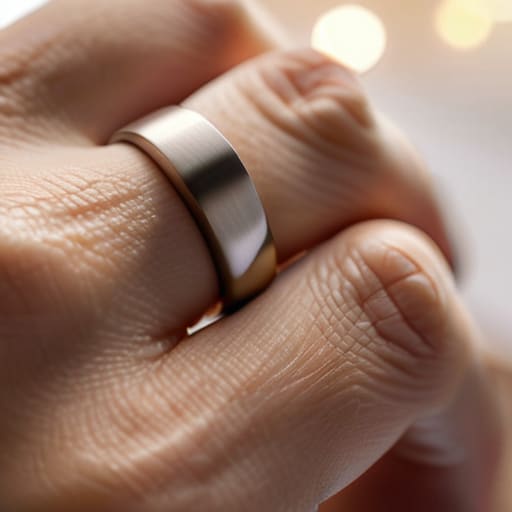
At the end of the day, choosing a smart ring comes down to whether you actually want the data or if you just like the idea of having it. We’ve looked at how these devices differ from the bulky smartwatches most people are used to, and we’ve seen that the sensor technology on the finger is finally reaching a point of mechanical reliability. If you want continuous tracking without the constant distraction of a glowing screen on your wrist, a well-built ring is a solid engineering solution. Just make sure you aren’t paying a premium for a brand name when you should be looking at the build quality and sensor accuracy instead.
Don’t let the marketing departments convince you that you need every new gadget that hits the shelf. Technology should serve you, not the other way around. If a smart ring fits into your daily routine without feeling like a chore to charge or a nuisance to wear, then it’s a tool worth owning. My advice? Buy something that feels substantial, check the specs twice, and only invest your hard-earned money in gear that is built to last. A good tool shouldn’t just be smart; it should be dependable.
Frequently Asked Questions
How am I supposed to get an accurate size if I can't try the ring on in a store first?
That’s the million-dollar question, isn’t it? It’s a design flaw in the modern shopping experience. In my day, you walked into a shop, picked up a tool, and felt the fit. Now, you’re expected to trust a piece of paper. Most reputable companies will send you a plastic sizing kit first—use it. Don’t just guess based on your old wedding band. Wear that kit for a full day to account for swelling. If they don’t offer a kit, walk away.
Won't these things just break or scratch the moment I start working in the garage or doing yard work?
That’s the right question to ask. If you’re spending your Saturday wrenching on an engine or clearing brush, you can’t be wearing a piece of jewelry that’s going to pit or crack under pressure. Look for a ring with a titanium or reinforced ceramic casing. Avoid the cheap alloys; they’ll scratch the moment they hit a metal tool. If the manufacturer won’t tell you the specific hardness rating, leave it on the workbench.
Do I really need to pay a monthly subscription fee just to see the data my own body is producing?
It’s a racket, plain and simple. I spent my career building systems where you owned the hardware and the data it produced. Now, these companies want to sell you the ring and then hold your own heart rate hostage behind a paywall. If a manufacturer requires a monthly subscription just to let you view your sleep trends, they aren’t selling you a tool; they’re selling you a leash. Avoid them.
