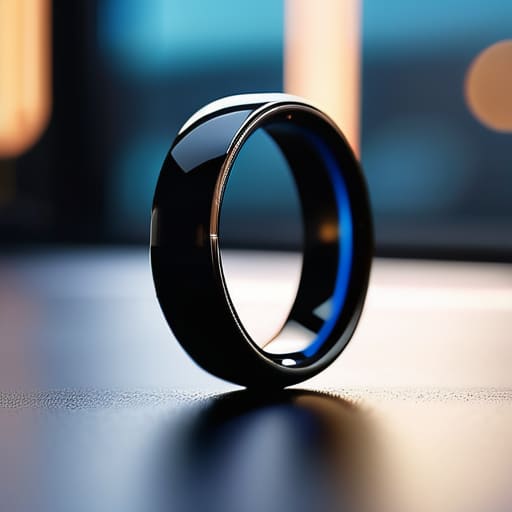
I was sitting at my workbench yesterday, cleaning the contacts on a 1970s Marantz receiver, when I saw another advertisement for the latest “breakthrough” in wearable health. It’s the same old story: marketing departments trying to convince you that smart ring technology is the next great leap for humanity. To me, it looks like a lot of expensive, lightweight sensors wrapped in a thin band that’ll likely scratch or fail the moment you actually put it to work. I’ve spent thirty years looking at how components hold up under pressure, and frankly, most of these gadgets feel like they were designed by people who have never held a real tool in their lives.
I’m not here to sell you on the hype or read you a list of glossy features that won’t matter in six months. My goal is to strip away the nonsense and look at the actual build quality, battery reliability, and sensor accuracy of these devices. I’ll tell you which ones are worth your hard-earned money and which ones are just overpriced plastic junk masquerading as innovation. If you want the unvarnished truth about whether these rings actually work or if they’re just another distraction in your pocket, you’ve come to the right place.
Table of Contents
- Biometric Sensor Accuracy Can You Actually Trust the Data
- Minimalist Wearable Devices vs Overcomplicated Gadgets
- How to Avoid Buying a Piece of Overpriced Junk
- The Bottom Line: What’s Actually Worth Your Hard-Earned Money
- The Reality of Wearable Data
- The Bottom Line on Smart Rings
- Frequently Asked Questions
Biometric Sensor Accuracy Can You Actually Trust the Data

Here is the problem with these tiny devices: they are trying to do a lot with very little real estate. When I look at the underside of a ring, I see a handful of tiny LEDs pressed against your skin. While the marketing folks love to talk about next-gen wearable sensors, the physics of the situation is tricky. A smartwatch has a much larger surface area to maintain contact with your wrist, which is why you’ll often see a significant gap in biometric sensor accuracy when comparing a ring to a traditional watch. If the ring shifts even a millimeter during sleep or a workout, your data goes straight into the weeds.
I’ve spent enough time looking at schematics to know that signal-to-noise ratio is everything. In a ring, you’re dealing with much tighter tolerances and less room for error. For continuous heart rate monitoring during a steady state, they do alright, but don’t expect them to keep up if you’re actually breaking a sweat. They are fine for tracking your baseline trends while you’re sitting on the couch, but if you want precision, you’re better off sticking to something with a bit more heft and stability.
Minimalist Wearable Devices vs Overcomplicated Gadgets
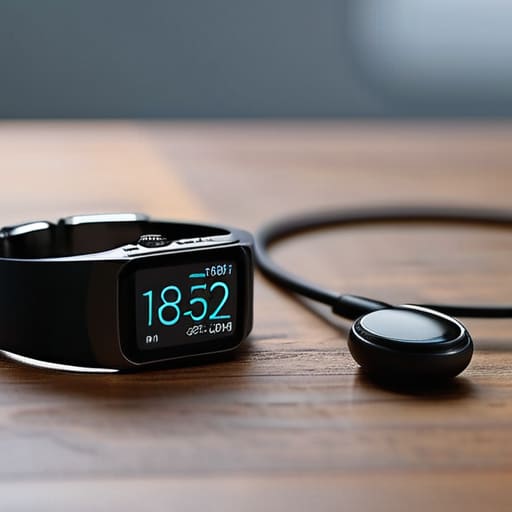
I’ve spent enough time in manufacturing to know that when you add more moving parts—or in this case, more sensors and software layers—you’re just creating more points of failure. This is the fundamental tension in the current smart ring vs smartwatch debate. A smartwatch is a miniature computer strapped to your wrist; it’s flashy, it’s loud, and it’s constantly demanding your attention with notifications and bright screens. But for most people, that’s just digital noise. I’ve found that many of these high-end watches are trying to do too much, which inevitably leads to a shorter lifespan and a battery that dies before you’ve even finished your morning routine.
On the other hand, minimalist wearable devices like these rings take a different approach. They strip away the distractions and focus on one thing: passive data collection. There’s a certain elegance to a tool that does its job without needing to beep at you every five minutes. By removing the screen, you’re left with a device that actually prioritizes long-term reliability and continuous heart rate monitoring without the constant headache of daily charging. If you want a gadget that acts like a tool rather than a toy, less is almost always more.
How to Avoid Buying a Piece of Overpriced Junk
- Check the material specs before you pull the trigger. If the manufacturer won’t tell you if it’s titanium or just gold-plated resin, walk away. I’ve seen enough cheap coatings flake off after a month of handwashing to know that “looking shiny” isn’t the same as being durable.
- Don’t fall for the subscription trap. Some of these companies sell you the hardware for a decent price, only to lock your data behind a monthly paywall. If you can’t access your own sleep stats without paying a “service fee” every month, you don’t own the device—you’re just renting it.
- Prioritize battery longevity over fancy features. I don’t care if the ring can track your stress levels in real-time if I have to charge it every single night. A tool is useless if it’s sitting on a charger instead of being on your finger. Look for something that actually lasts a week on a single charge.
- Verify the sensor placement. A ring is only as good as the contact it makes with your skin. If the internal sensors are poorly positioned or too shallow, you’re just wearing a very expensive piece of jewelry that provides nothing but guesswork.
- Demand a physical sizing kit. Do not, under any circumstances, order a ring based on a digital measurement or a guess. These things are unforgiving. If it’s too tight, it’ll irritate your skin; too loose, and the sensors won’t read a thing. Get the physical kit, try it on for a full day, and then decide.
The Bottom Line: What’s Actually Worth Your Hard-Earned Money
Don’t expect medical-grade precision; these rings are decent for spotting trends in your sleep or activity, but if you’re looking for a device to replace a doctor’s diagnostic tools, you’re throwing money down the drain.
Prioritize build quality over fancy app features—if the ring isn’t made of durable titanium or high-grade ceramic, it’s going to end up scratched up and useless within six months of daily wear.
Avoid the “subscription trap” where you buy the hardware only to realize you have to pay a monthly fee just to see your own data; a tool should belong to you once you’ve paid for it.
The Reality of Wearable Data
“I’ve spent my career looking at tolerances and precision, and frankly, most of these rings are trying to sell you a sense of certainty that their tiny, flimsy sensors just can’t deliver.”
Roland Delacroix
The Bottom Line on Smart Rings

Look, I’m not telling you to throw your smartwatch in the trash, but I am telling you to keep your eyes open. We’ve looked at the sensor data and the sheer complexity of these devices, and the reality is clear: smart rings are a massive leap forward in form factor, but they aren’t magic. If you’re looking for a device that provides a general idea of your sleep trends or activity levels without a bulky screen strapped to your wrist, they can be useful. However, if you expect laboratory-grade precision from a piece of metal no thicker than a wedding band, you’re going to be disappointed. Don’t let the marketing fool you into thinking these are flawless medical instruments; they are consumer gadgets, and you should treat them as such.
At the end of the day, technology should serve you, not the other way around. A tool is only worth the money you spent on it if it actually improves your life without becoming a constant, nagging distraction. If a smart ring helps you understand your body’s rhythms and helps you make better decisions, then it’s a solid investment. But if it’s just another piece of expensive plastic junk that requires a daily software update just to tell you that you’re tired, leave it on the shelf. Buy things that are built to last and designed to work, and never let the hype outpace the actual utility.
Frequently Asked Questions
How much can I actually expect these things to last before the battery dies or the seals fail and water gets inside?
That’s the real question, isn’t it? Most of these rings are built like toys, not tools. You’re looking at maybe two years before the battery starts losing its charge or, more likely, the adhesive seals give out. Once moisture gets past that thin casing, it’s electronic scrap. If you’re planning on swimming or even heavy hand-washing, don’t trust the “waterproof” marketing blindly. In my experience, if it isn’t built to last, it’s just junk.
Is the data from these rings actually any better than a standard smartwatch, or am I just paying for a smaller form factor?
Look, if you’re expecting medical-grade precision, you’re going to be disappointed. For basic sleep tracking and resting heart rate, the ring actually has an advantage because it sits snugly against the finger, where the blood vessels are closer to the surface. But if you want real-time data during a workout, the ring falls short. You aren’t just paying for a smaller size; you’re paying for a specific type of passive monitoring.
Do I really need to pay a monthly subscription fee just to see the basic health stats my own device is collecting?
It’s a racket, plain and simple. In my day, if you bought a tool, you owned the tool. Now, these companies sell you the hardware and then hold your own data hostage behind a paywall. You’ve already paid the premium for the ring; charging you a monthly fee just to see your own heart rate is nothing more than a way to pad their bottom line. If a device requires a subscription for basic stats, skip it.
