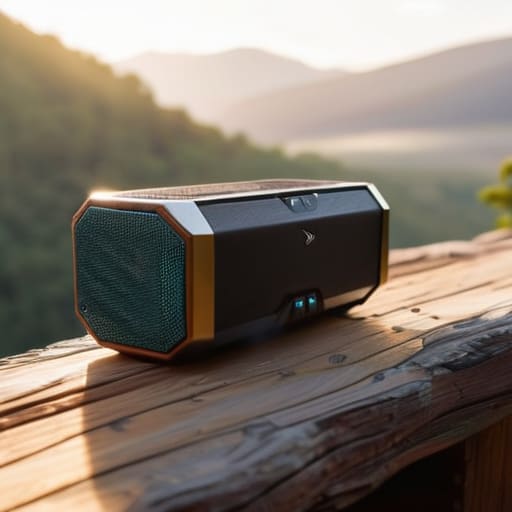
I spent thirty years in manufacturing, and if there is one thing I learned, it’s that most modern gadgets are built to be replaced, not repaired. You walk into a store today and see a sea of colorful, lightweight boxes that look great on a shelf but feel like cheap toys in your hand. It’s frustrating because everyone just wants a bit of decent sound without having to deal with a device that dies the moment you take it outdoors. Finding the best portable speakers shouldn’t feel like a gamble where you’re betting your hard-earned money against a pile of flimsy, overpriced plastic.
I’ve spent the last few weeks putting these units through their paces, checking the seals, testing the battery stability, and listening for that tell-tale distortion that screams poor engineering. I’m not interested in marketing buzzwords or flashy LED lights that serve no purpose. In this list, I’m going to show you five specific models that actually stand up to real-world use. You’ll learn which ones offer genuine build quality and which ones are just a waste of space on your patio.
Table of Contents
The Tank of the Group

I’ve spent enough time in manufacturing plants to recognize something built to last when I see it, and the JBL Boombox 3 is about as close as you’ll get in this category. Most of these modern gadgets feel like they’d crack if you even looked at them wrong, but this thing has a hefty, industrial feel that gives me a bit of peace of mind. It’s not just about the size, either; it’s the way the components are integrated into that rugged exterior.
Small Size, Real Engineering
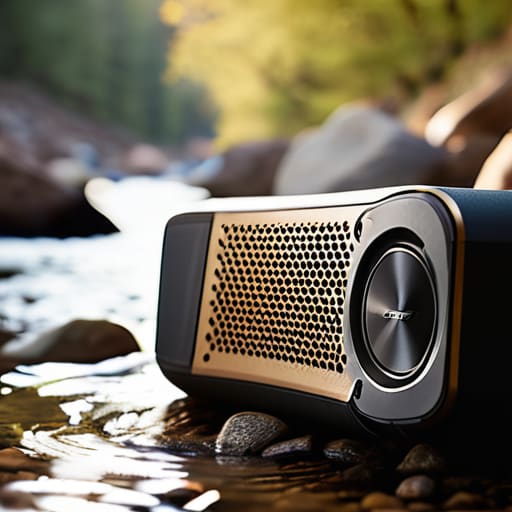
Don’t let the diminutive footprint of the Bose SoundLink Flex fool you into thinking it’s a toy. I’ve seen plenty of “mini” speakers that sound like a tin can being shaken, but Bose seems to have figured out how to manage the acoustic displacement within a very tight chassis. It’s a clever bit of engineering that manages to push out a surprisingly clear mid-range without distorting the moment you turn the volume past fifty percent.
The Balanced Workhorse
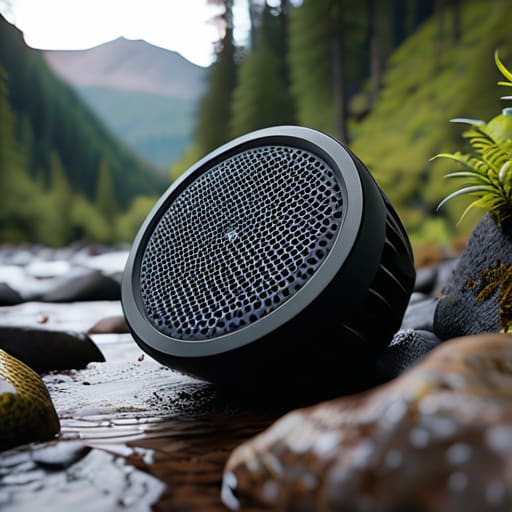
The Ultimate Ears Megaboom 3 is the kind of device that reminds me why I liked mechanical systems in the first place: it’s designed for a specific, rugged purpose. It has a cylindrical shape that makes it easy to grab, and the build quality feels exceptionally solid in the hand. You can tell they didn’t skimp on the seals, which is vital if you’re actually planning to use it outdoors.
High-End Sound Without the Fluff
Now, if you’re tired of the “lifestyle” branding and just want a speaker that respects the original recording, the Sonos Roam is a decent choice. It’s a bit more “techy” than I usually like, but the way it integrates into a home ecosystem is actually quite seamless. It’s small enough to slip into a bag, yet the driver response is remarkably linear for something so compact.
The Budget Reliable Option
I’m always skeptical of anything labeled “budget,” because that usually translates to “disposable plastic,” but the Anker Soundcore Motion+ manages to defy that trend. It’s a simple, no-frills device that focuses on what matters: getting the sound out of the box and into the room. The build is decent, and it doesn’t feel like it’s going to fall apart after a month of heavy use.
Bottom Line: Don't Get Fooled by the Marketing
Ignore the flashy LED lights and social media hype; look for heavy-duty housing and real driver specs if you want a speaker that won’t crack the first time it hits the pavement.
Check the connection stability before you buy—if a device relies on a finicky, proprietary app just to change the volume, it’s poorly engineered and will eventually drive you mad.
Always prioritize battery longevity and actual wattage over “estimated” playtimes, because a speaker that sounds great for twenty minutes before dying is nothing more than a paperweight.
The Real Test of a Speaker
Don’t get blinded by a flashy app or a sleek, thin design that feels like a toy in your hand. A real portable speaker should feel substantial, handle a bit of grit, and deliver sound that doesn’t distort the moment you turn the volume up to a reasonable level. If it’s built like a cheap piece of Tupperware, it’s going to sound like it, too.
Roland Delacroix
The Bottom Line on Your Next Purchase
Look, I’ve spent enough time under the hood of complex machinery to know that you can’t hide poor engineering behind a fancy marketing campaign. When you’re picking out one of these speakers, stop looking at the flashy LED lights or the latest app integrations that’ll be obsolete by next Christmas. Instead, focus on the basics: battery longevity, driver integrity, and whether the chassis feels like it can actually withstand a bit of real-world use. Whether you go with the rugged powerhouse for your backyard or a smaller, more refined unit for your workbench, make sure you are buying for build quality over brand hype. If the specs on the box don’t match the weight in your hand, walk away.
At the end of the day, music shouldn’t be a headache. You aren’t buying a piece of tech just to keep up with the neighbors; you’re buying a tool to enhance your life, whether that’s while you’re tinkering in the garage or relaxing on the patio. Don’t let the industry convince you that you need the most expensive gadget on the shelf to get a decent sound. Find something that is reliable, straightforward, and built to last. Buy it once, use it hard, and stop worrying about the next upgrade cycle. That is how you actually win the game.
Frequently Asked Questions
How do I tell the difference between a speaker that's actually rugged and one that just has a fancy "waterproof" sticker on the box?
Look past the marketing fluff and check the IP rating. If it just says “water-resistant,” keep walking; you want an IP67 or IP68 rating. That tells you it’s actually sealed against dust and can handle a submersion. Also, feel the build. If the casing feels like a cheap toy, that “rugged” rubber coating is just for show. Real durability means weight and tight seams, not just a flashy sticker on a cardboard box.
Is it worth paying a premium for a bigger brand, or can I get better build quality from the smaller, specialized manufacturers?
Look, I’ve seen this play out in manufacturing for decades. Big brands have the marketing budget to make a product look pretty, but they often cut corners on internal components to pad their margins. If you’re buying a household name, you’re often paying for their television commercials. I’d rather see you put your money toward a smaller, specialized outfit that focuses on driver quality and chassis rigidity. Specialized usually means they actually care about the engineering.
How long should I realistically expect the battery to hold a charge before the internal cells start to degrade?
Look, if you’re expecting these things to last a decade like my old Marantz receiver, you’re going to be disappointed. Most modern lithium-ion cells start showing real fatigue after about 300 to 500 full charge cycles. Realistically, that’s two to three years of regular use before you notice the runtime dropping off. Treat them well—don’t leave them plugged in constantly or let them sit dead in a drawer—but don’t expect them to be immortal.
