Author: Roland Delacroix

  • Using Smart Plugs to Automate Your Home

    Using Smart Plugs to Automate Your Home

    I was sitting in my workshop last Tuesday, trying to get the signal path right on a 1974 Marantz receiver, when I realized I’d spent forty minutes fighting with a cheap smart plug I’d bought online. The thing had disconnected from my Wi-Fi for the third time that hour, leaving my workbench in the dark. It’s the same story I see everywhere now: companies are slapping a microchip into a casing of flimsy, recycled plastic and charging you a premium for the privilege of troubleshooting it every single morning. We used to build things to last, but today’s “smart” tech seems designed to fail the moment you stop looking at the app.

    I’m not here to sell you on a lifestyle of automated curtains or voice-activated coffee makers that require a software update just to function. My goal is much simpler. I’ve spent the last few months putting these devices through the ringer to find the ones that actually hold a connection and don’t overheat under a standard load. I’m going to show you which models are built with actual integrity and which ones are just expensive paperweights waiting to break.

    Table of Contents

    The Truth About Iot Device Connectivity and Signal Drops
    The Truth About Iot Device Connectivity and Signal Drops.

    The truth about IoT device connectivity is that most manufacturers prioritize a flashy app over a stable radio signal. I’ve spent enough time with a multimeter and an oscilloscope to know that a connection isn’t just a line of code; it’s a physical handshake that can be easily broken by a thick wall or a microwave oven. You’ll see plenty of these little gadgets advertised with seamless smart home ecosystem integration, but in my experience, that often means they work perfectly right next to the router and fail miserably once you move them to the guest bedroom.

    When a wifi enabled power outlet loses its handshake with your network, it becomes nothing more than an expensive, non-functional paperweight. I’ve seen too many people get frustrated because their automated scheduling features fail halfway through the week simply because the device decided to go “offline” for no reason. If you can’t trust the hardware to maintain a steady signal, you can’t trust it to run your home. Reliability is non-negotiable when you’re relying on these things to manage your daily routines.

    Why Wifi Enabled Power Outlet Reliability Actually Matters
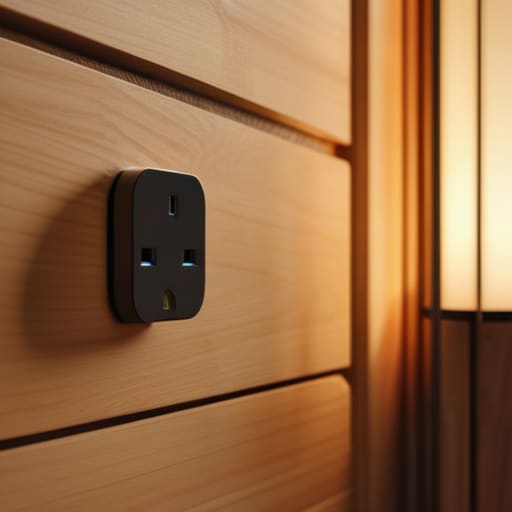
    Why Wifi Enabled Power Outlet Reliability Actually Matters

    Look, I’ve spent enough time in manufacturing plants to know that if a single relay fails on a production line, the whole system grinds to a halt. Your home is no different. When you invest in a wifi enabled power outlet, you aren’t just buying a gadget; you’re adding a component to your home’s infrastructure. If that component fails to trigger a lamp or a heater because of a software glitch, it’s not just an inconvenience—it’s a failure of the tool to do its job.

    I’ve seen too many people get caught up in the hype of smart home ecosystem integration, thinking they need every single feature under the sun. But here’s the reality: if the hardware can’t maintain a stable connection, all those fancy automated scheduling features are completely useless. You don’t need a device that promises to talk to your fridge, your lights, and your thermostat if it can’t even reliably toggle a simple timer. I want gear that stays connected so I can set it and forget it, without having to troubleshoot my living room every Tuesday night.

    Five Things to Check Before You Waste Your Money

    • Look for a physical override switch. If the software glitches or your internet goes down, I don’t want to be left sitting in the dark because a piece of code decided my lamp shouldn’t work. A real tool always has a manual way to operate.
    • Demand a dedicated local control option. If the plug requires a constant handshake with a server halfway across the country just to turn on a coffee maker, it’s a liability. You want devices that work on your local network, even when the cloud decides to take a nap.
    • Check the amperage rating twice. Most of these cheap plastic units are rated for basic lamps, but if you’re planning to plug in a space heater or a heavy-duty tool, you need something with beefy internal components that won’t melt under a real load.
    • Avoid “ecosystem lock-in” where possible. Don’t buy a plug that only works with one specific, proprietary app. If that company goes belly-up in three years, your expensive hardware becomes nothing more than a paperweight.
    • Inspect the build quality of the casing. If the plastic feels thin and hollow, the internal relays are likely cheap, too. I prefer a plug that has some heft to it; it usually means the electrical contacts are built to last more than a single season.

    My Rules for Not Wasting Your Money

    Check the build quality before you click buy; if the casing feels like thin, lightweight plastic, it’s likely going to overheat or fail when you actually put a decent load on it.

    Prioritize devices that offer local control options, because if your smart plug requires a constant handshake with a cloud server just to turn on a lamp, you’ve bought a headache, not a tool.

    Look for a dedicated physical override button on the unit itself—if you can’t operate the device manually when the software inevitably glitches, it’s useless.

    The Real Cost of Cheap Components

    I’ve spent enough time looking at circuit boards to know that when a manufacturer slashes the price of a smart plug, they aren’t doing it out of the goodness of their hearts—they’re swapping out quality capacitors for cheap, flimsy alternatives that’ll fail the moment your Wi-Fi hiccups.

    Roland Delacroix

    Don't Let the Marketing Fool You
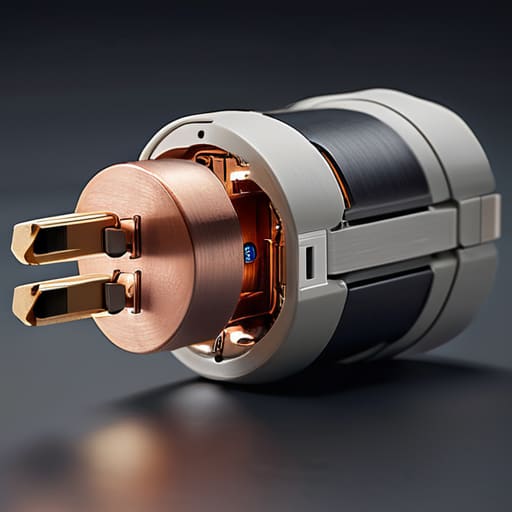
    Don't Let the Marketing Fool You.

    At the end of the day, a smart plug isn’t just another gadget to clutter your countertop; it’s a component in your home’s electrical infrastructure. If you can’t trust it to stay connected to your network or handle the rated amperage without overheating, then it’s nothing more than expensive, glorified plastic. We’ve looked at why signal stability is the real bottleneck and why the build quality of the internal relays determines whether your device lasts two years or two months. Don’t get distracted by flashy apps or colorful LED rings. Look for the mechanical integrity and the technical specifications that actually matter for long-term use.

    I know the tech industry wants you to believe that everything needs to be “smart” to be useful, but I’m telling you to hold them to a higher standard. You deserve tools that work the first time you tap a button and stay working when you aren’t looking. Stop settling for flimsy, unproven hardware just because it’s the cheapest option on the shelf. Invest in reliability over novelty, and you’ll find that smart home technology actually makes your life easier instead of becoming just another chore on your to-do list. Buy it once, buy it right, and then get back to enjoying your home.

    Frequently Asked Questions

    How do I know if a smart plug can actually handle the electrical load of my heavy appliances without overheating?

    Look, don’t just trust the shiny packaging. You need to check the amperage rating on the back of the unit, not just the marketing fluff. If you’re plugging in a space heater or a heavy-duty pump, you need a plug rated for at least 15 amps. I always grab my notepad and check the thermal specs; if the casing feels flimsy or lightweight, it’s probably going to melt under a real load. Check the math before you plug it in.

    Is it worth buying a dedicated smart hub, or am I just adding another layer of unnecessary complexity to my home network?

    Look, if you’ve got five smart plugs, stick to WiFi. But once you start adding lights, sensors, and locks, your router is going to choke. That’s where a dedicated hub comes in. It offloads the heavy lifting from your main internet connection to a specialized frequency like Zigbee or Z-Wave. It’s not just “complexity”—it’s about building a stable foundation so your devices actually talk to each other instead of just dropping offline.

    What's the real-world difference between a cheap generic plug and a reputable brand when it comes to long-term durability?

    It comes down to the components inside that casing. Those cheap, generic plugs are built with the thinnest possible relays and low-grade capacitors—parts that’ll bake themselves after a few months of steady load. A reputable brand uses beefier internal switching mechanisms and better thermal management. I’ve seen too many “bargain” plugs char at the terminals because they couldn’t handle a basic heater. If you want something that lasts years, not weeks, pay for the engineering.
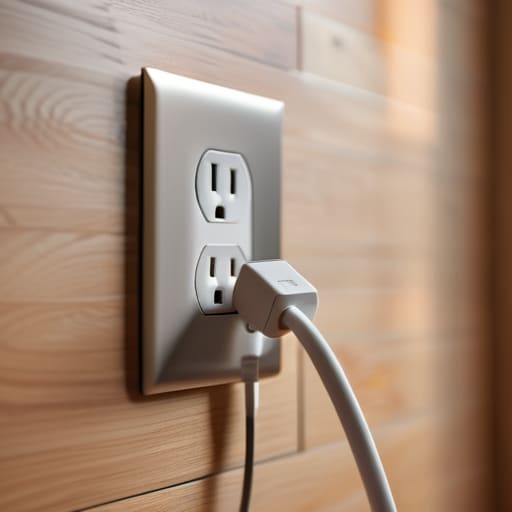
  • Checking Smart Plug Compatibility

    Checking Smart Plug Compatibility

    I was sitting at my workbench last Tuesday, surrounded by the warm glow of a vintage Marantz receiver, when I realized I’d made the same mistake most people make: I’d bought a smart plug that refused to acknowledge my existing hub existed. It’s infuriating. You see these glossy advertisements promising a “seamless lifestyle,” but they never mention the headache of checking smart plug compatibility before you hand over your hard-earned cash. Most of these gadgets are nothing more than expensive plastic designed to clutter your network rather than simplify your life. If a manufacturer can’t tell you exactly how a device will play with your current setup, they’re just hoping you’ll be too busy to notice the flaw.

    I’m not here to sell you on the latest tech hype or some complicated cloud-based ecosystem that requires a software engineer to operate. My goal is simple: I want to help you identify which devices are built to last and which ones will end up in a junk drawer within a month. I’ll walk you through the actual specs you need to look for so you can stop wasting money on hardware that doesn’t talk to your home. We’re going to focus on reliability, not bells and whistles.

    Table of Contents

    The Truth About Matter Protocol Smart Plugs and Reliability

    The Truth About Matter Protocol Smart Plugs and Reliability

    I’ve been seeing a lot of marketing buzz lately about the “Matter” standard, promising it’s the silver bullet for all our connection headaches. Now, don’t get me wrong, the idea of universal smart plug standards is something any engineer can get behind. In theory, it should mean you can pick up a device without worrying if it’ll play nice with your existing hub. But if you ask me, we need to be cautious. We’ve seen plenty of “revolutionary” protocols come and go, leaving nothing behind but a drawer full of paperweights.

    The reality is that even with Matter protocol smart plugs hitting the shelves, reliability isn’t guaranteed just because there’s a logo on the box. I’ve spent enough time with a multimeter to know that a software handshake is one thing, but consistent hardware performance is another entirely. You might find that a plug works perfectly with your phone but loses its mind the moment your router decides to reboot. Before you go out and replace every outlet in your house, make sure the manufacturer has a proven track record of stability, not just a fancy new sticker on the packaging.

    Zigbee vs Z Wave Compatibility What Actually Works Together

    Zigbee vs Z Wave Compatibility What Actually Works Together

    Now, let’s get into the real weeds: the battle between Zigbee and Z-Wave. If you’ve spent any time looking at these boxes, you’ve likely seen those logos, but here is the practical reality. Zigbee is common, cheap, and works well for most people, but it operates on the same 2.4GHz frequency as your Wi-Fi. That means if your router is acting up, your plugs might too. Z-Wave, on the other hand, operates on a much lower frequency. It’s more reliable because it doesn’t fight with your Netflix stream for bandwidth, but you’ll pay a premium for it. When weighing Zigbee vs Z-Wave compatibility, don’t just look at the price tag; look at your home’s signal congestion.

    The biggest mistake I see people make is buying a handful of plugs without checking their hub first. If you have an Amazon Alexa smart plug integration setup, you might be fine with certain Zigbee models, but if you’re a stickler for local control and zero latency, Z-Wave is the professional’s choice. Don’t let a salesperson tell you they’re interchangeable. They aren’t. If your hub doesn’t support the specific radio frequency of the plug, you’ve just bought a very expensive paperweight.

    Five Rules to Save You From a Box Full of Expensive Plastic

    • Check the power rating before you buy. Most people see “smart plug” and think it’s a universal solution, but if you try to run a heavy-duty space heater through a cheap, low-amperage plug, you aren’t just wasting money—you’re creating a fire hazard. Read the fine print on the wattage limits.
    • Stop assuming “works with Alexa” means it will actually work with your specific setup. That phrase is marketing fluff. It just means the plug can talk to the cloud; it doesn’t guarantee it will play nice with your local hub or your specific automation routines without a massive headache.
    • Stick to a single ecosystem if you value your sanity. I’ve seen too many folks buy a handful of Zigbee plugs, a couple of Wi-Fi ones, and a Z-Wave unit, only to realize they need three different apps just to turn on a lamp. Pick a lane and stay in it.
    • Look for local control options. If a smart plug requires a constant connection to a server halfway across the world just to toggle a light switch, it’s a piece of junk. If your internet goes down, your “smart” home shouldn’t turn into a dark, useless brick.
    • Verify the physical footprint. I’ve spent more time than I’d like to admit wrestling with plugs that are so bulky they block the second outlet on a standard wall socket. If it’s going to hog the whole outlet, it’s not a tool; it’s an obstacle.

    Bottom Line: Don't Get Fooled by the Box

    Read the fine print on the packaging before you hit ‘buy’; if it doesn’t explicitly list your specific hub or ecosystem, it’s going to be a headache you don’t need.

    Prioritize protocols like Matter or Zigbee over cheap Wi-Fi plugs that clutter your router and eventually fail when the manufacturer stops supporting their app.

    Buy for the long haul by checking for local control capabilities—if the plug requires a constant internet connection just to turn on a lamp, it’s poorly engineered junk.

    ## The Real Cost of "Smart" Incompatibility

    I’ve seen enough poorly engineered gadgets to know that if a manufacturer won’t tell you exactly which hub or protocol a device uses right on the box, they’re probably just hoping you’ll buy it and deal with the headache later. Don’t fall for it; a smart plug that won’t talk to your existing system isn’t a convenience—it’s just an expensive paperweight.

    Roland Delacroix

    Don't Get Caught Buying Junk

    Don't Get Caught Buying Junk smart tech.

    Look, I’ve seen enough “revolutionary” tech end up in the junk drawer to know that compatibility isn’t just a technical detail—it’s the difference between a functioning home and a pile of useless hardware. If you want your smart plugs to actually do what they’re supposed to, you have to do the legwork upfront. Stick to protocols like Matter if you want some semblance of a future-proof setup, and for heaven’s sake, stop assuming everything will just work simply because the box has a pretty logo on it. Check your hubs, verify your Zigbee or Z-Wave mesh, and make sure you aren’t buying into a closed ecosystem that will lock you out the moment the manufacturer decides to pivot. If it doesn’t clearly state its compatibility, treat it as a red flag.

    At the end of the day, your home should serve you, not the other way around. You shouldn’t have to spend your weekends troubleshooting a light switch that refuses to talk to your thermostat. Technology is supposed to be a tool that makes life smoother, not a second job that requires a manual and a prayer to operate. Buy things that are built to last, prioritize reliable connectivity over flashy gimmicks, and always keep a close eye on the specs. You’ve worked too hard for your money to let it disappear into a sea of expensive, incompatible plastic.

    Frequently Asked Questions

    Will these smart plugs actually work with my old router, or am I going to have to buy a new hub just to get them to turn on?

    Listen, I’ve seen this mistake a dozen times. If you’re buying standard Wi-Fi plugs, your old router will likely handle them, provided you aren’t trying to shove fifty devices onto a cheap ISP-provided box. But if those plugs are Zigbee or Z-Wave, they won’t talk to your router at all. You’ll need a dedicated hub to act as the translator. Don’t buy the hardware until you know exactly how it plans to connect.

    If I buy a handful of these plugs today, are they going to be obsolete in two years when the next "standard" comes out?

    Look, I get the hesitation. I’ve seen enough “revolutionary” tech end up in a junk drawer to be wary. If you buy plugs that only work with one specific, closed-off app, then yes, you’re buying future landfill. But if you stick to Matter-enabled devices or reliable Zigbee hardware, you’re building on a foundation. You aren’t buying a gadget; you’re buying a component. Buy for the protocol, not the brand name, and you’ll be fine.

    How do I know if a plug is rated for my heavy-duty appliances, or if it's just cheap plastic that's going to overheat and fail?

    Look at the fine print on the back of the unit, not the flashy box. You’re looking for the amperage rating—specifically, the “continuous load” rating. If you’re plugging in a space heater or a coffee maker, don’t settle for anything less than 15 amps. Most of these cheap, flimsy plugs are rated for light bulbs, not heavy machinery. If the specs are vague or missing, leave it on the shelf. It’s not worth a house fire.

  • Finding the Best Budget Laptops for Everyday Use

    Finding the Best Budget Laptops for Everyday Use

    I’ve spent the better part of my life looking at blueprints and stress-testing components, so I have a low tolerance for junk. These days, I see manufacturers pumping out these flimsy, lightweight machines that feel like they’ll snap in half if you look at them sideways. It’s frustrating because most people aren’t looking for a supercomputer; they just want a reliable machine that doesn’t die after six months of basic use. When you start searching for the best budget laptops, you’re usually met with a mountain of marketing fluff designed to hide shoddy build quality behind a few bright colors and a high-resolution screen.

    I’m not interested in helping you spend money on expensive plastic that’s destined for a landfill. In this guide, I’ve narrowed things down to five specific machines that actually offer some semblance of engineering integrity. I’ve looked past the flashy gimmicks to find the hardware that provides real value for your hard-earned cash. By the time you finish reading this, you’ll know exactly which models offer the sturdy reliability you need and which ones are just overpriced paperweights.

    Table of Contents

    The Workhorse That Won't Quit: Acer Aspire 5

    The Workhorse That Won't Quit: Acer Aspire 5

    When I first cracked the lid on this machine, I wasn’t looking for a light show; I was looking for something that felt like it had some actual substance to it. Most budget laptops feel like they were made out of recycled milk jugs, but the Aspire 5 manages to strike a decent balance between cost and structural integrity. The keyboard has a tactile snap that I appreciate, and it doesn’t feel like you’re typing on a wet sponge.

    Built for the Classroom: ASUS Vivobook 16

    Built for the Classroom: ASUS Vivobook 16

    I’ve seen a lot of students walk into shops looking for the cheapest thing on the shelf, only to have it fall apart by midterms. The Vivobook is my way of telling them to look for a bit more screen real estate if they want to actually be productive. The 16-inch display is a welcome change from the cramped, tiny panels you usually find in this price bracket, making it much easier to keep two windows open side-by-side.

    The Reliable Minimalist: Lenovo IdeaPad Slim 3

    The Reliable Minimalist: Lenovo IdeaPad Slim 3

    There is a certain beauty in simplicity, and Lenovo seems to understand that with the Slim 3. It isn’t trying to be a gaming rig or a piece of art; it’s a tool designed for utility. The footprint is small enough to slide into a briefcase, and the weight distribution feels balanced and intentional. I’ve always believed that if a device is too complicated, people won’t use it properly, and this machine follows that logic to a T.

    The Surprising Value: HP Laptop 15

    HP has a habit of making things that look a little too “consumer-grade” at first glance, but once you dig into the specs, there’s some real value buried under the hood. The 15-inch model I tested has a decent amount of processing headroom for the price, which means you won’t be fighting the hardware just to watch a high-definition video. It’s a practical choice for the home office where you need something that stays out of your way.

    The Compact Contender: Acer Swift Go 14

    If you’re the type of person who is constantly on the move, you need something that doesn’t feel like a brick in your bag. The Swift Go 14 is a bit of a departure from the heavier budget models, offering a much more refined portability. It’s clearly aimed at people who value their mobility, and the aluminum-feel finish gives it a touch of class that most budget machines completely lack.

    The Bottom Line: Don't Get Fooled by the Spec Sheet

    Stop chasing the highest numbers on a marketing flyer; a fast processor is useless if the chassis is made of cheap, flimsy plastic that flexes every time you type.

    Prioritize build quality and port selection over “ultra-thin” designs, because you’ll regret losing a reliable USB port more than you’ll enjoy having an extra millimeter of desk space.

    Buy for the task at hand, not the hype—if you just need a machine for emails and spreadsheets, a mid-range workhorse with a solid keyboard is worth far more than a flashy, overpriced gadget.

    The Engineer's Bottom Line

    “Don’t let a marketing department convince you that a thinner chassis or a brighter screen makes a machine better. I’ve spent enough time looking at schematics to know that a ‘budget’ laptop is only a bargain if the hinge doesn’t snap in six months and the processor doesn’t throttle the moment you open more than three tabs.”

    Roland Delacroix

    The Bottom Line on Budget Laptops

    At the end of the day, finding a decent machine doesn’t require you to empty your savings account or settle for a piece of junk. We’ve looked at several options that strike a balance between reasonable pricing and actual utility, but the takeaway remains the same: you have to look past the marketing fluff. Whether you go with a reliable workhorse for basic tasks or a slightly more capable unit for light multitasking, the goal is to find a device with solid build quality and a processor that won’t choke the moment you open more than three tabs. Don’t let a manufacturer convince you that you need the latest bells and whistles if all they really are is expensive plastic that will crack in your bag within six months.

    I’ve spent enough time in manufacturing to know that a tool is only as good as its reliability. A laptop is no different; it’s a tool meant to serve you, not a status symbol meant to impress your neighbors. If you buy something that functions predictably and lasts more than a single season, you’ve already won the game. Stop chasing the hype and start looking for the mechanical integrity that actually matters. Buy something that works, treat it with a bit of respect, and you won’t find yourself staring at a broken screen and a wasted paycheck a year from now.

    Frequently Asked Questions

    Is it worth spending an extra hundred dollars to get more RAM, or can I just upgrade it myself later if the machine allows it?

    Look, don’t let them upsell you on a premium RAM configuration right out of the box if the machine allows for manual upgrades. I’ve seen enough modular systems to know that a $100 markup for an extra 8GB is highway robbery. Check the specs first; if it has accessible SODIMM slots, buy the base model and spend that hundred bucks on a decent kit of memory yourself. It’s cheaper, and you know exactly what’s inside.

    How much does the build quality actually matter if I'm only using the laptop on my desk most of the time?

    Look, I get the logic. If it sits on a desk, it isn’t taking a beating, right? Wrong. Even a stationary machine deals with thermal expansion, vibration, and the simple reality of hinges that fatigue over time. A cheap, flimsy chassis flexes when you type, which puts unnecessary stress on the motherboard and internal connections. I’ve seen too many “stationary” laptops die prematurely because the build quality couldn’t handle basic heat or minor movement. Don’t skimp.

    Should I be worried about these cheaper processors becoming obsolete in a year or two, or are they sufficient for basic daily tasks?

    Look, I get the anxiety. You see a lower spec sheet and think you’re buying a paperweight. But here’s the reality: if you’re just browsing the web, checking emails, or running a spreadsheet, a modest processor isn’t going to hit a wall in twelve months. It’s about matching the tool to the job. Don’t overbuy for power you’ll never use, but don’t buy a chip so weak it can’t open a PDF.

  • Choosing a Smartwatch Designed for Running

    Choosing a Smartwatch Designed for Running

    I’ve spent thirty years looking at blueprints and stress-testing components, so I have a low tolerance for gear that falls apart the moment you actually put it to work. These days, I see manufacturers slapping a shiny screen on a flimsy chassis and calling it “innovation,” but when you’re five miles into a trail, you don’t care about touch-screen sensitivity—you care about reliability. Most people go out and buy the most expensive gadget on the shelf, only to realize they’ve purchased a glorified paperweight that can’t track a simple heart rate or survive a bit of sweat. Finding the best smartwatches for running shouldn’t feel like a gamble, yet the market is currently flooded with expensive plastic that promises the world and delivers nothing but frustration.

    I’m not here to sell you on the latest marketing hype or some flashy interface that requires a manual to navigate. Instead, I’ve put my notepad to work to vet the hardware that actually stands up to the rigors of a real training regimen. In this list, I’m breaking down five specific models that prioritize build quality and data accuracy over bells and whistles. You’ll learn exactly which devices offer the ruggedness you need and which ones are just a waste of your hard-earned money.

    Table of Contents

    The Workhorse You Can Trust: Garmin Forerunner 965

    The Workhorse You Can Trust: Garmin Forerunner 965

    I’ve spent enough time around heavy machinery to know that if a tool doesn’t have a solid feedback loop, it’s useless. The Forerunner 965 is built for people who actually want to track data, not just look at a pretty screen. The GPS accuracy is exceptionally reliable, which is the one thing you can’t compromise on when you’re trying to map a long trail. I don’t care about fancy social media integrations; I care that the sensor knows exactly where I am when I’m pushing through a heavy rainstorm.

    Built Like a Tank: COROS Vertix 2

    Built Like a Tank: COROS Vertix 2

    If you’re the type of person who treats their gear like it’s going through a stress test, you’ll appreciate the COROS Vertix 2. It doesn’t feel like a toy. When I held this, I felt a sense of structural integrity that most modern smartwatches completely lack. It’s designed for the extreme environments, and frankly, it’s one of the few devices I’ve tested that doesn’t feel like it’s going to crack if you bump it against a rock.

    The Precision Instrument: Polar Vantage V3

    The Precision Instrument: Polar Vantage V3.

    In my engineering days, we lived and died by the precision of our measurements. The Polar Vantage V3 approaches running with that same level of scientific rigor. The heart rate monitoring and recovery data aren’t just guesses; they are calculated metrics that actually mean something for your training load. It’s a device for the person who wants to understand the “why” behind their physical performance.

    The All-Rounder: Apple Watch Ultra 2

    I’ll admit, I was skeptical about Apple when they released their “rugged” line. I expected more of the same polished glass and aluminum that falls apart the moment you take it off the paved path. However, the Ultra 2 is a notable departure from their standard consumer fare. The casing is substantial, and the dual-frequency GPS actually holds its own when you’re running between tall buildings or under heavy tree cover.

    The Budget-Friendly Reliable: Garmin Forerunner 55

    Not everyone needs a computer strapped to their arm to go for a jog, and frankly, most people don’t. The Forerunner 55 is my recommendation for anyone who wants to avoid wasting money on features they’ll never touch. It’s simple, it’s effective, and it focuses on the fundamentals: pace, distance, and heart rate. It’s the “no-nonsense” option in a market full of distractions.

    Bottom Line: Don't Get Swayed by the Flash

    Ignore the marketing fluff about “lifestyle features” and focus on sensor accuracy and battery life; if the GPS drifts or the battery dies halfway through a long run, the watch is nothing more than a glorified bracelet.

    Look for build quality that lasts, specifically reinforced casing and high-quality straps, because a watch that feels like a toy won’t survive the sweat and impact of real training.

    Buy for the utility you actually need, not the bells and whistles you’ll never use; a tool should serve your purpose, not require you to spend your post-run hours troubleshooting software.

    The Bottom Line on Wrist-Bound Tech

    I don’t care how many colorful graphs or “smart” notifications a watch promises you; if the GPS drops out when you’re three miles into a trail and the strap feels like it’s made of cheap recycled soda bottles, it’s not a tool—it’s a distraction. Buy for the sensor accuracy and the build quality, not the marketing fluff.

    Roland Delacroix

    The Bottom Line

    Look, I’ve spent enough time looking at blueprints to know that a tool is only as good as its weakest component. When you’re out on a trail or hitting the pavement at five in the morning, you don’t need a device that’s trying to be a miniature computer; you need something that tracks your metrics without failing when the sweat starts pouring. Whether you decide to go with the rugged durability of a Garmin or the refined interface of a specialized runner’s watch, make sure you are prioritizing build quality over flashy gimmicks. I’ve seen too many people get lured in by colorful screens only to find out the battery dies halfway through a long run. Stick to the hardware that offers reliable data and long-term durability, and you won’t find yourself back in the store three months later looking for a replacement.

    At the end of the day, a smartwatch is just a piece of equipment, much like a good pair of running shoes or a well-maintained bicycle. It shouldn’t be the main event; it should be the silent partner that helps you understand your progress. Don’t let the marketing departments convince you that you need every single sensor on the market to make a difference. Focus on your training, keep your gear maintained, and use the technology to support your goals, not distract from them. Get out there, put the miles in, and let the real results speak for themselves.

    Frequently Asked Questions

    How much does the battery life actually matter if I'm only running for an hour at a time?

    Look, if you’re only hitting the pavement for sixty minutes, you don’t need a battery that lasts a month. But don’t make the mistake of thinking a short run means you can ignore the specs. If you’re running with GPS enabled—which you should be if you want actual data—that battery drains much faster than the box claims. I’ve seen too many guys get halfway through a route only to have a dead screen. Get something with decent overhead so you aren’t tethered to a charging cable every other day.

    Do I really need a specialized running watch, or will a standard fitness tracker get the job done without the extra cost?

    Look, if you’re just walking the dog or hitting a light jog around the block, a basic fitness tracker is fine. But if you’re actually training, you need more than just a step counter. A real running watch gives you GPS accuracy and recovery data that a cheap plastic band simply can’t track reliably. Don’t settle for guesswork; if you’re putting in the miles, invest in a tool that actually measures your progress.

    How do I know if the GPS is actually accurate or if it's just guessing my position through the trees?

    Look, don’t just take the manufacturer’s word for it; they’ll tell you anything to move units. To see if your watch is actually tracking or just guessing, compare its data against a dedicated handheld GPS unit or even a high-end smartphone app like Strava. If your watch shows you cutting through buildings or zig-zagging through thickets where no trail exists, that’s a failure in the sensor or the antenna design. It’s cheap guesswork, not engineering.

  • Best Drones for Beginner Pilots

    Best Drones for Beginner Pilots

    I was out in the backyard last Saturday, watching my grandson try to pilot one of those “entry-level” gadgets he bought online, when I heard that sickening crack of cheap polycarbonate hitting a tree branch. It’s the same story every time: some marketing department wraps a handful of flimsy sensors in a shiny shell and calls it a high-tech marvel. Most people looking for a drone for beginners end up buying a glorified paperweight that’s too sensitive to fly in a light breeze and too fragile to survive a single mistake. I’ve spent thirty years looking at mechanical tolerances and build quality, and frankly, most of this modern tech is built to fail.

    I’m not here to sell you on the latest flashy trend or some overhyped piece of junk that requires a computer science degree just to get off the ground. My goal is simple: I want to help you find a machine that actually stays in the air and survives the learning curve. I’m going to walk you through the specs that actually matter—from motor durability to battery reliability—so you can spend your hard-earned money on something that works.

    Table of Contents

    The Truth About Best Budget Drones for New Pilots

    The Truth About Best Budget Drones for New Pilots.

    Look, I see these colorful boxes in every big-box retailer, promising “professional aerial photography” for under a hundred bucks. Let me save you the heartache: most of them are nothing more than glorified paperweights. When you’re looking for the best budget drones for new pilots, you shouldn’t be looking at the flashy marketing; you need to look at the build. Most of these cheap units use lightweight, brittle plastics that can’t handle even a light breeze, let alone a real flight session. If you want to actually learn the mechanics of flight without breaking your bank account, you need something with a decent stabilizer, not just a toy that drifts aimlessly.

    When you’re figuring out how to choose your first drone, don’t get blinded by a high megapixel count on a cheap sensor. A high number on a spec sheet means nothing if the gimbal is non-existent and the image looks like a blurry mess. I always tell people to prioritize flight stability and control responsiveness over a fancy camera. You can’t take a good photo if you can’t keep the damn thing steady in the air. Stick to brands that actually support their hardware, or you’ll be left holding a useless piece of junk the first time you hit a gust of wind.

    Dont Get Fooled by a Fake Drone Camera Quality Guide

    Dont Get Fooled by a Fake Drone Camera Quality Guide

    You’ll see these marketing sheets everywhere, boasting about “4K resolution” and “ultra-high definition” in bright, neon lettering. Most of the time, it’s nothing more than a clever way to sell you a glorified webcam. I’ve seen plenty of these cheap units that claim 4K on the box, but once you actually pull the footage onto a real monitor, it looks like a grainy mess from a 1990s home movie. If you’re looking for a legitimate drone camera quality guide, stop looking at the megapixel count and start looking at the sensor size and the bit rate. A high megapixel count on a tiny, cheap sensor is just a way to manufacture fake detail that disappears the moment the sun goes behind a cloud.

    Don’t let the spec sheet bully you. When you’re learning how to choose your first drone, you need to realize that a high resolution doesn’t matter if the gimbal is non-existent. Without a mechanical stabilizer, every single vibration from the motors is going to make your video look like it was filmed during an earthquake. Invest in stability, not just numbers.

    Five Things They Won't Tell You in the Sales Brochure

    • Check the build material before you click ‘buy.’ If the frame feels like a cheap toy from a cereal box, it’s going to snap the first time you catch a gust of wind. Look for reinforced plastics or carbon fiber components; you want something that can take a minor bump without turning into scrap metal.
    • Stop obsessing over the megapixel count on the box. A 4K camera is useless if the gimbal—the little motorized stabilizer—is made of junk. If the gimbal is flimsy, your footage will look like a shaky mess, no matter how many megapixels the sensor claims to have.
    • Don’t ignore the battery life specs. Manufacturers love to quote “30 minutes of flight time,” but that’s under perfect laboratory conditions with zero wind. In the real world, you’re lucky to get twenty. Always plan to have at least three batteries on hand, or you’ll spend more time staring at a charging cable than actually flying.
    • Buy a drone that has replaceable parts available. I’ve seen too many guys throw away a perfectly good machine just because they cracked a single propeller or a landing gear strut. If you can’t find spare parts on a basic website, you aren’t buying a tool; you’re buying a disposable paperweight.
    • Learn the manual controls before you rely on “Auto-Pilot” features. These gadgets are getting smarter, but software fails, and sensors get confused by sunlight or trees. You need to know how to override the computer and bring that machine home manually if the smart features decide to take a nap.

    The Bottom Line: What to Look for Before You Buy

    Prioritize flight stability and GPS over fancy software features; if the hardware can’t hold a steady hover in a light breeze, the most expensive camera in the world won’t save your footage.

    Ignore the marketing jargon about “4K resolution” on cheap models—most of those budget drones are just upscaling low-quality sensors, so check the actual sensor size and bit rate if you care about clarity.

    Invest in a controller that feels solid in your hands and has a decent range, because there’s nothing more frustrating than a flimsy piece of plastic that loses connection the moment you fly fifty feet away.

    The Engineering Reality of Your First Flight

    Before you look at the resolution of the camera or the flashy lights on the casing, look at the build quality; a beginner doesn’t need a cinematic masterpiece, they need a machine that won’t shatter into a hundred pieces of useless plastic the first time they hit a slight breeze.

    Roland Delacroix

    Bottom Line: Don't Get Swept Up in the Hype

    Bottom Line: Don't Get Swept Up in the Hype.

    Look, I’ve seen enough “cutting-edge” gadgets turn into paperweights within six months to know that you shouldn’t take every marketing claim at face value. If you’ve followed my notes, you know the drill: ignore the inflated megapixel counts that don’t mean a thing without a decent sensor, and stay far away from those bottom-of-the-barrel “toy” drones that lack any real stabilization. Focus on the build quality and the actual flight stability rather than the flashy box art. You want a machine that can handle a bit of wind and won’t fall apart the first time you land it on a patch of gravel. Stick to brands that offer reliable hardware and serviceable parts, because when something inevitably breaks, you’ll want to fix it, not throw it in the bin.

    At the end of the day, getting into drone flying should be about the view from above, not the stress of managing a piece of junk. Don’t let the fear of making a “wrong” choice keep you on the sidelines, but don’t let your wallet dictate a bad decision either. Buy something that offers genuine utility and enough durability to survive your learning curve. Once you get a solid machine in the air, you’ll realize that the real joy isn’t in the specs on a spreadsheet—it’s in the steady flight and the perspective it gives you. Now, grab your gear, get outside, and see what you can do.

    Frequently Asked Questions

    How much battery life am I actually going to get before I'm stuck walking back to my starting point?

    Here’s the reality: if the box says 30 minutes, you’re going to get about 22, tops. Between fighting a headwind and the power draw from the camera, that number drops fast. I always tell people to plan for a 25% buffer. If you fly until the low-battery alarm screams, you aren’t flying—you’re panic-landing. Don’t trust the marketing specs; trust the math. Buy an extra battery so you aren’t walking home.

    Do I really need to spend hundreds more for GPS stabilization, or can I fly a basic model without crashing immediately?

    Listen, I’ve seen enough hobbyists lose a hundred-dollar investment in thirty seconds to give you a straight answer: Get the GPS. Without it, you’re essentially trying to balance a spinning plate on a toothpick during a breeze. A basic model without GPS relies on “optical flow” or nothing at all, meaning the moment a gust hits, your drone is gone. Pay the extra bit for stabilization; it’s much cheaper than buying a replacement.

    Is there a way to tell if a drone is built with actual components or if it's just a glorified toy made of cheap, brittle plastic?

    Look at the weight and the joints. If it feels light as a feather and the casing flexes when you squeeze it, walk away. You want to see screws, not just plastic tabs snapped together; those tabs will crack the first time you land a bit hard. Check the motor housings, too. Real components have some heft and solid mounting. If it feels like a glorified toy, it’s going to fly like one.

  • Choosing a Graphics Card for Your Computer

    Choosing a Graphics Card for Your Computer

    I was sitting at my workbench last Tuesday, surrounded by the smell of solder and old capacitors, when I saw another one of those glossy, overproduced videos claiming that you need a five-figure budget just to run a decent simulation or game. It drives me up the wall. These manufacturers spend millions on marketing to make you believe that more VRAM and higher clock speeds are the only things that matter, but they’re often just selling you expensive plastic wrapped in RGB lights. Most of the “expert” advice you’ll find in a standard graphics card guide online is designed to separate you from your hard-earned money, focusing on flashy benchmarks that don’t actually reflect how a component holds up after six months of real-world use.

    I’m not here to spout marketing jargon or tell you which card has the prettiest glow. My goal is to provide a practical, engineering-focused graphics card guide that prioritizes build quality and thermal reliability over hype. I’m going to show you how to look past the spec sheets to find the hardware that actually delivers consistent performance without overheating or failing when you need it most. We’re going to find you a tool that works, not a toy that breaks.

    Table of Contents

    Vram Capacity Explained More Isnt Always Better

    Vram Capacity Explained More Isnt Always Better

    You’ll see manufacturers slapping massive numbers on the box—12GB, 16GB, even 24GB—to make you think more is always better. It’s a classic marketing trick. In my experience, VRAM is just a workspace; it’s the high-speed desk where your GPU lays out textures and data. If your desk is too small, things slow down, but having a desk the size of a football field doesn’t make you work any faster if you’re only using a pencil and paper.

    When I’m looking at vram capacity explained in a practical sense, I look at the resolution you’re actually running. If you’re playing at 1080p, a card with 8GB is often plenty. However, if you start pushing 4K textures or heavy ray tracing technology, that memory demand spikes. The danger isn’t just running out of space; it’s the mismatch. If you pair a massive amount of VRAM with a weak processor, you’re just bottlenecking your system elsewhere. Don’t pay a premium for extra memory that your specific setup will never actually utilize.

    Nvidia vs Amd Comparison Finding Real Reliability

    Nvidia vs Amd Comparison Finding Real Reliability

    Now, let’s get into the real debate: the Nvidia vs AMD comparison. I’ve seen plenty of people get caught up in the marketing wars, but as an engineer, I look at the architecture. Nvidia is the heavy hitter when it comes to feature sets. If you’re someone who actually cares about ray tracing technology and wants those realistic light reflections, Nvidia is generally going to provide a more stable experience. They’ve spent a lot of coin perfecting their software ecosystem, which means fewer headaches when you’re just trying to get a game to run without crashing.

    However, don’t go thinking AMD is just a budget afterthought. If you look at the raw numbers and pure value, AMD often gives you more “bang for your buck” in terms of raw rasterization. They tend to be more generous with their memory allocations, which can help avoid certain performance dips. My advice? Don’t just chase the brand name. Look at the gpu benchmarks for gaming specific to the titles you actually play. One brand might dominate in a shooter, while the other excels in a simulation. Buy for the workload, not the logo.

    Five Things to Check Before You Open Your Wallet

    • Don’t let the box art fool you; check your power supply first. I’ve seen too many folks buy a high-end card only to realize their old power unit can’t handle the draw, turning a premium upgrade into a literal fire hazard.
    • Look past the RGB lighting and check the cooling shroud. If the heatsink looks thin and the fans are made of cheap, flimsy plastic, that card is going to thermal throttle the second you put it under a real load.
    • Verify your case dimensions with a physical ruler. These modern cards are getting absurdly long and thick; there is nothing more frustrating than unboxing a piece of hardware only to find it won’t even fit in your chassis.
    • Match the card to your monitor’s resolution. Buying a top-tier powerhouse for a standard 1080p screen is like putting a jet engine in a lawnmower—it’s a complete waste of your hard-earned money.
    • Prioritize driver stability over raw benchmarks. A card that’s 5% faster on paper means nothing if the software crashes every time you try to run a heavy application; stick to brands with a proven track record of reliable software support.

    The Bottom Line: Don't Get Fooled by the Spec Sheet

    Stop chasing the highest VRAM numbers on the box; if the chip itself isn’t powerful enough to handle the workload, extra memory is just wasted silicon and extra heat.

    Choose your brand based on driver stability and long-term support rather than just following the latest marketing hype or temporary benchmark spikes.

    Always prioritize build quality—look for robust cooling solutions and solid power delivery components instead of settling for cards wrapped in cheap, thin plastic.

    ## The Bottom Line on Hardware

    “Stop looking at the glowing RGB lights and the flashy marketing jargon; if you want a card that actually lasts, you look at the cooling solution, the power draw, and whether the build quality justifies the price tag.”

    Roland Delacroix

    Cutting Through the Marketing Fluff

    Cutting Through the Marketing Fluff for GPUs.

    At the end of the day, choosing a graphics card shouldn’t feel like you’re being asked to solve a calculus equation just to play a game. We’ve looked at why you shouldn’t let massive VRAM numbers trick you into buying more than you actually need, and we’ve weighed the merits of Nvidia and AMD based on actual stability rather than just flashy benchmarks. My advice remains the same: look past the RGB lights and the aggressive marketing slogans. Focus on the core specs that match your monitor’s resolution and your specific workload. If you buy based on build quality and real-world utility instead of hype, you won’t find yourself staring at a piece of overpriced plastic in eighteen months when the drivers start acting up.

    I know it’s easy to get overwhelmed by the sheer volume of technical jargon thrown at you these days, but remember that you are the one holding the wallet. You don’t need the most expensive piece of silicon on the market to have a great experience; you just need the right tool for the job. Take my notes, check your requirements twice, and don’t be afraid to walk away from a deal that feels too good to be true. Invest in hardware that is built to last, and you’ll spend much less time troubleshooting and much more time actually enjoying what you’ve built.

    Frequently Asked Questions

    How much power does my current power supply actually need to handle a new card without blowing a fuse?

    Look, don’t just eyeball the wattage on the box and call it a day. You need to check your power supply’s actual rail stability and the specific connector types. Most modern cards demand dedicated PCIe cables—don’t go using those cheap daisy-chain splitters to save space. Grab your manual, find the Total System Power draw, and add a 150-watt buffer. If your PSU is a generic, unbranded unit, throw it out; it’s not worth the fire risk.

    Do I really need to spend extra money on liquid cooling, or is a decent air cooler enough for daily use?

    Listen, unless you’re trying to run a high-end workstation 24/7 or you’re obsessed with silent operation, save your money. For daily use, a high-quality air cooler is the smarter play. It’s got fewer moving parts to fail, no pumps to die, and no risk of a leak ruining your motherboard. Liquid cooling is mostly flash and marketing. If you want reliability and ease of maintenance, stick to a beefy heatsink and a good fan.

    Will a high-end card actually make a difference if I'm still using an older monitor?

    Look, I’ve seen this mistake more times than I can count. If you’re pairing a top-tier GPU with an old 1080p monitor, you’re essentially putting a Ferrari engine inside a lawnmower. You might get higher frame rates, but you won’t actually see the difference. It’s a massive waste of capital. Unless you plan on upgrading your display to a higher resolution or refresh rate soon, save your money and stick with something mid-range.

  • Choosing an Action Camera for Outdoor Activities

    Choosing an Action Camera for Outdoor Activities

    I was out on the lake last summer with my grandson, trying to capture a decent shot of him on the jet ski, when my “top-of-the-line” camera decided it was a great time to develop a fogged lens and a frozen interface. It’s the same old story: you pay a premium for a sleek piece of hardware, only to realize it’s mostly expensive plastic held together by marketing promises. Most of the action camera advice you’ll find online is written by people who have never actually dropped a device in salt water or bumped it against a granite rock. They want to sell you on megapixels and software gimmicks, but they don’t tell you about the build quality or the battery life when the temperature actually drops.

    I’m not here to recite a spec sheet to you. My goal is to give you the straight truth based on how these things actually hold up when you’re out in the field. I’m going to show you how to spot the difference between a rugged tool and a fragile toy, so you can stop wasting money on gear that fails when you need it most.

    Table of Contents

    Dont Get Fooled by Hype Rugged Camera Durability Matters

    Dont Get Fooled by Hype Rugged Camera Durability Matters

    I’ve seen it a dozen times in the manufacturing sector: a company spends millions on a flashy marketing campaign, only for the actual hardware to fail under basic stress. It’s the same with these new gadgets. You’ll see a dozen influencers raving about the latest model, but they aren’t the ones dropping it on a granite slab or letting it sit in a salt-water spray. When I look at a device, I don’t care about the colorful packaging; I care about the chassis integrity and the seals around the buttons.

    If you’re hunting for the best action cameras for extreme sports, you have to look past the spec sheet. A high megapixel count doesn’t mean a thing if the housing cracks the first time you clip it to a mountain bike. You need to verify the rugged camera durability by checking the actual build materials—look for reinforced polymers or metal frames rather than that thin, hollow-feeling plastic that’s become so common. If it feels like a toy in your hand, it’s going to act like a toy when things get rough.

    Finding the Best Action Cameras for Extreme Sports

    Finding the Best Action Cameras for Extreme Sports.

    When you’re out there pushing your limits, you don’t have time to fiddle with a menu to figure out why your footage looks like a blurry mess. If you’re hunting for the best action cameras for extreme sports, you need to look past the marketing fluff and focus on the sensor and the housing. I’ve seen too many guys buy a camera that claims to be “pro-grade” only to find out it can’t handle a bit of vibration or a sudden drop in temperature.

    You also need to be realistic about your power source. I always tell people to look at the specs for thermal management; a camera that overheats after ten minutes of recording is just a very expensive paperweight. I’ve spent more time than I care to admit researching action camera battery life tips just to ensure I don’t end up with a dead unit halfway through a descent. Don’t just settle for the highest numbers on the box—make sure the hardware can actually sustain the workload without quitting on you when things get intense.

    Five Things They Won't Tell You in the Sales Brochure

    • Stop obsessing over megapixels and start looking at the sensor size. A high megapixel count on a tiny, cheap sensor just means you’re capturing a lot of digital noise and grain. If you want a clear image when the sun goes down, you need a sensor that can actually handle light, not just a marketing number that looks good on a box.
    • Check the mounting points before you buy. I’ve seen too many people buy a “rugged” camera only to realize the mounting bracket is made of thin, brittle plastic that snaps under pressure. Look for solid, standardized threading or heavy-duty clips. If the connection between the camera and your gear is weak, the whole device is useless.
    • Don’t forget about battery life and heat management. These little gadgets run hot—sometimes too hot. If you’re planning on filming a long ride or a hike, check if the camera has a reputation for shutting down when it gets warm. Also, buy extra batteries; a camera is only as good as its power supply, and one single battery isn’t going to cut it.
    • Look past the “waterproof” label and check the actual depth rating. There is a massive difference between something that can handle a splash and something that can survive a dive. If you’re taking it underwater, read the fine print. I’d rather spend a little more on a dedicated waterproof housing than risk a thousand dollars of electronics because a rubber seal failed.
    • Prioritize ease of use over complex menus. I don’t care if a camera has fifty different software settings if it takes ten clicks just to start recording. When you’re in the middle of something, you need a device that responds instantly to a physical button press. If the interface is a nightmare, you’re going to miss the very moments you bought the thing for.

    The Bottom Line: What to Remember Before You Buy

    Prioritize build quality over flashy software; a camera with a fancy interface is useless if the casing cracks the first time you drop it on a trail.

    Don’t get distracted by high megapixel counts on the box; look at the actual sensor size and weather sealing if you want footage that isn’t a blurry mess.

    Always factor in the cost of real accessories, because a rugged camera is only as good as the mounts and batteries that actually keep it running when things get rough.

    The Truth About Specs vs. Reality

    I don’t care how many megapixels a marketing brochure promises you; if the housing isn’t sealed properly and the mounting points are made of cheap, brittle plastic, that camera is nothing more than an expensive paperweight the moment things get real.

    Roland Delacroix

    The Bottom Line

    The Bottom Line: prioritize build quality.

    At the end of the day, buying an action camera shouldn’t feel like a gamble. We’ve covered a lot of ground, from the importance of checking the actual seal integrity to making sure the sensor can handle the lighting conditions of your specific hobby. Don’t let a flashy marketing campaign or a slim profile distract you from the fundamentals. If the mounting points feel flimsy or the battery life is non-existent, it doesn’t matter how many megapixels they claim to have; that device is going to fail you when you actually need it. My advice remains the same: prioritize build quality over brand names and always test the hardware in a controlled environment before you head out into the elements.

    I know it can be frustrating to see how much money these companies charge for what often feels like glorified toys. But once you cut through the noise and find a piece of gear that actually meets your standards, you’ll realize that a reliable tool is worth every penny. You shouldn’t be worrying about whether your camera is going to die mid-dive or crack on a rock; you should be focused on the experience itself. Stop chasing the latest trend and start looking for equipment that lasts. When you find that right balance of durability and performance, you won’t just be capturing footage—you’ll be building a legacy of memories that won’t disappear when the plastic cracks.

    Frequently Asked Questions

    Is it worth paying a premium for a big-name brand, or can I get the same build quality from one of those cheaper off-brands?

    Look, I’ve spent enough time in manufacturing to know that “cheap” usually comes with a hidden tax. Those off-brands might look identical on paper, but when you peel back the casing, you’ll often find substandard soldering and flimsy seals. If you’re just filming a backyard BBQ, save your cash. But if you’re actually putting this gear through its paces, pay the premium for a name that stands behind its engineering. Reliability isn’t cheap.

    How much do these extra accessories and mounting kits actually cost once you're out in the field?

    Here’s the reality: those little plastic mounts and adhesive pads aren’t cheap. If you’re buying name-brand kits, you’re looking at an extra $50 to $100 just to get fully rigged up. I’ve seen people shell out triple that for “specialized” mounts that do the same thing as a generic set. My advice? Budget at least half the cost of the camera itself for accessories, or you’ll be stuck halfway through a trip with no way to mount the damn thing.

    How long is the battery life really going to last before I'm stuck searching for a power outlet?

    Look, don’t believe the marketing fluff on the box. They’ll claim hours of footage, but that’s under perfect, laboratory conditions. In the real world—especially if you’re filming in the cold or running high-res settings—you’re lucky to get sixty or ninety minutes. If you’re heading out for a full day, don’t be a fool: pack at least two spare batteries and a rugged power bank. Otherwise, you’re just carrying around an expensive paperweight.

  • Essential Specs for Gaming Monitors

    Essential Specs for Gaming Monitors

    I was sitting in my workshop last Tuesday, tinkering with a 1970s Marantz receiver, when I realized how much the tech industry has changed for the worse. Nowadays, you walk into a store to look at gaming monitors and you aren’t met with technical specs; you’re met with a neon-colored circus of marketing jargon. They’ll try to sell you on “ultra-dynamic immersion” and “quantum-dot synergy,” but all I see is a mountain of overpriced, flimsy plastic designed to drain your bank account before you even get it home. It’s a far cry from the days when a piece of hardware was judged by its build quality and how it actually performed under a heavy load.

    I’m not here to recite a brochure or hype up the latest shiny toy just because it has a high price tag. My goal is to cut through that noise and tell you which displays are actually built to last and which ones are just engineered to fail. I’ve spent my career looking at how things are put together, and I’m going to apply that same scrutiny here. I’ll give you the straight truth on what matters—like panel stability and real-world response times—so you can buy something that actually works.

    Table of Contents

    The Truth About Ips vs Tn vs Va Panels

    The Truth About Ips vs Tn vs Va Panels

    Most manufacturers will try to bury you in a mountain of spec sheets, but if you want to know what you’re actually buying, you have to look at the panel type. It’s the heart of the machine. TN panels used to be the gold standard because they were fast, but let’s be honest: the colors look washed out and the viewing angles are terrible. If you’re looking for the best gaming monitor for esports, you might still find some value in their speed, but you’re sacrificing almost everything else for a few milliseconds of response time.

    On the other end of the spectrum, you have VA panels. These are great if you want deep blacks and a decent HDR gaming experience, but they often suffer from “smearing” during fast movement. It’s a mechanical trade-off that most people don’t realize until they’ve already opened the box. Then there’s IPS. In my book, IPS is usually the most reliable middle ground. You get decent color accuracy and much better viewing angles without the ghosting issues. Just make sure you aren’t paying a massive premium for marketing fluff when a solid IPS setup will do the job just fine.

    4k vs 1440p Gaming Is the Resolution Worth It

    4k vs 1440p Gaming Is the Resolution Worth It

    Now, let’s talk about the tug-of-war between pixel density and raw performance. You’ll see manufacturers pushing 4K like it’s the only way to fly, but as an engineer, I look at the math. Moving from 1440p to 4K looks sharp, sure, but it places a massive strain on your hardware. Unless you’re sitting on a top-of-the-line rig that can actually drive those extra pixels, you’re just going to end up with a stuttering mess. For most people, 1440p is the sweet spot where you get enough detail to enjoy the scenery without sacrificing the frame rates that actually make a game feel smooth.

    If you’re looking for the best gaming monitor for esports, you shouldn’t even be looking at 4K. In competitive play, speed is king. I’d rather have a rock-solid 1440p screen with high refresh rates than a beautiful 4K panel that lags when the action gets intense. Don’t let the marketing departments convince you that more pixels automatically equal a better experience; sometimes, more data just leads to more bottlenecks. Stick to what your computer can actually handle.

    Five Things the Salesman Won't Tell You Before You Swipe Your Card

    • Check the stand, not just the screen. I’ve seen too many “high-end” monitors that come with a flimsy, plastic base that wobbles if you so much as sneeze near your desk. If the stand doesn’t offer height and tilt adjustment, you’re going to end up with a neck ache within a week.
    • Don’t get blinded by the “Refresh Rate” hype if the response time is garbage. A 240Hz monitor sounds impressive on a spec sheet, but if the panel has terrible ghosting or motion blur, it’s just a fast way to see a blurry mess. Look for actual response time testing, not just the big numbers on the box.
    • Verify the port selection before you commit. It sounds trivial, but I’ve seen people buy a top-tier display only to realize their current hardware can’t even output the bandwidth needed to run it properly. Make sure you have the right DisplayPort or HDMI version to actually utilize what you paid for.
    • Beware of the “Curved Screen” gimmick. A curve can be useful for immersion in certain setups, but don’t let a manufacturer convince you it’s a necessity. Sometimes it’s just a way to hide poor viewing angles or to charge an extra fifty bucks for something that’s essentially a cosmetic choice.
    • Test the build quality, specifically the bezel and casing. If the plastic feels thin and creaks when you move it, that monitor isn’t built to last. In my experience, if the housing is cheap, the internal components usually aren’t anything special either. Look for something that feels substantial in your hands.

    The Bottom Line Before You Open Your Wallet

    Don’t get blinded by the resolution numbers; if your hardware can’t push those pixels without stuttering, you’re just paying for a pretty picture you can’t actually use.

    Pick your panel type based on how you actually sit in front of the screen—if you’re moving around, avoid TN panels like the plague, or you’ll be staring at washed-out colors.

    Stop reading the marketing fluff about “ultra-fast” speeds and look at the actual build quality and input lag specs; a monitor is a piece of hardware, not a magic trick.

    ## Don't Get Blinded by the Spec Sheet

    “I’ve seen enough ‘cutting-edge’ hardware end up in a landfill within two years to know that a flashy refresh rate doesn’t mean a thing if the panel’s build quality is garbage and the colors look like they were washed in grey paint.”

    Roland Delacroix

    Cutting Through the Marketing Noise

    Cutting Through the Marketing Noise for monitors.

    At the end of the day, picking a monitor isn’t about chasing every shiny new spec the marketing departments throw at you. We’ve looked at how panel types like IPS and VA change your viewing experience, and we’ve weighed whether that jump to 4K is actually worth the hit to your frame rates. My advice remains the same: don’t let a fancy box and a high price tag fool you into thinking you’re getting superior engineering. You need to match the hardware to your specific setup and your own eyes. Focus on the build quality and the actual panel performance rather than the glowing RGB lights that do nothing for your gameplay. If the specs don’t make sense for your hardware, it’s just expensive plastic.
    I know it can feel like a minefield out there with all the jargon and the constant pressure to upgrade. But remember, a good tool is meant to serve you, not the other way around. You don’t need the most expensive setup on the market to have a great experience; you just need something that is reliable and does exactly what it says on the box. Stop chasing the hype and start looking for durability and honest performance. Once you find that piece of kit that actually holds up under pressure, you can finally stop worrying about the tech and just enjoy the damn game.

    Frequently Asked Questions

    How much does refresh rate actually matter if I'm not playing competitive shooters?

    Look, if you aren’t sweating over a leaderboard in a competitive shooter, you don’t need to go broke chasing 360Hz. For cinematic RPGs or strategy games, a solid 144Hz is plenty. It makes everything feel smoother and less jarring on the eyes. Don’t let marketing departments convince you that higher is always better; once you hit a certain threshold, you’re just paying for specs you’ll never actually feel. Focus on color and build instead.

    Are those curved screens actually better for immersion, or is it just a gimmick to charge more?

    Look, I’ve seen plenty of “innovations” turn out to be nothing more than marketing fluff designed to pad a profit margin. With curved screens, it’s a bit of both. If you’re sitting in front of a massive ultrawide, that curve actually helps keep the edges in your peripheral vision, which can feel more natural. But on a standard 24-inch monitor? It’s a gimmick. Don’t pay a premium just for a bend you won’t even notice.

    What kind of connections do I actually need so I'm not bottlenecking my graphics card?

    Look, don’t let a cheap cable turn your expensive GPU into a paperweight. If you’re running high refresh rates or 4K, skip the old HDMI standards. You need DisplayPort—specifically 1.4 or the newer 2.1—to ensure you aren’t hitting a bottleneck. If you must use HDMI, make sure it’s version 2.1. I’ve seen too many folks buy a top-tier rig only to realize they’re choking their frame rates with a subpar connection.

  • Selecting a Wireless Charger for Your Devices

    Selecting a Wireless Charger for Your Devices

    I was sitting at my workbench last Tuesday, trying to calibrate an old Marantz receiver, when I realized my phone had died for the third time that morning. I’d placed it on one of those sleek, glowing pads I bought online—a piece of junk that looked great on a showroom floor but performed like a paperweight. It’s the same nonsense I see everywhere: companies selling you “cutting-edge” convenience that’s actually just overpriced plastic with a high failure rate. If you’re looking for a wireless charger guide that promises magic or tells you that more watts always equals better speed, you’re in the wrong place. Most of these guides are written by marketing departments, not people who actually care about build quality and reliability.

    I’m not here to sell you on the latest trend or some flashy gadget that’ll be obsolete by next Christmas. My goal is to cut through the noise and show you what actually stays connected and keeps your battery healthy without overheating. I’ve spent my career looking at how systems fail, and I’m going to apply that same scrutiny to these chargers. This is a straightforward, no-nonsense approach to finding hardware that does exactly what it says on the box.

    Table of Contents

    Demystifying Electromagnetic Induction Explained Without the Jargon

    Demystifying Electromagnetic Induction Explained Without the Jargon

    Look, you don’t need a doctorate in physics to understand why your phone is sitting on a pad instead of being plugged into a wall. At its core, it’s just a process called electromagnetic induction explained in the simplest terms possible. Inside that plastic puck is a copper coil, and inside your phone is another one. When you place them near each other, an alternating current in the charger creates a magnetic field that “jumps” the gap to induce a current in your phone’s coil. It’s a clever bit of engineering, but it’s inherently less efficient than a direct copper-to-copper connection through a cable.

    This brings me to the real headache: wireless charging efficiency. Because you’re relying on a magnetic field through the air, a lot of that energy gets lost as wasted heat. If your coils aren’t perfectly lined up, you’re essentially just running a very expensive space heater. This is why I see so many people complaining about overheating during wireless charging; if the alignment is off by even a few millimeters, the system struggles, works harder, and generates unnecessary heat. It’s not magic; it’s just physics, and it’s often where manufacturers cut corners to save a buck.

    Wireless Charger Compatibility Why Some Tech Just Fails

    Wireless Charger Compatibility Why Some Tech Just Fails

    The biggest headache I see people run into is thinking that “wireless” means “universal.” It doesn’t. You can buy a sleek-looking pad, set your phone down, and get absolutely nothing. This usually boils down to a mismatch in wireless charger compatibility protocols. Most modern devices rely on the Qi standard, but even then, the hardware inside your phone and the coil in the charger have to be singing from the same songbook. If the frequencies or the power delivery specs don’t line up, you’re just staring at a dead screen.

    Then there’s the issue of physical positioning. I’ve seen plenty of folks complain about their phone getting hot without actually gaining any battery life. That’s a classic sign of poor wireless charging efficiency caused by misalignment. If the coils aren’t centered, the energy doesn’t transfer into the battery; instead, it turns into wasted heat. Some newer gadgets use magnetic alignment technology to snap the phone into the sweet spot, which is a massive improvement over the old method of “guessing and checking” every time you want a charge.

    Five Things to Check Before You Open Your Wallet

    • Stop buying the cheapest option you see on a random website. If the charger feels light and hollow like a child’s toy, it’s going to overheat and fail within a month. Look for something with a bit of heft and a solid base.
    • Check your phone case thickness. I’ve seen too many folks buy a high-end pad only to realize their ruggedized case is too thick for the induction field to penetrate. If you have a thick case, you’re better off sticking to a cable.
    • Don’t ignore the power brick. You can buy the most expensive wireless pad on the market, but if you plug it into an old, low-wattage wall adapter, it’s going to charge at a snail’s pace. Make sure your wall plug actually matches the output the charger requires.
    • Watch out for “multi-device” gimmicks. These fancy stands with three different coils often have terrible alignment issues. If you have to wiggle your phone for two minutes just to get the charging light to turn on, throw it in the bin.
    • Keep an eye on the heat. A little warmth is normal, but if your phone feels like it’s sitting on a radiator, the charging efficiency is garbage. Good engineering should manage heat, not turn your device into a heating element.

    The Bottom Line: What to Look for Before You Buy

    Stop chasing the highest wattage numbers on the box; if the charger doesn’t have a stable, consistent output, that extra speed is just a marketing gimmick that’ll end up overheating your phone.

    Check your case thickness and material before you pull the trigger—if you’re using a heavy-duty rugged case or anything with metal bits, you’re essentially building a wall between your phone and the induction coil.

    Stick to the Qi standard and look for reputable brands that actually list their safety certifications; I’ve seen too much cheap, unbranded plastic that’s more of a fire hazard than a convenience.

    The Real Cost of Convenience

    “Most of these wireless chargers are just overpriced coasters that lose half their power to heat; if you aren’t looking at the build quality and the actual coil alignment, you’re just paying a premium to watch your battery drain slower than usual.”

    Roland Delacroix

    The Bottom Line

    The Bottom Line for choosing reliable chargers.

    At the end of the day, don’t let the glossy marketing photos fool you into thinking every pad on the shelf is worth your hard-earned cash. We’ve covered how induction works and why that flimsy case on your phone might be the very thing preventing a decent charge. Remember: check your wattage, verify the Qi certification, and for heaven’s sake, read the fine print on compatibility before you hit that checkout button. If a charger feels like it’s made of cheap, lightweight plastic that might slide across your desk the moment you touch it, it’s probably not worth the headache. You want reliable hardware that does its job without needing constant repositioning or causing your device to overheat.

    I know it feels like we’re being buried under a mountain of new gadgets every single week, and it can be exhausting trying to keep up. But if you approach your tech with a bit of healthy skepticism and a focus on build quality, you’ll stop being a victim of planned obsolescence. Buy things that are built to last, even if they don’t have the flashiest LED lights or the newest branding. When you invest in properly engineered tools, you aren’t just buying a way to charge a battery; you’re buying peace of mind. Now, go out there and find something that actually works.

    Frequently Asked Questions

    Will using a wireless charger actually ruin my phone's battery life over time?

    Look, I’ve seen enough heat-damaged components in my time to know that heat is the enemy of any battery. Wireless charging generates more thermal energy than a corded connection because of that induction process I mentioned earlier. If you use a cheap, poorly ventilated pad that turns your phone into a hand warmer, you’re shortening its lifespan. Stick to reputable brands with built-in thermal regulation. Don’t let a flimsy charger kill your expensive hardware.

    Do I really need to spend extra money on a "fast charging" pad, or is it just marketing fluff?

    Look, I’ve seen this play out a thousand times: a company slaps a “Fast Charge” label on a piece of cheap plastic and doubles the price. Here’s the reality: if you’re just leaving your phone on a pad overnight, save your money. A standard charger works fine. But, if you’re someone who relies on a quick top-up before heading out the door, that extra investment actually matters. Just make sure the specs match your device.

    Why does my charger keep disconnecting if I move my phone just a fraction of an inch?

    Look, it’s not your phone acting up; it’s a matter of alignment. These induction coils are tiny, and they have to sit directly across from each other to transfer power efficiently. If you shift the phone even a fraction, you’re breaking that magnetic link. Most of these cheap, plastic pads have zero tolerance for error. If you want a reliable connection, stop buying the flat, flimsy ones and get a stand that locks the phone in place.

  • Transitioning to Mirrorless Cameras

    Transitioning to Mirrorless Cameras

    I was sitting at my workbench last Tuesday, cleaning the dust out of an old Nikon SLR, when I realized just how much the industry has shifted toward selling “features” instead of actual durability. Everyone and their brother is shouting about how mirrorless cameras are the future, claiming they’ve revolutionized everything from autofocus to weight. But from where I sit, most of these new systems feel like they were designed by people who prioritize a flashy touchscreen over a chassis that can actually survive a bit of grit and a heavy-duty workload. It’s easy to get swept up in the marketing, but half the time, you’re just paying a premium for over-engineered software wrapped in a body that feels like a cheap toy.

    I’m not here to sell you on the latest hype or tell you that you need a $3,000 setup just to take decent photos of your grandkids. My goal is to strip away the jargon and look at the actual build quality, the battery life, and whether these tools are going to fail you when you’re out in the field. I’m going to give you the straight truth on which mirrorless cameras are worth your hard-earned money and which ones are just expensive plastic destined for a drawer.

    Table of Contents

    The Truth Behind Mirrorless vs Dslr Comparison

    The Truth Behind Mirrorless vs Dslr Comparison.

    When people ask me about the mirrorless vs DSLR comparison, they usually want to know if they should ditch their old gear. Here’s the reality: a DSLR is a tank. It has a physical mirror flipping up and down, a mechanical process that is reliable and predictable. Mirrorless systems, on the other hand, rely entirely on the sensor to show you what you’re getting. While that sounds fancy, it means you’re putting a massive amount of trust in the software and the digital preview. If the software glitches, you’re flying blind.

    However, I have to give credit where it’s due regarding mirrorless camera autofocus technology. In my day, if you missed a shot because the focus was hunting, that was just part of the job. Now, these new systems can track an eye or a bird mid-flight with terrifying precision. But don’t let that tech dazzle you into ignoring the build. A lot of these newer bodies feel like toys because they lack the robust, tactile feedback of a professional-grade DSLR. If you aren’t careful, you’ll end up buying a high-tech paperweight.

    Choosing Best Mirrorless Cameras for Beginners Without Overpaying

    Choosing Best Mirrorless Cameras for Beginners Without Overpaying

    Look, when you’re starting out, the marketing departments will try to steer you toward the most expensive flagship models, claiming you need every single feature just to learn the ropes. That’s nonsense. If you want to find the best mirrorless cameras for beginners, you need to look past the shiny finish and focus on the ergonomics and the lens ecosystem. Most newcomers get caught up in the full frame vs APS-C sensor debate, thinking a larger sensor is the only way to get a good shot. In my experience, an APS-C system is often more than enough for someone learning the fundamentals, and it keeps the kit lighter and—more importantly—much easier on your wallet.

    Don’t go chasing every high-end spec in the catalog. Instead, prioritize a system with reliable interchangeable lens systems that allow you to grow without having to replace your entire setup every two years. You want a body that feels solid in your hand, not something that feels like a hollow toy. Check the build quality of the dials and the weather sealing; if the buttons feel mushy now, they’ll be useless in a year. Stick to the mid-range models that offer sensible autofocus and a sturdy chassis, and you won’t find yourself throwing money down the drain.

    Five Things to Check Before You Hand Over Your Hard-Earned Cash

    • Don’t get blinded by the megapixel count on the box. A high resolution doesn’t mean a damn thing if the sensor is tiny or the lens mount feels like it’s made of cheap toy plastic. Focus on the sensor size and the build quality of the body instead.
    • Test the ergonomics before you commit. I don’t care how many fancy features it has if it feels like a slippery bar of soap in your hand. If you can’t get a solid, natural grip on the thing, you’re going to end up with shaky shots and a sore wrist.
    • Check the lens ecosystem, not just the camera body. A camera is just a paperweight if you can’t find decent, reliable glass to go with it. Look for brands that have a wide range of lenses available so you aren’t stuck buying proprietary, overpriced junk later on.
    • Look past the touchscreen gimmicks. Manufacturers love to slap a high-res screen on these things to make them look modern, but at the end of the day, you need tactile, responsive buttons and dials. If you have to dive through three digital menus just to change your shutter speed, the design has failed.
    • Verify the weather sealing. If you’re planning on taking this out into the real world, you need to know it can handle a bit of dust or a light drizzle. Most of these consumer-grade mirrorless kits are built like delicate electronics rather than rugged tools; make sure you aren’t buying something that’ll die the first time the weather turns.

    Bottom Line: Don't Buy the Hype

    Stop chasing every single megapixel or frame rate listed on the box; if the build quality feels like a cheap toy in your hand, it won’t last long enough to take meaningful photos.

    Prioritize lens availability and physical controls over fancy software features, because you can’t fix a bad piece of glass with a menu setting.

    Buy for the task at hand, not the “what if” scenarios, and always make sure you have enough room in your budget for a sturdy bag and a decent tripod.

    The Bottom Line on Build Quality

    Don’t let a high megapixel count fool you into thinking you’ve bought a professional tool; if the chassis feels like a toy and the menu system requires a manual just to change the ISO, you aren’t buying a camera, you’re buying an expensive headache.

    Roland Delacroix

    The Bottom Line

    The Bottom Line: Prioritize camera build quality.

    At the end of the day, don’t let the marketing departments bully you into buying a camera you don’t actually need. We’ve looked at the mechanical differences between DSLRs and mirrorless systems, and we’ve dissected how to find a beginner setup that won’t break the bank. My advice remains the same: look past the flashy sensor numbers and focus on the build quality and ergonomics. If a camera feels like a cheap toy in your hand, it won’t be worth much to you six months from now when the buttons start sticking or the plastic housing feels flimsy. Stick to the brands that prioritize reliability over gimmicks, and you’ll save yourself a massive headache down the road.

    Technology is going to keep changing, and there will always be a newer, faster, more expensive sensor hitting the shelves next season. Don’t fall into the trap of chasing every incremental upgrade just because a salesperson told you to. A camera is a tool, not a trophy. Once you find a piece of kit that feels solid and performs predictably, stop worrying about the specs and start actually using it. The best gear isn’t the one with the most megapixels; it’s the one that stays out of your way so you can get the job done. Now, grab your gear and get out there and shoot.

    Frequently Asked Questions

    Will these mirrorless bodies actually hold up over years of use, or is the internal electronics design too delicate for real work?

    Look, I’ve seen enough “revolutionary” tech end up in a junk drawer to be wary. Most mirrorless bodies are packed with sensors and tiny ribbon cables that aren’t exactly rugged. If you’re buying a plastic-feeling model, expect it to fail. However, if you invest in a magnesium alloy chassis with proper weather sealing, they can hold up. Just don’t expect them to survive a drop like the old steel-and-glass DSLRs did.

    How much am I really going to spend on lenses once I realize the kit lens that came in the box is junk?

    Here’s the hard truth: that kit lens is usually just a way for manufacturers to move units. It’ll get you through the door, but it’ll frustrate you the moment you want real sharpness or low-light performance. Expect to shell out another $300 to $600 for a decent “prime” lens—something like a 35mm or 50mm. If you want professional results, you’re looking at a significant secondary investment, but it’s better than wasting money on a body you can’t actually use.

    Is the battery life on these things actually practical, or am I going to be hunting for a spare every hour I'm out shooting?

    Look, I’ll give it to you straight: if you’re relying on a single battery, you’re going to be disappointed. Without a mirror flipping up and down, these sensors are constantly drinking power. It’s not quite “every hour,” but you’ll definitely feel the itch for a charger by mid-afternoon. Don’t let the marketing fool you. Buy two spares—minimum—and maybe a rugged external charger. If you can’t carry a backup, you aren’t ready for mirrorless.