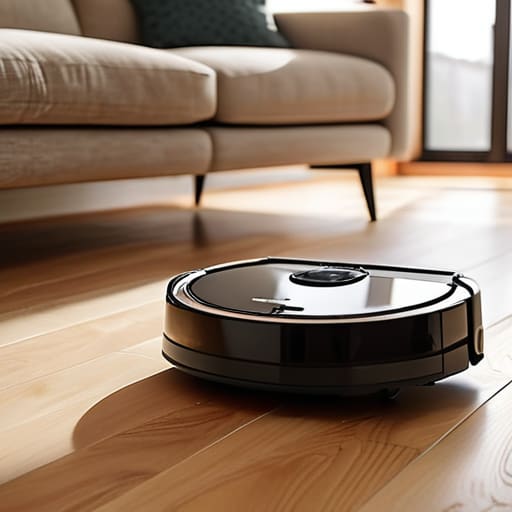
I was sitting in my workshop last Tuesday, cleaning the dust out of a 1974 Marantz receiver, when I saw my neighbor struggling with one of those new-fangled robot vacuums. He was hunched over his smartphone, frantically tapping at a screen just to get the damn thing to navigate around a single chair leg. It struck me then: we’ve reached a point where we’re paying a premium for technology that actually makes our lives more complicated instead of simpler. Most of these machines on the market today are nothing more than expensive, glorified pucks of plastic that spend more time getting stuck under the sofa than they do actually picking up dirt.
I’m not here to sell you on the latest flashy app or a model that promises to “revolutionize your lifestyle” with a subscription service. I’ve spent my career looking at how things are actually built, and I’m going to tell you which of these robot vacuums are worth your hard-earned money and which ones are just overhyped junk. I’ll be looking at suction power, battery reliability, and—most importantly—whether the thing can actually finish a job without needing you to babysit it. Let’s cut through the marketing nonsense and find you a tool that actually works.
Table of Contents
Dont Let Lidar Navigation Systems Fool You
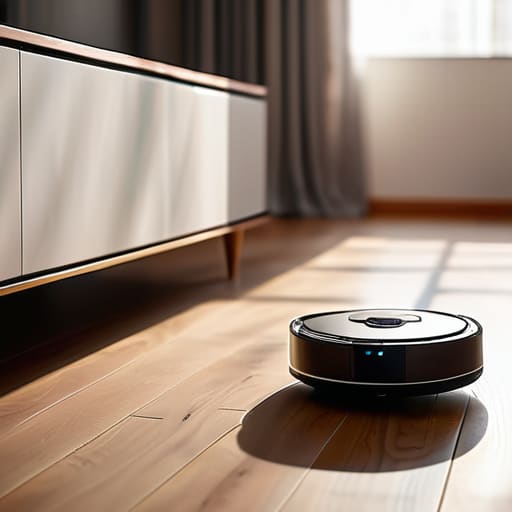
Now, let’s talk about the marketing hype surrounding LiDAR navigation systems. If you look at the spec sheets, every manufacturer will tell you that laser-based mapping is the holy grail of automated floor maintenance. On paper, it sounds impressive—a little spinning turret on top of the machine that scans your living room like a surveyor. And sure, for a high-end unit, it helps the machine avoid a collision with the coffee table. But don’t let the fancy terminology distract you from the actual mechanics of the machine.
I’ve seen too many people pay a premium for these sensors only to find out the device still struggles with basic obstacle avoidance. A sensor is just another point of failure; if that little laser gets obscured by a layer of dust or a stray hair, the whole “smart” system goes haywire. You need to look past the tech specs and ask yourself if the device actually handles the transition between hardwood vs carpet cleaning robots without getting stuck every ten minutes. A high-tech map is useless if the machine lacks the mechanical grit to actually clean the floor.
Why Robotic Vacuum Suction Power Actually Matters
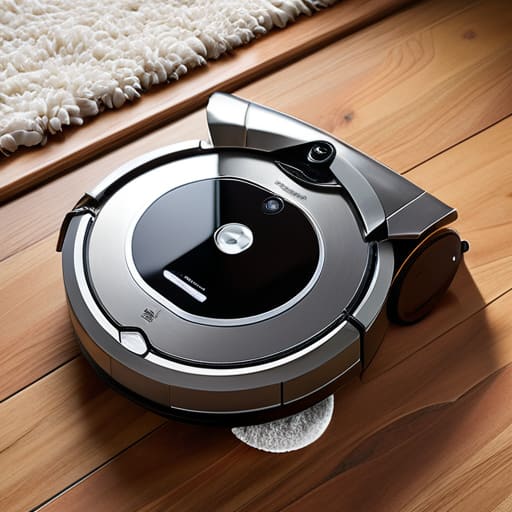
Most manufacturers love to throw around big numbers like “Pascals” to make their machines sound impressive, but don’t get blinded by the marketing fluff. In my experience, raw suction is meaningless if the brush roll design is garbage or if the airflow is poorly engineered. You need to look at how that power is actually applied to the surface. If you’re mostly dealing with hardwood vs carpet cleaning robots, you’ll notice a massive difference in how the machine handles debris. A high-end motor is useless if it can’t maintain consistent pressure when it hits a thick rug.
I’ve seen plenty of these gadgets spin their wheels without actually lifting a single grain of sand from a floor crack. Real robotic vacuum suction power isn’t just about how loud the motor screams; it’s about the efficiency of the vacuum seal and the ability to pull dirt from deep within carpet fibers. If you’re investing in automated floor maintenance, make sure the machine has the mechanical grit to handle real-world messes, rather than just swirling dust around the room like a glorified fan.
Five Things to Check Before You Hand Over Your Credit Card
- Look for replaceable parts, not proprietary ones. If you can’t find a standard replacement brush or a decent filter at a local shop in two years, that machine is nothing more than a very expensive paperweight.
- Check the height of the unit against your furniture. I’ve seen too many people buy a high-tech marvel only to realize it can’t even slide under their sofa to get the dust bunnies hiding underneath.
- Avoid the “App-Only” trap. If a vacuum requires a stable Wi-Fi connection and a constant smartphone update just to start a cleaning cycle, you’re going to regret it the first time your router decides to act up.
- Inspect the build quality of the bin and the brushes. If the plastic feels thin and brittle, it won’t survive a single bump against a heavy table leg. You want something that feels like it was engineered, not just molded.
- Test the dock’s footprint. People forget that the “home base” needs its own dedicated real estate. Make sure you actually have a permanent spot for it that isn’t going to be tripped over every single day.
The Bottom Line Before You Open Your Wallet
Stop getting distracted by flashy LiDAR sensors and high-tech mapping if the machine can’t actually pull dirt out of a rug; prioritize raw suction and brush design over fancy software.
Look for physical build quality—if the chassis feels like a cheap toy and the dustbin latches feel flimsy, it won’t survive a year of regular use in a real home.
Avoid the “subscription trap” where you’re forced to buy proprietary, overpriced replacement parts just to keep the machine running; buy something that’s built to be maintained, not replaced.
The Real Test of a Machine
“I don’t care how many fancy sensors or smartphone apps a vacuum boasts; if the build quality is cheap plastic and it can’t handle a simple rug without stalling, it’s not a tool—it’s a toy.”
Roland Delacroix
The Bottom Line
Look, I’m not here to sell you on the latest shiny gadget or some subscription service that promises to clean your house while you sleep. We’ve covered the ground: stop getting distracted by fancy LiDAR sensors that add cost without adding real-world value, and stop falling for marketing fluff about suction power if the machine doesn’t have the build quality to actually sustain it. You need to look past the sleek, white plastic shells and check the brushes, the battery housing, and the ease of maintenance. If you can’t reach the hair tangled in the rollers without a specialized toolkit, you haven’t bought a convenience; you’ve bought a maintenance nightmare.
At the end of the day, a robot vacuum should be a tool, not a hobby. I spent my career designing systems that were meant to last, and I think you should apply that same logic to your home appliances. Don’t let the tech companies convince you that “smart” always means “better.” A smart vacuum is one that cleans your floors reliably every single time you press start, without needing a software update to navigate around a chair leg. Buy something with substance over style, and you won’t find yourself replacing a piece of junk in twelve months. Stick to the specs, trust your gut, and buy for reliability.
Frequently Asked Questions
How long can I actually expect these things to last before the battery or the motor gives out?
Look, I’ll give it to you straight: most of these units are built to be replaced, not repaired. If you get a decent model with modular parts, you might squeeze three to five years out of it. But realistically? Expect the lithium-ion battery to start losing its charge after about 18 to 24 months of heavy use. Once that motor starts whining or the battery won’t hold a full cycle, you’re usually looking at a paperweight.
Is it worth paying a premium for a self-emptying base, or is that just more expensive plastic that's going to break in a year?
Look, I’ve seen enough mechanical failures to know that every extra moving part is just another way for a machine to die. A self-emptying base adds a motor, a seal, and a suction path that can clog or fail. If you’re someone who doesn’t mind a thirty-second chore every few days, skip the premium. But if you want convenience and can afford to replace a component down the line, it’s useful—just don’t expect it to last forever.
Can these machines actually handle thick carpets, or are they only good for hard floors and thin rugs?
Look, if you’ve got wall-to-wall high-pile carpeting, don’t expect a miracle. Most of these lightweight gadgets are built for hardwood and thin rugs; they just don’t have the torque. If you try to force a low-end model onto a thick carpet, you’ll likely just burn out the motor or have it stall every five minutes. If carpets are your priority, look for something with heavy-duty brushes and actual climbing capability, not just a flashy app.
