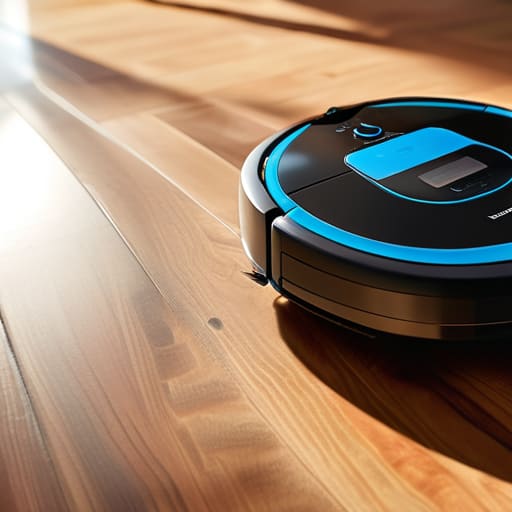
I spent thirty years in manufacturing, where if a machine didn’t do exactly what the schematics said it would, you tossed it out. So, when I see these tech companies marketing a new robot vacuum as some kind of “intelligent cleaning revolution,” I can’t help but roll my eyes. Most of these gadgets are nothing more than overpriced toys wrapped in shiny plastic, designed to fail the moment they encounter a stray rug tassel or a slightly uneven floorboard. I’ve watched enough “smart” devices turn into expensive paperweights to know that a fancy app and a sleek design don’t mean a thing if the actual suction and navigation are garbage.
I’m not here to sell you on the latest marketing fluff or help you navigate a convoluted software interface that requires a degree in computer science just to start a cleaning cycle. My goal is simple: I want to help you find a machine that actually gets the job done without needing constant supervision. I’ve put these units through the ringer, looking at the build quality, the motor longevity, and the actual mechanical efficiency. I’ll tell you which ones are worth your hard-earned money and which ones are just expensive plastic destined for a landfill.
Table of Contents
- The Truth About Robotic Vacuum Suction Power
- Why Smart Vacuum Mapping Technology Often Fails
- Don't Get Fooled by the Marketing: 5 Things to Check Before You Open Your Wallet
- The Bottom Line: Don't Get Fooled by the Marketing
- The Real Metric of Value
- The Bottom Line on Robotic Vacuums
- Frequently Asked Questions
The Truth About Robotic Vacuum Suction Power
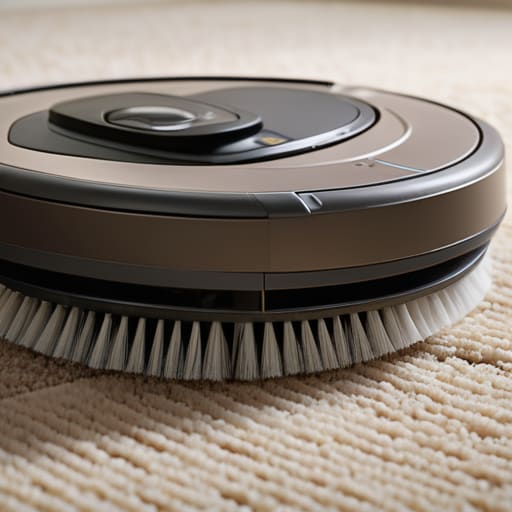
Manufacturers love to throw numbers at you like they’re reading a spec sheet for a jet engine. They’ll shout about “Pascals” (Pa) from the rooftops, claiming a higher number means a better clean. But here’s the reality from someone who spent decades looking at actual mechanical output: a high number on a box doesn’t always mean the machine is actually picking up the grit in your carpet fibers. You can have massive robotic vacuum suction power on paper, but if the brush roll design is flimsy or the airflow is poorly routed, that suction is just whistling past the dirt.
I’ve seen too many gadgets that boast about high-end specs only to stall out the moment they hit a medium-pile rug. If you’re looking for the best robot vacuums for pet hair, don’t just look at the suction rating. Look at the agitation. You need a heavy-duty brush roll that actually works the bristles into the carpet to lift the hair out. Otherwise, you’re just paying for a fancy motor that moves dust around instead of actually removing it.
Why Smart Vacuum Mapping Technology Often Fails
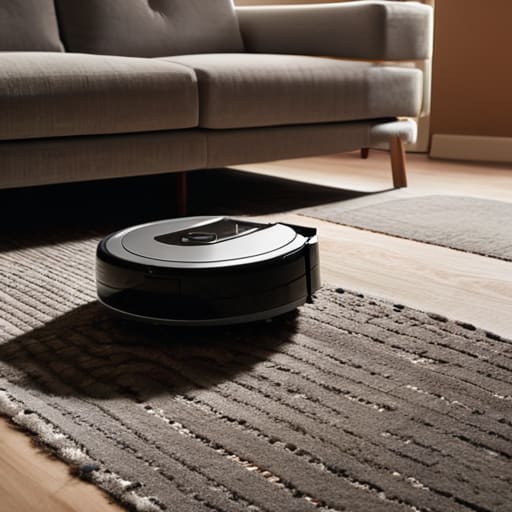
The marketing departments love to talk up smart vacuum mapping technology as if these machines have the spatial awareness of a seasoned surveyor. They don’t. In my experience, most of these units rely on cheap LiDAR sensors or basic camera-based navigation that gets tripped up by the simplest obstacles. I’ve seen dozens of these “intelligent” machines lose their minds the moment they encounter a stray power cord or a dark-colored rug. Instead of navigating, they just spin in circles, effectively turning a high-tech tool into a glorified paperweight.
The real issue is that manufacturers prioritize flashy software over robust hardware. They promise seamless automated home maintenance, but they fail to account for the chaos of a real living room. A slight change in lighting or a misplaced chair leg can cause the internal map to drift, meaning the device ends up cleaning the same corner five times while ignoring the hallway entirely. If the machine can’t maintain a consistent sense of its surroundings, it isn’t truly autonomous; it’s just a gadget that requires constant supervision.
Don't Get Fooled by the Marketing: 5 Things to Check Before You Open Your Wallet
- Forget the “Pa” numbers on the box. Suction power is useless if the brush roll is made of cheap, brittle plastic that snaps the first time it hits a transition strip. Look for heavy-duty, reinforced brushes that actually maintain contact with the floor.
- Check the repairability. If the battery is soldered into the mainboard or the sensors are glued shut, you aren’t buying a tool—you’re buying a disposable gadget. A real machine should be something you can actually service when a part inevitably wears out.
- Test the obstacle detection with something more substantial than a piece of paper. If the sensors can’t distinguish between a stray sock and a heavy table leg, you’ll spend more time rescuing the machine than actually cleaning your house.
- Look for physical controls. I don’t care how many “smart” features they boast about; if you can’t trigger a basic cleaning cycle without wrestling with a buggy smartphone app, the design is fundamentally flawed.
- Inspect the build weight. It sounds simple, but a vacuum that feels light and hollow in your hands is usually a sign of thin housings and cheap internal components. You want something with enough heft to feel like it was engineered, not just molded.
The Bottom Line: Don't Get Fooled by the Marketing
Stop obsessing over “Pa” suction numbers on the box; unless the machine has a decent brush roll and actual airflow, those high numbers are just there to hide a weak motor.
If a vacuum relies entirely on a “smart” app to function, it’s going to fail you the moment your Wi-Fi hiccups or a chair gets moved two inches to the left.
Prioritize build quality and ease of maintenance over fancy sensors; if you can’t easily clean the hair out of the rollers or empty the bin without a struggle, you’ll end up shoving it in the closet within six months.
The Real Metric of Value
“Don’t let a shiny touchscreen or a fancy app fool you into thinking you’ve bought a cleaning machine; if the chassis is flimsy and the sensors can’t navigate a simple chair leg, you haven’t bought a tool, you’ve bought a high-tech paperweight.”
Roland Delacroix
The Bottom Line on Robotic Vacuums
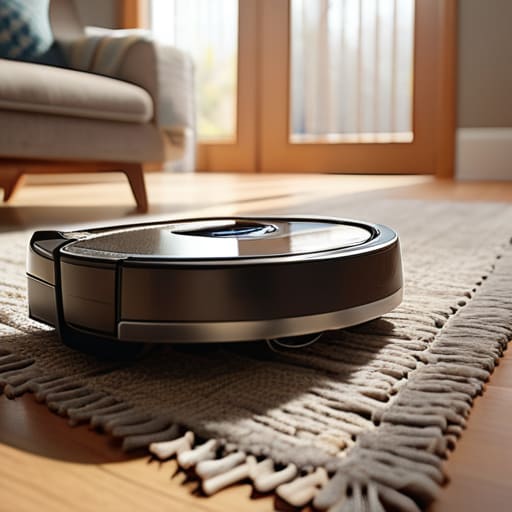
Look, I’ve spent enough time looking at schematics to know that a higher number on a spec sheet doesn’t always mean a better machine. We’ve seen that raw suction power is useless if the sensors can’t navigate a simple chair leg, and all the fancy AI mapping in the world won’t save a vacuum that’s built with flimsy, low-grade components. If you’re going to drop your hard-earned money on one of these, stop looking at the flashy marketing buzzwords. Instead, look for mechanical reliability, decent brush roll construction, and a navigation system that actually works in a real-world home, not just a sterile laboratory.
At the end of the day, a tool is supposed to make your life easier, not add another headache to your weekend chores. Don’t let the tech industry trick you into thinking you need a supercomputer in your living room just to clean up some dust bunnies. Buy something that is built to last, something that you can actually maintain without needing a specialized toolkit. If you prioritize substance over hype, you’ll end up with a machine that actually does its job instead of just another expensive piece of plastic gathering dust in the corner.
Frequently Asked Questions
How often am I actually going to have to clean the brushes and empty the bin just to keep this thing running?
Look, let’s be realistic: if you want this thing to actually clean instead of just pushing dirt around, you can’t just set it and forget it. I’d say empty the bin after every second or third run, otherwise, you’re killing the motor. As for the brushes, check them weekly. Hair tangles are the silent killer of these machines. If you don’t clear that debris, you’re just owning an expensive paperweight.
Are these high-priced self-emptying docks actually worth the extra money, or are they just more complicated parts that'll break in a year?
Look, I’ve seen enough complex systems fail to know that every extra moving part is just another point of failure. These self-emptying docks aren’t a scam, but they aren’t magic either. If you hate emptying a small bin every single day, the convenience is real. However, you’re paying a premium for motorized suction and more sensors. If you don’t have pets or a large house, save your money; it’s mostly just more expensive plastic.
Can these things actually handle a real mess, or are they only good for picking up a light dusting on a hard floor?
If you’re expecting these things to act like a person with a heavy-duty upright, you’re going to be disappointed. Most of these units are designed for “maintenance cleaning”—keeping the dust at bay on hard surfaces. If you drop a bowl of cereal or have a thick rug with embedded grit, most of these robots will just spin their wheels and call it a day. They aren’t cleaning; they’re just tidying.
