
I spent thirty years in manufacturing, where if a part didn’t meet the tolerance specs, it went straight into the scrap bin. Nowadays, I look at the consumer tech market and it feels like everything is built to be thrown away. You go to a shop, see a shiny new gadget, and realize it’s nothing more than overpriced, flimsy plastic that’ll fail you the moment you actually need it. This is especially true when you’re hunting for the best compact cameras on the market. Most people think a smartphone is enough, but if you want a tool that captures a real moment without the digital mush, you need something with actual optical integrity and a chassis that won’t crack in your pocket.
I’ve spent the last few weeks putting these units through their paces, checking the build quality and the sensor response times like I used to check turbine tolerances. In this list, I’m cutting through the marketing fluff to show you five specific models that are actually worth your hard-earned money. I’ll tell you exactly which ones offer reliable performance and which ones are just clever ways to drain your bank account.
Table of Contents
The Workhorse for Serious Photographers
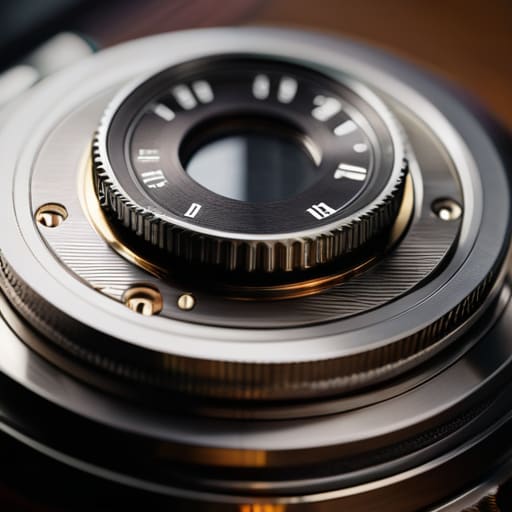
I’ve spent enough time around manufacturing lines to know the difference between a tool built for precision and a toy built for a showroom. The Fujifilm X100VI is the closest thing to a real instrument I’ve seen in the compact category lately. It doesn’t rely on flimsy, touch-only menus that fail when your fingers are cold; instead, it uses physical dials that give you tactile feedback. When you turn a dial to adjust your shutter speed, you actually feel the mechanism engaging, which is a far cry from the mushy buttons on most modern gadgets.
Rugged Reliability for the Elements
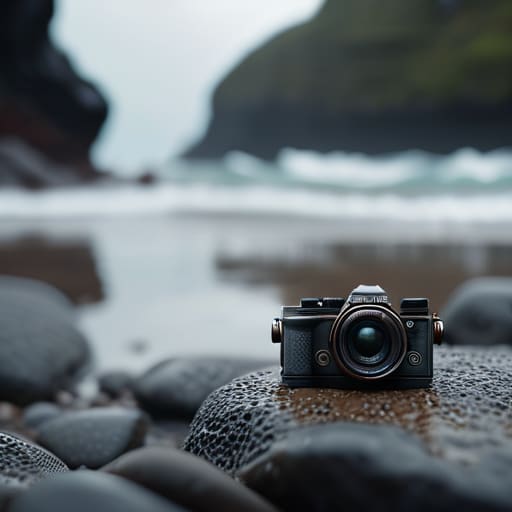
Most people think “waterproof” just means it can survive a light drizzle, but I look for gear that can actually take a beating. The OM System Tough TG-7 is built like a piece of industrial equipment. I’ve seen plenty of expensive electronics die because a bit of grit got into the seam, but this unit is sealed tight against the elements. It’s designed for people who actually go outside, rather than those who just want to take photos of their lunch in a brightly lit cafe.
The Pocket-Sized Professional
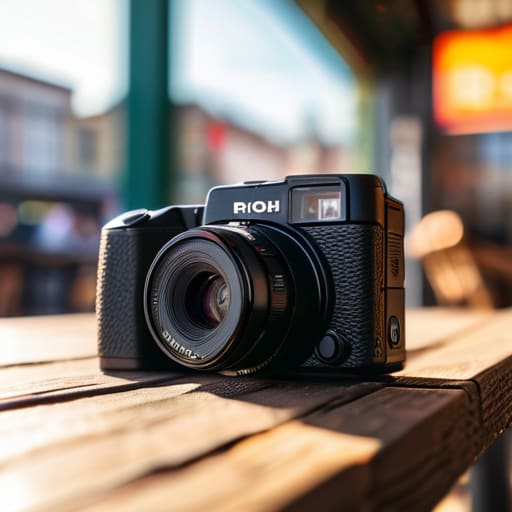
If you want something that won’t weigh down your jacket pocket but still delivers a decent image, the Ricoh GR III is a fascinating piece of engineering. It’s a tiny package, but the way they’ve managed to fit a large sensor into such a small footprint is impressive. I appreciate that it doesn’t try to be everything to everyone; it’s a dedicated tool for street photography that prioritizes speed and simplicity over a dozen useless features.
The Best All-Rounder for Travelers
When you’re traveling, you don’t want to be lugging around a bag full of heavy glass and specialized lenses. The Sony RX100 VII manages to strike a decent balance between size and capability. It’s a highly automated machine, which I usually find suspicious, but the autofocus system is undeniably efficient. It tracks subjects with a level of precision that makes it very hard to miss a shot, even if you aren’t a professional.
High-End Quality for the Purist
The Leica Q3 is, frankly, an expensive way to take a photograph, but I can’t deny the engineering behind it. When you hold a Leica, you aren’t holding a consumer gadget; you’re holding a piece of precision instrumentation. The lens is the star of the show here—it’s a masterclass in optical design. Every adjustment feels deliberate, and the build is so solid it puts most of the “pro” gear I see today to shame.
The Bottom Line on Buying a Compact Camera
Stop chasing the highest megapixel count on a spec sheet; if the lens is made of cheap plastic and the sensor is tiny, those numbers won’t save a blurry photo.
Prioritize tactile controls and build quality, because a camera that’s a nightmare to navigate in the dark is just a paperweight in your pocket.
Buy for the use case, not the hype—if you want something that lasts, look for metal chassis and reliable weather sealing rather than the latest “smart” features you’ll never use.
The Engineering Truth
Most of these new manufacturers are so obsessed with making a camera thin enough to fit in a pocket that they’ve forgotten how to make one that actually lasts. If a device feels like a toy in your hand, don’t expect it to capture anything more substantial than a memory of how much money you just wasted.
Roland Delacroix
The Bottom Line
Look, I didn’t spend thirty years in systems engineering to tell you that every shiny new gadget is a winner. If you’ve followed my notes, you know the drill: don’t buy into the marketing fluff. Whether you opted for the rugged reliability of a dedicated enthusiast model or a streamlined point-and-shoot for travel, the goal remains the same. You want a tool that responds when you pull the trigger, not a piece of software disguised as a camera. Focus on the build quality and the ergonomics rather than how many megapixels a salesperson tries to cram into a spec sheet. If the buttons feel mushy and the casing feels like a cheap toy, walk away. You aren’t just buying a lens; you’re buying the assurance that the device will actually be there when the moment happens.
At the end of the day, a camera is just a tool to capture a memory, and the best tool is the one you actually bother to carry with you. I’ve seen too many people leave their expensive gear in a drawer because it was too complicated or too fragile to handle a bit of real-world use. Don’t let that be you. Stop worrying about whether you have the “professional” setup and just focus on getting the shot. Once you have a reliable piece of hardware in your hand, the technical hurdles disappear, and you can finally get back to what actually matters: seeing the world through a lens.
Frequently Asked Questions
How much do I really need to worry about sensor size when I'm just trying to take decent snapshots of my grandkids?
Look, if you’re just snapping quick shots of the grandkids, you don’t need a massive, heavy sensor that requires a tripod and a prayer. However, don’t fall into the trap of thinking a tiny sensor in a cheap smartphone is enough. A slightly larger sensor—like a 1-inch type—handles the indoor lighting of a living room much better without turning your grandkids into a blurry mess of digital noise. Get something reliable, not just something small.
Are these modern, tiny lenses actually going to hold up, or am I looking at a piece of junk that'll fail after a year of heavy use?
Look, I’ve spent enough time around assembly lines to know when a manufacturer is cutting corners. Most of these tiny lenses are built with a “disposable” mindset—lots of plastic, minimal weather sealing, and delicate internal motors. If you’re just taking snapshots on vacation, you’ll be fine. But if you’re out in the elements or handling it daily, don’t expect it to last a decade like the gear I used to build. Check the build material before you buy.
Is it worth paying a premium for a brand name, or can I find a reliable workhorse without getting fleeced by the marketing departments?
Look, I’ve seen this play out in manufacturing for decades. You aren’t paying for better engineering when you buy a big name; you’re paying for their massive advertising budget. A brand name doesn’t guarantee a sensor won’t fail or a lens won’t jam. Don’t get fleeced. Look past the logo and check the build materials and the service history. If it feels like a toy, it’s a toy, regardless of what’s printed on the box.
