Author: Roland Delacroix

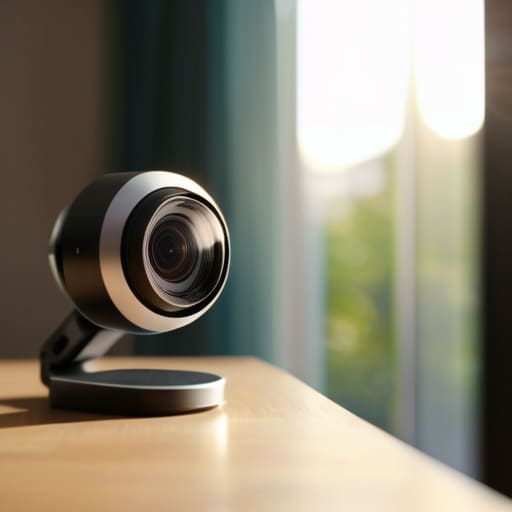
  • Best Action Cameras for Outdoor Adventures

    Best Action Cameras for Outdoor Adventures

    I was out in the garage last weekend, tinkering with an old Marantz receiver, when I realized just how much the tech industry has shifted toward selling “features” instead of actual durability. I saw a kid at the local park trying to film a mountain bike run with a brand-new, high-end action camera that looked like it was made of nothing but glorified LEGO bricks. The second he hit a bump, the mounting bracket snapped, and he was left staring at a pile of expensive, useless plastic. It’s infuriating. We’ve reached a point where companies expect you to pay a premium for software gimmicks while the physical build quality is being stripped away to save a few cents on the assembly line.

    I’m not here to read you a spec sheet or parrot the marketing fluff you’ll find on a flashy website. My goal is simple: I want to help you find a piece of gear that actually survives the environment it’s meant for. I’ll be looking at the seals, the housing, and the mounting points to tell you which devices are built to last and which ones are just destined for a junk drawer.

    Table of Contents

    Dont Get Fooled by 4k Video Resolution Action Cams

    Dont Get Fooled by 4k Video Resolution Action Cams.

    Marketing departments love to throw around big numbers like “4K” to justify a premium price tag, but they rarely tell you the catch. In my experience, a high pixel count means nothing if the sensor is tiny and the bit rate is garbage. You’ll see plenty of 4K video resolution action cams claiming to be professional grade, but once you try to use them in anything other than perfect, midday sunlight, the image turns into a grainy, digital mess. It’s a classic case of selling a spec instead of a result.

    What actually matters more than raw resolution is how the device handles motion. If you’re looking at the best action cameras for extreme sports, you need to prioritize how the software manages shake. A 4K file that looks like it was filmed during an earthquake is useless. I’d much rather have a crisp 1080p shot that stays steady than a high-resolution disaster that makes my stomach churn. Don’t let a fancy number on the box trick you into buying a piece of hardware that lacks the mechanical stability to do the job.

    Why Rugged Camera Housing Is Your Only Real Defense

    Why Rugged Camera Housing Is Your Only Real Defense

    Look, I’ve seen enough equipment fail in the field to know that a spec sheet doesn’t mean a lick of difference if the casing cracks under pressure. Most of these modern gadgets are built like toys—lots of shiny finishes but very little structural integrity. If you’re actually out there using these for anything serious, you need to look past the marketing fluff and check the seals. A high-quality rugged camera housing isn’t just an optional accessory; it is the only thing standing between your expensive electronics and a sudden trip to the repair shop.

    When you’re out in the elements, moisture and impact are your primary enemies. I’ve spent many afternoons tinkering with gear that died simply because a cheap rubber gasket failed. If you are looking for the best action cameras for extreme sports, don’t just ask about the frame rate. Ask about the ingress protection rating and the thickness of the chassis. You want something that feels substantial in your hand, not something that feels like it’s made of recycled soda bottles. If it feels flimsy on my workbench, it’s definitely going to fail you on the trail.

    Five Things to Check Before You Hand Over Your Hard-Earned Cash

    • Look for physical buttons, not just touchscreens. If you’re wearing gloves or your hands are wet from a hike, a capacitive touchscreen is about as useful as a screen door on a submarine. You need tactile feedback so you know the device is actually responding.
    • Check the battery replacement process. Most of these modern gadgets are sealed shut like a tomb. If the battery dies in the middle of a trip, you’re stuck. I prefer anything that lets me swap a fresh cell in under thirty seconds without needing a specialized toolkit.
    • Don’t trust the “waterproof” rating blindly. A rating on a box is just a suggestion until you’ve tested the seals yourself. Make sure the mounting points are reinforced; if the screw threads are made of cheap, soft plastic, they’ll strip the first time you tighten them down.
    • Verify the mounting ecosystem. There is nothing more frustrating than buying a solid camera only to find out you need five different $20 plastic adapters just to get it onto your bike or helmet. Stick to brands that use standardized, metal-reinforced mounts.
    • Demand a real warranty, not a “limited” one. These devices live in high-impact environments. If a company won’t stand behind their build quality with a straightforward replacement policy, it’s a sign they know their hardware is built to fail.

    My Bottom Line on Buying an Action Cam

    Stop obsessing over megapixels and 4K marketing jargon; a high resolution doesn’t matter if the sensor can’t handle the light or the footage is too shaky to watch.

    If the device doesn’t have a reinforced, weather-sealed housing, you aren’t buying a tool—you’re buying a piece of disposable plastic that will fail you when things get messy.

    Look for mechanical durability and battery reliability over fancy software features; you need a camera that works every time you press the button, not one that requires a firmware update in the middle of the woods.

    The Truth About Specs

    “I don’t care if the marketing brochure promises 8K resolution or a thousand different software filters; if the mounting bracket is made of cheap, brittle plastic that snaps the moment you tighten it, you haven’t bought a camera—you’ve bought an expensive paperweight.”

    Roland Delacroix

    Bottom Line: Buy for Durability, Not Hype

    Bottom Line: Buy for Durability, Not Hype.

    At the end of the day, don’t let a glossy marketing brochure convince you that a gadget is worth its weight in gold. We’ve covered why you shouldn’t get distracted by inflated 4K claims that fall apart the moment the light fades, and why a flimsy chassis is a recipe for a paperweight. If you want a camera that actually records your life instead of just collecting scratches, you have to prioritize build quality and physical protection above every other spec on that box. I’ve seen enough “revolutionary” tech end up in the scrap heap because it couldn’t handle a bit of dust or a minor bump. Stick to the hardware that feels substantial in your hand and has a proven track record of surviving the real world.

    My advice is simple: stop chasing the newest, shiniest thing just because it has a high price tag. A tool is meant to serve you, not the other way around, and you shouldn’t be worried about a device failing right when the moment matters most. Invest in something that is built to last, something that respects your hard-earned money, and something that will still be working ten years from now. Go out there, get your hands dirty, and capture the memories without worrying about whether your gear is going to snap in two. Life is too short to spend it babysitting expensive plastic junk.

    Frequently Asked Questions

    How can I tell if a camera's waterproof rating is actually reliable or just marketing fluff?

    Look at the seals, not just the box. If a manufacturer just shouts “waterproof” without citing an IP rating—like IP68—they’re selling you marketing fluff. I always check the physical gaskets and battery door latches. If the plastic feels thin or the threading on the lens cap is cheap, that seal isn’t going to hold under pressure. Don’t trust a sticker; trust the build quality of the actual enclosure.

    Is it worth paying extra for a brand name, or can I get better build quality from a cheaper alternative?

    Look, I’ve seen this pattern a thousand times in manufacturing: you pay for the logo, or you pay for the engineering. With action cams, the “big names” aren’t just charging for the brand; they’re charging for the thermal management and the seal integrity. A cheap knockoff might boast the same specs on the box, but it’ll overheat or leak the moment things get real. Buy the brand if you want reliability; buy the cheap one if you’re okay with disposables.

    What kind of mounting hardware should I look for to ensure the camera doesn't shake itself loose mid-use?

    Look, if you’re relying on those flimsy plastic thumb screws that come in the box, you’re asking for trouble. I’ve seen too many expensive units end up at the bottom of a lake because a cheap clip snapped. You want stainless steel mounting bolts and heavy-duty, aluminum alloy clamps. If the hardware feels light or hollow in your hand, don’t buy it. Stick to mechanical fasteners that actually bite into the mount.
  • Choosing an External Hard Drive for Data Backup

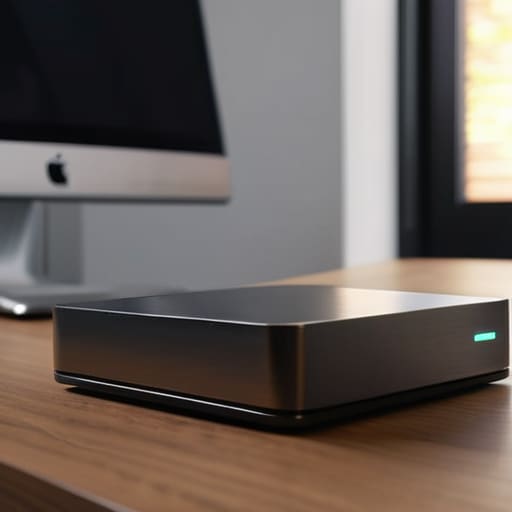
    Choosing an External Hard Drive for Data Backup

    I spent thirty years in manufacturing, where if a component wasn’t built to spec, the whole assembly line ground to a halt. Nowadays, I see people dropping hundreds of dollars on these sleek, lightweight gadgets that feel like they’d crack if you even looked at them sideways. It’s frustrating to watch folks entrust their entire digital lives—family photos, tax documents, the works—to a piece of hardware that’s essentially just expensive plastic. When you’re looking for the best external hard drives, you shouldn’t be shopping for aesthetics or fancy LED lights; you should be looking for structural integrity and data reliability.

    I’ve spent the last few weeks putting several models through their paces, checking everything from the casing thickness to the actual transfer stability. I’m not here to give you a marketing pitch; I’m here to tell you what actually survives a bump on the desk or a long day of heavy lifting. In this list, I’ve narrowed it down to five specific options that I believe offer the best bang for your buck without sacrificing the durability you need. By the time you finish reading, you’ll know exactly which drives are worth your hard-earned money and which ones are destined for the scrap heap.

    Table of Contents

    The Workhorse for Long-Term Storage

    The Workhorse for Long-Term Storage hard drive.

    When I’m looking to back up my entire collection of hi-fi schematics and high-res audio files, I don’t want something that feels like a toy. The Western Digital Elements Desktop is what I call a no-nonsense solution. It’s a bulky, traditional mechanical drive that doesn’t try to be anything other than what it is: a reliable repository for your data. It lacks the flashy LED lights and useless buttons that modern manufacturers love to slap on, which means there’s less to go wrong.

    Rugged Reliability for the Field

    Rugged Reliability for the Field: LaCie Drive

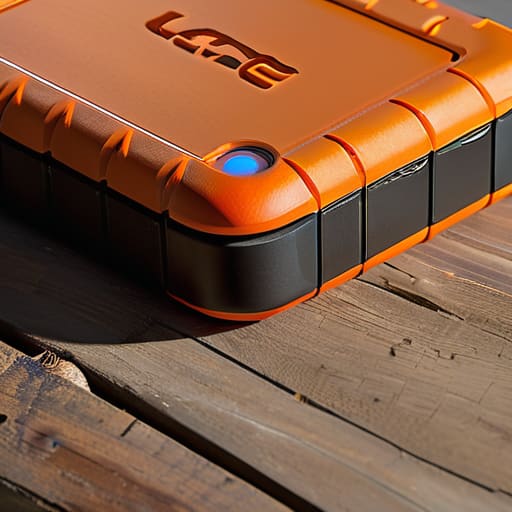
    I’ve seen too many people drop a drive on a hardwood floor only to hear that sickening click-click-click of a dying head. If you’re someone who travels or works in a garage, you need the LaCie Rugged Mini. It’s got that distinctive orange rubber bumper that actually serves a purpose, providing a decent layer of shock absorption. It’s not indestructible, of course, but it’s a hell of a lot better than the thin plastic shells most companies are peddling these days.

    Speed That Actually Matters

    Samsung T7 SSD: Speed That Actually Matters

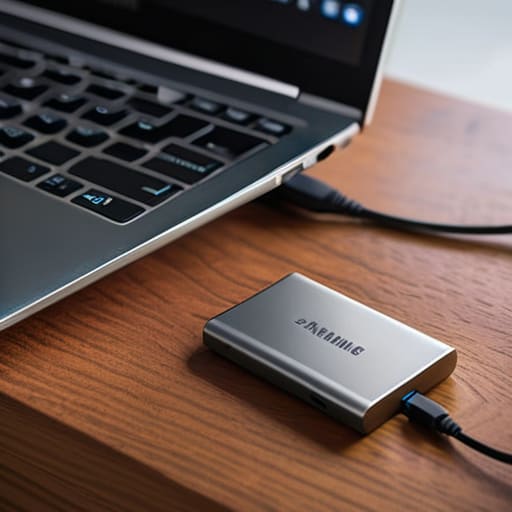
    Sometimes, you don’t have the luxury of waiting twenty minutes for a file transfer to finish. That’s when you move away from spinning platters and look at Solid State Drives, specifically the Samsung T7. I’ve put this little thing through its paces, and the transfer speeds are remarkably consistent. It doesn’t throttle down the moment you start moving a large folder, which is a common flaw in cheaper SSDs that use low-grade flash memory.

    The Professional's Choice for Redundancy

    In my engineering days, we lived by the rule of redundancy. If you have data that you absolutely cannot afford to lose, a single drive—no matter how expensive—is a single point of failure. That’s why I always recommend a RAID-capable system like the SanDisk Professional G-DRIVE. These units are built with high-quality components designed for continuous operation, which is a far cry from the consumer-grade junk meant for occasional use.

    The Budget-Friendly Backup Plan

    I’m not a fan of “cheap” for the sake of being cheap, but sometimes you just need a secondary backup for files you don’t use every day. The Seagate Expansion is a decent middle ground. It isn’t going to win any awards for build quality, but it’s a functional tool that gets the job done without breaking the bank. It’s perfect for storing those old photos or documents that you want to keep safe but don’t need to access at lightning speeds.

    The Bottom Line on Your Data

    Stop chasing the lowest price per gigabyte; a cheap drive with a flimsy housing is just a ticking time bomb for your files.

    Prioritize build quality and physical connection stability over flashy software features that you’ll never actually use.

    Always buy a drive that feels substantial in your hand—if it feels like a hollow piece of junk, it’s going to fail you when you need it most.

    The Bottom Line on Data Storage

    I’ve seen enough cheap components fail in my time to know that a pretty LED light and a slim design don’t mean a thing if the internal drive can’t handle a little vibration or a bump on the desk. When you’re buying a drive, stop looking at the marketing fluff and start looking at the build quality; you aren’t just buying storage, you’re buying insurance for your digital life.

    Roland Delacroix

    Don't Get Fooled by the Packaging

    At the end of the day, picking a drive isn’t about finding the one with the prettiest LED lights or the most aggressive marketing campaign. It’s about knowing whether you need the raw speed of an SSD for active projects or the sheer, reliable capacity of a ruggedized HDD for long-term backups. I’ve seen too many people buy a cheap, flimsy drive only to realize six months later that their data has vanished because the internal components were subpar. Whether you went with the high-performance option or the heavy-duty workhorse I mentioned, make sure you are prioritizing build quality over brand names. If the casing feels like a toy, it probably is.

    I know it feels like every new gadget is designed to be obsolete within two years, but your data deserves better than that cycle of planned obsolescence. Invest in something that feels substantial in your hand and actually does the job it was engineered to do. Don’t just buy a device; buy the peace of mind that comes with knowing your files are tucked away safely behind solid engineering. Now, grab your notepad, write down the specs of the one you chose, and stop worrying about whether your tech is going to fail you when you need it most.

    Frequently Asked Questions

    Do I really need an SSD if I'm just backing up old family photos and documents?

    Look, if you’re just archiving old photos and tax documents, you don’t need to drop a fortune on a high-speed SSD. An SSD is great for speed, but for long-term storage sitting in a drawer, a solid mechanical HDD is actually more cost-effective. Just don’t buy one of those cheap, flimsy drives. Get something with a decent build quality, plug it in, and for heaven’s sake, make sure you have a second copy somewhere else.

    How much can I actually trust these portable drives if I'm traveling or moving them around frequently?

    Look, if you’re tossing a drive into a backpack every day, you need to stop looking at spinning platters. Traditional HDDs have moving parts; one hard bump while that disk is spinning and you’ve got a paperweight. For travel, get an SSD. There’s nothing to break mechanically. If you absolutely must use a high-capacity HDD, make sure it’s in a ruggedized shell. Don’t trust a flimsy plastic casing to protect your data when life gets messy.

    Is it worth paying the premium for a brand name, or can I get away with a cheaper drive as long as the specs look good on paper?

    Look, I’ve seen enough “spec-heavy” junk fail in the field to know that numbers on a box don’t mean a thing if the controller chip is garbage. A cheap drive might boast high transfer speeds, but if it overheats or drops the connection mid-write, those specs are useless. I’d rather pay a bit more for a brand that actually builds reliable hardware than gamble my data on a bargain-bin plastic shell.

  • Choosing an Action Camera

    Choosing an Action Camera

    I was out on the lake last summer with my grandson, trying to capture a decent shot of him kayaking, when the “top-rated” camera I’d spent a small fortune on simply gave up the ghost. A tiny bit of spray hit the casing, and suddenly, the screen went dark—just another piece of expensive, glorified plastic that couldn’t handle a little actual moisture. It’s infuriating how these manufacturers market these gadgets as “rugged” when they’re really just fragile electronics wrapped in a slightly thicker shell. If you’re looking for an action camera guide that actually tells you which devices can survive a real dent or a splash, you’ve come to the right place.

    I’m not here to recite a spec sheet or read you a press release filled with marketing jargon that doesn’t mean a thing in the real world. My goal is simple: I want to help you identify the hardware that is actually built to last. I’ll be looking at things like seal integrity, battery reliability, and mounting stability—the stuff that actually matters when you’re out in the field. We are going to cut through the hype and find you a tool that works every single time you turn it on.

    Table of Contents

    Dont Get Fooled by 4k Video Resolution for Adventure

    Dont Get Fooled by 4k Video Resolution for Adventure.

    Every time I walk into a tech shop, I see people staring at spec sheets like they’re reading blueprints, completely mesmerized by the “4K” label. Let me tell you something from a man who has spent decades looking at actual mechanical tolerances: high resolution is a hollow promise if the footage is unwatchable. You can have the highest 4K video resolution for adventure on the market, but if you’re mountain biking or kayaking, that footage will look like a jittery, nauseating mess without decent stabilization technology in sports cameras.

    I’ve seen plenty of expensive units produce crystal-clear images that are utterly useless because the software can’t handle the vibration of a real-world environment. Don’t let the marketing departments trick you into paying a premium for pixel density that you’ll never actually see on a smartphone screen. Instead, look for a device that prioritizes a stable image and rugged camera durability. I’d much rather have a slightly softer 1080p image that stays steady through a bumpy trail than a 4K file that looks like it was filmed during an earthquake.

    Why Rugged Camera Durability Outweighs a Shiny New Shell

    Why Rugged Camera Durability Outweighs a Shiny New Shell

    I’ve spent enough time in manufacturing plants to know that a sleek, polished finish is often just a mask for poor structural integrity. In the world of consumer electronics, manufacturers love to slap a high-gloss coating on a device to make it look premium on a showroom shelf. But when you’re out on a trail or near a body of water, that “premium” look doesn’t mean a thing if the internal seals fail. You need to look past the aesthetics and scrutinize the actual rugged camera durability. I’m talking about real-world tolerances—how the chassis handles a drop on granite or the pressure of a sudden submersion.

    If the housing is made of cheap, brittle polycarbonate, it’s going to crack the first time it takes a hit. I’ve seen too many people buy a gadget based on a spec sheet, only to find out the internal components are rattling around like loose bolts in a poorly machined engine. Don’t be swayed by a pretty design; look for reinforced corners and high-quality gaskets. A camera that looks like a tank will always beat a “designer” model that turns into a paperweight after one trip.

    Five Things the Marketing Brochures Won't Tell You

    • Check the mounting points before you buy. If the camera uses a proprietary, flimsy plastic clip instead of a standard screw-mount, you’re going to end up with a pile of expensive scrap metal at the bottom of a lake.
    • Don’t ignore battery life in favor of sensor size. I’ve seen plenty of high-end units die halfway through a hike because the manufacturer prioritized a thin profile over a battery that actually holds a charge.
    • Look for replaceable parts. If a single lens scratch or a torn rubber seal means the whole unit is trash, that’s not a tool—it’s a disposable toy. You want something you can maintain, not replace.
    • Test the stabilization manually if you can. Software-based “magic” stabilization often creates a jittery, digital mess when the light gets low. A steady physical mount and a decent sensor are worth more than any fancy algorithm.
    • Verify the waterproof rating with common sense. “Waterproof” is a broad term that companies love to abuse. If you’re diving deep, make sure the seals are rated for the actual pressure you’ll face, not just a splash from a garden hose.

    The Bottom Line: What to Look for Before You Buy

    Stop obsessing over resolution numbers on the box; a 4K sensor is useless if the stabilization is jittery and the footage looks like a shaky mess.

    Prioritize build quality and weather sealing over fancy software features; if the housing cracks on your first trip, all those extra settings won’t matter.

    Buy for the environment you actually use, not the one in the brochure—look for battery life and physical button reliability that can be operated even with gloves on.

    The Truth About Specs

    “I don’t care if a camera can shoot in 8K if the mounting bracket snaps the first time you hit a bump on a trail; a gadget that fails when you actually need it isn’t a tool, it’s just an expensive paperweight.”

    Roland Delacroix

    The Bottom Line

    Durability is The Bottom Line.

    Look, I’ve spent enough time in manufacturing to know that a spec sheet is often just a way to hide a lack of substance. When you’re out there, you don’t care about a marketing department’s claims about ultra-high resolution if the battery dies after twenty minutes or the casing cracks the first time it hits a rock. Stick to the fundamentals: prioritize mechanical durability and battery reliability over fancy software gimmicks. If the device can’t survive a bit of grit and a splash of water without a specialized waterproof housing, it isn’t an action camera—it’s just a fragile piece of expensive plastic that belongs on a desk, not in your hand.

    At the end of the day, the best camera isn’t the one with the most megapixels; it’s the one that is actually functional when you need it most. Don’t let the shiny advertisements bully you into buying something that won’t last through a single season of real use. Buy something built with integrity and purpose, something that lets you focus on the experience instead of worrying if your gear is about to fail. Go out there, get your hands dirty, and capture the moments that matter with equipment you can actually trust.

    Frequently Asked Questions

    How much does battery life actually matter when I'm out in the field, and can I swap them out easily?

    Look, if you’re out on a trail or mid-river, a dead battery isn’t just an inconvenience—it’s a useless piece of plastic. Don’t trust those “all-day” claims in the marketing brochures; they’re usually tested in a climate-controlled lab, not the real world. You need a camera that allows for quick, manual battery swaps. If you have to fumble with proprietary cables or software just to get power back, you’ve already lost the moment.

    Are all these different mounting systems actually compatible, or am I going to be stuck buying proprietary plastic mounts?

    Here’s the truth: most of the big players use a standard two-prong mounting system, but don’t let that fool you into complacency. While many accessories claim “universal” compatibility, you’ll often find yourself stuck with proprietary plastic clips or flimsy adapters just to get a specific mount to sit right. Before you buy a single accessory, check the threading and the clip style. I’ve seen too many people waste money on a kit that won’t actually stay attached to their gear.

    Is it worth paying a premium for built-in stabilization, or can I just fix shaky footage later in an editing program?

    Look, you can try to “fix it in post,” but you’re just adding more work to a job that’s already tedious. Software can smooth out a slight tremor, but it can’t magically reconstruct a frame that’s been blurred into oblivion by a heavy jolt. If the hardware doesn’t stabilize the sensor physically, you’ll end up with that weird, “jello” warping effect. Pay for the built-in stabilization. It saves your footage—and your sanity.

  • Understanding the Benefits of Smart Rings

    Understanding the Benefits of Smart Rings

    I was sitting at my workbench yesterday, cleaning the contacts on a 1970s Marantz receiver, when I saw another advertisement for the latest “breakthrough” in wearable health. It’s the same old story: marketing departments trying to convince you that smart ring technology is the next great leap for humanity. To me, it looks like a lot of expensive, lightweight sensors wrapped in a thin band that’ll likely scratch or fail the moment you actually put it to work. I’ve spent thirty years looking at how components hold up under pressure, and frankly, most of these gadgets feel like they were designed by people who have never held a real tool in their lives.

    I’m not here to sell you on the hype or read you a list of glossy features that won’t matter in six months. My goal is to strip away the nonsense and look at the actual build quality, battery reliability, and sensor accuracy of these devices. I’ll tell you which ones are worth your hard-earned money and which ones are just overpriced plastic junk masquerading as innovation. If you want the unvarnished truth about whether these rings actually work or if they’re just another distraction in your pocket, you’ve come to the right place.

    Table of Contents

    Biometric Sensor Accuracy Can You Actually Trust the Data

    Biometric Sensor Accuracy Can You Actually Trust the Data

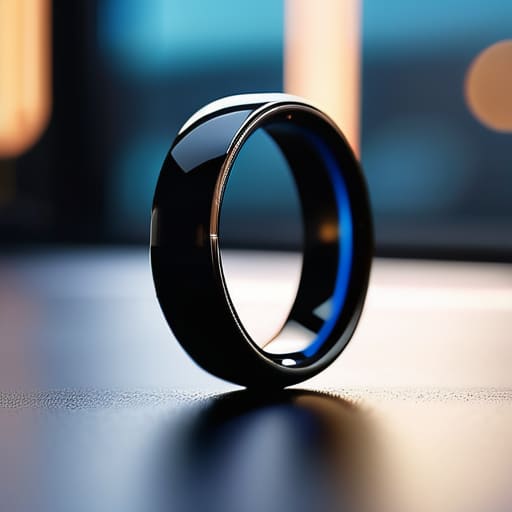
    Here is the problem with these tiny devices: they are trying to do a lot with very little real estate. When I look at the underside of a ring, I see a handful of tiny LEDs pressed against your skin. While the marketing folks love to talk about next-gen wearable sensors, the physics of the situation is tricky. A smartwatch has a much larger surface area to maintain contact with your wrist, which is why you’ll often see a significant gap in biometric sensor accuracy when comparing a ring to a traditional watch. If the ring shifts even a millimeter during sleep or a workout, your data goes straight into the weeds.

    I’ve spent enough time looking at schematics to know that signal-to-noise ratio is everything. In a ring, you’re dealing with much tighter tolerances and less room for error. For continuous heart rate monitoring during a steady state, they do alright, but don’t expect them to keep up if you’re actually breaking a sweat. They are fine for tracking your baseline trends while you’re sitting on the couch, but if you want precision, you’re better off sticking to something with a bit more heft and stability.

    Minimalist Wearable Devices vs Overcomplicated Gadgets

    Minimalist Wearable Devices vs Overcomplicated Gadgets.

    I’ve spent enough time in manufacturing to know that when you add more moving parts—or in this case, more sensors and software layers—you’re just creating more points of failure. This is the fundamental tension in the current smart ring vs smartwatch debate. A smartwatch is a miniature computer strapped to your wrist; it’s flashy, it’s loud, and it’s constantly demanding your attention with notifications and bright screens. But for most people, that’s just digital noise. I’ve found that many of these high-end watches are trying to do too much, which inevitably leads to a shorter lifespan and a battery that dies before you’ve even finished your morning routine.

    On the other hand, minimalist wearable devices like these rings take a different approach. They strip away the distractions and focus on one thing: passive data collection. There’s a certain elegance to a tool that does its job without needing to beep at you every five minutes. By removing the screen, you’re left with a device that actually prioritizes long-term reliability and continuous heart rate monitoring without the constant headache of daily charging. If you want a gadget that acts like a tool rather than a toy, less is almost always more.

    How to Avoid Buying a Piece of Overpriced Junk

    • Check the material specs before you pull the trigger. If the manufacturer won’t tell you if it’s titanium or just gold-plated resin, walk away. I’ve seen enough cheap coatings flake off after a month of handwashing to know that “looking shiny” isn’t the same as being durable.
    • Don’t fall for the subscription trap. Some of these companies sell you the hardware for a decent price, only to lock your data behind a monthly paywall. If you can’t access your own sleep stats without paying a “service fee” every month, you don’t own the device—you’re just renting it.
    • Prioritize battery longevity over fancy features. I don’t care if the ring can track your stress levels in real-time if I have to charge it every single night. A tool is useless if it’s sitting on a charger instead of being on your finger. Look for something that actually lasts a week on a single charge.
    • Verify the sensor placement. A ring is only as good as the contact it makes with your skin. If the internal sensors are poorly positioned or too shallow, you’re just wearing a very expensive piece of jewelry that provides nothing but guesswork.
    • Demand a physical sizing kit. Do not, under any circumstances, order a ring based on a digital measurement or a guess. These things are unforgiving. If it’s too tight, it’ll irritate your skin; too loose, and the sensors won’t read a thing. Get the physical kit, try it on for a full day, and then decide.

    The Bottom Line: What’s Actually Worth Your Hard-Earned Money

    Don’t expect medical-grade precision; these rings are decent for spotting trends in your sleep or activity, but if you’re looking for a device to replace a doctor’s diagnostic tools, you’re throwing money down the drain.

    Prioritize build quality over fancy app features—if the ring isn’t made of durable titanium or high-grade ceramic, it’s going to end up scratched up and useless within six months of daily wear.

    Avoid the “subscription trap” where you buy the hardware only to realize you have to pay a monthly fee just to see your own data; a tool should belong to you once you’ve paid for it.

    The Reality of Wearable Data

    “I’ve spent my career looking at tolerances and precision, and frankly, most of these rings are trying to sell you a sense of certainty that their tiny, flimsy sensors just can’t deliver.”

    Roland Delacroix

    The Bottom Line on Smart Rings

    The Bottom Line on Smart Rings review.

    Look, I’m not telling you to throw your smartwatch in the trash, but I am telling you to keep your eyes open. We’ve looked at the sensor data and the sheer complexity of these devices, and the reality is clear: smart rings are a massive leap forward in form factor, but they aren’t magic. If you’re looking for a device that provides a general idea of your sleep trends or activity levels without a bulky screen strapped to your wrist, they can be useful. However, if you expect laboratory-grade precision from a piece of metal no thicker than a wedding band, you’re going to be disappointed. Don’t let the marketing fool you into thinking these are flawless medical instruments; they are consumer gadgets, and you should treat them as such.

    At the end of the day, technology should serve you, not the other way around. A tool is only worth the money you spent on it if it actually improves your life without becoming a constant, nagging distraction. If a smart ring helps you understand your body’s rhythms and helps you make better decisions, then it’s a solid investment. But if it’s just another piece of expensive plastic junk that requires a daily software update just to tell you that you’re tired, leave it on the shelf. Buy things that are built to last and designed to work, and never let the hype outpace the actual utility.

    Frequently Asked Questions

    How much can I actually expect these things to last before the battery dies or the seals fail and water gets inside?

    That’s the real question, isn’t it? Most of these rings are built like toys, not tools. You’re looking at maybe two years before the battery starts losing its charge or, more likely, the adhesive seals give out. Once moisture gets past that thin casing, it’s electronic scrap. If you’re planning on swimming or even heavy hand-washing, don’t trust the “waterproof” marketing blindly. In my experience, if it isn’t built to last, it’s just junk.

    Is the data from these rings actually any better than a standard smartwatch, or am I just paying for a smaller form factor?

    Look, if you’re expecting medical-grade precision, you’re going to be disappointed. For basic sleep tracking and resting heart rate, the ring actually has an advantage because it sits snugly against the finger, where the blood vessels are closer to the surface. But if you want real-time data during a workout, the ring falls short. You aren’t just paying for a smaller size; you’re paying for a specific type of passive monitoring.

    Do I really need to pay a monthly subscription fee just to see the basic health stats my own device is collecting?

    It’s a racket, plain and simple. In my day, if you bought a tool, you owned the tool. Now, these companies sell you the hardware and then hold your own data hostage behind a paywall. You’ve already paid the premium for the ring; charging you a monthly fee just to see your own heart rate is nothing more than a way to pad their bottom line. If a device requires a subscription for basic stats, skip it.

  • Choosing a Wireless Charger for Your Desk

    Choosing a Wireless Charger for Your Desk

    I was sitting at my workbench last Tuesday, surrounded by the smell of solder and old capacitors, when I realized I’d spent twenty minutes fighting with a brand-new, “premium” wireless charger. It was one of those sleek, minimalist slabs that looks great in a catalog but lacks any actual engineering substance. I had to nudge my phone a fraction of a millimeter to the left just to get the induction to kick in, and even then, the thing was running hot enough to fry an egg. It’s the same old story: companies are slapping a fancy finish on mediocre circuitry and calling it innovation, when in reality, most of these gadgets are just expensive plastic that fails the moment you actually need it.

    I’m not here to sell you on the latest marketing buzzwords or tell you that you need a $100 pad to juice up your device. My goal is to cut through the nonsense and tell you which wireless charger is actually worth your hard-earned money based on build quality and reliability. I’ve spent enough years in systems engineering to know the difference between a well-designed tool and a gimmick, and I’m going to share that perspective with you.

    Table of Contents

    Inductive Charging Technology Real Power or Just Marketing Fluff

    Inductive Charging Technology Real Power or Just Marketing Fluff

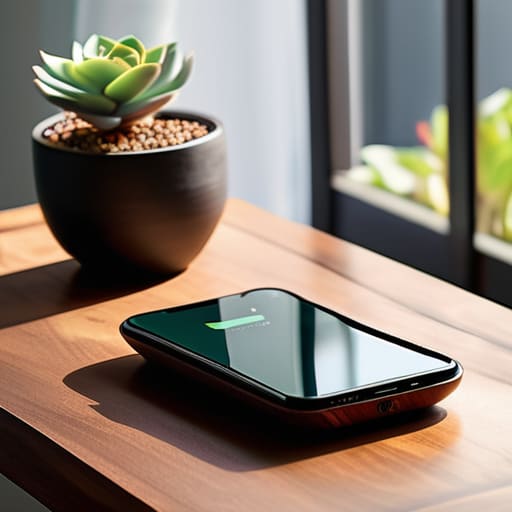
    Now, let’s get into the actual physics of the thing. Most of these gadgets rely on inductive charging technology, which is essentially just using an electromagnetic field to transfer energy through a coil. In theory, it’s a clean, elegant way to power your gear without the constant wear and tear of a physical port. But in practice? It’s often inefficient. I’ve seen too many manufacturers slap a sleek design on a unit that loses half its energy to heat rather than actually moving it into your battery.

    The real headache starts when you’re trying to figure out if a wireless charging pad vs stand setup is actually worth the premium. Stands are great for visibility, but if the alignment isn’t precise, you’re just wasting electricity. I’ve also noticed that many cheap models completely ignore overheating prevention in wireless chargers. If a device gets too hot while sitting on that coil, it’s not just a nuisance—it’s actively killing your battery’s lifespan. If the engineering isn’t sound, it’s nothing more than a glorified paperweight.

    Magnetic Wireless Charging Is It Actually Reliable

    Magnetic Wireless Charging Is It Actually Reliable?

    Now, let’s talk about the magnetic approach. You’ve likely seen the marketing push for magnetic wireless charging, promising a seamless connection that just “snaps” into place. From an engineering standpoint, I can see the logic; it solves the alignment issue that plagues standard inductive charging technology. When you use a basic pad, if your phone is off by even a few millimeters, you aren’t charging—you’re just generating heat. The magnets ensure the coils are perfectly centered, which is a massive win for efficiency.

    However, don’t let the convenience fool you into thinking it’s a magic bullet. I’ve seen plenty of these magnetic setups fail because the magnets are too weak or the casing on the phone is too thick. If the connection isn’t rock-solid, you’ll end up with a device that’s warm to the touch but hasn’t gained a single percentage point of battery life. When you’re shopping, look for mechanical precision in the magnet array. If it feels flimsy or the snap is weak, it’s going to cause more headaches than it’s worth.

    Five Things to Check Before You Waste Your Money

    • Stop using thick, heavy-duty cases. I’ve seen too many people buy a high-end charger only to realize their ruggedized phone case is acting like a lead shield, blocking the induction entirely. If it’s more than a few millimeters thick, don’t bother.
    • Watch out for the “fast charging” claims. Most of these cheap pads won’t actually hit the speeds promised on the box unless you’re using a high-wattage wall brick that matches the charger’s requirements. If you plug a fast charger into an old, weak power adapter, you’re just wasting time.
    • Placement is everything. Unlike a cable where you just plug it in and forget it, wireless charging requires precision. If you have to fiddle with the phone for thirty seconds to get the light to turn green, the internal coils aren’t aligned well enough, and you’re just generating heat instead of power.
    • Check the heat dissipation. If the charging pad feels hot to the touch after twenty minutes, that’s a red flag. Excessive heat is the fastest way to kill a lithium-ion battery, and a poorly engineered charger will cook your phone just to get a few extra milliamps.
    • Don’t trust the cheapest option on the shelf. I’ve opened up plenty of these “bargain” units, and they’re nothing but flimsy plastic housings with subpar copper coils. Spend the extra ten dollars on a brand with actual safety certifications; it’s cheaper than replacing a fried smartphone.

    The Bottom Line: What to Look for Before You Buy

    Don’t get blinded by the “fast charging” labels on the box; if the charger doesn’t have a stable, well-built induction coil, it’s just going to overheat your phone and waste your time.

    If you’re tired of your phone sliding off the pad every time you bump the desk, invest in a magnetic system—it’s the only way to ensure the alignment is precise enough to actually transfer power.

    Look for build quality over aesthetics; a heavy, non-slip base is worth much more than a thin, flashy piece of plastic that shifts around every time you try to pick up your device.

    The Real Test of a Charger

    I don’t care how many lumens or “fast-charge” buzzwords they slap on the box; if I have to wiggle my phone around for five minutes just to get a connection, that device has failed its primary job. A charger should be a tool, not a puzzle.

    Roland Delacroix

    The Bottom Line

    The Bottom Line on choosing chargers.

    At the end of the day, don’t let the glossy marketing brochures fool you. We’ve looked at how inductive charging can be finicky if your alignment is off by a fraction of an inch, and we’ve seen how magnetic systems—while much more convenient—can sometimes feel like a gimmick if the magnets aren’t properly shielded. My advice is simple: stop chasing every new “ultra-fast” label you see on a box. Look for a charger that prioritizes consistent thermal management and a solid, weighted base. If a device feels like a hollow piece of cheap junk in your hand, it’s going to perform like one too. You want a tool that does its job without requiring a manual every time you set your phone down.

    I know it feels like we’re living in an era where everything is designed to be replaced rather than repaired, but you can still make smart, durable choices. Don’t just buy the most expensive option or the cheapest one you find at the grocery store checkout. Take a moment to check the build quality and the technical specs. When you find a charger that actually stays cool and holds its connection without a fight, you’ve found a piece of gear worth keeping. Invest in reliability over hype, and you won’t find yourself hunting for a replacement six months from now.

    Frequently Asked Questions

    Will using one of these pads every night actually kill my phone's battery life faster than a real cable?

    Here’s the truth: it’s not the wireless pad itself that’s the killer, it’s the heat. Induction is inherently less efficient than a direct copper-to-copper connection via a cable, and that lost energy turns into heat. If your charger turns your phone into a hand warmer every night, you’re cooking your battery cells. Use a cable if you want maximum longevity, but if you go wireless, make sure the pad isn’t a cheap, overheating brick.

    I’ve got a thick protective case on my phone; is it going to work, or am I just going to be staring at a blinking error light?

    Here’s the short answer: it depends on the thickness, but don’t count on it. Most wireless chargers struggle once you go past 3 or 5 millimeters of material. If that case is a heavy-duty rugged model, you’re likely going to be staring at that blinking error light all night. I’ve seen too many people buy a premium charger only to realize their case is basically a brick blocking the induction. Check the millimeter spec before you get frustrated.

    Why does my phone get so hot when it's sitting on the charger, and is that something I should be worried about?

    Look, I’ve seen this a dozen times. Heat is the natural enemy of any circuit, and wireless charging is notoriously inefficient—a lot of that energy is lost as heat instead of going into your battery. If it’s just warm, don’t sweat it. But if it’s hot enough to make you uncomfortable to touch, stop. That’s not “efficient charging”; that’s a sign of poor thermal management or a cheap, low-quality coil.

  • Selecting a Smartwatch for Older Adults

    Selecting a Smartwatch for Older Adults

    I was sitting in my workshop last Tuesday, tinkering with a Marantz receiver, when my neighbor stopped by to ask for help with his new wearable. He’d spent a small fortune on a piece of tech that looked more like a miniature computer than a timepiece, only to find himself staring at a screen so small and a menu system so convoluted that he couldn’t even figure out how to check his pulse. It’s the same old story: companies are selling you overpriced plastic and calling it innovation. When you’re looking for a smartwatch for seniors, you aren’t looking for a digital playground or a way to post status updates; you want a tool that does exactly what it says it will do without requiring a manual the size of a phone book.

    I’m not here to sell you on the latest flashy trend or some gadget that will end up in a junk drawer by next month. My goal is to cut through the marketing nonsense and help you find a device that actually holds up to real-world use. I’ve spent my career looking at how things are built, and I’m going to apply that same scrutiny here. I’ll show you which models offer reliable health tracking and clear displays, and which ones are just expensive distractions designed to separate you from your hard-earned money.

    Table of Contents

    Reliable Fall Detection Technology Without the Constant Glitches

    Reliable Fall Detection Technology Without the Constant Glitches

    Now, let’s talk about the one feature that actually matters when things go wrong: fall detection technology. I’ve seen too many gadgets claim they can sense a tumble, only to have them trigger a false alarm because you sat down a bit too quickly on the sofa. That’s not just annoying; it’s a nuisance that leads people to turn the feature off entirely. You want a device with high-quality accelerometers—the kind of precision components I used to spec out in industrial machinery—that can actually distinguish between a heavy step and a genuine accident.

    If the sensor is junk, the whole device is just an expensive bracelet. A reliable unit should be able to detect a hard impact and then give you a brief window to cancel the alert if it was a mistake. Beyond that, I look for seamless integration with emergency SOS features so that help is actually dispatched without you having to fumble with a tiny touchscreen while you’re disoriented. If the software is glitchy, the hardware doesn’t matter. You need something that works the first time, every time, without needing a reboot.

    User Friendly Interface Wearables That Wont Drive You Mad

    User Friendly Interface Wearables That Wont Drive You Mad

    I’ve spent enough time troubleshooting poorly designed control panels in my engineering days to know that complexity is often just a mask for bad design. When you’re looking at user-friendly interface wearables, you shouldn’t have to squint at tiny icons or navigate through a labyrinth of sub-menus just to check the time. If a device requires a manual the size of a phone book just to set an alarm, it’s failed its primary purpose. I look for high-contrast displays and buttons that actually feel like they have a mechanical click, rather than these mushy touchscreens that don’t respond when your hands are a little dry or shaky.

    The goal is simplicity, not a miniature computer strapped to your wrist. A decent device should prioritize the essentials—like clear heart rate monitoring for elderly users—without burying those stats under layers of useless “smart” notifications. You want a screen that is legible in direct sunlight and a menu system that makes sense at a glance. If you have to hunt for more than two taps to reach your emergency settings, the engineers didn’t think about the person actually using the tool. Keep it simple, or don’t buy it at all.

    Five Things to Check Before You Hand Over Your Credit Card

    • Look at the battery life, not the marketing fluff. If a company tells you a watch lasts “all day,” that’s a red flag. You want something that can sit on a charger for a few days at most, not something you have to plug in every single night like it’s a temperamental smartphone.
    • Check the physical buttons. A touchscreen is fine for a teenager, but if you have any stiffness in your hands or if your skin is a bit drier, a glass screen can be a nightmare to navigate. I always look for a device that has at least one real, tactile button you can actually feel.
    • Don’t get blinded by “smart” features you’ll never use. You don’t need a watch that can play music or answer emails if all you really want is to know your heart rate and stay safe. Every extra feature is just another potential point of failure and another way for the software to get confused.
    • Verify the strap material. I’ve seen too many people buy a decent piece of tech only to realize the silicone strap irritates their skin or the buckle is too flimsy to stay secure. If it feels like cheap, thin plastic in the box, it’s going to break in three months.
    • Make sure the emergency contacts are easy to set up. A fall detection feature is useless if the software makes it a chore to program the phone numbers of your kids or your doctor. If the setup process feels like a labyrinth, walk away from the device.

    The Bottom Line: What to Look for Before You Buy

    Prioritize build quality over fancy screens; a watch is useless if the strap snaps or the battery dies halfway through the day.

    Don’t get distracted by “smart” features that add complexity without utility—if you can’t find the heart rate monitor in three seconds, it’s poorly designed.

    Verify that the emergency features actually work with your specific phone and service provider before you commit your hard-earned money.

    ## The Bottom Line on Wearable Tech

    “I’ve spent enough time looking at schematics to know that a gadget’s value isn’t found in its fancy screen or its dozen useless apps; it’s found in whether or not it actually does the one job you bought it for when things go wrong.”

    Roland Delacroix

    The Bottom Line

    The Bottom Line on choosing smartwatches.

    Look, I’m not interested in selling you on the latest shiny toy just because it has a million pixels and a fancy app. When you’re shopping for a smartwatch, you have to cut through the marketing noise and focus on the fundamentals: you need reliable fall detection that doesn’t trigger an alarm every time you reach for a coffee mug, and an interface that doesn’t require a PhD to navigate. If the battery dies in six hours or the screen is too small to read without a magnifying glass, it’s not a tool—it’s a nuisance. Stick to the brands that prioritize build quality and functional simplicity over unnecessary bells and whistles.

    At the end of the day, technology should serve you, not the other way around. We spent our lives building things that were meant to last, and I think we should demand that same standard from the gadgets we wear on our wrists. Don’t let the tech industry convince you that “more features” equals “better value.” A good piece of gear should give you peace of mind and a bit of extra independence without becoming a source of frustration. Buy something that works every single time you put it on, and stop worrying about the rest.

    Frequently Asked Questions

    How long does the battery actually last before I’m stuck with a dead piece of plastic on my wrist?

    Look, I’ve seen enough “cutting-edge” gear fail when it matters most to know that a dead battery is a useless battery. Most of these sleek watches will give you maybe twenty-four to forty-eight hours before they quit on you. If you’re using the GPS or constant heart monitoring, expect even less. Don’t buy into the marketing fluff; if you don’t want to be tethered to a charging cable every single night, look for something with a dedicated long-life battery.

    Is the heart rate monitoring accurate enough to trust, or is it just another gimmick?

    Look, let’s get one thing straight: a smartwatch is not a medical-grade EKG. If you’re looking for something to replace a doctor’s diagnostic tools, stop right there. However, for daily tracking, most reputable brands are quite solid. The trick is to look for optical sensors with decent build quality. If the strap is flimsy or the sensor is cheap plastic, your readings will jump around like crazy. Use it for trends, not for emergencies.

    Can I set these things up myself, or am I going to need to call my grandkids every time there's a software update?

    Look, I get it. The last thing you want is a piece of jewelry that requires a tech support ticket every Tuesday. Most of these modern watches are designed to be “plug and play,” but let’s be honest: the initial pairing can be a headache. If the manual is fifty pages of fine print, walk away. I look for devices with straightforward setup processes and automatic updates that happen in the background while you sleep.

  • Improving Your Television With Streaming Devices

    Improving Your Television With Streaming Devices

    I was sitting in my workshop last Tuesday, trying to calibrate an old Marantz receiver, when my grandson came in complaining that his new “smart” setup wouldn’t load a single movie. He’d spent a fortune on a suite of high-end streaming devices that looked sleek on the shelf but possessed the processing power of a calculator. It’s the same story I see every week: manufacturers are selling you glossy marketing and complicated interfaces instead of actual, reliable hardware. They want you to believe that more features mean a better experience, but in my thirty years of engineering, I’ve learned that complexity is usually just a mask for poor build quality.

    I didn’t spend my career designing systems just to watch people throw money down the drain on flimsy, overpriced plastic. In this guide, I’m going to cut through the technical jargon and tell you which pieces of gear actually hold up under pressure and which ones are destined for the landfill. I’ll be looking at the real-world reliability of these units, focusing on what matters: stable connections, intuitive controls, and hardware that won’t freeze the moment you sit down to relax.

    Table of Contents

    The Truth About 4k Streaming Technology

    The Truth About 4k Streaming Technology explained.

    Let’s get one thing straight: seeing “4K” printed in big, bold letters on a box doesn’t mean you’re actually getting a superior picture. In my experience, most manufacturers use that label as a marketing carrot to get you to spend an extra fifty bucks. True 4K streaming technology isn’t just about the pixel count; it’s about the bitrate and how the hardware handles the data stream. If the processor inside that little plastic stick is cheap, you’re going to see stuttering and artifacts during high-action scenes, no matter what the box claims.

    I’ve spent enough time with a multimeter and a logic analyzer to know that hardware limitations are real. You can have the fastest internet in the neighborhood, but if your home theater connectivity is bottlenecked by a subpar Wi-Fi chip in the device itself, you’re wasting your time. When I’m testing the best streaming sticks 2024 has to offer, I don’t look at the glossy brochures. I look at whether the device can maintain a steady, high-bitrate feed without overheating and throttling its performance halfway through a movie. If it can’t handle the heat, it’s just an expensive paperweight.

    Finding the Best Streaming Sticks 2024 Offers

    Finding the Best Streaming Sticks 2024 Offers.

    Now, let’s get down to brass tacks. When you start looking at the best streaming sticks 2024 has to offer, you’re going to see a lot of glossy marketing claims about speed and “revolutionary” interfaces. Most of it is noise. From an engineering standpoint, I don’t care about how many colorful icons are on your screen; I care about the processor and the thermal management. If a stick is too small to dissipate heat, it’s going to throttle, and you’ll be staring at a spinning loading icon right when the movie gets good.

    I’ve spent the last few weeks testing several units to see which ones actually maintain stable high definition video playback without stuttering. You want to look for hardware that prioritizes a solid Wi-Fi chip and enough RAM to handle modern apps. A lot of these cheap little dongles claim they support every service under the sun, but if the streaming service compatibility is buggy or the remote feels like a toy that’s going to snap in a month, it isn’t worth your hard-earned cash. Look for build quality, not just a low price tag.

    Five Rules for Not Getting Screwed Over by Modern Streaming Gear

    • Stop obsessing over resolution if your internet can’t handle it. I’ve seen people drop a fortune on 4K-capable boxes only to have the picture stutter like a broken record because their router is tucked behind a couch. If your bandwidth is thin, a high-end 4K stick is just a very expensive paperweight.
    • Check the remote before you buy. I don’t care how many features the box has if the remote feels like a cheap, hollow piece of junk that requires a magnifying glass to see the buttons. You want something with decent tactile feedback that doesn’t feel like it’ll snap in half if you press “Play” too hard.
    • Avoid the “ecosystem trap.” Some manufacturers will try to lock you into their specific interface, making it a nightmare to use anything else. Look for devices that play nice with others; you want a tool that works for you, not a device that forces you to jump through hoops just to open an app.
    • Prioritize physical ports over “cloud-only” gimmicks. I still prefer a device that has a USB port or an Ethernet jack. Relying entirely on Wi-Fi is a recipe for frustration. If you can plug it directly into your router, do it. Stability is king.
    • Don’t fall for the “latest and greatest” marketing fluff. Most of these companies release a new model every twelve months just to keep the assembly lines moving. If your current device is working fine and isn’t lagging, keep your money in your pocket. Most of these “upgrades” are just more expensive plastic with a slightly faster processor you won’t even notice.

    My Final Verdict: What to Look For Before You Buy

    Don’t get blinded by the resolution numbers on the box; a 4K stick is useless if the processor is too weak to handle the data without stuttering.

    Prioritize hardware with physical remote buttons and a decent build quality over those sleek, thin plastic remotes that feel like they’ll snap in a week.

    Check your router’s capabilities first—all the expensive hardware in the world won’t fix a signal that can’t reach your living room.

    The Reliability Test

    I don’t care how many megapixels or “smart” features a box claims to have on the packaging; if the interface lags every time you try to change a channel, it’s nothing more than an overpriced paperweight.

    Roland Delacroix

    The Bottom Line on Your Next Purchase

    The Bottom Line on Your Next Purchase

    Look, at the end of the day, you don’t need a spreadsheet of technical specs to make a decent choice, but you do need to look past the marketing gloss. We’ve covered how 4K is only as good as your actual internet speed and why those cheap, off-brand streaming sticks are usually just expensive plastic destined for a landfill. If you want something that works every time you sit down on the couch, prioritize a device with a reliable processor and a clean interface. Don’t get distracted by bells and whistles that only serve to slow down the hardware; focus on stability and build quality above all else.

    I know it feels like every week there is a new gadget claiming to revolutionize your living room, but most of it is just noise. My advice? Buy the hardware that does the job without making you want to throw the remote through the window. Technology should serve you, not the other way around. Invest in a device that offers a seamless experience and then forget it’s even there so you can actually enjoy your movie. Stick to the brands that prove they can build something meant to last, and you won’t find yourself back in the electronics aisle three months from now.

    Frequently Asked Questions

    Do I really need to upgrade to a 4K streaming stick if my television is only 1080p?

    Short answer: No, you don’t. If your TV is capped at 1080p, buying a 4K stick is just paying extra for pixels you’ll never actually see. It’s like putting racing fuel in a lawnmower; it won’t make the blades spin any faster. Save your money and stick to a solid 1080p device. Just make sure it has a decent processor so you aren’t fighting a lagging interface every time you change the channel.

    Will a cheap, off-brand streaming device cause my Wi-Fi to lag or drop out during a movie?

    Look, I’ve seen this a dozen times. You buy some no-name stick for twenty bucks, and suddenly your whole network feels like it’s running through molasses. It’s not always your router; it’s often the device itself. Cheap hardware has poorly shielded Wi-Fi antennas that create “noise,” effectively choking your signal. If the internal components are bottom-shelf junk, they won’t maintain a stable handshake with your router. Don’t gamble your evening on cheap plastic.

    Is it worth paying the premium for a device with a remote that has voice control, or is that just more unnecessary hardware to break?

    Look, I’ve seen enough “innovative” features turn into dead components to be wary. If you’re someone who hates squinting at tiny text on a screen to find a specific movie, the voice control is worth the extra few bucks. It’s a practical shortcut. However, if you’re looking at a remote that’s mostly buttons you’ll never press, just stick to the basic model. Fewer moving parts and fewer sensors mean less chance of it failing you.

  • Selecting a High Performance Gaming Mouse

    Selecting a High Performance Gaming Mouse

    I’ve spent most of my life looking at how things are put together, and frankly, much of what they’re selling you these days makes my blood boil. You walk into a store or browse online, and you’re met with a mountain of colorful, glowing nonsense that feels like it’s made of nothing but hollow eggshells. It’s frustrating because when you’re in the middle of a match, the last thing you need is a sensor that skips or a clicker that feels mushy after a month of use. Finding the best gaming mice shouldn’t feel like a gamble where you’re betting your hard-earned cash on a piece of junk that’ll end up in a landfill by next season.

    I’m not interested in the flashing RGB lights or the marketing jargon that requires a manual just to change the sensitivity. I’ve sat down with my notepad and put these units through the ringer to see which ones actually have the mechanical integrity to last. In this list, I’m going to cut through the hype and show you five specific models that prioritize build quality and precision over flashy gimmicks. You’ll learn exactly which mice are worth your investment and which ones are just overpriced plastic.

    Table of Contents

    The Logitech G502 Hero: A Workhorse for Your Desk

    The Logitech G502 Hero: A Workhorse for Your Desk.

    I’ve seen a lot of gadgets come and go, but this one feels like it was actually designed by someone who understands mechanical integrity. It’s got a bit of weight to it, which I personally prefer over these modern “ultralight” mice that feel like hollow eggshells. The buttons have a distinct, tactile click that tells you exactly when a command has been registered, and the sensor tracking is remarkably consistent even when you’re moving fast.

    Razer DeathAdder V3 Pro: Precision Without the Bulk

    Razer DeathAdder V3 Pro: Precision Without the Bulk

    Now, I usually scoff at anything that tries to be “lightweight,” but I have to admit that Razer hit a sweet spot here. They managed to strip away the unnecessary weight without making the chassis feel flimsy or cheap. It’s a streamlined piece of kit that gets out of your way, which is exactly what you want when you’re in the middle of a session and don’t want to fight your own hardware.

    SteelSeries Rival 3: The Budget Pick That Isn't Junk

    SteelSeries Rival 3: The Budget Pick That Isn't Junk

    Most of the time, when you see a low price tag, you should expect to be buying a piece of overpriced plastic that will break in a month. Surprisingly, the Rival 3 manages to dodge that trap. It’s a simple, no-frills mouse that focuses on the fundamentals: a decent sensor and a shape that fits most hands comfortably. It’s not going to win any awards for luxury, but it gets the job done.

    Zowie EC Series: The Purist's Choice

    If you ask me, the best way to design a tool is to remove everything that isn’t strictly necessary, and Zowie follows that philosophy to a T. There’s no flashy RGB lighting to distract you, no complicated software to install, and no useless extra buttons. It is a purely functional device designed for one thing: precision. The shape is legendary in the competitive scene for a reason—it just works.

    Razer Basilisk V3: More Buttons, Less Nonsense

    For those who need more control over their various applications, the Basilisk offers a layout that feels very intuitive. It’s a bit of a larger mouse, which might be a problem for folks with smaller hands, but the ergonomic grip is excellent for long periods of use. The thumb rest is deep and well-contoured, preventing that hand fatigue I see so many people complaining about.

    The Bottom Line: Don't Get Fooled by the Flash

    Stop chasing every new sensor specification on the box; if the build quality feels hollow and the switches don’t have a satisfying, consistent click, it’s just overpriced junk.

    Weight is a preference, not a rule, but make sure whatever you pick feels balanced in your hand rather than feeling like a top-heavy toy.

    Before you hit ‘buy,’ look past the RGB lighting and the marketing jargon—focus on the durability of the cable and the actual reliability of the sensor under pressure.

    ## The Bottom Line on Build Quality

    “I don’t care how many RGB lights they slap on the chassis or what fancy software they want you to download; if the sensor skips when you move fast and the switches feel like mush after a month, it’s nothing more than an expensive paperweight.”

    Roland Delacroix

    Don't Get Swayed by the Flash

    At the end of the day, picking a gaming mouse shouldn’t feel like a math exam or a gamble with your hard-earned cash. We’ve looked at everything from the lightweight performers to the heavy-duty builds, and the lesson is clear: you have to prioritize build quality and sensor reliability over flashy RGB lighting that does nothing but drain your power. I’ve seen too many people get caught up in the marketing hype of a brand-new release, only to find the switches failing after three months of heavy use. Whether you go with a wired model for that direct connection or a wireless setup for the freedom of movement, make sure the device feels solid in your hand and doesn’t feel like cheap, hollow plastic the moment you apply any real pressure.

    My advice is simple: stop looking for the “perfect” mouse and start looking for the one that actually works for your specific grip and playstyle. A tool is only as good as its ability to perform when you need it most, and a mouse that frustrates you is just a paperweight. Invest in something that respects your budget and your time. Once you find that piece of hardware that feels like a natural extension of your hand, you can finally stop worrying about your gear and get back to the actual game.

    Frequently Asked Questions

    How do I know if a sensor is actually high-quality or just some marketing gimmick on the box?

    Look, don’t let those flashy “25,000 DPI” numbers on the box fool you; that’s just marketing fluff to separate you from your cash. Most people can’t even use half that sensitivity. You want to look for sensor consistency and “lift-off distance.” If the cursor jumps or jitters when you reposition the mouse, the sensor is junk. I always check if the manufacturer names the specific sensor model—if they’re hiding it, they’re hiding something.

    Do I really need to spend a hundred bucks on a wireless mouse, or is a wired connection more reliable for the long haul?

    Look, if you’re asking about reliability, a wired connection wins every single time. You don’t have to worry about battery degradation or signal interference mid-game. That said, if you do go wireless, don’t settle for some cheap, budget junk that loses connection when things get intense. Spend the hundred bucks on a reputable brand with a solid sensor and a battery that actually lasts. If it’s built right, the wireless freedom is worth it.

    What should I look for in a mouse build so it doesn't start creaking or feeling flimsy after six months of use?

    Look for weight and structural rigidity. When you pick it up, give the sides a firm squeeze; if you hear even a hint of creaking or see the shell flex, put it back on the shelf. That’s a sign of cheap, thin plastic that won’t last a season. You want a solid chassis and high-quality switches that feel tactile, not mushy. If it feels like a toy, it’s going to break like one.

  • How Smart Plugs Work

    How Smart Plugs Work

    I was sitting in my workshop last Tuesday, staring at a lamp that wouldn’t turn on, and it hit me: we’ve reached a point where even the simplest tasks require a software update. The marketing folks want you to believe that the real smart plug benefits involve transforming your house into a sci-fi movie set, but most of what they’re selling is just overpriced clutter. I’ve spent thirty years in systems engineering, and if there is one thing I know, it’s that if a tool requires a stable Wi-Fi connection and a PhD just to brew a pot of coffee, it’s a poorly designed tool.

    I’m not here to sell you on the dream of a fully automated life that breaks every time your router hiccups. What I am going to do is cut through the nonsense and tell you which of these gadgets actually serve a purpose and which ones are just destined for the junk drawer. I’ll be looking at these devices from a mechanical standpoint—focusing on build quality, ease of use, and whether they actually deliver on their promises without adding unnecessary complexity to your daily routine.

    Table of Contents

    Reducing Electricity Bills With Smart Plugs and Real Data

    Reducing Electricity Bills With Smart Plugs and Real Data

    Now, let’s get down to the brass tacks: the actual math. Most people think they’re saving money just by turning things off, but they’re missing the bigger picture. If you want to see a real difference in your monthly statement, you need to look for energy monitoring smart plugs. I’ve spent enough time with a multimeter to know that what you can’t measure, you can’t manage. These devices give you a readout of exactly how many kilowatt-hours a specific appliance is pulling. It takes the guesswork out of it. You might find out that your old space heater or that secondary refrigerator in the garage is bleeding cash without you even realizing it.

    The real trick to reducing electricity bills with smart plugs isn’t just about manual control; it’s about preventing phantom power draw. Even when your TV or computer is “off,” those little standby lights and internal circuits are still sipping power. I’ve set mine up to cut the connection entirely during the night. By using a bit of automated scheduling, you ensure nothing is drawing current when it shouldn’t be. It’s not magic; it’s just basic efficiency.

    Preventing Phantom Power Draw Without the Complexity

    Preventing Phantom Power Draw Without the Complexity

    Most people don’t realize that their electronics are essentially “leaking” money even when they aren’t in use. I call it phantom power, and it’s a nuisance. Even when your coffee maker or your old stereo system is switched to “off,” those little standby lights and internal transformers are still pulling a current. It’s a slow, invisible drain on your wallet. By preventing phantom power draw with a simple timer or a smart plug, you’re essentially cutting the cord when you don’t need it, without the hassle of crawling behind the entertainment center every night.

    The real trick here is avoiding the headache of manual management. You shouldn’t have to remember to flip a switch every time you leave the house. I prefer using automated scheduling for appliances to handle the heavy lifting. If I set a schedule so my workstation and peripheral gear lose power at midnight and regain it at 7:00 AM, I’ve eliminated a whole category of waste without lifting a finger. It’s about setting a system that works for you, rather than you working for the system.

    Five Ways to Use These Things Without Losing Your Mind

    • Stop worrying about the coffee pot. If you’ve got a habit of leaving appliances running, set a schedule in the app so they cut power automatically. It’s one less thing to double-check in your head before you leave the driveway.
    • Use them to bring some life back into old gear. I’ve used a few to automate my vintage lamps; you can set them to turn on at dusk so you aren’t fumbling for a switch in a dark hallway every evening.
    • Check your connection stability before you commit. If you’re going to use a plug for something critical—like a heater or a sump pump—make sure it has a solid signal. A smart plug is useless if it drops off your Wi-Fi every three days.
    • Don’t overcomplicate the setup. If an app requires you to create a dozen different accounts just to turn on a fan, skip it. Look for hardware that plays nice with the systems you already have, rather than adding more digital clutter.
    • Watch the load ratings like a hawk. I’ve seen people try to plug a heavy-duty space heater into a cheap, low-amperage smart plug, and that’s a recipe for a melted casing. Read the specs on the box—don’t just assume it can handle everything in your house.

    The Bottom Line: What You Actually Need to Know

    Don’t buy these just for the “cool factor”; only invest in them if you have devices that pull power even when they’re turned off, like older TVs or coffee makers.

    Reliability is everything—if you’re going to spend your hard-earned money, pick a brand that has a stable connection, or you’ll end up with a drawer full of useless plastic.

    Use the data to your advantage, not just to look at pretty graphs; if a plug shows a device is wasting power, cut it off and stop throwing money down the drain.

    The Real Metric of Value

    At the end of the day, I don’t care how many fancy features an app claims to have; if a smart plug can’t reliably cut power to a standby device and actually save you a few cents on your utility bill, then it’s nothing more than a glorified paperweight.

    Roland Delacroix

    The Bottom Line

    The Bottom Line on smart plug usage.

    At the end of the day, smart plugs shouldn’t be treated like some high-tech magic trick. They are simple tools designed to do two things: cut down on that wasted “phantom” electricity and give you a bit more control over your household’s energy consumption. If you use them to automate your heavy hitters and stop your appliances from sipping power while you sleep, they pay for themselves. But if you buy twenty of them just because the box looks shiny, you’re just adding unnecessary complexity to a system that was working fine before. Stick to the basics: find the devices that are draining your wallet, plug them into a reliable unit, and stop paying for power you aren’t actually using.

    Don’t let the marketing departments convince you that you need a fully integrated, voice-activated smart home just to turn on a lamp. Technology is at its best when it stays out of your way and simply does its job without requiring a software update every Tuesday. Buy quality hardware, set it up once, and let it work for you. My goal isn’t to turn your house into a science fiction movie; it’s to help you build a home that is efficient, reliable, and sensible. Invest in tools that offer genuine utility, and you’ll find that modern tech can actually be quite practical when it’s used the right way.

    Frequently Asked Questions

    Are these things actually going to hold up, or will the internal relays fail after a few months of heavy use?

    That’s the real question, isn’t it? Most of these cheap units use tiny, flimsy mechanical relays that’ll arch and weld themselves shut if you push them too hard. If you’re planning to run a space heater or a heavy-duty pump, don’t just grab the cheapest one on the shelf. Check the amperage rating and look for beefier build quality. If it feels like a hollow toy, the internals probably are, too.

    Do I really need a dedicated hub for these, or can I just run them all through my existing Wi-Fi router?

    Here’s the short answer: if you’re only buying two or three plugs, stick to Wi-Fi. It’s simpler and saves you the headache of extra hardware. But if you’re planning to automate your whole house, get a dedicated hub. Wi-Fi plugs crowd your router, and once you have twenty of them fighting for bandwidth, your internet will crawl. A hub offloads that traffic, making the system more stable and reliable. Don’t let a crowded network ruin the utility.

    What happens to my appliances if the internet goes down—will they just stay stuck in whatever state they were in?

    Here’s the short answer: Most smart plugs will simply stay in whatever state they were in when the connection dropped. If the lamp was on, it stays on. If it was off, it stays off. They don’t just go haywire, but you lose all remote control until your router is back online. Just check the manual for the “power-on state” setting; you want to make sure they don’t all kick on unexpectedly after a flicker.

  • Finding the Right Webcam for Video Meetings

    Finding the Right Webcam for Video Meetings

    I spent thirty years in manufacturing, where if a component wasn’t built to spec, it was scrap. Nowadays, I look at the consumer tech market and honestly, it makes my blood pressure rise. You go online to find the best webcams for video calls, and what do you find? A sea of overpriced, flimsy plastic shells that promise “4K glory” but deliver nothing but grainy, stuttering nonsense the moment your lighting isn’t perfect. It’s frustrating to see people shelling out a hundred dollars for a gadget that feels like a child’s toy and performs even worse.

    I’m not here to sell you on the marketing fluff or the flashy software gimmicks that nobody actually uses. Instead, I’ve put my notepad to work and narrowed things down to the hardware that actually holds up. In this list, I’m going to show you five specific models that offer real reliability, decent optics, and a build quality that won’t leave you frustrated mid-meeting. I’ll tell you exactly which ones are worth your hard-earned money and which ones are just expensive junk destined for the landfill.

    Table of Contents

    The Reliable Workhorse: Logitech C920s

    The Reliable Workhorse: Logitech C920s webcam.

    I’ve seen a lot of gadgets come and go in my time, but this little unit from Logitech is about as close to a standard-issue tool as you’re going to get. It isn’t trying to reinvent the wheel with flashy software or ridiculous gimmicks; it just does its job without throwing a tantrum every time you plug it in. The build quality is decent enough for a consumer device, and the 1080p resolution is actually sharp without looking like an over-processed digital mess.

    For the Professional Setup: Logitech Brio 4K

    For the Professional Setup: Logitech Brio 4K.

    If you’re the type who spends eight hours a day in front of a screen for high-stakes meetings, you might want to step up to the Brio. It’s a bit more of an investment, but the glass lens quality is a notable step up from the cheaper plastic models. It handles tricky lighting conditions—like that annoying sunbeam hitting your desk at 2 PM—much better than the budget stuff, thanks to its decent sensor.

    The Budget Option That Doesn't Suck: Anker PowerConf C200

    The Budget Option That Doesn't Suck: Anker PowerConf C200 webcam.

    Most “budget” webcams I test feel like they were manufactured by someone who has never actually used a computer. They’re lightweight, creaky, and the image looks like it was shot through a layer of Vaseline. The Anker C200 is a refreshing exception to that rule. It has a surprising amount of heft for the price point, and the adjustable field of view is a practical touch that most manufacturers seem to have forgotten.

    The High-End Specialist: Razer Kiyo Pro

    Now, I usually steer clear of “gaming” brands because they tend to prioritize RGB lights over actual engineering, but the Kiyo Pro is a bit of an outlier. The standout feature here is the light sensor. Most webcams struggle the moment the room gets dim, but this one handles low-light environments with a level of competence I haven’t seen in many other consumer-grade sensors.

    The Minimalist's Choice: Microsoft Modern Webcam

    Sometimes, you just want something that stays out of the way and doesn’t require a manual the size of a phone book. The Microsoft Modern Webcam is designed for exactly that. It’s clean, it’s simple, and it lacks all the unnecessary “fluff” that modern tech companies try to shove down your throat. It focuses on the fundamentals of video—clear color reproduction and a decent frame rate.

    The Bottom Line on Buying a Webcam

    Stop paying for “smart” software features that just bloat your CPU; focus on the glass and the sensor quality instead.

    If the mounting bracket feels like flimsy, lightweight plastic, it’s going to wobble every time you type, and no amount of resolution will fix a shaky image.

    Don’t forget that lighting is more important than the camera itself—even a decent piece of hardware looks like garbage in a dark room.

    The Bottom Line

    At the end of the day, I don’t care how many fancy software features a company promises you in their marketing; if the sensor can’t handle a little bit of low light without turning your face into a grainy mess, you’re just buying an expensive paperweight.

    Roland Delacroix

    The Bottom Line

    Look, I’ve seen enough gadgets come and go to know that most of them are designed to be replaced in eighteen months, not to actually serve a purpose. When you’re picking out one of these webcams, stop looking at the marketing buzzwords and start looking at the build. Whether you go with a high-end Logitech for its reliability or a more budget-friendly option that actually delivers on its specs, the goal is the same: you want a tool that works every single time you plug it in. Don’t get distracted by unnecessary software bloat or flashy features that require a manual the size of a phone book just to adjust the brightness. Focus on the sensor quality and the physical stability of the mount. If it feels like a toy, it’s going to perform like one.

    At the end of the day, your video call shouldn’t be a technical struggle. You’re trying to connect with people, whether it’s for a professional meeting or a chat with family, and your hardware should be the last thing on your mind. Investing in a piece of equipment that is built to last saves you the headache of troubleshooting mid-sentence and the frustration of having to buy the same thing twice. Buy something solid, set it up once, and then get back to the business of actually living your life.

    Frequently Asked Questions

    Do I really need to spend a fortune on a 4K webcam, or is 1080p enough for a standard office setup?

    Look, I’ve spent enough time looking at schematics to know that more pixels don’t always mean a better picture. For a standard office setup, 1080p is more than enough. Most people are watching you on a tiny laptop screen or a compressed Zoom window anyway; they won’t see that extra 4K detail. Save your money. Invest in a decent light source or a better microphone instead. That’s what actually makes you look professional.

    How much does my lighting situation actually matter compared to the quality of the lens itself?

    Look, I’ve seen guys spend five hundred bucks on a high-end lens only to sit in a dark corner with a single flickering bulb. It’s a waste of good money. You can have the finest optics in the world, but if there’s no light hitting the sensor, all you’re getting is a grainy, digital mess. A decent light source will do more for your image than a premium lens ever could. Fix your lighting first.

    Is it worth buying a dedicated external microphone, or can I just rely on the one built into the webcam?

    Look, if you’re just checking in with the grandkids, the webcam mic is fine. But if you’re doing anything professional, don’t rely on it. Those tiny, built-in diaphragms are prone to picking up every hum from your refrigerator and every click of your keyboard. It sounds thin and hollow. If you want to actually be heard without sounding like you’re underwater, get a dedicated USB microphone. It’s a small investment for a massive jump in reliability.