Blog

  • Fitness Bands Versus Smartwatches

    Fitness Bands Versus Smartwatches

    I was sitting in my workshop last Tuesday, cleaning the dust off an old Marantz receiver, when my nephew tried to sell me on this new “essential” wearable. He kept droning on about apps and cellular connectivity, but all I saw was a glorified, fragile computer strapped to a wrist. It got me thinking about how much money people throw away trying to keep up with every shiny new gadget that hits the shelf. When you’re staring down the choice between a fitness band vs smartwatch, it’s easy to get lost in the marketing fluff and end up with a piece of expensive plastic that dies before dinner.

    I’m not here to sell you on the latest trend or tell you that you need a miniature supercomputer just to count your steps. My goal is simple: I want to help you figure out which device is actually built to last and do its job without constant tinkering. I’ve spent my career looking at how things are put together, and I’m going to tell you exactly what’s worth your hard-earned cash and what is just overpriced junk. Let’s get down to the brass tacks.

    Table of Contents

    The Fitness Band
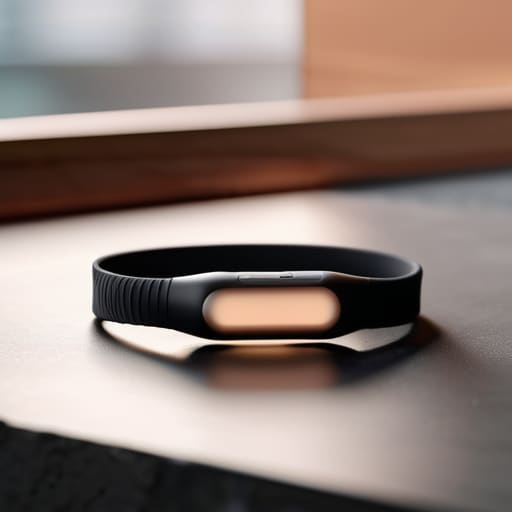
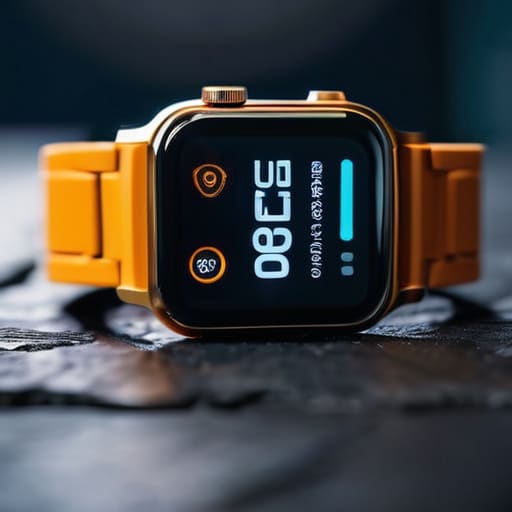
    Minimalist health monitoring with The Fitness Band.

    A fitness band is a streamlined wearable device designed primarily to monitor physical activity through specialized sensors. These units focus on tracking metrics like heart rate, sleep patterns, and step counts, offering a minimalist approach to health monitoring without the clutter of extra features.

    I’ve spent enough time looking at schematics to know that sometimes, less is actually more. When you’re out on a walk or just trying to keep an eye on your vitals, you don’t need a miniature computer strapped to your wrist screaming at you with notifications. A fitness band works because it does one job well without draining a battery in six hours. It’s about getting the data you need to stay healthy without the unnecessary overhead of a complex operating system that’s bound to glitch.

    The Smartwatch

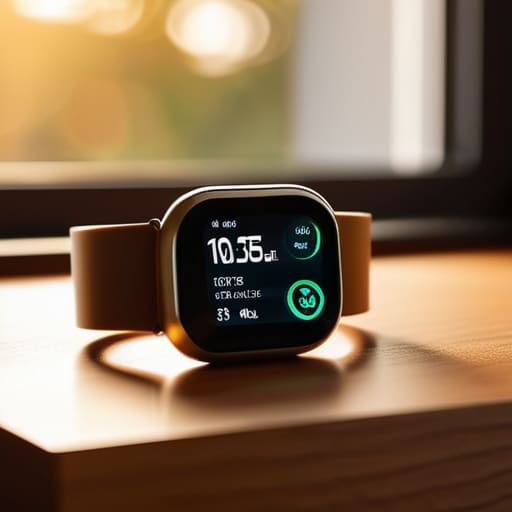
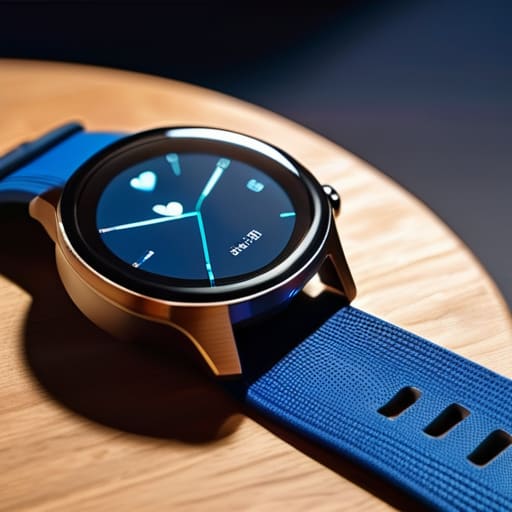
    The Smartwatch performing complex digital tasks.

    A smartwatch is essentially a high-performance computer housed in a wrist-worn chassis, capable of running complex applications and managing digital communications. Its main selling point is its unmatched versatility, acting as an extension of your smartphone by handling everything from GPS navigation to mobile payments.

    Now, don’t get me wrong, the engineering behind these little powerhouses is impressive, but they can be a bit much. A smartwatch is for the person who wants their entire digital life accessible at a glance, but it comes at a cost of constant maintenance. You aren’t just wearing a tool; you’re managing a device that requires regular charging and software updates just to keep it functional. It’s a powerful piece of hardware, provided you have the patience to deal with the complexity that comes with it.

    Comparison of Wearable Devices

    Feature Fitness Band Smartwatch
    Primary Purpose Activity & health tracking Multifunctional connectivity N/A
    Display Type Small, simple LED/OLED Large, high-res touchscreen N/A
    Battery Life Long (7-14+ days) Short (1-3 days) N/A
    Smart Features Limited notifications Full apps, calls, & texts N/A
    Price Point Budget-friendly Premium/Expensive N/A
    Form Factor Slim & lightweight Bulky & substantial N/A
    Best For Dedicated athletes/minimalists Tech enthusiasts/productivity N/A

    Smartwatch vs Fitness Tracker Features What Actually Matters
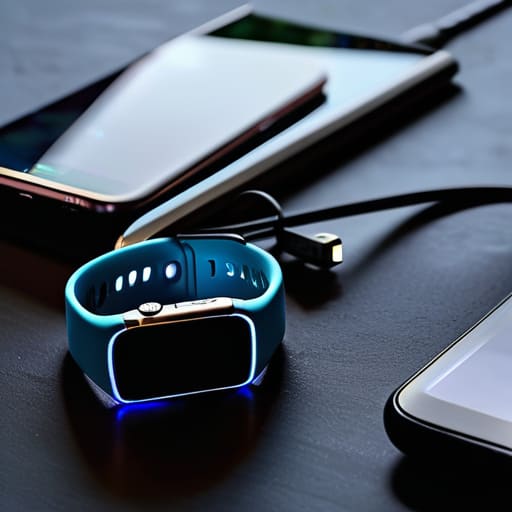
    Smartwatch vs Fitness Tracker Features What Actually Matters

    When you’re looking at these two, you have to look past the shiny marketing and ask one question: do you actually need all those bells and whistles? It’s easy to get distracted by a screen that looks like a miniature smartphone, but if you’re just trying to monitor your heart rate or sleep cycles, half those features are nothing more than expensive distractions that will end up draining your battery before lunch.

    A smartwatch is essentially a computer strapped to your wrist. It’ll handle your emails, take calls, and run third-party apps, but that complexity comes at a cost. You’re trading longevity and simplicity for unnecessary processing power. On the other hand, a fitness band is a single-purpose tool. It does one job—tracking your vitals—and it does it with a level of reliability that these over-engineered smartwatches often lack.

    If you want a digital assistant that constantly pings you with notifications, the smartwatch wins. But if you want a device that actually stays out of your way while you’re living your life, the fitness band is the clear winner for pure utility.

    Health Monitoring Capabilities Separating Science From Gimmicks

    Look, I’ve spent enough time looking at schematics to know that a sensor is only as good as the math behind it. When you’re looking at these gadgets, you aren’t just buying a shiny screen; you’re buying a piece of equipment that claims to monitor your vitals. If you can’t trust the data, you’re essentially paying for a high-tech paperweight that gives you nothing but false peace of mind.

    Smartwatches are the heavy hitters here. Because they have more processing power and better sensor arrays, they can handle complex tasks like ECG readings or blood oxygen monitoring with decent accuracy. They are built for the person who wants a comprehensive health dashboard on their wrist. On the other hand, most fitness bands are stripped-down versions. They’ll give you your heart rate and steps, but don’t expect them to perform any sophisticated medical-grade analysis. They are fine for general trends, but they lack the depth required for serious monitoring.

    If you want a device that actually attempts to understand what’s happening inside your body, the smartwatch is the clear winner. Just don’t treat it like a doctor.

    The Bottom Line: Don't Get Sold a Gimmick

    If you just want to track your steps and sleep without a device constantly buzzing your wrist and demanding a daily charge, buy a fitness band. It’s simple, it works, and it doesn’t try to be more than it is.

    Only spring for a smartwatch if you actually need the connectivity—like answering calls or checking texts on the fly. If you aren’t going to use those features, you’re just paying extra for a fragile screen that’ll be obsolete in two years.

    Look past the marketing jargon and check the sensor reliability. A device that gives you a hundred different “wellness scores” is useless if the basic heart rate and step data are inconsistent; stick to the hardware that prioritizes accuracy over flashy animations.

    ## The Bottom Line on Value

    “Most people think they need a miniature computer strapped to their wrist just to count their steps, but half the time, you’re just paying a premium for a glorified notification center that’ll be obsolete in two years. If you want data that works, buy a tool; if you want a distraction, buy a smartwatch.”

    Roland Delacroix

    The Bottom Line

    At the end of the day, you have to decide if you want a Swiss Army knife or a dedicated screwdriver. If you’re looking for a device that stays out of your way and simply does its job—tracking steps, heart rate, and sleep without requiring a daily recharge—get a fitness band. It’s a tool, plain and simple. But, if you find yourself needing to manage calls, respond to emails, or navigate menus on a bright screen, you’re going to need that smartwatch. Just don’t forget that the more “features” they cram into a tiny piece of hardware, the more likely you are to deal with software glitches and a battery that dies before your workday is even finished. Don’t buy into the hype; buy based on your actual daily requirements.

    I’ve spent enough time looking at blueprints to know that complexity often leads to failure. My advice? Don’t let the marketing departments convince you that you need every bell and whistle just to stay healthy. Whether you choose a rugged tracker or a high-end smartwatch, make sure it’s something you’ll actually wear every single day. A piece of technology is only useful if it’s reliable enough to become a part of your routine. Buy something that works, keep it simple, and stop overpaying for features you’ll never use.

    Frequently Asked Questions

    If I'm just looking to track my heart rate and sleep, is there any real reason to pay the premium for a smartwatch?

    Look, if your only goal is monitoring your heart rate and sleep patterns, then no—there is absolutely no reason to pay that smartwatch premium. Most of those extra features are just bells and whistles designed to pad the manufacturer’s margins. You’re paying for a miniature computer on your wrist that you don’t need. Get a dedicated fitness band. It’ll do the job more reliably, the battery will last longer, and you won’t be throwing money away on expensive plastic.

    How much longer is a simple fitness band actually going to last before the battery or the strap gives out?

    Look, if you’re buying a basic fitness band, you’re looking at two to three years of solid service before the hardware starts to fatigue. The battery is usually the first thing to go—once it loses its capacity to hold a charge, the device is essentially paperweight. As for the strap, if it’s cheap silicone, expect some cracking after eighteen months of sweat and friction. Buy something with replaceable bands; don’t let a broken strap kill a perfectly good sensor.

    Will a smartwatch actually stay connected to my phone reliably, or is it just going to be another device that constantly glitches out?

    Look, if you’re expecting seamless magic, you’re going to be disappointed. Most smartwatches rely on a finicky Bluetooth handshake that can drop the second you walk into the next room or put your phone in a heavy jacket pocket. It’s a software headache waiting to happen. If you just want data that stays put, a fitness band is more reliable because it has less to “sync.” Don’t buy the hype; expect glitches.


  • Choosing an Ergonomic Gaming Chair

    Choosing an Ergonomic Gaming Chair

    I spent thirty years in manufacturing, where if a part was made of cheap, thin-walled plastic, it didn’t just fail—it failed spectacularly and loudly. Lately, I’ve been looking at the “gaming chair” market, and frankly, it makes my blood boil. You see these kids spending five hundred dollars on a seat that looks like it was designed by a teenager with a neon obsession, only to find out the foam collapses in three months and the “ergonomic” lumbar support is nothing more than a useless piece of scrap. They’re selling you a lifestyle wrapped in faux leather that peels off like a bad sunburn, and I’m tired of seeing people throw hard-earned money down the drain for nothing but aesthetic hype.

    I’m not here to show you which chair looks best on a Twitch stream or which one comes in the flashiest colors. My goal is to strip away the marketing nonsense and look at the structural integrity of what you’re actually sitting on. I’ll be looking at frame materials, cylinder ratings, and stitch density—the things that actually matter if you want a piece of equipment that lasts. I promise to tell you exactly what is a solid investment and what is just more expensive, overpriced junk.

    Table of Contents

    High Density Foam Cushioning vs Cheap Spongy Fluff

    High Density Foam Cushioning vs Cheap Spongy Fluff

    Most manufacturers will try to sell you on the “plushness” of a seat, but in my experience, soft is often a synonym for “cheap.” When you sit in one of those racing style gaming seats that feels like a marshmallow right out of the box, you’re usually just feeling low-grade polyurethane foam. It feels great for twenty minutes, but once that air escapes, you’re bottoming out against the hard frame. I’ve seen this a dozen times: a product that looks impressive in a showroom but loses its structural integrity within six months.

    If you want something that actually holds up, you need to look for high density foam cushioning. This isn’t just marketing fluff; it’s about the cellular structure of the material. High-density foam provides the necessary resistance to distribute your weight evenly, which is a critical component when searching for the best gaming chairs for back pain. Instead of the foam collapsing under your weight, it pushes back, maintaining your shape and support for years rather than weeks. Don’t let a soft initial feel fool you; buy for the density, not the squish.

    A No Nonsense Gaming Chair Material Comparison

    A No Nonsense Gaming Chair Material Comparison

    When you look at these racing style gaming seats, don’t let the flashy colors and aggressive bolsters fool you. Most of them are wrapped in low-grade PU leather that’s going to peel and flake off within eighteen months. I’ve seen it a dozen times. If you want something that actually holds up, you need to look for high-quality fabric or even genuine leather. Fabric breathes better, which means you won’t be sweating through your shirt by the end of a session, and it tends to be much more durable over long-term use.

    Beyond the outer skin, you have to consider the structural integrity of the components. I’ve spent a lot of time looking into adjustable armrest ergonomics, and frankly, most of the cheap stuff feels like it’s held together by prayer and thin plastic. You want metal-on-metal contact where possible. If the armrests wobble like a loose table leg, they aren’t going to help with posture correction for gamers; they’re just going to frustrate you. A real piece of equipment should feel solid, not like a toy.

    5 Things to Check Before You Drop Your Hard-Earned Cash

    • Check the base material. If it’s made of thin, molded plastic, it’s going to crack under pressure within a year. Look for a heavy-duty aluminum or reinforced steel base that won’t wobble every time you shift your weight.
    • Don’t trust “adjustable” claims at face value. I’ve seen too many chairs with cheap plastic levers that snap off after a month. Test the tension on the tilt mechanism; it should feel smooth and substantial, not loose and flimsy.
    • Look for real lumbar support, not just a cheap, shapeless pillow tied on with strings. A decent chair should have an integrated mechanism that actually follows the curve of your spine, rather than just shoving a piece of foam against your back.
    • Verify the gas lift rating. Most of these companies hide the specs, but you want a Class 4 hydraulic piston. Anything less is a gamble that you’ll be sitting on the floor by next Christmas when the cylinder fails.
    • Inspect the armrests. If they are “4D” but feel like they’re made of hollow toy plastic, skip them. You want armrests that are bolted securely and can actually handle the weight of your arms without sliding around like they’re on ice.

    The Bottom Line: What to Look for Before You Pull the Trigger

    Stop looking at the flashy colors and LED lights; they won’t help your posture. Focus on the density of the foam and the structural integrity of the frame.

    If the material feels like cheap, thin polyester that breathes poorly, put it back on the shelf. You want heavy-duty fabric or high-grade leather that won’t peel after six months.

    Check the base and the adjustment levers. If the components feel lightweight and flimsy, the chair is just expensive plastic that’s going to fail you when you need it most.

    The Truth About Your Seat

    Most of these manufacturers will try to sell you on “ergonomic curves” and flashy RGB lighting, but if the base is cheap nylon and the padding bottoms out after three months, you haven’t bought a chair—you’ve just bought an expensive way to ruin your posture.

    Roland Delacroix

    The Bottom Line on Your Next Seat

    The Bottom Line on Your Next Seat.

    At the end of the day, choosing a chair shouldn’t feel like a gamble. We’ve looked at why you need to demand high-density foam instead of that cheap, spongy fluff that collapses after three months, and why the fabric or leather you choose matters just as much as the frame underneath. If the manufacturer is hiding the technical specs behind flashy RGB lights and marketing jargon, that’s a massive red flag. You aren’t just buying a piece of furniture; you are investing in a tool that supports your body through hours of use. Don’t let them sell you a glorified bucket seat made of flimsy, overpriced plastic that’ll leave you with a sore back before the year is out.

    I’ve spent enough years in manufacturing to know that if a company cuts corners on the internal components, they aren’t going to be generous with the longevity of the finished product. Take your time, check the weight ratings, and look for real mechanical substance. You deserve equipment that works as hard as you do, without needing a manual just to sit down. Buy something that is built to last, not something designed to be replaced in next year’s sale. Stick to the specs, trust your gut, and buy it once, buy it right.

    Frequently Asked Questions

    How do I tell if the hydraulic gas lift is actually high-quality or just some cheap component that's going to fail in six months?

    Look, the gas lift is the heart of the chair. If it’s junk, you’ll be sinking to the floor by Christmas. First, check the cylinder specs; you want something rated for Class 4. Don’t settle for less. When you inspect it, look for a heavy, seamless steel casing rather than thin, painted aluminum. If the piston feels loose or wobbles when you sit, walk away. A quality lift should feel solid, not springy.

    Is there any real difference between genuine leather and those "breathable" synthetic fabrics when it comes to long-term durability?

    Look, if you want something that lasts a decade, genuine leather is the winner, hands down. It develops a patina and handles the wear and tear of daily use without cracking. Those “breathable” synthetics? They’re mostly just fancy marketing for polyurethane. They feel fine for the first six months, but once that top coating starts peeling off in little flakes, you’re looking at a piece of junk you can’t repair. Buy real leather or don’t bother.

    What should I be looking for in the base and casters to ensure the chair doesn't wobble or buckle under weight?

    Don’t let them sell you on “stylish” nylon bases. If you want something that won’t buckle when you lean back, look for a heavy-duty aluminum or steel five-star base. Nylon is just glorified plastic that cracks over time. As for the casters, make sure they’re dual-wheel and rated for your weight. If they feel flimsy or jittery on your floor now, they’re going to fail you in six months. Get metal, get stability.

  • Automating Your Coffee Maker With Smart Plugs

    Automating Your Coffee Maker With Smart Plugs

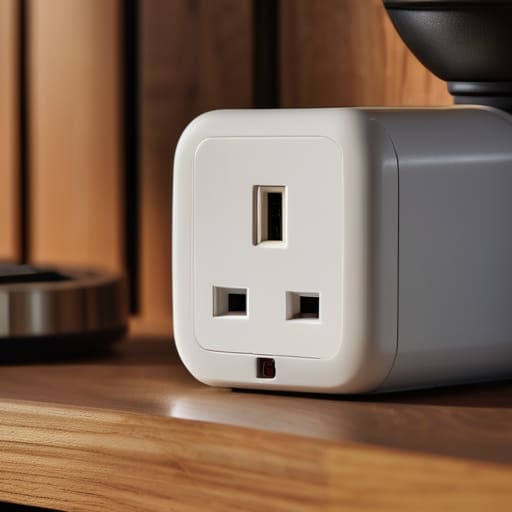
    I spent thirty years in manufacturing, where if a component didn’t do exactly what the schematic promised, it was scrap. Nowadays, I see people throwing fifty bucks at some “smart” gadget that promises to revolutionize their morning, only to find out it’s nothing more than overpriced plastic that loses connection the second the microwave turns on. If you’re looking into smart plugs for coffee makers, don’t let the flashy marketing fool you into thinking you need a complicated ecosystem just to get a hot cup of joe. You don’t need a degree in computer science to automate a kitchen appliance; you just need something that actually stays connected when it matters most.

    I’m not here to sell you on the latest tech hype or some subscription-based nonsense. My goal is simple: I’ve tested the hardware, poked at the build quality, and sat through the connectivity headaches so you don’t have to. I’m going to show you which models actually have the mechanical reliability to handle a heating element and which ones are destined for the junk drawer. We’re going to find you a tool that works every single morning, without the tech-induced migraine.

    Table of Contents

    Testing Smart Plug Compatibility With Drip Coffee Makers

    Testing Smart Plug Compatibility With Drip Coffee Makers

    When I sat down at my workbench to test these units, I wasn’t looking at the flashy apps or the colorful LED rings. I was looking at the mechanical switch on the back of my old drip machine. Here is the reality: a smart plug can only do so much. If your coffee maker has a digital clock or a “soft” power button that requires a finger press to start a cycle, a smart plug is nothing more than an expensive paperweight. For this to work, you need a machine with a physical, mechanical on/off toggle that stays in the “on” position even when the power is cut.

    I ran several tests to ensure smart plug compatibility with drip coffee makers wasn’t just marketing fluff. I checked how the relays handled the initial surge when the heating element kicked in. You don’t want a device that clicks and dies after a week of heavy use. I also spent some time scheduling coffee with Alexa or Google Home to see if the timing stayed consistent. If the automation skips a beat because of a minor Wi-Fi hiccup, you’re left staring at an empty mug. You need hardware that stays reliable, not just “smart.”

    The Real Truth About Energy Saving Smart Kitchen Devices

    The Real Truth About Energy Saving Smart Kitchen Devices

    Now, let’s get one thing straight: most of the marketing fluff surrounding energy saving smart kitchen devices is nothing more than a way to justify a higher price tag. Manufacturers love to claim that these gadgets will slash your utility bills, but if you’re just using a smart plug to turn off a device that’s already drawing negligible phantom power, you aren’t saving money—you’re just spending money to save pennies. I’ve seen enough circuit boards in my time to know that unless you’re managing a high-draw appliance, the “savings” are often negligible compared to the initial cost of the hardware.

    The real value isn’t in the electricity bill; it’s in the reliability of the routine. If you’re setting up an automated coffee brewing schedule, you aren’t doing it to be “green,” you’re doing it so you don’t have to stumble around a dark kitchen in the morning. Don’t get distracted by the bells and whistles of fancy apps if the core mechanism—the physical relay inside the plug—is cheap. If the hardware can’t handle the repetitive cycling of a heating element, it’s just more electronic waste headed for a landfill.

    Five Things to Check Before You Plug In

    • Check your coffee maker’s physical switch first. If you have to push a button to start a brew, a smart plug won’t do a lick of good; it only works if the machine has a mechanical “on” toggle that stays in place when the power is cut.
    • Don’t ignore the wattage rating on the plug’s label. Most coffee makers draw a heavy current when heating water, so if you buy a cheap, low-amperage plug meant for a bedside lamp, you’re asking for melted plastic and a tripped breaker.
    • Look for a local control option. I don’t care how “smart” a device is if it won’t work when your internet goes down; you want a plug that responds to a physical button or a local hub, not one that turns into a paperweight the moment the Wi-Fi hiccups.
    • Verify the app’s reliability before you commit. I’ve seen too many “smart” gadgets that require a ridiculous, bloated app just to perform a simple timer function; if the software is clunky, the hardware is useless.
    • Prioritize a “Schedule” feature over “Voice Control.” Being able to yell at a speaker to make coffee is a novelty, but a reliable, hard-coded schedule that runs locally is what actually ensures your caffeine is ready when you walk into the kitchen.

    What I Learned from the Bench

    Check your coffee maker’s switch first; if it’s a digital button that needs a press to start, a smart plug won’t do a lick of good without a mechanical workaround.

    Don’t get blinded by fancy apps and “smart home ecosystems”—if the plug can’t maintain a steady connection to your router, you’ll be waking up to a cold pot every single morning.

    Look for a heavy-duty rating on the specs; these devices pull a decent amount of current, and I’ve seen enough cheap, flimsy plastic melt to know that build quality matters more than a sleek design.

    ## The Bottom Line on Automation

    “I’ve spent enough time looking at circuit boards to know that if a smart plug can’t handle the initial surge of a heating element without dropping its connection, it’s nothing more than an overpriced paperweight. You aren’t buying ‘convenience’ if you have to reset your Wi-Fi every morning just to get a decent cup of joe.”

    Roland Delacroix

    The Bottom Line on Your Morning Brew

    The Bottom Line on Your Morning Brew

    Look, I’ve spent enough time looking at circuit boards to know that a smart plug is just a middleman between you and your caffeine. If you’re going to do this, do it right. Don’t buy the cheapest, unbranded junk you find on a discount site; those things are nothing more than expensive plastic that’ll fail the moment your router updates. You need a plug with a solid physical relay and a connection that doesn’t drop every time the microwave runs. Make sure the wattage rating actually accounts for the heating element in your brewer, or you’re just asking for a blown fuse. Stick to the brands that prioritize build quality over flashy apps, and you’ll actually have your coffee ready when you walk into the kitchen.

    At the end of the day, technology should serve you, not the other way around. I didn’t spend thirty years in systems engineering to spend my retirement troubleshooting a coffee maker that won’t turn on because of a software glitch. If a smart plug makes your morning smoother without adding a layer of digital headache, it’s a tool worth owning. But if it feels like you’re fighting the machine just to get a decent cup of joe, toss it in the bin and go back to a manual switch. Invest in gear that works, keep your setup simple, and stop letting gadgets complicate your life.

    Frequently Asked Questions

    Will a smart plug actually turn on my coffee maker if it has a digital clock or a physical "on" switch?

    Here is the hard truth: if your coffee maker has a digital clock or a physical toggle switch that stays in the “on” position, a smart plug will work just fine. You’re essentially just cutting and restoring the flow of electricity to the machine. However, if your machine requires you to press a “Start” button every single time you plug it in, a smart plug is nothing more than an expensive paperweight. Test it before you buy.

    Is there a risk of the smart plug overheating if my machine pulls a lot of wattage during the brewing cycle?

    Look, this is exactly why I carry my notepad. You have to check the math before you plug anything in. Most coffee makers—especially those high-end espresso machines—pull a massive amount of current during the heating cycle. If you use a cheap, flimsy smart plug rated for only 10 amps when your machine pulls 15, you’re asking for melted plastic or, worse, a fire. Always match the plug’s amperage rating to your machine’s peak draw. Don’t cut corners on safety.

    Do I really need a dedicated hub for this, or can I just run it off my home Wi-Fi without everything crashing?

    Look, if you’re just plugging in one or two devices, your Wi-Fi can handle it. But if you start adding smart lights, plugs, and sensors all at once, you’re going to clog up your router’s bandwidth like a bad pipe. A dedicated hub takes that heavy lifting off your Wi-Fi, keeping your internet stable for actual work. If you want reliability and not a constant headache, get a hub. Don’t crowd your signal.

  • Controlling Home Scents With Smart Diffusers

    Controlling Home Scents With Smart Diffusers

    I was sitting in my workshop last Tuesday, trying to recalibrate an old Marantz receiver, when I realized my living room smelled like a chemical factory because of a “smart” device I’d picked up on a whim. I’ve spent thirty years in systems engineering, and if there is one thing I can’t stand, it’s a gadget that adds complexity without adding value. Most people marketing smart fragrance diffusers these days are trying to sell you a glorified Wi-Fi chip wrapped in cheap, translucent plastic. They want you to believe you need a smartphone app and a stable internet connection just to make your house smell like lavender, but frankly, if the device requires a firmware update just to spray a mist, it’s a broken system.

    I’m not here to sell you on the “lifestyle” or the flashy app interfaces that look good in a commercial. My goal is to help you separate the reliable hardware from the overhyped junk that will end up in a landfill by next Christmas. I’ve put my notepad to use testing these units to see which ones actually hold a scent and which ones are just expensive paperweights. I’ll tell you exactly what to look for in terms of build quality and ease of use, so you can spend your money on something that actually works.

    Table of Contents

    The Truth About Flaky App Controlled Scent Machines

    The Truth About Flaky App Controlled Scent Machines

    I’ve spent enough time troubleshooting faulty control boards in industrial settings to know a bad connection when I see one. Most of these app-controlled scent machines suffer from the same fundamental flaw: they rely on a cloud server that’s often more fragile than the plastic housing itself. You buy one because you want smart scent scheduling to make your house smell like sandalwood right before you walk through the door, but instead, you spend your evening staring at a “device offline” notification. If the software is buggy, the hardware is just a paperweight.

    The real headache comes when these iot aromatherapy devices lose their handshake with your router. I’ve seen units that work perfectly fine until a firmware update turns them into useless bricks. You aren’t looking for a tech project; you’re looking for a way to make your living room smell decent. If a manufacturer prioritizes flashy animations in their app over a stable, local connection, they are selling you a headache, not a convenience. Stick to devices that don’t require a constant handshake with a server just to release a bit of mist.

    Why Essential Oil Nebulizers Are Worth the Investment

    Why Essential Oil Nebulizers Are Worth the Investment

    Now, if you’re tired of those cheap ultrasonic units that just spit out a lukewarm mist, you need to look at essential oil nebulizers. Unlike the plastic junk that relies on water to create a cloud, a nebulizer uses pressurized air to break the oil down into a fine, pure mist. It’s a mechanical process, simple and effective. Because there’s no water involved, you aren’t dealing with mold buildup or a diluted scent that disappears the moment you walk into the next room.

    When you integrate these into automated home fragrance systems, you’re finally getting something that behaves like a piece of real equipment. A decent nebulizer paired with a reliable timer means you get a consistent scent profile without having to babysit the device. I’ve spent enough time fixing broken gears to know that simplicity wins every time. You want a machine that uses physics to do its job, not one that relies on a buggy software update just to keep a scent in the air.

    Five Things to Check Before You Hand Over Your Credit Card

    • Prioritize local control over cloud dependence. If the manufacturer’s server goes down or they decide to stop supporting the app, you don’t want a $150 paperweight sitting on your shelf. Look for devices that can be scheduled or operated without needing a constant handshake from a server halfway across the world.
    • Check the tank material. I’ve seen too many “smart” units using cheap, thin plastics that react poorly to essential oils over time. You want something robust—ideally glass or high-grade, oil-resistant polymers—that won’t degrade or leach chemicals into your scent.
    • Don’t get distracted by “Smart Home” buzzwords. A diffuser that integrates with your lights is a novelty, not a necessity. Focus instead on the reliability of the timer and the sensor. If the device can’t accurately follow a simple “on at 6 PM, off at 8 PM” command, the smart features are just window dressing.
    • Look for easy maintenance. If a device has a complex internal mechanism that requires a specialized brush or a proprietary cleaning solution just to prevent clogging, walk away. You want something you can wipe down with a bit of isopropyl alcohol without needing a degree in micro-mechanics.
    • Evaluate the power source. A smart diffuser that relies solely on a tiny, non-replaceable battery is a recipe for frustration. I prefer units that have a reliable plug-in option but perhaps a backup battery for short outages. Stability is everything when it comes to consistent output.

    The Bottom Line on Scent Technology

    Don’t get blinded by fancy app features; if the device can’t maintain a steady connection to your Wi-Fi, it’s just a paperweight that won’t scent your room when you actually need it to.

    Prioritize nebulizers over cheap ultrasonic models if you want real results; they use actual pressure to disperse oil rather than just spitting out watered-down mist.

    Before you pull the trigger on any purchase, check the build quality and the availability of replacement parts—if you can’t fix it or find more oil for it, you’re just buying future landfill.

    The Bottom Line on Connectivity

    I don’t care if a diffuser can sync with your smart home ecosystem or change colors via an app; if the hardware can’t maintain a consistent mist without a firmware update or a Wi-Fi reset, it’s not a tool—it’s a paperweight.

    Roland Delacroix

    The Bottom Line

    The Bottom Line: prioritizing reliable nebulizer mechanisms.

    At the end of the day, don’t let a fancy marketing department talk you into buying a paperweight. I’ve seen enough “smart” gadgets fail because they rely too heavily on a buggy app rather than a solid mechanical foundation. If you’re going to spend your hard-earned money, make sure you’re prioritizing a reliable nebulizer mechanism over a sleek touchscreen that’ll be obsolete in two years. Check the build quality, ensure the essential oil reservoir is easy to clean, and for heaven’s sake, make sure it actually functions when the Wi-Fi goes down. If the tech is too complicated to operate without a troubleshooting guide, it isn’t a convenience; it’s a chore.

    Technology should serve you, not the other way around. Whether you’re looking to mask the smell of a busy kitchen or just want to unwind after a long day, the goal is a pleasant environment, not a constant battle with your smartphone. Stick to the basics: find a machine that uses high-quality components and delivers a consistent scent without a fuss. Invest in something that is built to last, not just to look good on a showroom floor. Buy once, buy right, and keep your home smelling great without the unnecessary headache.

    Frequently Asked Questions

    Is it worth paying a premium for a Wi-Fi-enabled model when a simple mechanical timer does the same thing?

    Look, if you just want a scent in the room at 6:00 PM, a mechanical timer is more reliable and half the price. I’ve seen too many “smart” devices fail because of a firmware update or a dropped signal. You only pay the premium for Wi-Fi if you actually need to trigger a scent while you’re away from home or want to sync it with a complex routine. Otherwise, don’t pay for the connectivity.

    How much maintenance is actually involved in cleaning these machines to prevent the oils from gumming up the internal parts?

    If you aren’t cleaning your diffuser, you’re essentially building a clog. Since essential oils are viscous, they’ll eventually gum up the nozzle or the ultrasonic plate. I recommend a quick wipe-down with isopropyl alcohol once a week. If you’re using a nebulizer, you’ll need to run a cleaning cycle with a bit of high-proof alcohol every few uses to keep the internal pathways clear. It’s a small price to pay to avoid buying a new one.

    Can I use my own high-quality essential oils, or am I forced to buy the brand's expensive proprietary refills?

    This is where most companies try to pull a fast one on you. They sell you a decent machine, then trap you in a subscription loop with proprietary pods that cost a fortune. If you’re looking at a device that only accepts their specific cartridges, walk away—that’s just bad engineering designed to bleed your wallet dry. Look for an open-system nebulizer. That way, you can use the high-quality oils you already trust without paying a “brand tax.”

  • Selecting a Digital Drawing Tablet

    Selecting a Digital Drawing Tablet

    I spent thirty years in manufacturing, where if a part didn’t meet the spec, it went in the scrap bin. It’s the same way with modern tech, yet I see people dropping a month’s rent on a digital drawing tablet just because some flashy advertisement promised them “unlimited creative potential.” Let me tell you something: most of those high-end models are nothing more than expensive plastic wrapped in marketing jargon. You don’t need a device that requires a software engineering degree just to get a line on the screen; you need something with a decent pressure sensor and a build quality that doesn’t feel like a toy.

    I’m not here to sell you on the latest trend or some overpriced brand name that’s mostly hype. My goal is to look under the hood and tell you what actually holds up under real-world use. I’m going to break down which tablets offer genuine reliability and which ones are just going to end up gathering dust in a drawer. I’ll focus on the specs that actually matter—the stylus latency, the surface friction, and the connection stability—so you can spend your hard-earned money on a tool that actually works.

    Table of Contents

    Pen Display vs Graphics Tablet Which Actually Works

    Pen Display vs Graphics Tablet Which Actually Works

    Now, let’s get down to brass tacks. People often use these terms interchangeably, but from an engineering standpoint, they are two completely different beasts. A standard graphics tablet is essentially a high-precision input device; you’re moving a pen on a black slab while looking up at your computer monitor. It’s a bit of a learning curve, similar to learning to drive a manual transmission, but it’s built to last and won’t clutter your desk with extra cables.

    On the other hand, a pen display is a monitor you can actually draw on. It feels more natural, almost like putting pen to paper, but you’re paying a premium for that screen. When you’re weighing pen display vs graphics tablet, you have to decide if you actually need that direct visual feedback or if you’re just buying into the hype. If you’re just starting out, don’t feel pressured to buy the most expensive screen right away. I’ve seen plenty of folks blow their budget on a high-end display only to realize they actually needed a sturdy, reliable input surface that doesn’t require a constant software update just to function.

    Wacom Alternatives for Beginners That Wont Break the Bank

    Wacom Alternatives for Beginners That Wont Break the Bank

    Now, I know what you’re thinking. You’ve seen the price tags on the high-end Wacom units and thought you’d need a second mortgage just to start sketching. I get it. Back in my engineering days, we used to say if you can’t afford the premium tool, you look for the one that’s built with the same tolerances. For those just starting out, you don’t need a professional studio setup; you need wacom alternatives for beginners that won’t fall apart after six months of heavy use.

    Brands like Huion and XP-Pen have come a long way from the flimsy junk they used to sell. They’ve managed to get their pressure sensitivity levels high enough that you won’t feel like you’re dragging a crayon across a windowpane. When I’m testing these, I look at the build quality of the stylus first. If the pen feels like a cheap piece of hollow plastic, I pass. You want something with a bit of weight to it—something that feels like a real tool. Just make sure you check if they offer easy stylus nib replacement, because you’re going to wear those tips down faster than you think.

    Five Things to Check Before You Open the Box

    • Don’t get blinded by the resolution specs. A 4K screen sounds impressive on a marketing flyer, but if the pen lag is high, you’ll be fighting the device instead of drawing. Look for low latency, not just high pixel counts.
    • Check the build quality of the stylus. If the pen feels like a hollow piece of cheap plastic in your hand, your wrist is going to pay for it after an hour of work. It needs weight and a decent grip.
    • Verify the connection type. I’ve seen too many people buy a high-end tablet only to realize it requires three different proprietary adapters just to plug it into a standard laptop. Stick to USB-C whenever possible to keep your desk from looking like a bird’s nest of wires.
    • Look for physical shortcut keys. Relying entirely on on-screen menus is a recipe for frustration. A decent tablet should have a few tactile buttons you can program so you aren’t hunting through software windows every thirty seconds.
    • Make sure the driver software isn’t a nightmare. A tablet is useless if the driver crashes every time you reboot your computer. Read the forums first—if everyone is complaining about buggy software, walk away, no matter how good the hardware looks.

    The Bottom Line: Don't Get Sold a Bill of Goods

    Stop chasing the most expensive screen on the market; if you’re just starting out, a reliable, mid-range graphics tablet with decent pressure sensitivity will serve you far better than a flimsy, overpriced pen display.

    Prioritize build quality and connection stability over flashy software features—if the stylus loses connection or the plastic feels like it’s going to snap under pressure, the “advanced” features won’t matter.

    Do your homework on the pen technology before you pull the trigger; you want a tool that feels like an extension of your hand, not a piece of tech that requires a manual just to draw a straight line.

    ## The Real Test of a Tool

    “I don’t care how many fancy features a marketing brochure promises; if the stylus has a lag that makes your hand feel like it’s fighting the machine, you aren’t holding a tool—you’re holding an expensive paperweight.”

    Roland Delacroix

    Bottom Line: Don't Get Fooled by the Hype

    Bottom Line: Don't Get Fooled by the Hype

    At the end of the day, choosing a digital drawing tablet shouldn’t feel like you’re trying to solve a complex calculus equation. We’ve looked at the difference between a pen display and a standard graphics tablet, and we’ve identified that you don’t need to drop a month’s mortgage on a Wacom just to get started. Whether you go with a budget-friendly alternative or invest in a professional-grade display, the most important thing is that the hardware actually does what it says on the box without glitching out mid-stroke. Don’t get distracted by flashy marketing or unnecessary features that just add more points of failure; focus on build quality and pressure sensitivity that will actually stand the test of time.

    I’ve spent a lifetime looking at how things are put together, and I can tell you that the best tool is the one that stays out of your way so you can actually do your work. A tablet is just a piece of equipment, not a magic wand. Once you have something reliable sitting on your desk, the technology disappears and all that’s left is your own skill and creativity. Stop worrying about whether you have the “latest and greatest” and just get to work with something that works. Real progress comes from practice, not from owning the most expensive plastic on the market.

    Frequently Asked Questions

    Do I really need a screen on my tablet, or is a basic pad enough to get the job done?

    Look, it comes down to how your brain handles spatial coordination. If you’re used to drawing directly on paper, a screen will feel natural, but you’ll pay a premium for that convenience. If you’re on a budget, a basic pad is more than enough—it’s just a matter of learning to look at your monitor while your hand moves below. Don’t buy a screen just because it looks fancy; buy it if you actually need the tactile feedback.

    How do I tell if a stylus is actually going to last, or if it's just more cheap plastic that'll break in six months?

    Look for weight and balance. If a stylus feels like a hollow piece of junk, it’s going to snap the moment you apply real pressure. I always check the nib mechanism; if it feels loose or wobbly, walk away. You want something with a solid internal sensor and a nib that doesn’t feel like it’s grinding against the surface. Don’t be fooled by flashy LED lights—check the build quality first.

    Is it worth paying a premium for a big-name brand, or can I find something reliable without the marketing markup?

    Look, I’ve seen this play out in every industry: you pay for the logo, not the logic. If you’re looking at a Wacom, you’re paying for their driver stability and a decade of industry trust—that’s worth something if you want to get to work without a headache. But for most people? You can pick up a Huion or XP-Pen and get 90% of the performance for half the price. Just check the build quality first. Don’t buy a paperweight.

  • Using a Portable Monitor for Mobile Productivity

    Using a Portable Monitor for Mobile Productivity

    I spent thirty years in manufacturing, where if a component wasn’t built to spec, the whole line ground to a halt. Nowadays, I see people buying tech that feels like it was designed to fail the moment it leaves the box. It’s especially true when you’re hunting for the best portable monitors on the market. You see these sleek, paper-thin screens advertised everywhere, but most of them are just overpriced pieces of plastic that jitter when you move them or lose connection the second you plug them into a laptop. It’s frustrating to see people drop hundreds of dollars on a gadget that can’t even handle a simple workday without a hiccup.

    I’ve spent the last few weeks putting several of these units through their paces, checking the build quality, the port stability, and whether the color accuracy is actually legitimate or just marketing fluff. In this list, I’m cutting through the noise to show you five specific models that actually meet my standards for durability and performance. I’ll tell you exactly which ones are worth your hard-earned money and which ones you should leave on the shelf.

    Table of Contents

    The Workhorse for Serious Engineers

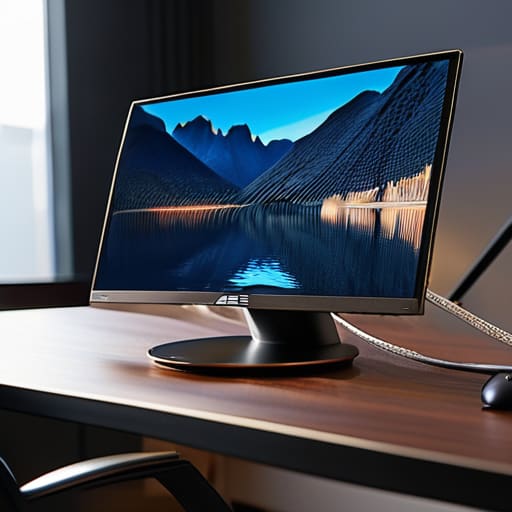
    The Workhorse for Serious Engineers, ASUS ZenScreen.

    When I first sat down with the ASUS ZenScreen, I wasn’t looking for flashy lights or some gimmicky touch interface. I wanted something that felt like it was built to actually last. Most of these modern screens feel like they’d snap under the slightest pressure, but the ZenScreen has a certain heft to it that tells me the internal components aren’t just rattling around in a hollow shell. It connects via a single USB-C cable, which is fine, provided you aren’t using a cheap, unshielded cord that drops the signal every five minutes.

    Built Like a Tank for the Road

    ViewSonic TD Series: Built Like a Tank for the Road.

    If your idea of a workspace involves a cramped airplane tray or a coffee shop table that’s seen better days, you need something with a bit more backbone. The ViewSonic TD Series is designed for people who are actually on the move. The integrated kickstand isn’t some flimsy little plastic tab that’ll snap off in a week; it’s a sturdy mechanism that holds the weight of the panel without wobbling like a leaf in the wind.

    The Budget Option That Won't Fail You

    The Budget Option That Won't Fail You.

    I’ll be the first to admit that I’m usually skeptical of anything labeled “budget,” because that’s often code for disposable junk. However, the Arzopa portable monitors have managed to surprise me. For the price they’re asking, you aren’t getting premium aluminum housing or fancy brand names, but you are getting a display that stays bright and consistent. It’s a far cry from the high-end professional gear, but it gets the job done without emptying your savings account.

    High Definition Without the Headache

    Sometimes you need more than just a second screen; you need a screen that can actually show you what you’re looking at in high fidelity. The LG Gram +view is a different beast entirely. While most portable monitors feel like an afterthought, this one feels like it was engineered with a specific purpose in mind. The resolution is sharp enough that I didn’t find myself squinting at text, which is a constant struggle with these smaller, low-density panels.

    The Ultimate Setup for Professionals

    For the folks who are running a mobile command center, the Dell C1422H is the gold standard. I’ve spent my career looking at systems integration, and Dell understands how to make hardware that plays nice with other hardware. This monitor is slim, yes, but it doesn’t feel fragile. It has a professional aesthetic that doesn’t scream for attention, which is exactly how a piece of utility equipment should be.

    Bottom Line: Don't Get Fooled by the Glossy Marketing

    Stop looking at the resolution numbers alone; if the build quality feels like a cheap toy, it’s going to fail you the moment you actually try to use it in the field.

    Check your connections twice before you buy—there’s nothing more frustrating than spending a hundred bucks on a screen that won’t play nice with the hardware you already own.

    Prioritize reliability over “bells and whistles”; I’d rather have a solid, well-constructed panel that does one thing perfectly than a flashy piece of junk that requires a software update just to turn on.

    ## The Bottom Line on Portability

    “I’ve seen enough cheap components in my time to know that ‘portable’ shouldn’t be an excuse for ‘fragile.’ If a monitor relies on a flimsy stand and a prayer to stay upright, it’s not a tool—it’s a liability. You want something with a solid build and a connection that doesn’t flicker the moment you move your coffee cup.”

    Roland Delacroix

    Final Thoughts Before You Pull the Trigger

    Look, I’ve spent enough time around assembly lines to know that a spec sheet doesn’t tell the whole story. You can have all the pixels in the world, but if the connection ports feel loose or the casing is nothing more than thin, brittle polymer, you’re just buying a headache. Whether you opted for the high-end powerhouse for your professional design work or a budget-friendly unit just to keep your spreadsheets visible while traveling, the goal remains the same: reliability over hype. Don’t get distracted by the flashy marketing jargon; focus on the build quality and ensure the device actually integrates into your workflow without requiring a constant troubleshooting session.

    At the end of the day, technology should serve you, not the other way around. I’ve seen too many people throw hard-earned money at the latest “must-have” gadget only to find it’s junk within six months. My advice is simple: buy the tool that does exactly what it says on the box and stays out of your way. A good monitor is like a well-maintained engine—you shouldn’t even notice it’s there because it just works every single time you turn it on. Invest in something that offers lasting value, and you won’t find yourself back in the market looking for a replacement before the year is out.

    Frequently Asked Questions

    Do I really need a built-in battery, or can I just run these off my laptop's USB port?

    Look, if you’re sitting at a desk with a wall outlet nearby, skip the built-in battery. You’re just paying extra for a heavy, unnecessary component that will eventually degrade anyway. Most modern laptops can push enough juice through a USB-C port to keep a small monitor running just fine. But, if you’re working from a coffee shop or a plane, that extra battery becomes your lifeline. Don’t get caught with a black screen halfway through a job.

    How do I tell the difference between a high-quality panel and one of those cheap, washed-out screens that'll strain my eyes?

    Look at the specs, not the marketing fluff. You want to see “IPS” listed for color accuracy; if it says “TN,” walk away—it’ll look washed out from every angle. Check the nit rating, too; anything under 300 nits is going to struggle in a bright room. Most importantly, look for a high contrast ratio. If the blacks look like muddy grey, it’s cheap junk that’ll give you a headache within twenty minutes.

    Is it worth paying the premium for a touchscreen, or is it just more moving parts that are bound to fail?

    Look, from an engineering standpoint, every added layer of complexity is just another point of failure. A touchscreen adds a digitizer and more delicate glass, which means more ways for the unit to fail if you aren’t careful. If you’re just sitting at a desk, stick to a standard display; it’s more reliable and cheaper. Only pay the premium if you actually need to interact with the screen—otherwise, you’re just paying for extra parts that’ll eventually quit on you.

  • Best Tablets for Children and Learning

    Best Tablets for Children and Learning

    I was sitting in my workshop last Tuesday, cleaning the dust off an old Marantz receiver, when my grandson came running in with a “new” device he’d been using for a week. The screen was already spider-webbed with cracks, and the casing felt like nothing more than cheap, hollowed-out eggshells. It’s the same story every time I walk into a big-box retailer: they try to sell you a high-priced tablet for kids that’s wrapped in colorful silicone, but underneath that bright paint, the internal components are built to fail the moment they hit a hardwood floor. We’ve moved away from making things that last, and instead, we’re just selling expensive, disposable plastic.

    I’m not here to walk you through a glossy marketing brochure or tell you which device has the prettiest icons. My goal is to look past the hype and evaluate these gadgets based on structural integrity and actual usability. I’m going to tell you which models are built with the ruggedness required for a real household and which ones are just a waste of your hard-earned money. If you want the truth about what can actually survive a drop, you’ve come to the right place.

    Table of Contents

    The Best Kids Tablets 2024 That Actually Survive Toddlers

    The Best Kids Tablets 2024 That Actually Survive Toddlers

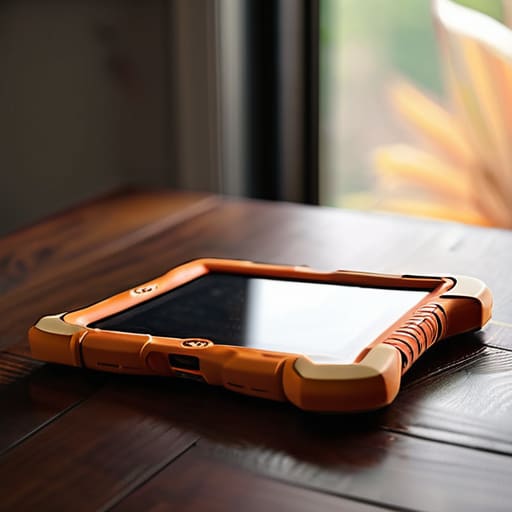
    If you’re looking at the current market, most manufacturers are just selling you a standard, fragile piece of glass wrapped in a thin layer of silicone. To find the best kids tablets 2024 has to offer, you have to look past the colorful stickers and check the chassis. I always start with the Amazon Fire Kids Pro series. It’s not the most powerful machine on the block, but the build quality is surprisingly stout. They include those thick, heavy-duty kid-friendly tablet cases that can actually take a tumble on a hardwood floor without cracking the LCD. It’s a practical choice for a parent who doesn’t want to spend their weekend at the electronics repair shop.

    For those who want more control, the iPad paired with a ruggedized shell is the heavy hitter. It’s more expensive, but the software ecosystem is unmatched. You’ll want to dive straight into the parental control settings for tablets immediately; otherwise, you’re just handing a wide-open window to the internet to a toddler. If you set it up correctly, you can curate the experience so they stay within the bounds of legitimate educational apps for toddlers rather than stumbling into junk content.

    Why Kid Friendly Tablet Cases Are a Non Negotiable Investment

    Why Kid Friendly Tablet Cases Are a Non Negotiable Investment

    Look, I’ve spent enough time in manufacturing to know that a thin layer of glass and a circuit board are a recipe for disaster in a house with small children. You can buy the most advanced hardware on the market, but without protection, you’re essentially handing your child a ticking time bomb for your bank account. I don’t care how many “reinforced” claims a manufacturer makes; a standard consumer device isn’t built for a toddler’s grip or the inevitable drop onto a hardwood floor.

    That is why kid-friendly tablet cases aren’t an optional accessory—they are a fundamental part of the hardware setup. You need something with thick, high-density EVA foam or a ruggedized polycarbonate shell that can actually absorb an impact. If you aren’t investing in a serious case, you aren’t just risking a cracked screen; you’re risking the entire internal logic board. Don’t be penny-wise and pound-foolish here. Spending an extra twenty dollars on a heavy-duty bumper is a lot cheaper than replacing a broken device every three months.

    Five Things to Check Before You Swipe Your Credit Card

    • Look past the colorful stickers and check the actual build material. If it feels like a hollow piece of cheap, lightweight plastic in your hand, it’s going to crack the first time it hits a hardwood floor. You want something with a bit of density to it.
    • Don’t get blinded by a high-resolution screen. Kids aren’t looking at pixel density; they’re looking for brightness and durability. Make sure the glass is tempered and can handle a bit of a smudge without becoming a total blur.
    • Check the battery specs, not just the marketing fluff. A tablet that dies in forty minutes is just a glorified paperweight. You want a decent milliampere-hour (mAh) rating so it actually lasts through a car ride without you hunting for a charging cable.
    • Simplify the interface. If I need a manual just to figure out how to turn the volume up, the design has failed. If the software is too cluttered with “smart” features a five-year-old doesn’t need, it’s just going to lead to frustration for both of you.
    • Verify the parental controls are hard-coded, not just an afterthought. You want settings that actually lock the device down, rather than some flimsy software layer that a clever kid can bypass in ten seconds.

    The Bottom Line: What to Look for Before You Buy

    Forget the flashy marketing; prioritize a rugged chassis and a thick, shock-absorbent case over a high-resolution screen that’ll shatter the first time it hits the kitchen tile.

    Don’t get caught in the trap of “walled gardens” that are too complicated—if the parental controls require a manual the size of a phone book just to set up, it’s not a good tool for your home.

    Check the battery specs and the build material; if it feels like lightweight, hollow plastic in your hands, it won’t survive a week in the hands of a toddler.

    The Truth About Durability

    “I’ve spent thirty years looking at stress points in manufacturing, and let me tell you: most of these ‘kids’ tablets’ are just overpriced glass sandwiches waiting to shatter. If the chassis doesn’t have some actual substance to it, you aren’t buying a tool—you’re just buying a future trip to the electronics recycling bin.”

    Roland Delacroix

    Bottom Line: Don't Get Fooled by the Marketing

    Bottom Line: Don't Get Fooled by the Marketing.

    Look, I’ve seen enough flimsy consumer electronics go into the scrap heap to know that a shiny screen doesn’t mean much if the casing is made of cheap, brittle plastic. When you’re picking out a tablet for your kids, remember that the specs on the box—the processor speed or the pixel count—matter far less than the structural integrity of the device. If you aren’t investing in a ruggedized model or at least a heavy-duty, shock-absorbent case, you’re essentially throwing money down the drain. Focus on the build quality, prioritize battery longevity, and for heaven’s sake, don’t skimp on the protection just to save a few bucks upfront.

    At the end of the day, technology should be a tool that serves your family, not a source of constant frustration and replacement costs. You want something that can handle a dropped corner or a spilled juice box without turning into a very expensive paperweight. Buy something that is built to last, even if it looks a little less “sleek” than the high-end models the commercials are pushing. If you stick to my advice and prioritize reliability over hype, you’ll end up with a device that actually works for your kids instead of just adding more clutter to your junk drawer.

    Frequently Asked Questions

    Is it actually worth paying extra for a dedicated "kids' version" of a tablet, or can I just buy a standard one and add a heavy-duty case?

    Look, I’ve seen enough “specialized” hardware to know that most of the time, you’re just paying a premium for a colorful sticker and a simplified interface. Save your money. Buy a reliable, standard tablet—something with a decent processor—and put every cent you saved into a high-quality, ruggedized case. You get better specs and better protection without paying the “parent tax” for software that’ll be obsolete in six months anyway.

    How do I stop my kid from accidentally buying $50 worth of in-app purchases when they're playing games?

    Look, we’ve all been there—you check your bank statement and realize your kid just bought a digital hat for a cartoon character. It’s infuriating. Before you let them touch the screen, go into your device settings and enable “Require Password for Purchases.” Better yet, disable in-app purchases entirely in the App Store or Google Play settings. Don’t rely on “parental locks” that are easy to bypass; set it up so they physically cannot spend a dime without your fingerprint or code.

    At what point does the battery life become a problem—should I be looking for specific specs or just a reliable charger?

    Look, don’t get bogged down in the marketing fluff about “all-day battery life.” That’s usually measured under perfect conditions that don’t exist in a real house. I look for a minimum of 5,000 mAh for anything a kid will use. If the specs are vague, walk away. But more importantly, make sure it supports fast charging. A reliable charger is fine, but if it takes six hours to juice up, you’ve just bought a paperweight.

  • What to Look for in a Gaming Laptop

    What to Look for in a Gaming Laptop

    I was sitting at my workbench last Tuesday, cleaning the dust out of a vintage Marantz receiver, when my grandson came in complaining that his brand-new machine had already started creaking at the hinges. It’s the same story every single time I see these modern gaming laptops. Manufacturers are shoving massive, heat-spewing processors into chassis made of nothing but flimsy, recycled-feeling plastic and expecting us to pay a premium for it. They wrap everything in flashing RGB lights to distract you, but all that neon won’t fix a thermal design that’s fundamentally broken.

    I’m not here to read you a spec sheet or parrot the marketing fluff you’ll find on a manufacturer’s website. My goal is to help you cut through the noise and find a machine that actually possesses some mechanical integrity. I’m going to look at the cooling systems, the hinge durability, and the actual build quality to tell you which of these devices are worth your hard-earned money and which ones are just expensive paperweights waiting to fail you.

    Table of Contents

    Nvidia vs Amd Mobile Performance What Actually Matters

    Nvidia vs Amd Mobile Performance What Actually Matters

    When you’re looking at the spec sheet, don’t let the marketing departments confuse you. Most people get caught up in the brand names, but as an engineer, I look at how these chips actually handle a load. The debate over NVIDIA vs AMD mobile performance usually boils down to a trade-off between raw brute force and efficiency. NVIDIA’s dedicated graphics cards are the heavy hitters; they’ll push high frame rates through sheer power, but they come with a cost. They run hot, and if the manufacturer didn’t build a decent cooling system, you’re going to hit a wall of thermal throttling within twenty minutes of playing.

    AMD, on the other hand, often offers a more balanced approach for those who value a bit of mobility. Their integrated solutions are surprisingly capable, but if you’re serious about gaming, you still want a discrete chip. The real trick is finding the sweet spot where you aren’t sacrificing too much gaming laptop portability vs power. I’ve seen plenty of machines that look great on paper but fail in practice because the silicon is choked by a chassis that can’t breathe. Stick to the hardware that prioritizes stability over flashy numbers.

    Thermal Throttling Prevention Dont Let Heat Kill Your Investment

    Thermal Throttling Prevention Dont Let Heat Kill Your Investment

    Look, I’ve spent enough time around heavy machinery to know that heat is the absolute enemy of longevity. In my engineering days, if a system ran too hot, something was going to fail—and these thin, flashy machines are no exception. You can buy the most expensive dedicated graphics cards on the market, but if the manufacturer didn’t design a proper airflow path, that hardware is useless. When the internal temperature spikes, the system forces a slowdown to save itself from melting. That’s thermal throttling, and it’s a thief that steals the performance you actually paid for.

    Don’t let the marketing fool you with those fancy RGB keyboard backlit features or slim profiles. There is an inherent trade-off in the battle of gaming laptop portability vs power. If a machine is too thin, it lacks the physical volume required for adequate heat sinks and fans. Before you swipe your card, I want you to look past the aesthetics and check the vent placement. If the chassis feels cramped and the fans sound like a jet engine idling, you aren’t buying a powerhouse; you’re buying a future paperweight.

    Five Hard Truths About Choosing a Machine That Actually Lasts

    • Check the hinge and chassis before you even look at the specs. I’ve seen too many kids drop a fortune on a high-end GPU only to have the entire screen assembly snap off because the manufacturer used thin, recycled plastic instead of a reinforced magnesium alloy.
    • Stop obsessing over refresh rates and look at the brightness. A 144Hz screen is useless if it’s dim enough that you can’t see anything in a well-lit room; aim for at least 300 nits so you aren’t squinting through a dark fog.
    • Demand a keyboard that doesn’t feel like mush. If the keys have zero tactile feedback and a shallow travel distance, you’re going to be frustrated within a week, and you’ll likely end up wearing out the membrane way faster than a mechanical setup.
    • Don’t trust the “slim and light” marketing. In my experience, if a laptop is paper-thin, it lacks the physical volume required for proper airflow, meaning you’re just paying a premium for a device that will throttle its own performance to keep from melting.
    • Verify the RAM and storage are actually upgradeable. Most modern manufacturers are soldering everything to the motherboard to save a few cents on production, which turns your expensive machine into a brick the moment you need more memory.

    My Final Checklist Before You Open Your Wallet

    Ignore the marketing fluff about “ultra-thin” designs; if there isn’t enough physical space for a proper heat sink and decent airflow, that machine is going to choke on its own heat within six months.

    Check the chassis rigidity like you’re inspecting a piece of industrial machinery—if the keyboard deck flexes when you press it, the internal components are going to suffer from stress fractures sooner or later.

    Don’t get blinded by the GPU model number alone; verify the TGP (Total Graphics Power) rating in the fine print, because a high-end chip throttled by low wattage is just a waste of your hard-earned money.

    The Real Cost of Portability

    “Manufacturers love to brag about how thin and light they’ve made these machines, but in my experience, you can’t shrink a high-performance engine without creating a furnace. If they haven’t built in enough copper and airflow to handle the heat, you aren’t buying a gaming laptop—you’re buying a very expensive paperweight that’s going to throttle itself into uselessness the moment things get intense.”

    Roland Delacroix

    The Bottom Line on Your Next Machine

    The Bottom Line on Your Next Machine

    Look, at the end of the day, a gaming laptop isn’t just a collection of fancy numbers on a spec sheet. If you don’t pay attention to the GPU architecture or how that chassis handles heat, you’re just buying a very expensive, very loud space heater. I’ve seen too many folks get blinded by high refresh rates only to realize their machine is thermal throttling within twenty minutes of heavy use. Remember: prioritize a solid cooling solution and a reliable build over flashy RGB lighting and marketing buzzwords. If the hardware can’t maintain its performance under pressure, the rest of those specs are essentially useless. Buy for longevity, not for the hype.

    I know the market feels overwhelming right now, with every manufacturer claiming they’ve built the “ultimate” machine. It’s easy to get lost in the noise, but don’t let them rush your decision. Take your time, read the teardown reports, and if you can, feel the build quality for yourself before you swipe your card. A well-chosen machine should feel like a tool you can rely on for years, not a disposable gadget that ends up in a junk drawer by next Christmas. Invest in quality, and you’ll spend much less time troubleshooting and much more time actually enjoying what you paid for.

    Frequently Asked Questions

    Is it worth spending the extra money on a higher-tier GPU, or am I just paying for marketing hype?

    Look, don’t let the marketing departments convince you that you need a top-of-the-line GPU just to play a few games. If you’re just running standard titles, a mid-range card is more than enough. But, if you’re planning to keep this machine for four or five years, that extra investment in a higher-tier chip isn’t hype—it’s insurance. It gives you the headroom to handle future software without the hardware choking.

    How can I tell if a laptop's cooling system is actually built to last, or if it's just a glorified fan in a plastic shell?

    Don’t just look at the fan speed on a spec sheet; that’s marketing fluff. I want to see the copper. If the manufacturer won’t show you the heat pipe layout or the number of exhaust vents, they’re hiding something. A real cooling system uses heavy-duty heat pipes and substantial heatsinks, not just thin fins. If the chassis feels like it’s going to warp under heat, the thermal management is likely an afterthought.

    Should I be looking at the screen's refresh rate, or is the build quality of the chassis more important for long-term use?

    Look, I get the temptation to chase those high refresh rates for smoother visuals, but don’t lose sight of the foundation. A 240Hz screen won’t mean a thing if the hinge snaps or the chassis warps after six months of heat cycles. If you’re looking for longevity, prioritize the build quality. I’d rather have a solid, well-engineered machine with a standard screen than a flimsy piece of plastic that fails you mid-game.

  • How to Improve Smartwatch Battery Life

    How to Improve Smartwatch Battery Life

    I was sitting at my workbench last Tuesday, cleaning the contacts on a 1974 Marantz receiver, when I looked over at my wrist and saw that blinking, pathetic red icon again. It’s the same story every single day: I charge the thing overnight, and by five in the afternoon, my smartwatch battery is gasping for air like a fish out of water. These tech companies love to throw glossy spec sheets at you, boasting about “optimized power management” and “intelligent background processes,” but all that really means is they’ve built a device that’s constantly tethered to a wall outlet. It’s a ridiculous way to design a tool that’s supposed to be portable.

    I’m not here to sell you on the latest software patch or some magic setting that promises the moon. I’ve spent my career looking at how systems actually fail, and I’m going to tell you the truth about what makes these cells die and what features are just expensive distractions. I’ll show you how to spot the real hardware limitations so you can stop wasting your time and money on gadgets that can’t even make it through a full day of honest work.

    Table of Contents

    The Lie of Battery Life vs Feature Set

    The Lie of Battery Life vs Feature Set.

    Here is the truth that the marketing departments won’t tell you: you can’t have your cake and eat it too. When you’re looking at a spec sheet, they’ll brag about a dozen different sensors, GPS tracking, and a vibrant AMOLED screen. But every single one of those bells and whistles is a thief. There is a direct, punishing trade-off between battery life vs feature set, and most people don’t realize they’re buying a headache until they’re staring at a dead screen by lunchtime.

    I’ve seen it a dozen times in my testing. A manufacturer will tout a “revolutionary” new sensor, but they conveniently forget to mention how much background app battery impact that sensor creates. You end up with a device that is technically impressive but practically useless because it’s constantly tethered to a wall. If you’re constantly relying on smartwatch fast charging technology just to get through a workday, you haven’t bought a tool; you’ve bought a chore. A device that requires constant supervision isn’t an advancement—it’s a design failure.

    Why Lithium Ion Battery Degradation Is Inevitable

    Why Lithium Ion Battery Degradation Is Inevitable

    Look, I’ve seen this story play out a thousand times in the manufacturing plants where I used to work. You can have the most sophisticated circuitry in the world, but you’re still at the mercy of chemistry. These devices rely on lithium-ion cells, and the hard truth is that lithium-ion battery degradation isn’t a defect; it’s a fundamental law of physics. Every time you cycle that charge, you’re causing microscopic structural damage to the battery’s internal components. It’s a slow, inevitable march toward a shorter lifespan that no software update can fix.

    The manufacturers will try to tell you that their new smartwatch fast charging technology is a miracle cure, but it’s a double-edged sword. Pushing high currents into a small cell to shave off twenty minutes of charging time creates heat, and heat is the absolute enemy of longevity. If you’re constantly topping it off at max speed, you’re essentially cooking the chemistry inside. You might get that quick boost today, but you’re paying for it with a device that will feel like a paperweight in two years.

    Five Ways to Stop Killing Your Smartwatch Battery Before Its Time

    • Turn off the “Always-On” display. I don’t care how sleek it looks on your wrist; forcing those pixels to stay lit 24/7 is like leaving a lightbulb running in an empty room. If you want the battery to last, let the screen stay dark until you actually need to look at it.
    • Kill the unnecessary notifications. Every time your wrist buzzes because of a promotional email or a social media “like,” you’re draining a tiny bit of power. Go into your settings and prune the nonsense; you only need to be interrupted for things that actually matter.
    • Stop using GPS for every little stroll. If you’re just walking the dog around the block, you don’t need a high-precision satellite connection tracking your every step. Use the built-in accelerometer for basic movement and save the GPS for when you’re actually training.
    • Don’t let the battery hit zero. I’ve seen too many people let their devices die completely every night. Lithium-ion cells hate being fully depleted. Try to keep it between 20% and 80%—it’s a bit of a chore, but it’ll keep the chemistry stable for much longer.
    • Watch your brightness levels. Most of these manufacturers set the default brightness way too high just to make the screen pop in marketing photos. Dial it down to the lowest comfortable level. If you can read it, it’s bright enough.

    The Bottom Line: What to Look for Before You Buy

    Stop looking at the “up to” numbers on the box; if a watch can’t survive a standard 24-hour cycle with your basic settings turned on, it’s a paperweight.

    Accept that every battery has an expiration date, so don’t get caught up in the hype of a device that has no easy way to swap out the cell once it starts swelling or dying.

    Prioritize simple, reliable hardware over a mountain of sensors that drain your power and force you to live your life tethered to a wall outlet.

    The Real Cost of Convenience

    “Manufacturers will sell you a thousand sensors and a high-resolution screen, but they won’t tell you that every one of those features is just a countdown toward a dead device. I’d rather have a simple tool that works for three days than a high-tech paperweight that needs a nap every six hours.”

    Roland Delacroix

    The Bottom Line on Your Wrist

    The Bottom Line on Your Wrist.

    Look, I’ve spent enough time looking at schematics to know that you can’t have your cake and eat it too. You can have a watch that tracks every single heartbeat and oxygen level in real-time, or you can have a watch that actually stays powered on. If you choose the former, you’re signing up for a cycle of constant charging and inevitable chemical degradation. Don’t let the glossy marketing brochures fool you; a high-performance feature set is almost always a direct trade-off with longevity. Before you drop five hundred dollars on the latest gadget, ask yourself if you really need those extra sensors, or if you’re just paying for expensive plastic and diminishing returns.

    At the end of the day, a piece of technology should serve you, not the other way around. I don’t want to spend my retirement hunting for a charging cable every six hours just because a manufacturer decided to cram too many thirsty processors into a tiny casing. Buy something that fits your actual lifestyle, not the lifestyle they’ve sold you in a commercial. Invest in gear that offers practical utility and a battery that respects your time. If it isn’t reliable, it isn’t a tool—it’s a distraction.

    Frequently Asked Questions

    Is there any actual way to slow down the chemical aging of these batteries, or am I just throwing money away on a device that's destined to die in two years?

    Look, I’m not going to sugarcoat it: you can’t stop the clock, but you can certainly slow it down. Stop letting that thing sit on a charger overnight; keeping it at 100% is like redlining an engine constantly. Aim for the 20% to 80% sweet spot. Also, keep it out of the heat. Heat is the silent killer of cells. Do these things, and you might get three years instead of two.

    Should I be worried about leaving my watch on the charger overnight, or is that just more modern tech-anxiety?

    Look, I get why you’re asking. We’ve been conditioned to treat these gadgets like they’re made of glass. The short answer? You aren’t going to blow anything up, but you aren’t doing your battery any favors either. Modern controllers prevent overcharging, but keeping a cell at 100% voltage all night is like keeping a spring permanently compressed. It creates heat and stress. If you want the thing to last more than two years, take it off the dock once it’s full.

    If I turn off all the "smart" features like the always-on display and heart rate tracking, can I actually get a meaningful boost in runtime?

    Look, you can certainly squeeze a few more hours out of the thing by killing the always-on display and those constant sensor pings, but don’t expect a miracle. It’s like trying to get better mileage out of a gas-guzzling truck by driving ten miles under the limit; you’ll see a difference, but the engine is still fundamentally inefficient. It helps, but it won’t turn a one-day watch into a week-long one.

  • How Smart Scales Monitor Health

    How Smart Scales Monitor Health

    I spent thirty years in manufacturing, where if a part didn’t meet the spec, it went in the scrap bin. I don’t have much patience for the modern trend of taking a simple, mechanical necessity and burying it under layers of unnecessary software. Take smart scale technology, for instance. Most of these gadgets on the market today are nothing more than glorified pieces of expensive plastic that demand you download a subscription service and sync a dozen apps just to tell you your weight. It’s a complete waste of good engineering when all you really need is a reliable reading that doesn’t fluctuate every time your phone gets a software update.

    I’m not here to sell you on the latest shiny gimmick or some “revolutionary” sensor that promises to map your DNA. My goal is to cut through the marketing fluff and tell you which devices actually have the build quality to last and which ones are destined for a landfill in six months. I’ll show you how to spot real data from mere guesswork so you can stop throwing money at overhyped junk and start investing in tools that actually do their job.

    Table of Contents

    Decoding Bioelectrical Impedance Analysis Without the Nonsense

    Decoding Bioelectrical Impedance Analysis Without the Nonsense

    Now, let’s cut through the marketing jargon. Most of these devices use something called bioelectrical impedance analysis to guess what’s happening inside your body. In plain English, the scale sends a tiny, imperceptible electrical current through your feet. Since fat, muscle, and water all conduct electricity differently, the machine runs a quick calculation to estimate your body composition. It’s not magic, and it’s certainly not a medical-grade scan, but it’s a decent enough proxy if you’re looking for trends over time.

    The problem is that manufacturers love to treat these numbers like gospel. They’ll toss around terms like muscle mass analysis or metabolic tracking to make a $30 piece of glass sound like a laboratory instrument. Look, I’ve spent enough time around precision sensors to know that hydration levels, the time of day, or even how much salt you ate for dinner can throw these readings off. Don’t get hung up on the specific decimal point; instead, focus on whether the numbers are moving in the right direction over several weeks. If the data is wildly inconsistent, it’s just expensive plastic doing math poorly.

    Why Body Fat Percentage Measurement Often Lies to You

    Why Body Fat Percentage Measurement Often Lies to You

    Look, I’ve spent enough time with calipers and manual measurements to know that these little glass pads on your scale are making some pretty bold claims. Most of these devices use bioelectrical impedance analysis to guess your composition, but they aren’t actually “seeing” your fat. They are sending a tiny electrical current through your legs and running a mathematical model based on how fast that current moves. The problem is that water moves electricity just as well as muscle does. If you’re a bit dehydrated or you just finished a workout, that body fat percentage measurement is going to be wildly inaccurate.

    It’s a fundamental flaw in the hardware. These sensors can’t distinguish between a well-hydrated muscle and actual adipose tissue with much precision. You might see a sudden “drop” in fat on your digital wellness monitoring app, but in reality, you’ve just lost a bit of water weight. I’ve seen plenty of folks get discouraged by a fluctuating number, but you have to remember: you aren’t a static mathematical equation. Treat these percentages as a general trend, not a scientific absolute, or you’ll end up chasing ghosts.

    How to Get Actual Data Instead of Random Numbers

    • Stop weighing yourself at different times of the day. If you want a consistent baseline, pick one time—ideally right after you wake up and use the restroom—and stick to it. Variables like hydration or a heavy meal will throw your readings off more than the scale itself.
    • Don’t trust the “Body Fat” number blindly. These scales use electrical currents that are easily fooled by how much water you’ve had. Treat the percentage as a general trend line rather than an absolute scientific truth.
    • Keep your feet clean and dry. I’ve seen plenty of these cheap sensors fail because someone had calloused or damp skin. For the impedance to work, you need good contact with those metal plates, or you’re just guessing.
    • Look for a scale with a solid build, not a flimsy piece of glass that feels like it’ll crack if you step on it too hard. A heavy, stable platform ensures the sensors aren’t being tilted by a cheap, uneven chassis.
    • Avoid the “App Trap.” If a manufacturer requires you to create an account, share your GPS location, and agree to a twenty-page privacy policy just to see your weight, they aren’t selling you a tool—they’re selling your data. Find one that gives you the numbers directly on the display.

    The Bottom Line: What to Look for Before You Buy

    Stop chasing the “smartest” scale on the market; focus on consistency and repeatability rather than a dozen different app-based metrics that change every time you step on the sensor.

    Understand that BIA technology is an estimate, not a medical-grade diagnosis, so use the numbers to track long-term trends instead of obsessing over daily fluctuations.

    Prioritize build quality and a stable platform over fancy Bluetooth features—if the scale feels like a cheap piece of plastic under your feet, the internal sensors are likely cheap, too.

    The Bottom Line on Data

    Most of these smart scales are just glorified bathroom scales wrapped in a fancy app; if you can’t trust the consistency of the hardware, don’t bother trusting the numbers on the screen.

    Roland Delacroix

    The Bottom Line on Smart Scales

    The Bottom Line on Smart Scales trends.

    Look, I’m not telling you to throw your scale out the window, but you need to stop treating those digital percentages like gospel. We’ve established that BIA technology is essentially a series of educated guesses based on electrical resistance, and it’s prone to massive swings based on whether you’ve had a glass of water or a heavy meal. If you’re going to buy one, do it for the trend lines, not the daily numbers. Focus on the direction the weight is moving over weeks and months, rather than getting worked up because the “body fat” reading jumped two percent overnight. A smart scale is just a data point, not a medical diagnosis.

    At the end of the day, don’t let a piece of expensive plastic dictate your self-worth or your motivation. I’ve spent my career looking at precision instruments, and I can tell you that no gadget can replace the reality of how you actually feel in your own skin. Use the tech if it helps you stay disciplined, but keep your eyes on the real metrics: your energy levels, your strength, and your consistency. Buy a tool that simplifies your life, not one that creates a new way to obsess over numbers that aren’t even entirely accurate.

    Frequently Asked Questions

    If these scales are just guessing my body fat based on electrical signals, how much can I actually trust the numbers from one week to the next?

    Look, don’t treat these numbers like gospel truth. If you step on the scale today and then again after a big salty dinner or a heavy workout, the reading will swing wildly. It’s not your body changing overnight; it’s just the hydration levels messing with the electrical signal. Stop obsessing over the daily decimal points. Instead, look at the weekly average. If the trend line is moving in the right direction, you’re doing fine.

    Is there any real difference between a cheap $20 model and a high-end brand, or am I just paying for a fancy app?

    Look, I’ve seen this story a thousand times in manufacturing: you pay for the casing, not the components. A $20 scale is usually just a collection of cheap sensors and a flimsy circuit board that’ll drift out of calibration in six months. A high-end model isn’t just about a pretty app; you’re paying for consistent sensor accuracy and better build quality. If the data changes every time you step on it, the scale is useless.

    Do I really need to sync this thing to my phone every single morning, or is there a way to just see my weight and move on with my life?

    Look, I get it. I don’t want to spend my morning troubleshooting a Bluetooth pairing error just to see a number. The short answer is: no, you don’t. If you just want your weight, look for a scale with a large, backlit LCD. Many high-end models force the app nonsense, but some decent brands still let you step on, read the display, and walk away. Don’t let them sell you a subscription for data you can see with your own eyes.