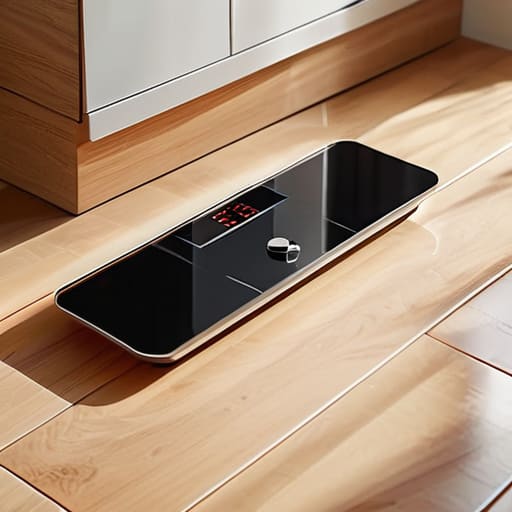
I spent thirty years in manufacturing, where if a part didn’t meet the spec, it went in the scrap bin. I don’t have much patience for the modern trend of taking a simple, mechanical necessity and burying it under layers of unnecessary software. Take smart scale technology, for instance. Most of these gadgets on the market today are nothing more than glorified pieces of expensive plastic that demand you download a subscription service and sync a dozen apps just to tell you your weight. It’s a complete waste of good engineering when all you really need is a reliable reading that doesn’t fluctuate every time your phone gets a software update.
I’m not here to sell you on the latest shiny gimmick or some “revolutionary” sensor that promises to map your DNA. My goal is to cut through the marketing fluff and tell you which devices actually have the build quality to last and which ones are destined for a landfill in six months. I’ll show you how to spot real data from mere guesswork so you can stop throwing money at overhyped junk and start investing in tools that actually do their job.
Table of Contents
Decoding Bioelectrical Impedance Analysis Without the Nonsense
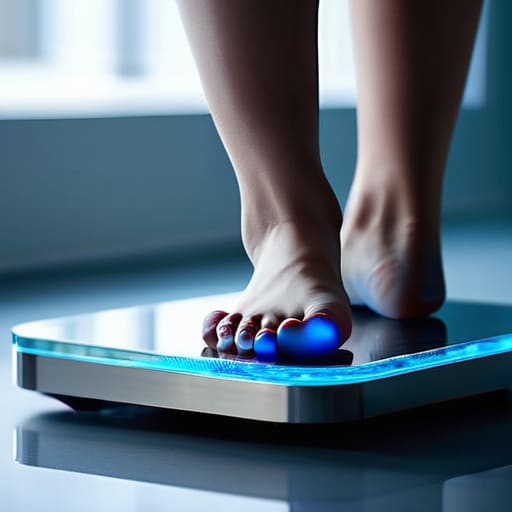
Now, let’s cut through the marketing jargon. Most of these devices use something called bioelectrical impedance analysis to guess what’s happening inside your body. In plain English, the scale sends a tiny, imperceptible electrical current through your feet. Since fat, muscle, and water all conduct electricity differently, the machine runs a quick calculation to estimate your body composition. It’s not magic, and it’s certainly not a medical-grade scan, but it’s a decent enough proxy if you’re looking for trends over time.
The problem is that manufacturers love to treat these numbers like gospel. They’ll toss around terms like muscle mass analysis or metabolic tracking to make a $30 piece of glass sound like a laboratory instrument. Look, I’ve spent enough time around precision sensors to know that hydration levels, the time of day, or even how much salt you ate for dinner can throw these readings off. Don’t get hung up on the specific decimal point; instead, focus on whether the numbers are moving in the right direction over several weeks. If the data is wildly inconsistent, it’s just expensive plastic doing math poorly.
Why Body Fat Percentage Measurement Often Lies to You
Look, I’ve spent enough time with calipers and manual measurements to know that these little glass pads on your scale are making some pretty bold claims. Most of these devices use bioelectrical impedance analysis to guess your composition, but they aren’t actually “seeing” your fat. They are sending a tiny electrical current through your legs and running a mathematical model based on how fast that current moves. The problem is that water moves electricity just as well as muscle does. If you’re a bit dehydrated or you just finished a workout, that body fat percentage measurement is going to be wildly inaccurate.
It’s a fundamental flaw in the hardware. These sensors can’t distinguish between a well-hydrated muscle and actual adipose tissue with much precision. You might see a sudden “drop” in fat on your digital wellness monitoring app, but in reality, you’ve just lost a bit of water weight. I’ve seen plenty of folks get discouraged by a fluctuating number, but you have to remember: you aren’t a static mathematical equation. Treat these percentages as a general trend, not a scientific absolute, or you’ll end up chasing ghosts.
How to Get Actual Data Instead of Random Numbers
- Stop weighing yourself at different times of the day. If you want a consistent baseline, pick one time—ideally right after you wake up and use the restroom—and stick to it. Variables like hydration or a heavy meal will throw your readings off more than the scale itself.
- Don’t trust the “Body Fat” number blindly. These scales use electrical currents that are easily fooled by how much water you’ve had. Treat the percentage as a general trend line rather than an absolute scientific truth.
- Keep your feet clean and dry. I’ve seen plenty of these cheap sensors fail because someone had calloused or damp skin. For the impedance to work, you need good contact with those metal plates, or you’re just guessing.
- Look for a scale with a solid build, not a flimsy piece of glass that feels like it’ll crack if you step on it too hard. A heavy, stable platform ensures the sensors aren’t being tilted by a cheap, uneven chassis.
- Avoid the “App Trap.” If a manufacturer requires you to create an account, share your GPS location, and agree to a twenty-page privacy policy just to see your weight, they aren’t selling you a tool—they’re selling your data. Find one that gives you the numbers directly on the display.
The Bottom Line: What to Look for Before You Buy
Stop chasing the “smartest” scale on the market; focus on consistency and repeatability rather than a dozen different app-based metrics that change every time you step on the sensor.
Understand that BIA technology is an estimate, not a medical-grade diagnosis, so use the numbers to track long-term trends instead of obsessing over daily fluctuations.
Prioritize build quality and a stable platform over fancy Bluetooth features—if the scale feels like a cheap piece of plastic under your feet, the internal sensors are likely cheap, too.
The Bottom Line on Data
Most of these smart scales are just glorified bathroom scales wrapped in a fancy app; if you can’t trust the consistency of the hardware, don’t bother trusting the numbers on the screen.
Roland Delacroix
The Bottom Line on Smart Scales
Look, I’m not telling you to throw your scale out the window, but you need to stop treating those digital percentages like gospel. We’ve established that BIA technology is essentially a series of educated guesses based on electrical resistance, and it’s prone to massive swings based on whether you’ve had a glass of water or a heavy meal. If you’re going to buy one, do it for the trend lines, not the daily numbers. Focus on the direction the weight is moving over weeks and months, rather than getting worked up because the “body fat” reading jumped two percent overnight. A smart scale is just a data point, not a medical diagnosis.
At the end of the day, don’t let a piece of expensive plastic dictate your self-worth or your motivation. I’ve spent my career looking at precision instruments, and I can tell you that no gadget can replace the reality of how you actually feel in your own skin. Use the tech if it helps you stay disciplined, but keep your eyes on the real metrics: your energy levels, your strength, and your consistency. Buy a tool that simplifies your life, not one that creates a new way to obsess over numbers that aren’t even entirely accurate.
Frequently Asked Questions
If these scales are just guessing my body fat based on electrical signals, how much can I actually trust the numbers from one week to the next?
Look, don’t treat these numbers like gospel truth. If you step on the scale today and then again after a big salty dinner or a heavy workout, the reading will swing wildly. It’s not your body changing overnight; it’s just the hydration levels messing with the electrical signal. Stop obsessing over the daily decimal points. Instead, look at the weekly average. If the trend line is moving in the right direction, you’re doing fine.
Is there any real difference between a cheap $20 model and a high-end brand, or am I just paying for a fancy app?
Look, I’ve seen this story a thousand times in manufacturing: you pay for the casing, not the components. A $20 scale is usually just a collection of cheap sensors and a flimsy circuit board that’ll drift out of calibration in six months. A high-end model isn’t just about a pretty app; you’re paying for consistent sensor accuracy and better build quality. If the data changes every time you step on it, the scale is useless.
Do I really need to sync this thing to my phone every single morning, or is there a way to just see my weight and move on with my life?
Look, I get it. I don’t want to spend my morning troubleshooting a Bluetooth pairing error just to see a number. The short answer is: no, you don’t. If you just want your weight, look for a scale with a large, backlit LCD. Many high-end models force the app nonsense, but some decent brands still let you step on, read the display, and walk away. Don’t let them sell you a subscription for data you can see with your own eyes.
