I spent thirty years in manufacturing, where if a component wasn’t built to spec, the whole line ground to a halt. Nowadays, I see people buying tech that feels like it was designed to fail the moment it leaves the box. It’s especially true when you’re hunting for the best portable monitors on the market. You see these sleek, paper-thin screens advertised everywhere, but most of them are just overpriced pieces of plastic that jitter when you move them or lose connection the second you plug them into a laptop. It’s frustrating to see people drop hundreds of dollars on a gadget that can’t even handle a simple workday without a hiccup.
I’ve spent the last few weeks putting several of these units through their paces, checking the build quality, the port stability, and whether the color accuracy is actually legitimate or just marketing fluff. In this list, I’m cutting through the noise to show you five specific models that actually meet my standards for durability and performance. I’ll tell you exactly which ones are worth your hard-earned money and which ones you should leave on the shelf.
Table of Contents
- The Workhorse for Serious Engineers
- Built Like a Tank for the Road
- The Budget Option That Won't Fail You
- High Definition Without the Headache
- The Ultimate Setup for Professionals
- Bottom Line: Don't Get Fooled by the Glossy Marketing
- ## The Bottom Line on Portability
- Final Thoughts Before You Pull the Trigger
- Frequently Asked Questions
The Workhorse for Serious Engineers
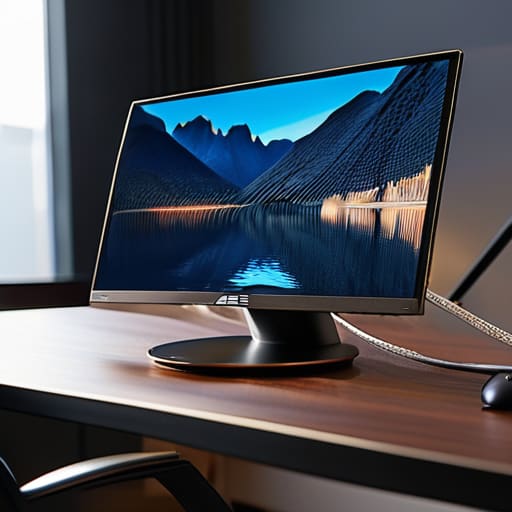
When I first sat down with the ASUS ZenScreen, I wasn’t looking for flashy lights or some gimmicky touch interface. I wanted something that felt like it was built to actually last. Most of these modern screens feel like they’d snap under the slightest pressure, but the ZenScreen has a certain heft to it that tells me the internal components aren’t just rattling around in a hollow shell. It connects via a single USB-C cable, which is fine, provided you aren’t using a cheap, unshielded cord that drops the signal every five minutes.
Built Like a Tank for the Road

If your idea of a workspace involves a cramped airplane tray or a coffee shop table that’s seen better days, you need something with a bit more backbone. The ViewSonic TD Series is designed for people who are actually on the move. The integrated kickstand isn’t some flimsy little plastic tab that’ll snap off in a week; it’s a sturdy mechanism that holds the weight of the panel without wobbling like a leaf in the wind.
The Budget Option That Won't Fail You
I’ll be the first to admit that I’m usually skeptical of anything labeled “budget,” because that’s often code for disposable junk. However, the Arzopa portable monitors have managed to surprise me. For the price they’re asking, you aren’t getting premium aluminum housing or fancy brand names, but you are getting a display that stays bright and consistent. It’s a far cry from the high-end professional gear, but it gets the job done without emptying your savings account.
High Definition Without the Headache
Sometimes you need more than just a second screen; you need a screen that can actually show you what you’re looking at in high fidelity. The LG Gram +view is a different beast entirely. While most portable monitors feel like an afterthought, this one feels like it was engineered with a specific purpose in mind. The resolution is sharp enough that I didn’t find myself squinting at text, which is a constant struggle with these smaller, low-density panels.
The Ultimate Setup for Professionals
For the folks who are running a mobile command center, the Dell C1422H is the gold standard. I’ve spent my career looking at systems integration, and Dell understands how to make hardware that plays nice with other hardware. This monitor is slim, yes, but it doesn’t feel fragile. It has a professional aesthetic that doesn’t scream for attention, which is exactly how a piece of utility equipment should be.
Bottom Line: Don't Get Fooled by the Glossy Marketing
Stop looking at the resolution numbers alone; if the build quality feels like a cheap toy, it’s going to fail you the moment you actually try to use it in the field.
Check your connections twice before you buy—there’s nothing more frustrating than spending a hundred bucks on a screen that won’t play nice with the hardware you already own.
Prioritize reliability over “bells and whistles”; I’d rather have a solid, well-constructed panel that does one thing perfectly than a flashy piece of junk that requires a software update just to turn on.
## The Bottom Line on Portability
“I’ve seen enough cheap components in my time to know that ‘portable’ shouldn’t be an excuse for ‘fragile.’ If a monitor relies on a flimsy stand and a prayer to stay upright, it’s not a tool—it’s a liability. You want something with a solid build and a connection that doesn’t flicker the moment you move your coffee cup.”
Roland Delacroix
Final Thoughts Before You Pull the Trigger
Look, I’ve spent enough time around assembly lines to know that a spec sheet doesn’t tell the whole story. You can have all the pixels in the world, but if the connection ports feel loose or the casing is nothing more than thin, brittle polymer, you’re just buying a headache. Whether you opted for the high-end powerhouse for your professional design work or a budget-friendly unit just to keep your spreadsheets visible while traveling, the goal remains the same: reliability over hype. Don’t get distracted by the flashy marketing jargon; focus on the build quality and ensure the device actually integrates into your workflow without requiring a constant troubleshooting session.
At the end of the day, technology should serve you, not the other way around. I’ve seen too many people throw hard-earned money at the latest “must-have” gadget only to find it’s junk within six months. My advice is simple: buy the tool that does exactly what it says on the box and stays out of your way. A good monitor is like a well-maintained engine—you shouldn’t even notice it’s there because it just works every single time you turn it on. Invest in something that offers lasting value, and you won’t find yourself back in the market looking for a replacement before the year is out.
Frequently Asked Questions
Do I really need a built-in battery, or can I just run these off my laptop's USB port?
Look, if you’re sitting at a desk with a wall outlet nearby, skip the built-in battery. You’re just paying extra for a heavy, unnecessary component that will eventually degrade anyway. Most modern laptops can push enough juice through a USB-C port to keep a small monitor running just fine. But, if you’re working from a coffee shop or a plane, that extra battery becomes your lifeline. Don’t get caught with a black screen halfway through a job.
How do I tell the difference between a high-quality panel and one of those cheap, washed-out screens that'll strain my eyes?
Look at the specs, not the marketing fluff. You want to see “IPS” listed for color accuracy; if it says “TN,” walk away—it’ll look washed out from every angle. Check the nit rating, too; anything under 300 nits is going to struggle in a bright room. Most importantly, look for a high contrast ratio. If the blacks look like muddy grey, it’s cheap junk that’ll give you a headache within twenty minutes.
Is it worth paying the premium for a touchscreen, or is it just more moving parts that are bound to fail?
Look, from an engineering standpoint, every added layer of complexity is just another point of failure. A touchscreen adds a digitizer and more delicate glass, which means more ways for the unit to fail if you aren’t careful. If you’re just sitting at a desk, stick to a standard display; it’s more reliable and cheaper. Only pay the premium if you actually need to interact with the screen—otherwise, you’re just paying for extra parts that’ll eventually quit on you.
