
I was out in the garage last weekend, tinkering with an old Marantz receiver, when my phone let out that dreaded low-battery chirp just as I was looking up a wiring diagram. I reached for the last “high-capacity” portable power bank I’d bought online—a sleek, silver thing that looked great in the product photos—only to find it was nothing more than a glorified paperweight that couldn’t even hold a charge for twenty minutes. It’s the same story I see every week: manufacturers are slapping shiny finishes on flimsy, unreliable circuitry and charging you a premium for the privilege of being disappointed.
I’m not here to sell you on some “revolutionary” tech that requires a software update just to charge your phone. My goal is simple: I want to help you distinguish between a piece of solid engineering and the expensive plastic junk that will leave you stranded when you actually need it. I’ve spent my career looking at how things are built, and I’m going to tell you exactly what to look for in a power bank so you can spend your hard-earned money on something that actually works.
Table of Contents
The Truth About Mah vs Wh Explained
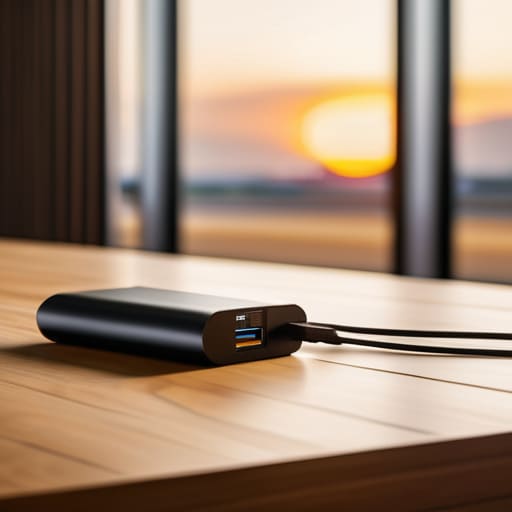
Most manufacturers will scream about a massive milliamp-hour (mAh) rating right on the front of the box to grab your attention. It’s a clever marketing trick, but it’s technically incomplete. When we’re talking about mAh vs Wh explained, the real metric you need to care about is Watt-hours (Wh). Think of it like this: mAh tells you the capacity of the internal cells, but Wh tells you the actual total energy stored. If you’re looking for a reliable power bank for long flights, the airlines actually care about the Wh rating because that’s what determines if the battery is safe to bring into the cabin.
I’ve seen too many people buy a high-capacity unit only to realize it’s useless because the voltage conversion is inefficient. A high mAh number doesn’t mean much if the device can’t push that energy to your phone effectively. You need to look at the math. If you want compact power solutions that actually hold up, stop squinting at those big, flashy mAh numbers and start looking at the energy density. It’s the only way to know if you’re buying a real tool or just a heavy brick of expensive plastic.
Why Lithium Ion Battery Safety Actually Matters
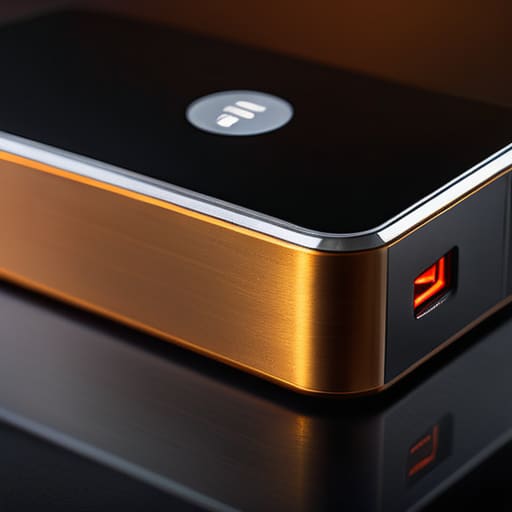
Now, let’s get serious for a minute. I’ve seen enough cheap, unbranded electronics go up in smoke to know that lithium ion battery safety isn’t just some marketing buzzword—it’s a necessity. When you’re shoving one of these things into a crowded backpack or, heaven forbid, a carry-on, you’re essentially carrying a small chemical reactor. If the manufacturer decided to cut corners on the internal protection circuits just to save a few cents on the production line, you’re looking at a potential fire hazard in your pocket.
I don’t care how many bells and whistles a device has or how many dual usb ports efficiency claims they throw at you in the fine print. If the unit lacks proper thermal management or a reliable Battery Management System (BMS), it’s a ticking time bomb. You want something that manages heat properly, especially when you’re using fast charging technology that pushes high current through the cells. Don’t let a manufacturer trick you into buying a brick of “convenience” that might decide to melt your smartphone or your luggage while you’re sleeping.
How to Spot a Reliable Power Bank Before You Hand Over Your Cash
- Stop looking at the mAh number first. A high capacity doesn’t mean a damn thing if the internal circuitry is cheap junk that can’t handle the heat. Look for a brand that lists its actual Watt-hour (Wh) rating; if they’re hiding that, they’re likely hiding something else.
- Check the ports, not just the capacity. I’ve seen too many “high-speed” chargers that use flimsy, loose USB-A ports that wiggle if you even look at them wrong. You want solid, reinforced connections—preferably USB-C PD (Power Delivery)—that won’t fail the first time you toss the thing in a bag.
- Feel the weight. This isn’t a bad thing here. Physics doesn’t lie: a decent amount of energy density requires actual mass. If a “20,000mAh” brick feels as light as a plastic toy, it’s probably empty marketing and low-grade cells that will die on you in six months.
- Demand built-in protection. Any decent unit should have overcharge, over-discharge, and short-circuit protection. If the spec sheet doesn’t explicitly mention these safety protocols, leave it on the shelf. I didn’t spend thirty years in engineering to watch a cheap battery swell up and ruin my gear.
- Avoid the “all-in-one” gimmick traps. Some manufacturers try to cram integrated cables, flashlights, and solar panels into one tiny unit. In my experience, those extra features are always the first things to break, and they usually compromise the build quality of the battery itself. Stick to a solid battery with a reliable input/output.
The Bottom Line: What to Look for Before You Open Your Wallet
Stop obsessing over the biggest mAh number on the box; look for the Watt-hour (Wh) rating instead, because that’s the only way to know if the unit actually has the juice to charge your gear.
If a power bank feels like a hollow piece of cheap plastic and lacks any decent heat dissipation, put it back on the shelf—it’s a fire hazard waiting to happen.
Don’t get blinded by fancy LED screens or unnecessary features; you want a unit with solid connection ports and a build quality that suggests it was designed by an engineer, not a marketing team.
Don't Let a Spec Sheet Fool You
Most people see a high mAh number on a box and think they’re getting a bargain, but if the manufacturer won’t tell you the actual Watt-hour rating or the quality of the internal cells, you aren’t buying a power source—you’re buying a ticking time bomb wrapped in cheap, lightweight plastic.
Roland Delacroix
The Bottom Line
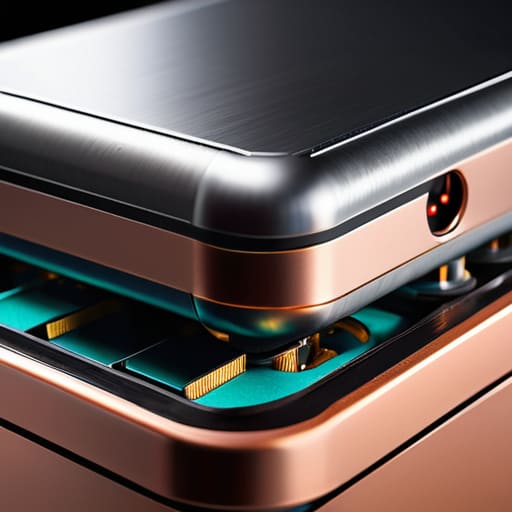
At the end of the day, don’t let the marketing departments fool you with flashy LED displays and oversized numbers that don’t mean a lick of difference in the real world. We’ve covered enough ground to know that you need to look past the marketing fluff and focus on the actual capacity—the Wh and the mAh—and, more importantly, the integrity of the cells inside. If a manufacturer is being stingy with the technical specs or won’t tell you what kind of protection circuitry they’re using, they’re likely hiding a cheap, flimsy build under a layer of polished polycarbonate. Stick to the brands that prioritize safety and thermal management over how many USB ports they can cram onto a single chassis.
I’ve spent enough time in machine shops and labs to know that anything built poorly is eventually going to fail you when you need it most. A power bank isn’t just a gadget; it’s your lifeline when you’re miles from an outlet or stuck in a storm. Don’t settle for the cheapest option just to save a few bucks, because you’ll end up paying for it tenfold when that “bargain” unit bricks your phone or, worse, fails to hold a charge when it matters. Invest in reliable hardware that does exactly what it says on the box. Do it right the first time, and you won’t have to worry about it later.
Frequently Asked Questions
How do I know if the charging cables I already own are actually fast enough to use these high-capacity banks?
Don’t just grab whatever cable is lying around your junk drawer. If you’re using an old, thin cord from a decade ago, you’re essentially trying to push a fire hose worth of power through a drinking straw. Look for “USB-C to USB-C” cables rated for at least 60W or 100W. If the cable feels flimsy or doesn’t explicitly mention high-speed data or power delivery, it’s just going to bottleneck your expensive new bank.
Is it actually going to damage my phone's battery if I leave it plugged into a power bank overnight?
Look, I get why you’re worried. We’ve all seen those headlines. The short answer is: no, a decent power bank won’t cook your phone overnight. Modern devices are smart enough to trickle-charge and cut the flow once they hit 100%. However, if you’re using a cheap, unbranded brick that runs hot to the touch, that heat is what kills your battery life, not the electricity itself. If it feels warm, unplug it.
Why does the weight of the unit matter so much if the capacity is the same?
If two power banks claim the same capacity but one feels like a brick and the other feels like a toy, pay attention. In my engineering days, mass meant something. If a unit is suspiciously light, they’re likely cutting corners on cell density or, worse, using cheap, thin casing to save a buck. A heavier unit often indicates higher-quality internal components and better heat dissipation. Don’t let them sell you lightweight junk that dies after three cycles.
