Blog

  • Choosing a Multi Device Wireless Charging Dock

    Choosing a Multi Device Wireless Charging Dock

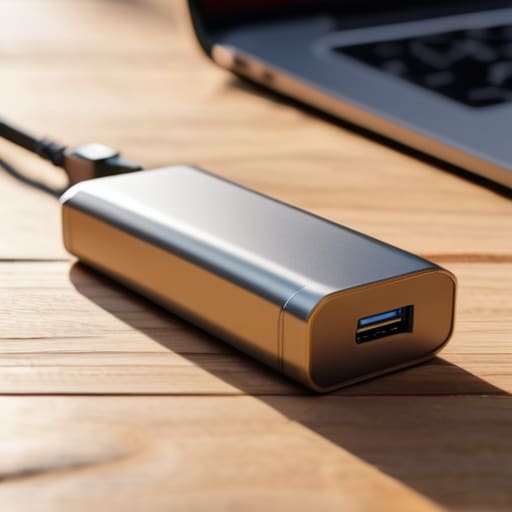
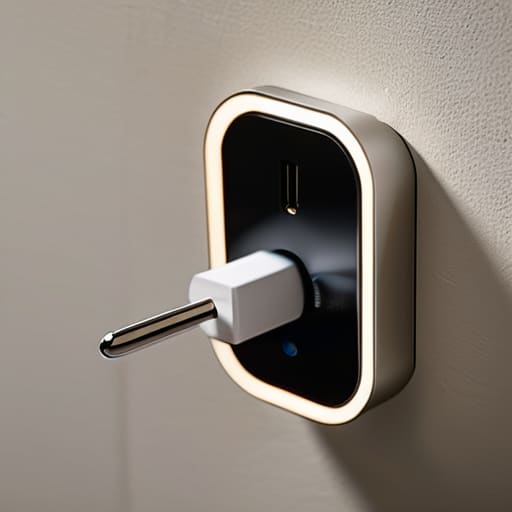
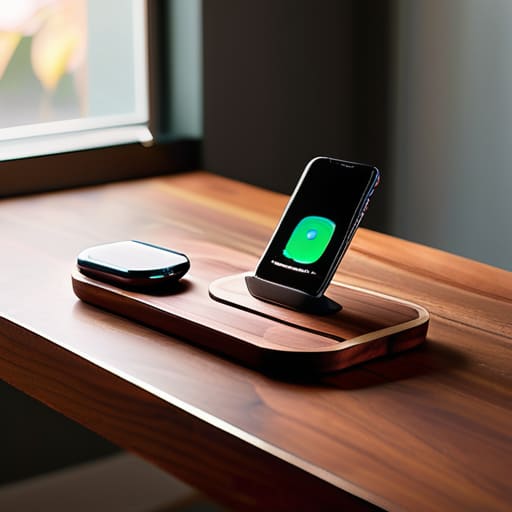
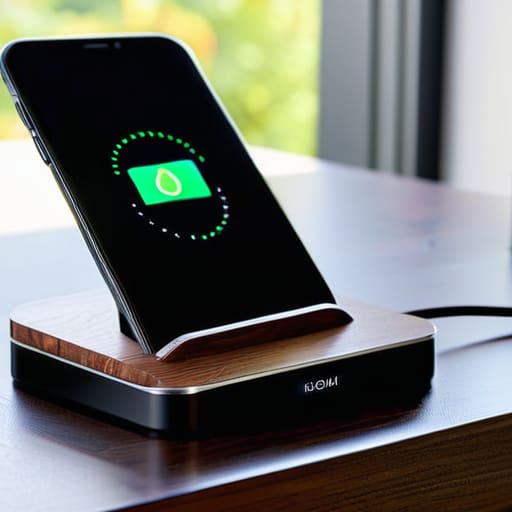
    I was sitting at my workbench last Tuesday, surrounded by the smell of solder and old capacitors, when I realized I’d spent forty minutes wrestling with a piece of junk I bought online. I had tried to use one of those sleek, ultra-thin wireless charging docks that promised to revolutionize my nightstand, but the damn thing wouldn’t even align the coils properly unless I placed the phone with the precision of a surgeon. It’s the same old story: companies are slapping a high price tag on overpriced, flimsy plastic and calling it innovation, when in reality, they’ve just engineered a way to make your life more complicated.

    I’m not here to sell you on the latest marketing buzzwords or tell you that you need a smart-home ecosystem just to juice up your phone. My goal is simple: I want to help you find hardware that actually does its job without failing the moment you look away. I’ve spent the last few weeks putting several models through the ringer to see which ones have the build quality to last and which ones belong in the scrap heap. I’ll give you the straight truth on what’s worth your hard-earned money and what is just expensive clutter.

    Table of Contents

    Why Qi Certified Charging Pads Actually Matter

    Why Qi Certified Charging Pads Actually Matter

    I’ve seen too many folks walk into a big-box store and pick up the cheapest slab of plastic they can find just because it looks sleek on the shelf. That’s a mistake that’ll cost you more than just a few bucks. When you’re looking at different smartphone charging solutions, you need to look for the label. I’m talking about Qi certified charging pads. That certification isn’t just some marketing fluff; it’s a standard that ensures the device actually communicates with your phone to manage heat and power delivery correctly. Without it, you’re essentially playing Russian roulette with your battery’s lifespan.

    If you don’t get the certification right, you’re going to run into issues with inductive charging efficiency. I’ve tested plenty of these unbranded knock-offs, and half the time, you have to wiggle the phone around just to get a connection. It’s frustrating and, frankly, a waste of time. A proper, certified unit ensures that the energy transfer is stable, so you aren’t just wasting electricity and generating unnecessary heat. If you want a reliable setup, don’t settle for anything that hasn’t been vetted.

    The Truth About Fast Wireless Charging Technology

    The Truth About Fast Wireless Charging Technology.

    Don’t let the marketing departments fool you with those flashy “Super-Fast” labels on the box. When you see a manufacturer promising lightning-fast speeds, I want you to look closer at the heat dissipation. The reality of fast wireless charging technology is that it generates a significant amount of thermal energy. If the dock is nothing more than a thin piece of molded plastic without any internal venting or heat management, that heat is going to bleed directly into your phone’s battery. In my experience, heat is the silent killer of lithium-ion cells, and a cheap dock that runs hot will shorten your device’s lifespan faster than a frayed cable.

    You also need to understand that speed is a collaborative effort between the pad and the phone. You can buy the most expensive hub on the market, but if your smartphone doesn’t support the specific handshake protocols required for high-wattage delivery, you’re just paying for unrealized potential. I’ve seen plenty of guys waste money on high-end smartphone charging solutions only to find out their device is capped at a standard 5W rate. Always check your phone’s technical specs before you commit your hard-earned cash to a high-wattage setup.

    Don't Get Fooled: 5 Things to Check Before You Pull the Trigger

    • Watch out for the weight. If a charging dock feels light and hollow like a cheap toy, it’s going to slide around your nightstand every time you try to set your phone down. Look for something with a weighted base or some decent rubberized grip so it actually stays put.
    • Check your heat dissipation. Wireless charging generates heat—that’s just physics. If the dock is a sealed piece of plastic with no ventilation, you’re going to cook your battery life. I want to see some airflow or a design that doesn’t trap heat against the coils.
    • Verify the adapter requirements. A lot of these companies sell you a “fast charger” but don’t mention that you need to buy a separate, high-wattage wall brick to actually get the speeds promised on the box. Don’t get caught spending another twenty bucks because they omitted the fine print.
    • Mind the alignment. I’ve seen too many “convenient” stands that only work if you place your phone within a millimeter of the sweet spot. If it doesn’t have magnets (like the MagSafe standard) or a very forgiving coil placement, you’ll spend your whole night wondering why your phone isn’t charging.
    • Look for a physical indicator, not just an app. I don’t want to have to unlock my phone and check a software menu just to see if the connection is solid. A simple, reliable LED light that tells you “power is flowing” is much more useful than some flashy touchscreen nonsense.

    The Bottom Line on Your Next Dock

    Don’t let a fancy LED display or a sleek design fool you; if the unit isn’t Qi-certified, you’re likely buying a paperweight that will overheat your battery.

    Ignore the marketing buzzwords about “ultra-fast” speeds unless you’ve verified the wattage matches your specific phone’s requirements—otherwise, you’re just paying for extra heat and zero extra speed.

    Prioritize weight and build material; a dock that feels light and hollow in your hand is almost certainly going to slide off your nightstand every time you try to set your phone down.

    ## The Reliability Test

    “I don’t care how many LED lights they flash or how sleek the design looks on a showroom floor; if the induction coil is housed in cheap, thin plastic that overheats the moment you set your phone down, it’s not a tool—it’s a paperweight.”

    Roland Delacroix

    Bottom Line: Don't Get Swindled
    Bottom Line: Don't Get Swindled wireless docks.

    At the end of the day, choosing a wireless dock shouldn’t feel like a gamble. We’ve covered the essentials: stick to Qi-certified hardware to avoid frying your battery, and don’t let marketing jargon about “ultra-fast” speeds fool you if the unit lacks proper thermal management. Most of these cheap, unbranded pads you see in bargain bins are nothing more than overpriced, flimsy plastic that will likely fail or overheat within a few months. If you want something that actually works, look for a build that feels substantial and a charging standard that is clearly documented. A little bit of research now saves you the headache of buying the same damn thing twice when the cheap version inevitably dies on you.

    I know it’s tempting to just click “buy” on the cheapest option that pops up in your search results, but I’m asking you to slow down. Technology is moving faster than ever, but the laws of physics and good engineering haven’t changed. Invest in a piece of equipment that respects your wallet and your hardware. When you buy something built with actual integrity, you aren’t just buying a charger; you’re buying the peace of mind that comes with knowing your gear is safe. Stop chasing the hype and start looking for reliability you can trust.

    Frequently Asked Questions

    Will these wireless pads actually overheat my phone or kill my battery life over time?

    Look, I get the concern. I’ve seen enough heat-damaged components in my time to know that heat is the enemy of longevity. If you buy a cheap, uncertified piece of junk, yes, it’ll cook your battery. But if you stick to a quality, Qi-certified pad with decent thermal management, you’re fine. It’s not the wireless tech that’s the problem; it’s the shoddy engineering inside the bargain-bin chargers. Buy quality, and your battery will thank you.

    Do I really need to buy a separate high-wattage wall adapter, or can I just use the old brick I have lying around?

    Don’t just grab whatever old brick you find in the junk drawer. I’ve seen enough blown circuits to know that “old” doesn’t always mean “compatible.” If your wireless dock is rated for 15W or 20W and you plug it into an ancient 5W iPhone cube, you’re going to be waiting all day for a charge. Check the output specs on your adapter; if the wattage doesn’t match the dock’s requirements, you’re wasting your time.

    How do I know if a dock is going to work through a thick protective case, or am I going to be constantly taking my phone in and out?

    Here’s the reality: most manufacturers claim “case compatibility,” but that’s marketing fluff. If your case is thicker than 3mm or has a metal plate for a magnetic mount, forget it. You’ll be fighting with heat buildup and intermittent connection all day. Before you shell out your hard-earned cash, check the technical specs for the induction distance. If they don’t list it, assume it won’t work. Don’t settle for a dock that turns your phone into a paperweight.


  • Selecting a Smartwatch for Elderly Users

    Selecting a Smartwatch for Elderly Users

    I spent thirty years in manufacturing, where if a part wasn’t built to spec, it was scrap. Nowadays, I look at the tech market and see a lot of junk that’s more “glitch” than “smart.” When it comes to finding smartwatches for seniors, the problem isn’t a lack of options; it’s that most of these devices are designed by twenty-somethings who think a complicated menu system is a feature rather than a massive headache. You shouldn’t have to fight with a piece of glass on your wrist just to check your heart rate or call for help.

    In this list, I’ve cut through the marketing fluff to bring you five models that actually hold up to scrutiny. I’m not interested in which watch has the prettiest interface or the most social media notifications. Instead, I’m looking at battery life, button tactile feedback, and how reliable the emergency features really are when things go sideways. I’ll show you which of these are solid, dependable tools and which ones are just expensive plastic destined to end up in a junk drawer by next Christmas.

    Table of Contents

    Apple Watch Series 9: The Gold Standard if You Can Handle the Tech

    Apple Watch Series 9: The Gold Standard if You Can Handle the Tech.

    I’ll be the first to admit that I usually roll my eyes at how much these companies charge for a piece of silicon and glass. However, from a purely engineering standpoint, the sensor integration in the Apple Watch is hard to argue with. The fall detection is remarkably responsive, and the way it handles ECG readings is far more consistent than the cheap knock-offs you see flooding the market. If you’re looking for unmatched reliability in health monitoring, this is the one that actually delivers on its promises.

    Samsung Galaxy Watch 6: Solid Hardware for Android Users

    Samsung Galaxy Watch 6: Solid Hardware for Android Users

    If you’ve already settled into the Android camp, the Galaxy Watch 6 is the most logical piece of kit on the table. I’ve spent a lot of time looking at the build quality of these wearables, and Samsung has done a decent job of making something that feels like it won’t shatter the moment you bump it against a doorframe. The interface is snappy, and the blood pressure monitoring features are a significant step up from the generic trackers I’ve tested in the past.

    Fitbit Sense 2: Simple, Effective, and Less Distracting

    Fitbit Sense 2: Simple, Effective, and Less Distracting.

    Sometimes, you don’t need a computer strapped to your wrist; you just need something that tells you how your heart is doing. That’s where the Fitbit Sense 2 comes in. It lacks the flashy, high-resolution bells and whistles of the Apple or Samsung models, but it excels at what it actually does. The interface is straightforward, and the focus on stress management and sleep tracking is handled with a level of simplicity that I find refreshing.

    Garmin Venu 3: Built Like a Tank for the Active Senior

    Now, if you’re the type of person who isn’t ready to sit in a recliner just because you’ve hit a certain age, you need to look at Garmin. I’ve always respected their engineering; they build things to endure. The Venu 3 is designed for people who actually move, and the GPS accuracy is far superior to the consumer-grade junk most companies are peddling. The battery life is also significantly better than the competition, often lasting a full week on a single charge.

    Gabb Watch 3: Safety Without the Overwhelming Noise

    I know what you’re thinking—this is a watch for kids. But hear me out. Sometimes, the best “smartwatch” for a senior who is struggling with cognitive decline or severe tech anxiety is one that has been stripped of all the useless fluff. The Gabb Watch is designed to be simple. It focuses on the essentials: communication and location tracking. There are no social media notifications or complex apps to get lost in, which prevents the user frustration that often leads to these devices being thrown in a drawer.

    The Bottom Line: What to Look for Before You Buy

    Don’t get blinded by the shiny marketing; focus on battery life and button layout, because a device is useless if it’s dead on your wrist or too finicky to operate.

    Prioritize reliability over “smart” gimmicks—you want a watch that accurately detects a fall or a heart spike, not one that spends half its time trying to download a software update.

    If the interface looks like a cluttered mess of tiny icons, put it back on the shelf; you need something straightforward that works the first time, every time.

    The Bottom Line on Wearable Tech

    At the end of the day, a smartwatch shouldn’t be another complicated chore on your to-do list; it should be a reliable tool that stays out of your way until the moment you actually need it to work.

    Roland Delacroix

    The Bottom Line

    Look, I’ve spent enough time looking at schematics to know that more features don’t always mean a better product. When you’re picking out a device for yourself or a parent, don’t get distracted by the flashy marketing or the latest bells and whistles that nobody will ever use. Focus on the fundamentals: a battery that doesn’t die in the middle of the night, a screen you can actually read without a magnifying glass, and a fall detection system that is actually reliable. If the interface is a cluttered mess of icons, walk away. You want a tool that serves you, not a piece of high-tech jewelry that requires a computer science degree just to check the time.

    At the end of the day, technology should be there to provide peace of mind, not to add more stress to your daily routine. We live in an era where everything is designed to be disposable, but choosing the right wearable is about finding something that offers genuine utility and security. Whether you’re looking to keep an eye on your heart rate or just want to ensure help is a button-press away, choose the device that fits your life, not the one that looks best in a commercial. Buy something that works, buy something that lasts, and stop paying extra for the expensive plastic.

    Frequently Asked Questions

    Do I really need to pay extra for a cellular connection, or can I just use the watch with my phone?

    Look, if you’re always going to have your phone in your pocket or sitting on the kitchen counter, save your money. You don’t need the cellular subscription. But if you’re the type who goes for walks or heads to the garden without a phone, that cellular option isn’t just a luxury—it’s your lifeline. If the watch can’t call for help when you’re alone, it’s just a glorified pedometer.

    How long do these batteries actually last before I'm stuck charging another piece of plastic every single night?

    Look, this is where the marketing departments get you. They talk about “all-day battery life,” but that’s code for “you’ll be tethered to a wall by dinner.” If you’re looking at high-end smartwatches with bright, colorful screens, expect to charge them every single night. If you want something that actually lasts, look for specialized senior models or fitness trackers that prioritize efficiency over flashy graphics. Aim for at least five days, or don’t bother.

    If someone actually falls, how reliable is the automatic detection—will it actually call for help or just send a useless notification?

    Look, I’ll give it to you straight: it’s not a magic bullet. Most of these sensors use accelerometers to detect a sudden impact followed by inactivity, but they aren’t foolproof. If you trip slightly or even drop the watch on a nightstand, it might trigger a false alarm. However, if it’s a real fall, the tech is generally reliable at initiating the call. Just don’t trust it blindly; always make sure the cellular connection is solid.

  • Features of Smart Doorbells

    Features of Smart Doorbells

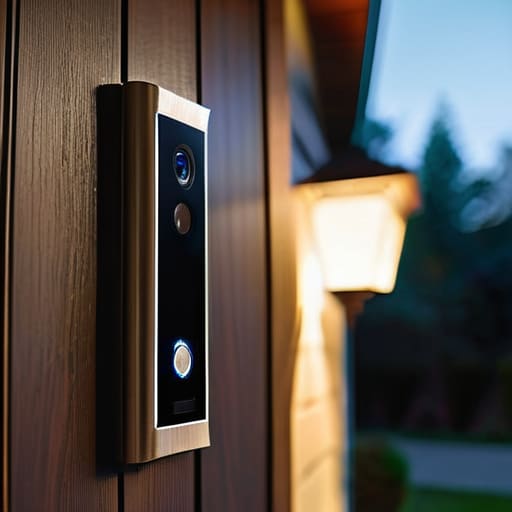
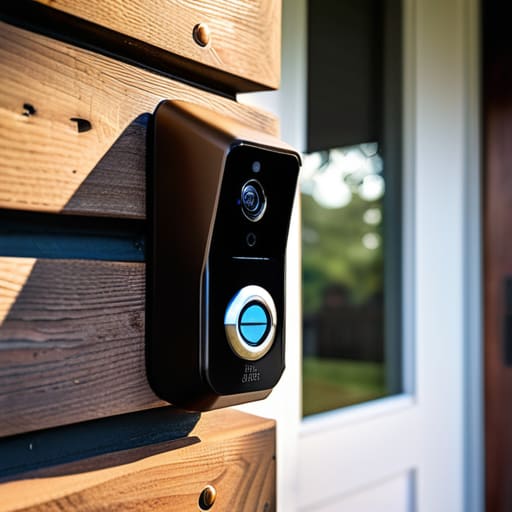
    I was sitting in my workshop last Tuesday, cleaning the contacts on a 1970s Marantz receiver, when my phone started chirping like a frantic bird. It was a notification from my front door. I checked the feed, only to find a “motion alert” triggered by a stray leaf blowing across the driveway. It’s the same story everywhere you look: companies are shoving a dozen useless smart doorbell features down your throat, charging you a monthly subscription just to see a blurry image of a squirrel. Most of these gadgets are built with the structural integrity of a wet paper towel and software that’s more headache than help.

    I’m not here to sell you on some shiny, cloud-connected gimmick that fails the moment your Wi-Fi hiccups. My goal is simple: I want to help you separate the actual security tools from the expensive plastic junk that litters the market. I’ve spent my career looking at how things are actually built, and I’m going to tell you which features actually provide peace of mind and which ones are just marketing fluff designed to empty your wallet.

    Table of Contents

    Dont Buy Into the Gimmicks of Facial Recognition Technology

    Dont Buy Into the Gimmicks of Facial Recognition Technology

    I’ve seen this pattern a dozen times in my career: engineers adding a complex, unproven feature just to pad the spec sheet and justify a higher price tag. Right now, that’s exactly what’s happening with facial recognition technology. Manufacturers will tell you it’s a revolution in home security, but in my experience, it’s often more trouble than it’s worth. These algorithms struggle with changing light or even a simple change in a person’s attire, leading to a constant stream of false positives that’ll drive you mad.

    Instead of paying a premium for a system that tries—and fails—to guess who is standing on your porch, you should be looking at the fundamentals. I’d much rather see a company invest in superior night vision capabilities and a reliable sensor than a buggy AI feature. If the hardware can’t clearly distinguish a shadow from a person in the dark, it doesn’t matter how “smart” the software claims to be. Don’t let the marketing department fool you; a doorbell that accurately detects motion is worth far more than one that tries to name every stranger who walks by your driveway.

    Why Wide Angle Field of View Matters More Than Marketing

    Why Wide Angle Field of View Matters More Than Marketing

    When you’re looking at the spec sheet, every manufacturer will brag about their “ultra-HD” resolution or their fancy color night vision. But let me tell you something from a systems perspective: a high-resolution image of a person’s forehead is useless if you can’t see their hands or what they’re carrying. Most of these companies try to sell you on pixel density, but they neglect the actual geometry of the lens. A wide angle field of view is what actually matters because it eliminates those massive blind spots right beneath the unit.

    I’ve seen too many folks install these things only to realize they can see a clear picture of the street, but they have no idea what’s happening on their own porch. If your lens is too narrow, you’re essentially paying for a high-definition view of nothing. You want a device that captures the entire entryway so that your package detection alerts actually trigger when a delivery driver sets a box down, rather than just seeing them walk past the frame. Don’t let them sell you a narrow window when you need a full view of your property.

    Five Things to Check Before You Hand Over Your Credit Card

    • Check the power source first. I’ve seen too many people buy a sleek-looking battery-operated unit only to realize they’re climbing a ladder every two weeks to recharge it. If you can run a wire to the door, do it. A hardwired connection is reliable; a battery is just another thing that’s going to fail you when you need it most.
    • Look for local storage options. I don’t trust the cloud to keep my data safe or accessible. If a company decides to hike their monthly subscription fees just so you can view your own footage, they’ve sold you a lemon. Find a model that lets you plug in an SD card or connects to a local hub.
    • Test the motion detection sensitivity. There is nothing more annoying than a doorbell that sends a notification to your phone every time a leaf blows across the porch or a car drives by. You want adjustable zones so you can tell the sensor to ignore the sidewalk and focus on your actual entryway.
    • Verify the night vision quality. A camera that looks great at noon is useless at 2:00 AM. Don’t just look at the megapixel count in the brochure; look for infrared capabilities that actually provide a clear image in total darkness. If you can’t see a face in the dark, the camera is nothing more than a paperweight.
    • Demand a physical button that actually works. We live in an era where everything is “smart,” but at the end of the day, a doorbell is a mechanical necessity. If the physical button feels mushy or lacks a tactile click, the build quality is likely subpar, and the internal components won’t last the first winter.

    The Bottom Line: What’s Actually Worth Your Hard-Earned Money

    Prioritize a reliable, wide field of view over fancy software; if you can’t see the person’s hands or the package on the porch, the camera is useless.

    Ignore the facial recognition marketing fluff; a doorbell’s primary job is to alert you when someone is there, not to run a database of your neighbors.

    Check the build quality and connection stability before you buy; if it’s held together by cheap plastic and relies on a finicky Wi-Fi signal, it’s going to fail you when it matters most.

    Focus on the Fundamentals

    I’ve seen enough engineers try to solve problems that don’t exist; stop worrying about whether your doorbell can identify your neighbor’s breed of dog and start worrying about whether the damn thing actually records a clear image when it matters most.

    Roland Delacroix

    The Bottom Line on Your Front Door

    The Bottom Line on Your Front Door.

    At the end of the day, don’t let a glossy marketing brochure do your thinking for you. We’ve looked at how facial recognition is often more of a privacy headache than a security boon, and why a wide field of view is far more critical for seeing a package thief than any fancy AI software. If you want a doorbell that actually serves its purpose, focus on the fundamentals: reliable connectivity, clear optics, and a build quality that won’t crack after one winter. You need a device that performs its primary function without requiring a software update every time you want to see who is standing on your porch. Stop chasing the latest digital bells and whistles and start looking for hardware that actually holds up.

    Investing in home security shouldn’t feel like gambling on the latest tech fad. I’ve spent enough time in engineering to know that complexity is often just a mask for unreliability. When you’re standing there in the hardware store or scrolling through an online shop, ask yourself if that extra feature is going to help you sleep better at night, or if it’s just more expensive plastic designed to pad a manufacturer’s profit margins. Buy something that is built to last, stays connected when it matters, and does exactly what it says on the box. That is how you protect your home without wasting your hard-earned money.

    Frequently Asked Questions

    Is a hardwired connection really necessary, or can I get away with just using batteries?

    Look, if you want a device that actually works when it matters, go hardwired. I’ve seen too many people buy battery-operated models only to find them dead right when a package is being stolen. Batteries are a massive point of failure; they die, they struggle in the cold, and you’ll spend half your life climbing a ladder to swap them. If you have the wiring, use it. Don’t trade reliability for a slightly easier installation.

    How much does a monthly subscription actually cost if I want to save my video clips?

    Here is the truth they don’t put on the box: you aren’t just buying a doorbell; you’re renting it. Most manufacturers charge anywhere from $3 to $10 a month just to let you view recorded footage. It sounds small, but over three years, that’s a significant chunk of change for something you already paid for. Before you pull the trigger, check the fine print. If it requires a monthly fee to see anything useful, it’s just more expensive plastic.

    What's the difference between a standard doorbell and one with two-way audio that actually works without a five-second lag?

    Look, a standard doorbell is a simple mechanical circuit—it does one job and does it reliably. A smart doorbell with two-way audio is a whole different beast of software and networking. The problem is most manufacturers prioritize flashy video over low-latency audio. If you’re staring at a frozen screen while a delivery driver walks away because of a five-second lag, that “smart” feature is useless. You want a system with high-speed processing, not just a cheap chip buried in plastic.

  • Improving Laptop Productivity With a Docking Station

    Improving Laptop Productivity With a Docking Station

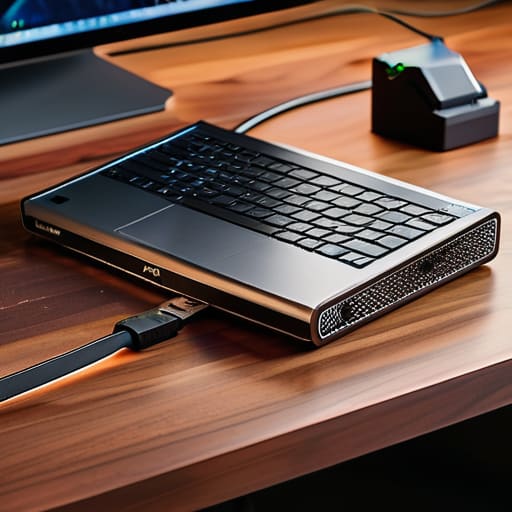
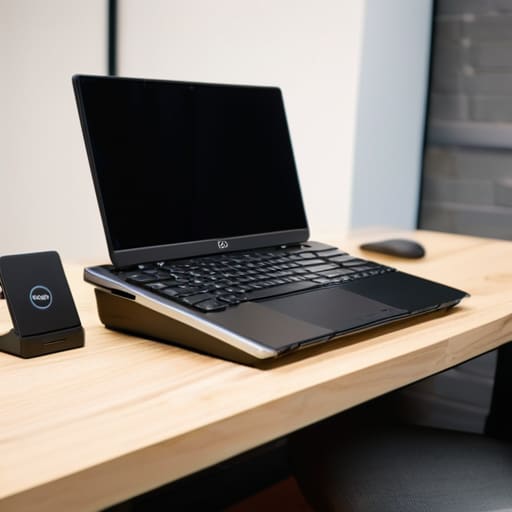
    I spent thirty years in manufacturing, where if a connection was loose or a component was flimsy, the whole line ground to a halt. Nowadays, I see people spending a fortune on high-end laptops only to tether them to some cheap, hollow piece of junk that drops the signal the moment you breathe on it. It’s frustrating to watch. Finding the best laptop docking stations shouldn’t feel like a gamble, yet most of what you see on the market today is just overpriced plastic designed to fail the moment you actually need it to perform. You need a solid interface that handles your monitors, peripherals, and power without throwing a fit.

    I’ve sat down with my notepad and run the numbers on several models to see which ones actually hold up under pressure. In this list, I’m cutting through the marketing fluff to show you five specific units that offer real reliability and build quality. I’ll tell you exactly which ones are worth your hard-earned money and which ones you should steer clear of entirely. By the end of this, you’ll know how to build a workstation that actually works as hard as you do.

    Table of Contents

    The Workhorse: CalDigit TS4

    The Workhorse: CalDigit TS4 docking station.

    I’ve spent most of my life looking at connection reliability, and frankly, this is the closest thing to a solid piece of engineering I’ve seen in a long time. Most of these modern docks feel like they were designed by someone who has never actually had to plug in a heavy-duty cable. The TS4, however, feels substantial. It handles a massive amount of data without breaking a sweat, which is exactly what you want when you’re trying to run multiple high-resolution monitors and a dozen peripherals at once.

    The Reliable Standard: Dell WD19S

    The Reliable Standard: Dell WD19S docking station.

    If you’re working in a corporate environment or just want something that doesn’t require a manual to set up, this Dell unit is a practical choice. It’s not trying to be the most beautiful thing on your desk, and it doesn’t need to be. It’s built for functionality over form, which is a philosophy I can get behind. The build quality is sturdy enough to survive being moved around a desk, and the connection to your laptop is secure.

    The Budget-Friendly Fix: Anker 575 USB-C Docking Station

    The Budget-Friendly Fix: Anker 575 USB-C Docking Station

    Now, I’m usually skeptical of anything labeled “budget,” because that’s often code for “disposable plastic.” However, Anker has managed to strike a decent balance here. This isn’t going to give you the heavy-duty, industrial feel of a CalDigit, but it provides a reliable connection for a fraction of the price. It’s a good option if you aren’t running a high-end workstation but still need to connect a couple of monitors and some basic peripherals.

    The Minimalist Choice: Satechi USB-C Multiport Adapter

    Sometimes you don’t need a giant brick sitting on your desk taking up all the room; sometimes you just need a way to bridge the gap between your laptop and your gear. This Satechi adapter is what I’d call a “bridge” rather than a full-blown docking station. It’s compact, and the build quality is surprisingly high for its size. It doesn’t feel like a toy, which is a common problem with these smaller portable adapters.

    The High-Speed Specialist: OWC Thunderbolt Dock

    For those of you who are working with massive files—think video editors or people dealing with huge databases—you need something that doesn’t bottleneck your workflow. This OWC dock is designed specifically for maximum throughput. It utilizes the Thunderbolt connection to its full potential, ensuring that your data moves as fast as your hardware allows. It’s a serious piece of equipment for serious tasks.

    The Bottom Line: Don't Get Fooled by the Box

    Stop looking at the flashy marketing and start looking at the ports; if the connection feels flimsy or the power delivery is inconsistent, it’s just an expensive paperweight.

    Prioritize build quality over brand names—I’d rather have a heavy, well-shielded unit that stays cool than a lightweight piece of plastic that throttles the moment you plug in a monitor.

    Check your compatibility twice before you buy, because there is nothing more frustrating than spending good money on a dock that refuses to talk to your specific laptop.

    ## The Real Test of a Docking Station

    I don’t care how many ports they cram onto the front or how many flashing lights the box has; if that connection drops for even a second while you’re in the middle of a task, it’s nothing more than an expensive paperweight. You’re looking for stability and a solid chassis, not a marketing gimmick.

    Roland Delacroix

    Get It Right the First Time

    Look, I’ve spent enough time looking at circuit boards to know that a docking station isn’t just a glorified power strip. If you choose a model based on a flashy marketing campaign rather than its actual port stability and power delivery specs, you’re going to regret it when your monitors start flickering mid-meeting. Whether you decide to go with a heavy-duty Thunderbolt option for maximum bandwidth or a more modest USB-C hub to save a few bucks, make sure the build quality matches your daily workload. Don’t let a cheap, unbranded unit become the single point of failure for your entire desk setup. Stick to the brands that prioritize reliable connectivity over flashy LED lights and unnecessary gimmicks.

    At the end of the day, your technology should serve you, not the other way around. You shouldn’t have to troubleshoot your hardware every single morning just to get your email open. Invest in a piece of equipment that stays out of your way and does exactly what it was engineered to do. When you find a dock that works consistently, you stop thinking about it, and that is exactly how a tool should function. Buy something that lasts, set it up once, and get back to the work that actually matters.

    Frequently Asked Questions

    Do I really need a dedicated docking station, or can I just use a cheap USB-C hub?

    Look, I’ve seen enough cheap hubs fail under load to know the difference. If you’re just plugging in a mouse and a thumb drive, a basic hub is fine. But if you’re running dual monitors, an external drive, and charging your laptop all at once, those flimsy hubs will overheat and drop your connection. Don’t gamble your workflow on a piece of plastic that can’t handle the power draw. Get a real dock.

    How do I know if a dock is actually going to support my dual monitors without flickering or cutting out?

    Look at the specs, not the marketing fluff. You need to verify the bandwidth. If you’re running dual monitors, check if the dock supports Thunderbolt 4 or at least USB4; standard USB-C often lacks the “pipe” size to push two high-res signals without stuttering. Also, match your monitor’s resolution to the dock’s rated output. If the box says it supports 4K but only on a single screen, don’t expect it to handle two.

    Will this dock actually charge my laptop, or am I going to have to keep my power brick plugged in too?

    That’s the million-dollar question, isn’t it? Here’s the deal: it depends entirely on the dock’s Power Delivery (PD) rating. If the dock provides enough wattage to match your laptop’s requirements, you can ditch that bulky power brick for good. But if you buy a cheap unit with low output, your battery will just drain slower while you work. Check the specs for the “PD” wattage before you buy; don’t settle for anything less than what your machine demands.

  • Safety Considerations for Portable Chargers

    Safety Considerations for Portable Chargers

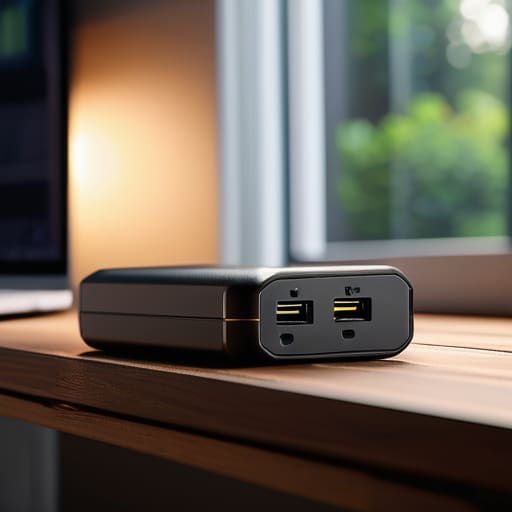
    I was sitting at my workbench last Tuesday, mid-way through a capacitor replacement on a 1970s Marantz receiver, when I smelled it: that sharp, acrid scent of ozone and melting polymer. A neighbor had dropped by to show off his latest “bargain” power bank he’d picked up from some discount site. The casing was already warping, and the thing was running hot enough to fry an egg. It’s a damn shame, but we’ve reached a point where portable charger safety has become an afterthought in favor of flashy LED displays and bottom-shelf pricing. Most of these devices are nothing more than unregulated lithium cells wrapped in thin, cheap plastic, and they’re a ticking time bomb in your backpack.

    I’m not here to sell you on some high-tech brand name or a gadget that requires a smartphone app just to check its battery level. I’m going to show you how to look past the marketing fluff and identify the actual build quality that matters. We’re going to talk about thermal management, circuit protection, and why you should never trust a bargain-bin battery. My goal is simple: I want to make sure the gear you carry actually works when you need it, without turning your pocket into a fire hazard.

    Table of Contents

    How to Spot Certified Charging Technology That Actually Works

    How to Spot Certified Charging Technology That Actually Works

    When you’re browsing through those endless rows of gadgets online, don’t just look at the capacity numbers or how many USB ports they’ve crammed onto the casing. Most of that is just marketing fluff. I always tell people to look for the marks that actually mean something. You want to see legitimate certifications like UL (Underwriters Laboratories) or CE printed right on the chassis. These aren’t just suggestions; they mean the device has been put through the ringer to ensure certified charging technology is actually managing the voltage correctly. If a manufacturer is too cheap to pay for those third-party tests, they’re likely cutting corners on the internal circuit boards.

    Keep an eye out for dedicated protection circuits designed for preventing battery swelling. A decent unit should have built-in safeguards against overcharging and short-circuiting. If the housing feels like thin, hollow plastic that flexes when you squeeze it, walk away. A quality power bank should feel solid, like a tool, not a toy. If it lacks clear safety documentation, you aren’t just buying a charger; you’re buying a potential fire hazard for your nightstand.

    Spotting Lithium Ion Battery Overheating Before Its Too Late

    Spotting Lithium Ion Battery Overheating Before Its Too Late

    Now, let’s talk about something that actually keeps me up at night: thermal runaway. In my engineering days, we knew that heat was the enemy of any stable system, and that’s especially true with these modern cells. If you’re using a power bank and it starts feeling uncomfortably hot to the touch—not just warm, but actually hot—stop what you’re doing. Don’t just set it down on your bed or a couch; get it onto a hard, non-flammable surface immediately. Lithium ion battery overheating isn’t just a minor inconvenience; it’s a warning sign that the internal chemistry is failing.

    You also need to keep a sharp eye out for physical changes in the casing. If you notice the plastic shell starting to bulge or if the device looks slightly “pregnant,” that is a clear sign of preventing battery swelling has already failed. That swelling is caused by gas buildup inside the cell, and once that happens, the structural integrity is gone. At that point, the device is no longer a tool; it’s a liability. Don’t try to “squeeze” it back into shape or keep using it. Just get it out of your house and dispose of it properly.

    Five Rules to Keep Your Gear from Turning into a Fire Hazard

    • Stop buying unbranded junk from those discount sites. If the charger doesn’t list its specific wattage and input/output specs clearly on the casing, it’s because they’re hiding something. I’ve seen too many of these “mystery” bricks that lack basic thermal cutoff switches.
    • Check your cables like you check your plumbing. A frayed cord or a connector that feels loose in the port is a recipe for a short circuit. If the wire is thin and feels like it’s going to snap if you bend it, toss it in the bin and buy a braided one that actually has some structural integrity.
    • Never charge your power bank under a pillow or in a closed drawer. These devices generate heat while they work; if you don’t give that heat a way to dissipate, you’re essentially building a slow-motion oven. Keep them on a hard, flat surface where the air can actually move.
    • Watch out for the “bulge.” If you notice the casing of your portable charger looks even slightly swollen or distorted, stop using it immediately. That’s a sign the internal cells are off-gassing, and that’s when things go from “annoying” to “dangerous” very quickly.
    • Don’t leave your chargers plugged into the wall indefinitely. Once the battery is full, pull the plug. Leaving cheap circuitry energized 24/7 puts unnecessary stress on the components and increases the chance of a component failure while you’re sleeping.

    Bottom Line: Don't Get Burned by Cheap Hardware

    Stop buying unbranded power banks from gas stations or discount sites; if the casing feels light and hollow, it lacks the thermal management needed to keep a lithium cell stable.

    Always check for UL or ETL certification marks on the casing—it’s the only way to know someone actually tested the circuitry for safety instead of just slapping a logo on it.

    If a charger starts getting hot to the touch or makes a high-pitched whining sound, unplug it immediately and toss it; that’s not “normal operation,” that’s a component failing.

    The Cost of Cutting Corners

    I’ve spent enough time looking at failed components to know that a “bargain” power bank is usually just a fire hazard wrapped in cheap, thin plastic; if you wouldn’t trust the circuit board to run a piece of industrial machinery, don’t trust it to sit in your pocket next to your phone.

    Roland Delacroix

    Don't Let a Cheap Battery Ruin Your Day

    Don't Let a Cheap Battery Ruin Your Day

    At the end of the day, protecting your gear and your home comes down to two things: doing your homework and trusting your gut. I’ve seen enough poorly engineered junk in my time to know that if a charger lacks proper certifications or feels like it was molded from bottom-shelf scrap plastic, you should leave it on the shelf. Keep an eye out for those heat signatures, stick to brands that actually respect their electrical specs, and never, ever ignore a battery that’s swelling or getting suspiciously hot. It’s much easier to spend an extra twenty dollars on a reputable piece of hardware now than to deal with a melted device or a fire hazard later.

    Look, I know the temptation to grab the cheapest option on a massive online marketplace is strong, but I’m telling you, it isn’t worth the risk. Technology should serve you, not become a liability you have to babysit. When you buy something that’s built with integrity, you’re buying peace of mind, and that’s something you can’t put a price tag on. Do yourself a favor: stop chasing the lowest price and start looking for genuine reliability. Your devices—and your wallet—will thank you for it.

    Frequently Asked Questions

    Is it actually dangerous to charge my phone and my power bank at the same time?

    Look, I’ve seen enough thermal runaway incidents in my time to know that heat is the enemy. Charging a phone and a power bank simultaneously isn’t inherently a death sentence, but you’re asking for trouble if you’re doing it through a single, cheap multi-port brick. You’re taxing the circuitry and generating excess heat. If that charger feels hot to the touch, unplug it. Don’t push cheap components to their limit.

    How can I tell if a battery is swelling inside its casing before it becomes a fire hazard?

    You’ve got to look for the subtle signs before things get dangerous. First, check the casing for any bulging or warping—if the plastic looks like it’s being pushed out from the inside, that’s a red flag. Watch for gaps opening up where the device parts should meet tightly, or a screen that looks like it’s lifting off the frame. If the device feels unusually hot or smells sweet and metallic, stop using it immediately.

    Are those cheap, unbranded chargers from gas stations worth the risk, or is the price difference just for the name?

    Look, I’ve seen enough failed components in my time to know that you get what you pay for. Those gas station specials aren’t just “budget friendly”—they’re a gamble. You’re paying for the lack of safety controllers and substandard cells that can’t handle a steady discharge. The price difference isn’t just for a fancy logo; it’s for the engineering that keeps the unit from turning into a fire hazard in your pocket. Skip them.

  • Choosing a Webcam for Streaming and Meetings

    Choosing a Webcam for Streaming and Meetings

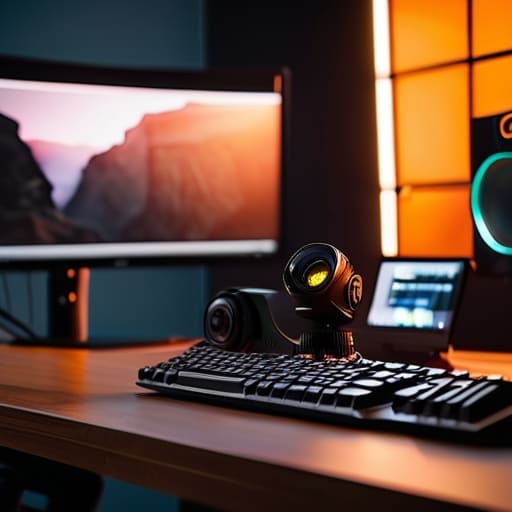
    Stop letting these tech companies bully you into thinking you need a three-figure piece of hardware just to get a decent image on screen. I’ve spent forty years looking at mechanical tolerances and system reliability, and if there’s one thing I’ve learned, it’s that marketing fluff rarely equates to actual build quality. Most people go out and buy the most expensive webcam for streaming they can find, only to realize six months later that the mounting bracket is flimsy plastic and the software is a buggy mess that crashes every time you try to adjust the brightness. It’s a racket, plain and simple.

    I’m not here to sell you on the latest shiny gadget or some overhyped sensor that requires a PhD to configure. My goal is to cut through the noise and tell you exactly which models are worth your hard-earned money and which ones are just expensive paperweights. I’ve sat down with my notepad, looked at the actual specs, and tested the hardware to see what holds up under real-world use. By the time you finish reading this, you’ll know how to pick a tool that actually works without wasting a single cent on unnecessary nonsense.

    Table of Contents

    High Definition Video Quality That Doesnt Lie

    High Definition Video Quality That Doesnt Lie

    When you’re looking at spec sheets, don’t let the marketing departments dazzle you with buzzwords. They’ll throw around “4K” like it’s magic, but if the sensor is tiny and cheap, that resolution is nothing but empty pixels. What you actually need to look for is high definition video quality that holds up when you move or change positions. I’ve seen too many people buy a high-priced lens only to realize the image turns into a muddy mess the moment they step away from a bright window.

    You also need to pay attention to how the hardware handles a dim room. Most people don’t realize that low light webcam performance is the real litmus test for a decent sensor. If the camera has to struggle to find light, you’ll end up with digital noise that looks like moving sand across your screen. It’s a common mistake in a beginner’s setup. Stick to a device with a decent aperture and a reliable glass lens; if the hardware can’t handle a little shadow, it’s just more expensive plastic destined for the junk drawer.

    The Truth About Low Light Webcam Performance

    The Truth About Low Light Webcam Performance.

    Most people think they can just plug in a camera and start broadcasting, but they forget one fundamental rule of engineering: sensors need light to function. I’ve seen too many folks try to build the best streaming setup for beginners only to realize their video looks like a grainy, muddy mess the moment the sun goes down. When a sensor is starved for light, it compensates by cranking up the ISO, which introduces digital noise that makes your skin look like sandpaper. If you aren’t careful, you’re just broadcasting a cloud of static.

    To get decent low light webcam performance, you have to look past the marketing fluff and check the sensor size. A larger sensor captures more photons, which is the only way to maintain a clean image without it turning into a pixelated disaster. You can buy all the fancy streaming accessories for creators in the world, but if your hardware can’t handle a dim room, you’re just throwing money down the drain. Don’t let them sell you on “software enhancements” that just blur the image to hide the flaws; look for a camera that handles the physics of light properly.

    Five Things They Don't Tell You in the Marketing Brochure

    • Check the mount before you buy. I’ve seen too many people buy a decent lens only to realize it won’t sit steady on a monitor or a tripod without a specialized rig. If it feels like it’s made of cheap, hollow plastic, it’s going to wobble every time you move your mouse.
    • Don’t trust the “Plug and Play” lie. Manufacturers love that phrase, but half the time you’ll spend an hour fighting with Windows drivers or proprietary software just to get the frame rate to stop stuttering. Look for gear that plays nice with standard operating systems without requiring a PhD to configure.
    • Watch your USB bandwidth. You can buy the most expensive 4K sensor on the market, but if you’re plugging it into a cluttered USB hub shared with a keyboard and a headset, your stream is going to drop frames. Get a dedicated port and keep the data lines clean.
    • Ignore the built-in microphones. I don’t care how many “noise-canceling” features they boast about in the specs; those tiny, internal diaphragms are almost always garbage. If you want to sound like a professional and not like you’re talking through a tin can, budget for a separate mic from day one.
    • Look for manual control options. Modern “smart” webcams try to do the work for you by auto-adjusting exposure and white balance, but they usually get it wrong. You want a device that lets you lock those settings in so your face doesn’t suddenly turn bright white or pitch black mid-sentence.

    The Bottom Line: Don't Get Fooled by the Spec Sheet

    Ignore the marketing fluff about “ultra-high resolution” if the sensor is tiny; a decent 1080p camera with a quality lens will always beat a grainy, overpriced 4K piece of junk.

    Prioritize light management over software filters; you want a camera that can handle your room’s actual lighting without turning your face into a blurry, digital mess.

    Look for build quality and physical controls; if a webcam feels like a cheap toy in your hand, it’s going to fail you when you’re mid-stream and need it to just work.

    The Real Cost of Cheap Glass

    “Most manufacturers will sell you a box full of marketing jargon and high megapixel counts, but if the sensor can’t handle a simple change in lighting without turning your face into a grainy mess, you aren’t buying a tool—you’re buying an expensive paperweight.”

    Roland Delacroix

    The Bottom Line on Your Next Purchase

    The Bottom Line on Your Next Purchase.

    At the end of the day, choosing a webcam isn’t about chasing every flashy marketing buzzword or buying the most expensive unit on the shelf. I’ve seen enough gear fail to know that a high frame rate means nothing if the sensor is garbage in anything less than perfect lighting. You need to prioritize a solid build, reliable connectivity, and a sensor that can actually handle your room’s environment without turning your video into a grainy, digital mess. Don’t let the sales pitch distract you; focus on the technical specifications that actually matter to your specific setup, rather than the pretty packaging. If you get the fundamentals of resolution and light sensitivity right, you won’t be scrambling to replace your hardware six months down the line.

    Investing in your stream shouldn’t feel like gambling with your hard-earned money. My advice is simple: buy for the long haul. Whether you are just starting out or you have been at this for years, aim for reliability over hype. A piece of equipment is only useful if it works every single time you hit that “start” button. Stop settling for flimsy, disposable gadgets and start building a setup that reflects the quality of the content you’re trying to create. You’ve got the knowledge now—go out there and buy something that actually lasts.

    Frequently Asked Questions

    Do I really need a dedicated external microphone, or can I just rely on the one built into the webcam?

    Look, I’ll give it to you straight: if you’re serious about your stream, stop relying on that built-in webcam mic. Those tiny, cheap components are usually buried inside a plastic housing that picks up every hum from your cooling fans and every click of your keyboard. It sounds thin and hollow. If you want your audience to actually listen instead of straining to hear you, get a dedicated external microphone. It’s not an indulgence; it’s basic engineering.

    Is it worth spending an extra hundred bucks for a 4K sensor if I'm only streaming in 1080p?

    Look, I’ve seen this mistake a dozen times. If you’re strictly streaming in 1080p, that extra hundred bucks for a 4K sensor isn’t a magic fix—it’s mostly marketing fluff. However, there is one engineering reality to consider: a 4K sensor allows you to crop the image in software without losing clarity. If you want more flexibility in your framing later, go for it. Otherwise, keep your money and invest in better lighting instead.

    How much does my lighting setup actually matter if I'm buying a high-end camera?

    Look, I’ve seen it a dozen times: someone drops five hundred bucks on a top-tier lens only to sit in a dark room with a single overhead bulb. It’s a waste of good engineering. A high-end sensor is a precision instrument, not a magic wand. If you don’t feed it decent light, all that expensive glass is just going to struggle to make sense of the shadows. Get some basic lighting first; otherwise, you’re just buying expensive plastic.

  • Using Smart Plugs to Manage Household Appliances

    Using Smart Plugs to Manage Household Appliances

    I was sitting in my workshop last Tuesday, staring at a cheap, generic smart plug that had just melted its own casing after trying to run a simple space heater. It’s the same story every time I see these things: companies marketing “innovation” that is really just flimsy, overpriced plastic designed to fail the moment you put a real load on it. People are out there spending good money on smart plugs for appliances thinking they’re upgrading their homes, but most of them are just buying a future headache and a potential fire hazard. If the internal relay can’t handle the amperage, it’s not a smart device—it’s a paperweight.

    I didn’t spend thirty years in systems engineering to watch people get fleeced by bad hardware. In this guide, I’m cutting through the marketing fluff to tell you which units actually have the build quality to survive a real kitchen or laundry room. I’ll show you exactly what to look for in terms of load capacity and connectivity stability so you can stop wasting your hard-earned money. I’m not here to sell you on a lifestyle; I’m here to help you find tools that actually work.

    Table of Contents

    Reliable Wifi Enabled Smart Outlets That Wont Quit

    Reliable Wifi Enabled Smart Outlets That Wont Quit

    If you’re looking to get serious about remote appliance management, you need to look past the cheap, no-name kits sold in bulk online. I’ve seen too many of those flimsy units drop off the network the second a heavy load hits the circuit. For something that actually holds up, I look for hardware that offers robust smart home ecosystem integration. If the device can’t talk to your existing hub without a five-minute struggle, it’s just more electronic clutter. I personally prefer brands that use dedicated chips designed for stability rather than just cutting corners on the silicon.

    When I’m evaluating these, I’m also looking for energy monitoring smart plugs that provide real-time data. It isn’t just about turning things on and off; it’s about seeing exactly how much juice your old refrigerator or space heater is pulling. This is the most practical way of reducing phantom power consumption without having to guess which device is the culprit. If a plug doesn’t give you granular, accurate readings, it’s nothing more than an expensive light switch. Get something with a solid build and a proven track record.

    Remote Appliance Management Without the Technical Headache

    Remote Appliance Management Without the Technical Headache

    The real headache isn’t just turning a lamp on from your phone; it’s the frustration of a system that requires a manual to operate. When I talk about remote appliance management, I’m not interested in gadgets that require you to jump through digital hoops just to kill the power to a coffee maker. You want a setup where the interface is intuitive. If you have to dig through five sub-menus just to set a timer, the engineers who designed the software failed you. A good device should work with a single tap, or better yet, through automated appliance scheduling that you set once and then forget about.

    I’ve seen too many people get caught up in the hype of a massive, complicated smart home ecosystem integration, only to find themselves troubleshooting their lightbulbs at 10:00 PM. Keep it simple. You don’t need a central command center that requires a stable server in another country just to run a toaster. Look for hardware that offers a straightforward app—one that doesn’t crash when you’re trying to check if you left the space heater on. If the software feels like it was built by people who have never actually used a physical switch, put it back on the shelf.

    Five Rules for Not Wasting Your Money on Junk

    • Check the amperage before you buy. Most of these cheap little things are rated for 10 amps, but if you try to plug a space heater or a heavy-duty coffee maker into one, you’re going to melt the casing and potentially start a fire. Get something rated for 15 amps if you actually intend to use it on anything substantial.
    • Look for physical overrides. I can’t stand these modern gadgets that require a smartphone app just to turn the thing on. If the plug doesn’t have a manual button on the side, it’s a paperweight the second your Wi-Fi decides to act up.
    • Avoid the “subscription trap.” If a manufacturer tells you that you need a monthly fee just to access the scheduling features or the energy monitoring data, walk away. You bought the hardware; you shouldn’t have to rent the software.
    • Prioritize local control over “cloud” dependency. I’ve seen too many people lose control of their entire home setup because a company’s server went down halfway across the world. You want a plug that talks directly to your hub, not one that has to check in with a data center in Silicon Valley just to turn on a lamp.
    • Inspect the build quality. If the plastic feels thin and light in your hand, it’s going to fail. I want to see a solid, heavy-duty casing and prongs that actually stay seated in the wall outlet. If it feels like a toy, it’s going to perform like one.

    What to Look for Before You Buy

    Prioritize build quality over fancy apps; if the casing feels like thin, flimsy plastic, it’s going to fail the moment your heavy-duty appliances draw real power.

    Stick to plugs that offer local control or stable protocols so you aren’t left staring at a “device offline” error every time your internet hiccups.

    Always check the amperage rating against your appliance’s requirements—don’t let a manufacturer’s marketing fool you into plugging a high-draw machine into a low-spec outlet.

    ## The Real Test of a Smart Plug

    “I don’t care how many fancy features an app claims to have; if that plug drops its connection the moment your refrigerator kicks on, it’s nothing more than an expensive piece of junk sitting in your wall.”

    Roland Delacroix

    The Bottom Line on Smart Plugs

    The Bottom Line on Smart Plugs.

    Look, I’ve spent enough time looking at circuit boards to know that most of these gadgets are built to be replaced, not repaired. If you take anything away from my testing, let it be this: don’t get distracted by flashy apps or colorful packaging. Focus on the build quality and the stability of the connection. You want a plug that handles the electrical load of a coffee maker or a space heater without getting warm to the touch, and you want one that doesn’t require a software update every time you want to turn on a lamp. Stick to the brands that prioritize reliable connectivity over gimmicks, because a smart plug that stays offline is just a very expensive piece of plastic sitting in your outlet.

    At the end of the day, technology should serve you, not the other way around. You shouldn’t have to spend your Saturday afternoon troubleshooting a device that was supposed to make your life easier. Use these tools to automate the mundane tasks and save a bit of energy, but never let them complicate your home. Buy something that is built to last, set it up once, and then get back to enjoying your life. After all, the best piece of technology is the one you completely forget is even there because it just works.

    Frequently Asked Questions

    Will these smart plugs actually handle the heavy electrical load of my old refrigerator or space heater without melting?

    Listen, this is exactly why I keep my notepad handy. Most people see a “smart plug” and assume it’s a universal solution. It isn’t. If you plug a space heater or an old, compressor-heavy fridge into a cheap, low-amperage plug, you’re asking for a fire hazard. You need to check the wattage rating on the device and compare it to your appliance’s peak draw. Don’t settle for anything less than a heavy-duty, rated unit.

    Do I really need a dedicated hub, or can I just plug these in and expect them to work with my existing router?

    Look, you can certainly just plug them in and connect them to your router, but there’s a catch. Most cheap Wi-Fi plugs will work fine until you add more than a handful of them. Once your router is juggling twenty different devices, the whole system starts to stutter. If you’re planning on automating your whole kitchen or laundry room, get a hub. It offloads the heavy lifting so your internet doesn’t crawl to a halt.

    How do I know if a plug is going to lose its connection every time my neighbor turns on their microwave?

    Look, you can’t predict your neighbor’s bad wiring, but you can choose hardware that handles interference better. Avoid the cheap, generic plugs that only use the 2.4GHz band with a flimsy antenna. You want something with a robust chipset and, if possible, dual-band support. If a plug lacks a solid internal antenna or uses a bottom-tier Wi-Fi module, it’ll drop the signal the second there’s any electrical noise in the air. Don’t settle for junk.

  • Speeding Up Your Computer With an Ssd

    Speeding Up Your Computer With an Ssd

    I was sitting at my workbench last Tuesday, staring at a modern laptop that cost more than my first car, and I couldn’t believe the sheer waste of it all. The manufacturer had packed it with a bottom-tier drive that was practically choking on its own data, yet they had the audacity to charge a premium for it. It’s the same story I saw for thirty years in manufacturing: companies cutting corners on the internal components and calling it “innovation.” Most people think they need to go out and buy a whole new machine when their system starts dragging, but that’s just marketing nonsense. In reality, most of those sluggish computers just need proper ssd upgrades to actually do what they were designed to do.

    I’m not here to sell you on the latest flashy, overpriced silicon that promises the moon and delivers nothing but heat. My goal is to give you the straight talk on which drives are built to last and which ones are just expensive plastic destined for a landfill. I’ll show you exactly what to look for in terms of reliability and speed, so you can stop throwing money at the hype and start investing in hardware that actually works.

    Table of Contents

    Improving Boot Times Without the Expensive Fluff

    Improving Boot Times Without the Expensive Fluff

    Most people think they need a brand-new computer just because their current machine takes five minutes to reach the desktop. That’s nonsense. Usually, you aren’t fighting a slow processor; you’re fighting a bottlenecked storage drive. If you’re still running a mechanical hard drive, you’re essentially trying to run a marathon through knee-deep mud. By focusing on improving boot times through a simple drive swap, you can make a five-year-old machine feel snappy again without spending a fortune on a new tower.

    When you look at the options, don’t get distracted by the flashy RGB lighting or the marketing jargon. You need to understand the m.2 form factor explained in simple terms: it’s a small, gumstick-shaped drive that plugs directly into your motherboard, bypassing the messy cables of the old days. This direct connection is what actually drives those impressive read and write speeds. I’ve seen plenty of folks overpay for massive capacities they’ll never use, but if you just aim for a reliable mid-range drive, you’ll get the performance you need without the “expensive fluff.”

    Solid State Drive Capacity More Space Less Waste

    Solid State Drive Capacity More Space Less Waste

    Now, let’s talk about the trap most manufacturers set for you: capacity. It’s easy to get swept up in the marketing for a 4TB drive, but I’ve seen too many people overspend on massive storage they’ll never actually fill. When you’re looking at solid state drive capacity, you need to be practical. Think about your actual workflow. If you’re just browsing the web and running office software, a 500GB drive is more than enough. Don’t let them upsell you on “future-proofing” that ends up sitting in a drawer gathering dust.

    If you are a hobbyist dealing with massive video files or high-res audio libraries, then sure, go bigger. But for the average user, I’d rather see you invest that extra cash into a drive with better read and write speeds. A smaller, high-quality drive will serve you much better than a massive, cheap one that chokes the moment you try to move a decent-sized file. Buy only what you need, and spend the savings on something that actually builds a reliable system.

    Five Hard Truths Before You Open the Case

    • Check your interface before you buy. Don’t go out and purchase a high-end NVMe drive if your motherboard only supports SATA. I’ve seen too many folks return expensive hardware because they didn’t bother to check the physical connection requirements first.
    • Don’t overpay for “gaming” branding. Most of these drives are just standard flash memory with a colorful sticker and a higher price tag. Look at the TBW (Total Bytes Written) rating instead; that tells you how much actual work the drive can do before it dies.
    • Buy a decent heatsink if you’re going fast. Modern M.2 drives run hot—hot enough to throttle your speeds right when you need them. If the drive doesn’t come with one, spend the extra five bucks on a simple aluminum heat spreader. It’s basic thermal management.
    • Always clone your drive or back up your data before you start. I don’t care how “user-friendly” the software claims to be; things go wrong. If you haven’t got your files on an external drive, you aren’t ready to perform the upgrade.
    • Stick to the reputable names. I know, the cheap generic brands on those big online marketplaces look tempting, but they use bottom-tier controllers that’ll fail you when you least expect it. Stick to the manufacturers who actually have an engineering department.

    The Bottom Line: Don't Get Sold a Bill of Goods

    Stop chasing the highest possible read/write speeds advertised on the box; for daily tasks and general computing, you’ll never notice the difference, but you will notice the extra fifty bucks in your pocket.

    Prioritize endurance and brand reputation over flashy aesthetics; a drive with a solid controller and decent warranty is worth more than a “gaming” SSD made of cheap components.

    Buy only what you actually need—overprovisioning a massive drive you’ll never fill is just throwing money away on silicon that’s sitting idle.

    The Bottom Line on Storage

    I’ve seen enough “next-gen” gadgets fail because they prioritized flashy lights over solid components; when it comes to an SSD, don’t get distracted by the marketing jargon—just look for the drive that actually holds its integrity when the workload gets heavy.

    Roland Delacroix

    The Bottom Line on SSDs

    The Bottom Line on SSDs performance.

    Look, I’ve spent enough time looking at blueprints to know that you don’t need the most expensive component on the shelf to get the job done. We’ve covered the essentials: don’t get distracted by those flashy, high-end speeds that your average daily tasks won’t even utilize, and don’t overbuy capacity just because the marketing team says it’s “future-proof.” Stick to a reliable brand, prioritize a drive that offers a decent amount of endurance, and focus on the actual performance gains you’ll feel when your machine finally stops stuttering. An SSD upgrade isn’t about chasing benchmarks; it’s about eliminating the bottlenecks that turn a perfectly good computer into a paperweight.

    At the end of the day, technology should serve you, not the other way around. I’ve seen too many people throw good money after bad, chasing the latest silicon trends while their actual hardware sits neglected. My advice? Buy something built to last, install it with a bit of patience, and get back to using your machine for what actually matters. You don’t need a laboratory-grade setup to enjoy a snappy, responsive computer. Just pick a solid, dependable drive, do the work yourself, and stop letting overpriced plastic dictate how much your tools are worth.

    Frequently Asked Questions

    Do I really need to worry about the difference between SATA and NVMe, or is it just more marketing hype?

    Look, if you’re just browsing the web or writing reports, a SATA drive is perfectly fine. You won’t notice the difference. But if you’re moving large video files or running heavy software, that’s where NVMe earns its keep. Don’t let the salespeople talk you into the most expensive Gen5 drive just because it’s shiny; for most folks, a mid-range NVMe is the sweet spot between speed and actual value.

    How do I know if my old motherboard can actually handle a modern drive without me having to rebuild the whole damn machine?

    You don’t need to tear the whole rig apart to check this. First, pull up your system information and find your motherboard model. Once you have that, go straight to the manufacturer’s website—don’t trust some third-party forum. Look for the SATA or M.2 specifications in the manual. If it says it supports SATA III, you’re golden for a standard SSD. If you’re looking for those lightning-fast NVMe drives, make sure that slot is actually there.

    Is it worth paying a premium for a brand name, or can I get away with a cheaper drive as long as it has decent specs?

    Look, I’ve seen enough “bargain” components fail mid-job to know that you get what you pay for. If you’re just storing photos, a budget drive is fine. But if this is your primary system drive, don’t be cheap. Pay the premium for a brand with a proven controller and a solid warranty. I’d rather spend an extra twenty bucks now than replace a dead, no-name drive and lose my data next year.

  • Essential Gear for Content Creators

    Essential Gear for Content Creators

    I was sitting in my workshop last Tuesday, cleaning the contacts on a 1974 Marantz receiver, when I saw another ad for a “revolutionary” starter kit for influencers. It was nothing more than a pile of flimsy, unbranded plastic wrapped in shiny marketing jargon, priced at three times what the components were actually worth. It makes my blood boil. Most people out there are being sold a lie that they need a thousand-dollar setup to start making videos, but the truth is that most modern content creator gear is built to fail the moment you actually put it to work. They’ve replaced mechanical reliability with aesthetic LED lights and overpriced software subscriptions.

    I’m not here to sell you on the latest trend or tell you which gadget has the prettiest packaging. My goal is to strip away the hype and look at the actual build quality, the signal-to-noise ratio, and the long-term durability of what you’re buying. I’m going to show you how to build a setup that actually lasts, focusing on tools that serve your purpose rather than just draining your bank account. If you want the truth about what’s worth your hard-earned money and what’s just expensive junk, you’re in the right place.

    Table of Contents

    The Truth About Budget Filmmaking Equipment

    I’ve seen enough “all-in-one” starter kits to know they’re usually just a collection of overpriced junk wrapped in a pretty box. Most companies want to sell you a flashy beginner creator setup that looks great in a thumbnail but falls apart the moment you try to mount it on a tripod. They pack these kits with lightweight, hollow plastic that feels like it belongs in a child’s toy box rather than a professional studio. If you’re looking for budget filmmaking equipment, don’t mistake “cheap” for “value.” Value means the component is built to last, not just that it didn’t break your bank account on day one.

    If you want to actually make something worth watching, stop obsessing over the latest mirrorless camera body and start looking at the fundamentals. You can have a $3,000 lens, but if your audio sounds like you’re recording inside a tin can, nobody is going to watch your video. I’ve learned the hard way that investing in high quality audio for creators is far more important than buying a camera with more megapixels than you’ll ever need. Focus on the parts that do the heavy lifting—solid tripods, decent microphones, and basic lights—and skip the gimmicky gadgets that offer nothing but a headache.

    Reliable Camera Gear for Social Media

    Reliable Camera Gear for Social Media setup.

    When you’re putting together a beginner creator setup, the temptation is to chase the latest mirrorless body that costs more than my first car. Don’t fall for it. For social media, you don’t need a cinema rig; you need something that won’t overheat when you’re halfway through a take. I’ve seen too many folks buy a thousand-dollar lens only to realize their tripod is made of cheap, wobbly aluminum. If the foundation isn’t solid, the image won’t be either.

    Focus on finding a camera with decent autofocus and a decent sensor, but prioritize your high quality audio for creators above all else. People will tolerate a grainy video if the story is good, but they’ll turn off a video in seconds if the sound is thin or clipping. I always tell people: buy a solid shotgun mic and a sturdy mount before you start upgrading your glass. It’s better to have a clear, reliable signal than a high-resolution shot that sounds like it was recorded inside a tin can. Stick to the basics that actually hold up under pressure.

    Five Rules for Buying Gear That Won't Let You Down

    Five Rules for Buying Gear That Won't Let You Down
    • Prioritize metal over plastic. I’ve spent enough years in manufacturing to know that if a tripod or a microphone mount feels like a toy, it’s going to fail you when you’re halfway through a shoot. Look for aluminum or magnesium alloys; they might cost a bit more upfront, but they won’t snap in your hands.
    • Don’t fall for the “all-in-one” trap. These companies love selling you a single kit that promises everything, but it usually means they’ve cut corners on every individual component. It’s better to buy a solid, standalone microphone and a decent light than a mediocre kit that does everything poorly.
    • Check the connection standards before you buy. I see people all the time buying fancy wireless gear only to realize they need three different adapters just to plug it into their computer. Stick to reliable, physical connections like XLR or USB-C whenever possible. It’s much harder for a signal to drop out when there’s a solid wire involved.
    • Read the actual technical specs, not the marketing fluff. If a manufacturer uses words like “revolutionary” or “unprecedented” instead of telling you the signal-to-noise ratio or the battery capacity, they’re hiding something. I always keep my notepad handy to jot down these numbers so I can compare them side-by-side.
    • Buy for the task, not the hype. You don’t need a cinema-grade camera to film a video for your kitchen table. Figure out exactly what you need to accomplish, and buy the most robust tool that fulfills that specific requirement. Anything beyond that is just extra weight and unnecessary expense.

    The Bottom Line on Your Setup

    The Bottom Line on Your Setup.

    Stop chasing the latest spec sheet; a heavy-duty, mid-range kit that you actually know how to operate will beat a high-end camera sitting idle in a bag every single time.

    Prioritize build quality over aesthetics—if a piece of gear feels like a toy, it’s going to fail you when you’re in the middle of a shoot, and that’s a mistake you can’t afford.

    Invest your money in the components that touch the work, like decent microphones and solid tripods, rather than wasting it on flashy accessories that offer nothing but marketing fluff.

    The Reliability Standard

    I’ve spent enough time on factory floors to know that a machine is only as good as its weakest component; the same goes for your kit. If you’re buying gear based on a flashy unboxing video instead of checking the build quality and the thermal management, you aren’t investing in a career—you’re just buying expensive plastic that’s going to fail you when the red light is actually on.

    Roland Delacroix

    The Bottom Line on Your Setup

    At the end of the day, building a creator kit isn’t about collecting every shiny new gadget that hits the market. We’ve looked at why you shouldn’t be fooled by budget filmmaking traps and why your camera gear needs to be more than just a social media trend. My advice remains the same: prioritize build quality over brand names and focus on tools that offer longevity. If a piece of equipment feels like it’s made of cheap, hollow plastic, it’s going to fail you right when you’re in the middle of a shoot. Invest in the essentials—solid lighting, reliable audio, and a camera that won’t overheat—and skip the overhyped accessories that add nothing but clutter to your workspace.

    Don’t let the sheer amount of technical jargon and endless product cycles intimidate you. You don’t need a laboratory full of high-end sensors to tell a compelling story or share your expertise with the world. The most important component in your entire production chain isn’t a lens or a microphone; it’s your ability to actually get to work and stay consistent. Buy gear that stays out of your way so you can focus on the task at hand. Once you have a reliable foundation, the rest is just practice. Now, quit staring at spec sheets and go make something worth watching.

    Frequently Asked Questions

    Is it actually worth the extra money to upgrade from a smartphone to a dedicated mirrorless camera, or is it just more expensive plastic?

    Look, if you’re just filming your lunch for Instagram, keep your phone in your pocket. But if you’re serious about a craft, a mirrorless camera isn’t just “more expensive plastic”—it’s about physics. You can’t program your way out of a tiny sensor. A dedicated camera gives you real optical depth and thermal management that a smartphone simply can’t match. If you want control over your image rather than just letting an algorithm guess, make the investment.

    How do I tell if a piece of lighting equipment is built to last or if it's going to burn out after a month of heavy use?

    Don’t just look at the lumens; look at the heat sinks and the housing. If the light is encased in thin, lightweight plastic that flexes when you squeeze it, run the other way. Real gear uses die-cast aluminum to pull heat away from the LEDs. Check the power supply, too—if it’s a cheap, unbranded brick, it’ll fry the moment things get hot. If it feels like a toy, it’ll perform like one.

    When I'm looking at audio interfaces and microphones, what specific build specs should I be looking for to ensure they aren't just glorified toys?

    Look for metal, not plastic. If an audio interface feels like a lightweight toy in your hand, it’ll likely fail when the heat rises. Check for heavy-duty aluminum chassis and, more importantly, high-quality XLR connectors that don’t wiggle. For microphones, skip the hollow-feeling condensers. You want a substantial weight and a robust internal shock mount. If the specs don’t mention metal construction or solid componentry, you’re just buying an expensive paperweight.

  • Choosing Noise Cancelling Earplugs for Quiet

    Choosing Noise Cancelling Earplugs for Quiet

    I spent thirty years in manufacturing plants where the roar of heavy machinery was just part of the daily rhythm, but even I know there’s a limit to what the human ear should endure. Nowadays, it seems like every company is trying to sell you a piece of flimsy, overpriced silicone that promises silence but delivers nothing but discomfort. I’ve sat at my workbench, surrounded by half-disassembled gadgets, trying to figure out which of these modern contraptions actually have the engineering integrity to do their job. If you’re tired of hearing nothing but a dull hiss when you’re trying to sleep or work, you need to stop guessing and start looking for the best noise cancelling earplugs that are built to last.

    I’m not here to give you a sales pitch or read off a spec sheet like some marketing brochure. I’ve put my own time into testing these, checking the seal, the material durability, and—most importantly—how much actual decibel reduction they provide. In the following list, I’m going to break down five specific options that are actually worth your hard-earned money. I’ll show you which ones are solid pieces of equipment and which ones are just expensive plastic junk that belongs in the bin.

    Table of Contents

    The Heavy-Duty Workhorse

    The Heavy-Duty Workhorse silicone ear putty.

    When I’m out in the garage working on a vintage amplifier, I need something that isn’t going to fail me halfway through a job. The Mack’s Silicone Putty is what I call a “set it and forget it” tool. It doesn’t rely on some fancy electronic chip that’s going to run out of battery right when the neighbors start their lawnmower; it’s just a reliable physical barrier that molds to the shape of your ear canal.

    The Gold Standard for Sleep

    Loop Quiet: The Gold Standard for Sleep.

    Most people think they need high-tech noise cancellation to sleep through a snoring partner or a noisy street, but half the time, they just need a better seal. The Loop Quiet earplugs are built with a decent amount of structural integrity for something so small. They use a soft, flexible silicone that doesn’t feel like it’s going to crack if you accidentally roll over on them in the middle of the night.

    High-Tech Protection for Constant Noise

    High-Tech Protection for Constant Noise earbuds.

    Now, if you’re looking for something that actually uses circuitry to combat sound, the Bose QuietComfort Earbuds are the heavy hitters. I’ll admit, I was skeptical about putting more electronics in my ears, but the way they manage to cancel out low-frequency hums is actually quite impressive from an engineering standpoint. They use specialized microphones to sample the environment and create an inverse signal to neutralize the noise.

    The Musician's Choice for Clarity

    I’ve spent enough time around high-fidelity audio to know that “blocking noise” shouldn’t mean “muffling everything.” If you use cheap foam plugs, you end up with that terrible, underwater sensation where everything sounds dull and distorted. The Etymotic ER20XS earplugs are different because they are designed to attenuate sound evenly across the frequency spectrum.

    The Budget-Friendly Reliable Option

    You don’t always need to spend a fortune to get a decent result, and sometimes the most practical choice is the one that doesn’t break the bank. The Moldex Pura-Fit foam plugs are the definition of “no-frills.” They are inexpensive, they are mass-produced to strict specifications, and they do exactly what the packaging says they will do without any unnecessary fluff.

    The Bottom Line: Don't Get Fooled by the Marketing

    Stop chasing the highest price tag; a piece of gear’s value is in its seal and durability, not how many fancy features they’ve crammed into a flimsy case.

    If the earplugs feel like cheap, thin plastic that’s going to tear or lose its shape after three uses, leave them on the shelf.

    Prioritize a consistent, reliable fit over “smart” technology—if it doesn’t block the noise effectively the first time you put it in, it’s just expensive junk.

    ## The Truth About Silence

    “Most companies want to sell you a gadget that requires a software update just to function; I’m looking for the piece of hardware that does one job—blocking the noise—without falling apart or needing a manual the size of a phone book.”

    Roland Delacroix

    The Bottom Line

    Look, I’ve spent enough time in machine shops to know that if a component isn’t built to handle the environment it’s placed in, it’s nothing more than junk. Whether you decided to go with the heavy-duty industrial plugs for pure isolation or opted for the more refined silicone models for a bit of comfort during a flight, the goal remains the same: finding a tool that does its job without constant maintenance. Don’t get distracted by the flashy marketing or the fancy app integrations that most of these companies try to shove down your throat. At the end of the day, you are looking for reliable acoustic isolation and a fit that doesn’t make your ears ache after twenty minutes. Stick to the specs, check the material quality, and make sure you aren’t paying a premium just for a brand name on a box.

    Investing in your hearing isn’t some luxury; it’s basic maintenance for your most important sensory hardware. We live in a world that seems determined to get louder and more chaotic by the minute, and if you don’t take control of your environment, the noise will eventually take its toll. Don’t let companies sell you on the idea that you need the most expensive gadget on the shelf to find some peace. Sometimes, the best solution is the simplest one that actually holds up under pressure. Buy something that works, treat it with a bit of respect, and stop letting unnecessary noise dictate your quality of life.

    Frequently Asked Questions

    Are these high-tech electronic earplugs actually going to hold up, or is the battery life just going to fail me after a few months?

    Look, I’ll give it to you straight: any device with a lithium-ion battery has an expiration date. In my engineering days, we knew that chemistry eventually degrades. If you buy these high-tech plugs, don’t expect them to last a decade like a good pair of foam plugs. You’re trading long-term reliability for immediate convenience. If you want something that won’t fail you in six months, stick to the analog stuff.

    How do I know if I'm paying for actual noise reduction or just some marketing gimmick wrapped in fancy packaging?

    Look for the NRR rating—Noise Reduction Rating—on the box. If they don’t list a specific decibel reduction, they’re selling you nothing but marketing fluff. I always check the technical specs first; if the manufacturer is being vague about the actual attenuation levels, walk away. Don’t let a sleek, ergonomic design distract you from the physics. If it doesn’t have a verified rating, it’s just expensive plastic that won’t actually quiet the room.

    If I'm wearing these for a long shift or a flight, are they actually going to stay comfortable, or am I just going to end up with sore ears?

    Look, if you’re planning on wearing these for an eight-hour shift or a cross-country flight, you have to look past the marketing fluff. Most of this cheap, molded plastic is designed for a quick fix, not long-term wear. If the seal is too aggressive, you’ll have aching canals before you even reach cruising altitude. My advice? Prioritize models with medical-grade silicone or memory foam. If it feels like a pressure cooker in your ear after twenty minutes, toss it.