
I spent thirty years in manufacturing plants where if a piece of equipment wasn’t built to last, it was a liability. Nowadays, I see people spending hundreds of dollars on “cutting-edge” gadgets that feel like they’ll snap in half if you look at them wrong. It’s the same story when you’re trying to find the best headphones for office work. You don’t need a dozen fancy features that require a software update just to turn them on; you need something that stays comfortable for an eight-hour shift and actually blocks out the sound of the person in the next cubicle chewing their lunch.
I’ve sat down with my notepad and put several of these modern headsets through the ringer to see which ones are worth your hard-earned cash. In this list, I’m cutting through the marketing fluff to show you five specific models that prioritize build quality and reliability over flashy gimmicks. By the time you finish reading, you’ll know exactly which pair will actually do the job and which ones are just expensive plastic destined for a landfill.
Table of Contents
- The Reliable Workhorse: Sony WH-1000XM5
- Built for the Long Haul: Bose QuietComfort Ultra
- The Professional’s Choice: Jabra Evolve2 65
- The Budget-Conscious Reliable: Sennheiser Accentum
- The Wired Standard: Audio-Technica ATH-M50x
- The Bottom Line on Your Next Purchase
- The Real Cost of Cheap Gear
- The Bottom Line
- Frequently Asked Questions
The Reliable Workhorse: Sony WH-1000XM5

I’ve seen plenty of gadgets come and go, but these Sony units actually feel like they were designed with a purpose. The noise cancellation is the real star here; it manages to drown out the hum of an office air conditioner or that one coworker who won’t stop tapping their pen. I sat in my workshop for three hours with these on, and I couldn’t hear a thing from the street outside. It’s about functional silence, not just fancy software.
Built for the Long Haul: Bose QuietComfort Ultra
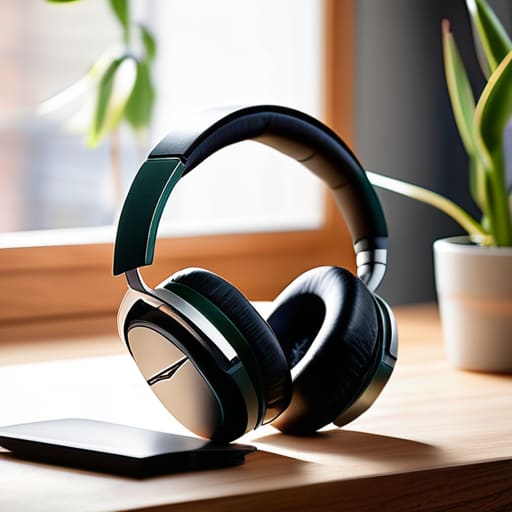
If you’re the type of person who spends eight or nine hours a day tethered to a desk, you need to prioritize ergonomics over everything else. I’ve tested dozens of headsets, and most of them start to feel like a vice grip on your skull by lunchtime. The Bose Ultra, however, has a mechanical balance that distributes the clamping force remarkably well across the headband.
The Professional’s Choice: Jabra Evolve2 65

Now, if you aren’t looking for a musical experience and just need to hear your boss clearly, stop looking at consumer headphones and look at a dedicated headset like the Jabra. These aren’t built for audiophiles; they are built for utility. The microphone isolation is impressive, ensuring that your voice doesn’t sound like you’re broadcasting from inside a wind tunnel during your Zoom calls.
The Budget-Conscious Reliable: Sennheiser Accentum
Not everyone wants to drop half a paycheck on a pair of headphones just to get through a workday. I get it. I’ve always believed that you don’t need the most expensive tool in the shed to get the job done right. The Sennheiser Accentum offers a much more sensible price point while still maintaining the brand’s reputation for decent acoustic engineering.
The Wired Standard: Audio-Technica ATH-M50x
There is a certain segment of us who still believe that wireless is just another way for things to fail. I can’t say I blame you. If you want to eliminate latency, battery anxiety, and Bluetooth pairing headaches entirely, you go with a wired studio monitor like these Audio-Technicas. They are built like tanks, with a heavy-duty construction that reminds me of the industrial equipment I used to spec out in the plant.
The Bottom Line on Your Next Purchase
Stop chasing every flashy feature on the box; if the build quality feels like a cheap toy, those noise-canceling specs won’t matter when the headband snaps in three months.
Comfort isn’t a luxury, it’s a requirement—if you can’t wear them for a full four-hour stretch without feeling like your ears are in a vice, they aren’t worth the desk space.
Look for physical controls over touch sensors whenever possible; I’ll take a reliable button I can feel with my thumb over a finicky piece of glass any day of the week.
The Real Cost of Cheap Gear
“I’ve spent enough time looking at schematics to know that if a manufacturer skimps on the build quality to save a few cents on plastic, you’re the one paying the price when the headband snaps or the driver starts rattling after three months of use. In an office, you don’t need bells and whistles; you need a piece of equipment that stays comfortable for eight hours and actually shuts the world out when you’re trying to think.”
Roland Delacroix
The Bottom Line
Look, I’ve spent enough time around assembly lines and testing benches to know that a product is only as good as the components inside it. If you’re looking for pure silence to drown out the chatter in a cubicle farm, go for the top-tier noise cancelers I mentioned. If you’re stuck in a call all day and need something that won’t crush your skull by noon, prioritize the ergonomic builds. Whatever you decide, don’t get distracted by the flashy marketing or the “smart” features that nobody actually uses. Just make sure you are investing in build quality and long-term comfort rather than just paying for a brand name printed on a piece of expensive plastic.
At the end of the day, your tools should serve you, not the other way around. You shouldn’t have to fight with a finicky app or a flimsy headband just to get through a Tuesday afternoon. Buy something that feels substantial in your hands and performs the task it was engineered to do. If you buy gear that is built to last, you won’t find yourself back in the electronics aisle every six months wasting more hard-earned money. Invest in something reliable and straightforward, and then get back to the actual work you’re supposed to be doing.
Frequently Asked Questions
Do I really need active noise canceling, or will a decent pair of passive isolation headphones do the job for a noisy cubicle?
Look, if you’re sitting in a quiet corner, passive isolation is fine. A good seal around your ears will block out the hum of the AC or a distant printer. But if your cubicle is right next to the breakroom or a chatty coworker, passive isolation won’t touch those mid-range human voices. In that case, you need Active Noise Canceling. It’s an extra expense, but it’s the difference between actually working and just suffering through the noise.
How much does the battery life actually matter if I'm just using them for a few calls a day?
Look, if you’re only jumping on two or three calls a day, you don’t need a battery that lasts a week. I’ve seen people pay a premium for massive battery specs they’ll never actually use. However, don’t get careless. You want enough headroom so you aren’t scrambling for a charging cable right before a meeting. Aim for something that handles a full workday of intermittent use. Anything more is just paying for extra weight.
Is it worth spending the extra money on a wired connection, or are these new wireless models actually reliable enough for a full workday?
Look, I’ve spent enough time troubleshooting faulty connections to tell you this: if your job depends on being heard, go wired. Bluetooth is convenient, sure, but batteries fail and latency is a real headache during a long shift. If you’re sitting at a desk all day, a reliable wired connection is a tool, not a chore. Save the wireless for your commute; for work, stick to something that doesn’t need a charger.
