Category: Gadgets

  • An Introduction to Smart Ring Technology

    An Introduction to Smart Ring Technology

    I was sitting at my workbench yesterday, cleaning the contacts on a 1970s Marantz receiver, when I saw another advertisement for those new smart rings cluttering up my feed. The marketing makes it sound like these tiny circles are going to revolutionize your biology, but frankly, most of them look like nothing more than overpriced trinkets designed to harvest your data. I’ve spent thirty years in systems engineering, and I know the difference between a precision instrument and a gadget that’s built to fail the moment you drop it on a tile floor.

    I’m not here to sell you on the dream of a digital lifestyle or some vague promise of “wellness optimization.” My goal is to look under the hood and see if these devices actually hold up to a bit of real-world scrutiny. I’ll be stripping away the flashy jargon to tell you which ones offer genuine utility and which ones are just expensive plastic destined for a junk drawer. If you want the truth about build quality and sensor reliability without the marketing fluff, you’ve come to the right place.

    Table of Contents

    Smart Ring vs Smartwatch Which One Actually Serves You

    Smart Ring vs Smartwatch Which One Actually Serves You

    Look, I’ve spent enough time with a multimeter to know that more sensors don’t always mean better data; it just means more points of failure. When you’re weighing a smart ring vs smartwatch, you have to decide what you actually need to measure. A watch is a powerhouse—it’s got a screen, GPS, and enough processing muscle to track a marathon in real-time. But let’s be honest: most people find those bulky things intrusive when they’re trying to sleep or just sitting down for dinner.

    If your goal is passive monitoring, the ring wins by a landslide. Because of the way finger-based biometric tracking works, these devices can sit snugly against your skin without the constant distraction of a vibrating wrist. I’ve found that for things like smart ring sleep stage analysis, the form factor is actually an advantage. You aren’t fighting a strap or a glowing screen at 2 AM. You’re getting the data you need without the “gadget fatigue” that comes with wearing a miniature computer on your arm every single day.

    Why Finger Based Biometric Tracking Is Finally Getting Reliable

    Why Finger Based Biometric Tracking Is Finally Getting Reliable

    Back when I was designing systems for manufacturing plants, we knew that the closer a sensor was to the source, the cleaner the signal. The same logic applies here. Most people think a wrist-based sensor is the gold standard, but the truth is that your wrist is a moving target—bones, tendons, and constant movement can throw a wrench into the data. Finger-based biometric tracking is finally hitting its stride because the capillaries in your fingers provide a much more consistent reading for heart rate variability and blood oxygen levels.

    We are seeing a real shift in wearable ring technology trends toward precision rather than just novelty. Because the ring sits snugly against the digital arteries, the hardware can capture more granular details during rest. This is particularly evident when you look at smart ring sleep stage analysis; the device isn’t being jostled by your arm movements under a pillow, allowing it to map your recovery cycles with much higher fidelity than a bulky watch. It’s about getting the right data without the mechanical noise.

    Five Things to Check Before You Hand Over Your Cash

    • Don’t trust the “all-in-one” claims. Most of these rings are great at tracking sleep and resting heart rate, but if you’re looking for something to track a high-intensity workout or GPS routes, you’re better off sticking to a dedicated watch. Know what you’re actually measuring before you buy.
    • Check the build material, not just the color. I’ve seen too many “premium” devices that use cheap coatings that flake off after three months of contact with soap or sweat. Look for titanium or medical-grade resin if you want something that won’t look like junk by next season.
    • Verify the subscription model. This is where they get you. Some manufacturers sell you the hardware for a decent price, then hit you with a monthly fee just to see your own data. If you have to pay a subscription every month just to read your heart rate, you aren’t the customer—you’re the milk cow.
    • Size matters more than you think. Unlike a watch strap you can adjust, a ring is fixed. If it’s too tight, it’ll irritate your skin; too loose, and the sensors won’t get a clean reading off your finger. Always use the sizing kit they send you before you commit to the final purchase.
    • Look at the battery life in real-world terms. The marketing will tell you “up to seven days,” but that’s usually under perfect conditions. If you’re a heavy user, expect that to drop. I want a device I can set and forget, not something I have to babysit on a charger every forty-eight hours.

    The Bottom Line: What You Need to Know Before Buying

    Don’t buy a smart ring just because it’s the latest trend; choose it only if you want continuous data without the constant distraction of a wrist-based screen.

    Prioritize sensor accuracy and build materials over flashy app features—if the ring isn’t made of durable titanium or ceramic, it won’t survive your daily life.

    Check the subscription model before you pull out your wallet; a piece of hardware is useless if you have to pay a monthly fee just to see the data it collected.

    The Reality of Wearable Tech

    “I’ve spent my career looking at tolerances and build quality, and quite frankly, most people don’t need a computer strapped to their wrist to tell them they’re tired. A smart ring only makes sense if it stays out of your way and actually delivers data you can trust, rather than just another gadget that needs charging every twelve hours.”

    Roland Delacroix

    The Bottom Line

    Smart ring sensor accuracy: The Bottom Line.

    At the end of the day, choosing a smart ring comes down to whether you actually want the data or if you just like the idea of having it. We’ve looked at how these devices differ from the bulky smartwatches most people are used to, and we’ve seen that the sensor technology on the finger is finally reaching a point of mechanical reliability. If you want continuous tracking without the constant distraction of a glowing screen on your wrist, a well-built ring is a solid engineering solution. Just make sure you aren’t paying a premium for a brand name when you should be looking at the build quality and sensor accuracy instead.

    Don’t let the marketing departments convince you that you need every new gadget that hits the shelf. Technology should serve you, not the other way around. If a smart ring fits into your daily routine without feeling like a chore to charge or a nuisance to wear, then it’s a tool worth owning. My advice? Buy something that feels substantial, check the specs twice, and only invest your hard-earned money in gear that is built to last. A good tool shouldn’t just be smart; it should be dependable.

    Frequently Asked Questions

    How am I supposed to get an accurate size if I can't try the ring on in a store first?

    That’s the million-dollar question, isn’t it? It’s a design flaw in the modern shopping experience. In my day, you walked into a shop, picked up a tool, and felt the fit. Now, you’re expected to trust a piece of paper. Most reputable companies will send you a plastic sizing kit first—use it. Don’t just guess based on your old wedding band. Wear that kit for a full day to account for swelling. If they don’t offer a kit, walk away.

    Won't these things just break or scratch the moment I start working in the garage or doing yard work?

    That’s the right question to ask. If you’re spending your Saturday wrenching on an engine or clearing brush, you can’t be wearing a piece of jewelry that’s going to pit or crack under pressure. Look for a ring with a titanium or reinforced ceramic casing. Avoid the cheap alloys; they’ll scratch the moment they hit a metal tool. If the manufacturer won’t tell you the specific hardness rating, leave it on the workbench.

    Do I really need to pay a monthly subscription fee just to see the data my own body is producing?

    It’s a racket, plain and simple. I spent my career building systems where you owned the hardware and the data it produced. Now, these companies want to sell you the ring and then hold your own heart rate hostage behind a paywall. If a manufacturer requires a monthly subscription just to let you view your sleep trends, they aren’t selling you a tool; they’re selling you a leash. Avoid them.

  • How to Pick an Action Camera for Travel

    How to Pick an Action Camera for Travel

    I was out on the lake last weekend when my nephew’s brand-new, high-end gadget took a single, unceremonious dive into the silt, and by the time we fished it out, the casing was already hairline-fractured. It’s the same story I see every time I look at the current market for action cameras: companies are selling you a dream wrapped in flimsy, overpriced plastic and calling it “rugged.” They want you to believe that if you spend five hundred dollars, you’re buying durability, but most of these devices are built with the structural integrity of a child’s toy.

    I’m not here to read you a spec sheet or parrot the marketing fluff you’ll find on a glossy box. My goal is to strip away the hype and tell you which models are actually built to withstand a real beating and which ones are just expensive paperweights waiting to fail you. I’ve spent my career looking at how things are put together, and I’m going to apply that same scrutiny here. I’ll show you exactly what to look for so you can invest in gear that actually works when you need it most.

    Table of Contents

    Real Rugged Camera Housing vs Marketing Fluff

    Real Rugged Camera Housing vs Marketing Fluff

    Most manufacturers will try to sell you on a “waterproof” rating that’s really just a suggestion. They slap a sticker on a piece of flimsy, injection-molded plastic and call it a day. But if you’ve ever worked with heavy machinery, you know that true durability isn’t about a marketing claim; it’s about the integrity of the seals and the thickness of the casing. A real rugged camera housing shouldn’t feel like a toy. It needs to have tactile, mechanical buttons that you can actually operate when your hands are cold or wet, not some capacitive touch panel that fails the moment a single drop of saltwater hits it.

    When I’m looking at gear for extreme sports videography, I look for structural rigidity. I want to see metal reinforcement around the mounting points and glass that won’t scratch if it gets tossed in a gear bag. If the device relies on a cheap, thin lens cover, your wide angle lens performance is going to suffer the moment you get even a hint of grit or sand on the surface. Don’t let them talk you into buying a gadget that’s designed to be replaced in six months. Buy something that’s built to last.

    Wide Angle Lens Performance You Can Trust

    Wide Angle Lens Performance You Can Trust

    Most manufacturers will try to sell you on a massive field of view, but they often forget to mention the distortion that comes with it. I’ve seen plenty of these little devices produce footage that looks like you’re staring through a fishbowl. When you’re looking for reliable wide angle lens performance, you want a lens that captures the scale of the landscape without turning every straight line into a curve. If the glass is cheap, you’ll see chromatic aberration—those annoying purple fringes around the edges—the moment the sun hits the frame. A well-engineered lens should provide clarity from edge to edge, not just in the center.

    Furthermore, don’t get blinded by a high megapixel count if the sensor can’t handle the light. For serious extreme sports videography, you need a lens assembly that remains sharp even when you’re moving at high speeds. I always check the lens coating; if it doesn’t repel water and fingerprints effectively, you’re going to spend half your trip cleaning smudges off the glass instead of actually enjoying the outdoors. Don’t settle for soft edges just because the box says it’s “ultra-wide.”

    Five Things to Check Before You Hand Over Your Hard-Earned Cash

    • Don’t get blinded by the resolution numbers. A camera claiming 8K is useless if the sensor is so small that everything looks like a grainy mess the second the sun goes down. I’d much rather have a solid 4K image with decent bitrates than a high-resolution file that falls apart in real-world lighting.
    • Check the battery situation—and I mean the actual physical battery, not just the “estimated runtime” on the box. If the camera doesn’t allow for quick-swapping or if the battery compartment feels flimsy, you’re going to be stuck staring at a dead device right when things get interesting.
    • Look at the mounting points. If the camera only relies on those cheap, proprietary plastic clips, run the other way. You want something with a standard, sturdy screw-in thread or a mounting system that feels like it was engineered, not just molded in a rush.
    • Test the interface before you buy. If you have to navigate through five sub-menus just to change the frame rate, the designers failed. A good tool should be intuitive; you should be able to make adjustments with gloves on or while you’re actually moving.
    • Verify the water resistance yourself. “Waterproof” is a dangerous word in marketing. I want to see an actual IP rating and a build that feels sealed tight. If the rubber gaskets look thin or uneven, that camera isn’t going near a lake, no matter what the glossy brochure says.

    Roland’s Bottom Line on Action Cameras

    Stop looking at the spec sheet for “megapixels” and start looking at the chassis; if the housing feels like a toy in your hand, it’s going to crack the first time you drop it on a trail.

    Don’t get blinded by wide-angle marketing; if the lens distorts the image so much that you can’t tell what’s happening in the frame, the camera is useless regardless of how much it cost.

    Prioritize mechanical reliability over software bells and whistles—a camera that requires a dozen menu swipes just to change a setting is a camera that will fail you when you’re actually out in the field.

    The Truth About Durability

    I’ve spent enough time looking at blueprints to know the difference between a reinforced chassis and a thin layer of textured plastic meant to trick you into thinking it’s tough; if you can’t feel the weight of the build, you’re just paying for a fancy paperweight that’ll crack the first time it hits the dirt.

    Roland Delacroix

    The Bottom Line

    The Bottom Line: Prioritize hardware durability.

    At the end of the day, don’t let a shiny marketing campaign blind you to the actual build quality of these devices. We’ve looked at why a flimsy, unsealed plastic shell is a recipe for disaster and why a distorted, cheap wide-angle lens will only leave you with footage that looks like it was shot through a fishbowl. If you’re going to invest your hard-earned money, make sure you are paying for mechanical integrity and optical clarity, not just a brand name and a fancy app. Look for the seals, check the lens coatings, and ask yourself if the hardware can actually handle the environment you’re throwing it into. Buy for durability, not for hype.

    I’ve spent enough years in manufacturing to know that when things are built poorly, they fail exactly when you need them most. An action camera isn’t just a gadget; it’s a tool meant to capture a moment that might never happen again. Don’t let a piece of junk fail you right when the light hits the water or the trail gets steep. Choose a camera that respects your budget by actually performing its primary function without requiring constant maintenance or a replacement every six months. Get out there, use the gear you’ve chosen, and focus on the experience rather than troubleshooting a piece of overpriced plastic.

    Frequently Asked Questions

    How do I know if the battery is actually going to last through a full day of use, or if it's just another piece of junk that dies after twenty minutes?

    Don’t trust the “up to 90 minutes” claim on the box; that’s marketing math, not real-world physics. To find the truth, look for the mAh rating in the fine print and check if the camera supports external power via USB-C. If you’re out in the field, you need a model that can run off a power bank while recording. If the manufacturer won’t tell you the capacity, they’re hiding a weak cell.

    Is the waterproof rating actually legitimate, or am I going to be staring at a fogged-up lens the second I hit the water?

    Here’s the truth: a waterproof rating is just a number on a spec sheet until you test the seals. Most of these cheap units use thin rubber gaskets that perish the moment they hit salt water. If the manufacturer doesn’t explicitly mention double-sealed ports or high-grade silicone O-rings, assume it’s marketing fluff. I’ve seen too many “submersible” cameras end up with fogged lenses because the thermal expansion wasn’t accounted for. Check the seals before you dive.

    Do I really need to buy all those extra mounting accessories, or can I get by with the basic kit that comes in the box?

    Look, the “starter kit” in the box is usually just enough to get you through the first ten minutes of frustration. Most of those included mounts are flimsy plastic that’ll snap the moment you hit a bump. If you’re serious about not losing a thousand-dollar camera in a creek, invest in a solid, metal-reinforced suction cup or a heavy-duty chest mount. Don’t skimp on the hardware that actually holds the device.

  • Choosing Between External Hard Drives and Ssd Storage

    Choosing Between External Hard Drives and Ssd Storage

    I was sitting at my workbench last Tuesday, surrounded by the warm hum of a vintage Marantz receiver, when I realized just how much the industry has changed for the worse. I watched a neighbor struggle with a brand-new, sleek-looking gadget that promised the world, only to have it fail because the internal components were nothing more than cheap, lightweight junk. It’s the same story every time you go shopping for external hard drives these days; companies wrap mediocre hardware in shiny, polished shells and charge you a premium for the privilege. They want you to believe that more gigabytes and prettier lights matter, but as an engineer, I know that build quality is everything.

    I’m not here to sell you on the latest marketing gimmick or some overpriced cloud subscription that’ll lock your data behind a paywall. My goal is simple: I want to help you identify which drives are built with actual integrity and which ones are just expensive plastic bricks waiting to fail. I’ve spent my life studying how machines work—and how they break—so I’m going to give you the straight truth on what’s worth your hard-earned money.

    Table of Contents

    The Real Cost of Terabyte Capacity Comparison

    The Real Cost of Terabyte Capacity Comparison.

    When you’re looking at a spec sheet, it’s easy to get tunnel vision on that big, shiny number at the top. Marketing departments love to scream about how many terabytes you’re getting for fifty bucks, but they aren’t telling you the full story. A terabyte capacity comparison is useless if you don’t account for the actual utility of the drive. I’ve seen plenty of people buy a massive 8TB unit thinking they’re being savvy, only to realize the read and write speeds are so sluggish that moving a single high-resolution video file feels like watching paint dry.

    You also have to consider what you’re actually paying for. Is that extra space coming at the expense of build quality? I’d rather have a reliable 2TB drive encased in real metal than a 5TB “bargain” that’s nothing more than a thin, hollow shell. If you’re choosing between massive capacity and something that can actually survive being bumped on a desk, choose the durability every single time. High capacity is a vanity metric if the hardware isn’t robust enough to keep your data safe when things go wrong.

    Why Read and Write Speeds Actually Matter

    Why Read and Write Speeds Actually Matter

    Most people walk into a store, look at the number of terabytes on the box, and call it a day. That’s a mistake. It’s like buying a truck based solely on the size of the bed without checking if the engine has enough torque to actually pull a load. If you’re just archiving old family photos that you rarely look at, maybe you don’t need the fastest tech on the market. But if you’re working with high-resolution video or large backups, slow read and write speeds will turn a simple task into a test of your patience.

    I’ve seen too many folks get frustrated because their files take twenty minutes to move when they should have taken twenty seconds. This is where you need to look closely at the interface. If you want to avoid bottlenecks, you need to prioritize USB-C connectivity benefits, which allow for much higher data transfer rates than those old, flimsy USB-A connections. Don’t let a manufacturer hide a slow internal component behind a fancy-looking shell; if the speed isn’t there, the drive is nothing more than a very expensive paperweight.

    Five Things They Won't Tell You on the Retail Box

    • Stop obsessing over the capacity and start looking at the connection. If you’re buying a high-speed drive but plugging it into an old USB 2.0 port, you’re essentially trying to push a fire hose through a drinking straw. Make sure the drive and your computer actually speak the same language—look for USB 3.2 or Thunderbolt if you want real performance.
    • Watch out for those “slim” drives that feel like they’re made of nothing but thin-gauge aluminum and hope. As an engineer, I can tell you that vibration is the enemy of a spinning platter. If a drive feels flimsy in your hand, it’s going to rattle and fail the moment it hits a desk too hard. Look for something with actual heft and solid housing.
    • Don’t treat your external drive like a permanent closet. These things are meant for transport or backup, not for running your entire life off of 24/7. If you need something to stay plugged in all day, every day, you shouldn’t be looking at a portable drive; you should be looking at a dedicated desktop drive with its own power supply.
    • Redundancy isn’t a suggestion; it’s a requirement. I don’t care how many “cloud backup” promises a company makes you—if your data only exists in one physical location, you don’t actually own that data. Keep your files on the drive, and keep a second copy somewhere else. It’s basic systems engineering.
    • Check the warranty, but don’t expect it to save you from stupidity. A five-year warranty is great, but read the fine print. Most of them won’t cover you if you drop the drive on your kitchen tile. Buy a ruggedized model if you’re prone to being clumsy; it’s much cheaper than trying to recover corrupted data from a shattered circuit board.

    Roland’s Bottom Line: What to Look For

    Don’t get blinded by the number of terabytes on the box; I’ve seen plenty of high-capacity drives that use cheap, unreliable components that’ll fail you when you’re in a pinch.

    Prioritize sustained read/write speeds over those “peak” numbers they put on the packaging, because a drive that’s fast for five seconds but chokes during a real transfer is a waste of your hard-earned money.

    Look for build quality and physical durability—if the casing feels like a flimsy toy, the internal hardware probably isn’t much better, and you’ll end up replacing it sooner than you should.

    ## The Reliability Metric

    “I’ve seen enough ‘cutting-edge’ gadgets end up in the scrap heap to know that a drive’s most important spec isn’t the number on the box, but whether or not it’s still spinning five years from now when you actually need your data.”

    Roland Delacroix

    The Bottom Line

    Reliable drive build quality: The Bottom Line.

    Look, I’ve spent enough time looking at blueprints to know that if the foundation is weak, the whole structure is going to fail. When it comes to your data, that foundation is the drive itself. Don’t get blinded by a massive terabyte count if the manufacturer is cutting corners on the internal components, and for heaven’s sake, don’t ignore those read/write speeds just to save a few bucks at the checkout counter. You need to balance capacity, speed, and, most importantly, build quality. If you’re buying a drive that feels like a cheap toy in your hand, it’s probably going to act like one when you’re trying to back up important family photos or critical work files. Buy for reliability, not for marketing hype.

    At the end of the day, an external hard drive isn’t a luxury; it’s a digital insurance policy. You aren’t just buying a piece of hardware; you are buying the peace of mind that comes with knowing your information is actually safe. I’ve seen too many people lose years of memories because they thought they could save a little money by picking the flashiest, most fragile option on the shelf. Take my advice: do your homework, check the specs, and invest in something that feels like it was built to last. It’s much cheaper to spend a little more now than to try and recover lost data from a dead piece of plastic later.

    Frequently Asked Questions

    Should I be buying an SSD or a traditional HDD if I want my data to actually last ten years?

    If you’re looking for a ten-year horizon, don’t get blinded by the speed of an SSD. While SSDs are faster, they’re finicky; if they sit unpowered on a shelf for too long, they can actually lose data. For long-term, “cold” storage where you just want to tuck files away and forget them, a high-quality HDD is still the better bet. Just keep it in a climate-controlled spot and don’t drop it.

    Is that fancy "ruggedized" casing worth the extra fifty bucks, or is it just marketing fluff?

    Look, I’ve seen enough “military-grade” gear fail in a dusty workshop to know better than to trust a sticker. If you’re a photographer trekking through a rainforest, pay the extra fifty bucks for the rubberized housing and the IP rating. But if this drive is just sitting on your desk next to your monitor, it’s pure marketing fluff. Don’t pay a premium for armor you’re never going to use.

    How do I know if the cable they included is actually going to give me the speeds they promised on the box?

    Look, don’t just assume the cable in the box is up to snuff. I’ve seen plenty of manufacturers cut corners here to save a few cents. Check the packaging for the specific standard—USB 3.2 Gen 2, Thunderbolt 4, you name it. If the cable doesn’t explicitly list those specs, it’s likely a bottleneck. If you’re buying a high-speed drive, I always recommend grabbing a certified, shielded cable from a brand that actually lists its data transfer ratings.

  • What to Consider When Buying a Gaming Mouse

    What to Consider When Buying a Gaming Mouse

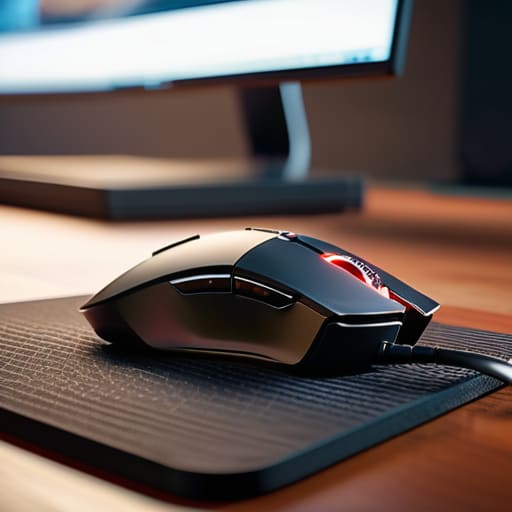
    I was sitting at my workbench yesterday, cleaning the contacts on a vintage Marantz receiver, when I looked over at my grandson’s desk and saw him struggling with a piece of hardware that looked more like a neon-lit spaceship than a tool. It’s the same story every time I walk into a tech shop lately: companies are trying to sell you “revolutionary” gaming mice that cost more than my first car, all while being wrapped in nothing but flimsy, lightweight plastic. They talk about polling rates and sensor DPI like it’s some kind of magic, but they conveniently forget to mention if the actual scroll wheel is going to snap off after three weeks of heavy use.

    I’m not here to recite a spec sheet or parrot the marketing nonsense you see on YouTube. My goal is to cut through the hype and tell you which of these devices actually possess the mechanical integrity required for long-term use. I’ve spent my life analyzing how things are built, and I’m going to apply that same scrutiny to these peripherals. I’ll show you which models offer real precision and which ones are just overpriced toys designed to drain your wallet.

    Table of Contents

    Optical vs Laser Sensors Cutting Through the Marketing Hype

    Optical vs Laser Sensors Cutting Through the Marketing Hype

    Now, let’s get down to the brass tacks of what’s actually happening under the plastic shell. When you’re browsing the aisles, you’ll see manufacturers throwing around “laser” like it’s some kind of premium gold standard. Don’t fall for it. In my experience, most of that high-end marketing is just fluff. While laser sensors can track on almost any surface—even a piece of glass—they are notoriously prone to “jitter.” That’s when the cursor skips or behaves erratically because the sensor is too sensitive to the microscopic imperfections of the surface.

    If you want precision that actually respects your input, you need to stick with optical vs laser sensors where the optical sensor wins every single time. Optical sensors use a tiny camera and an LED to track movement, providing a much more consistent and predictable signal. It’s about reliability over versatility. You don’t need a sensor that works on a marble countertop; you need one that tracks your hand movements with surgical accuracy on a decent cloth pad. Don’t let them sell you a glorified light bulb when you’re looking for a precision instrument.

    Mechanical vs Optical Switches Which One Wont Fail You

    Mechanical vs Optical Switches Which One Wont Fail You

    Now, let’s talk about what’s actually happening under the hood when you click. Most manufacturers will try to sell you on the “feel” of a switch, but as an engineer, I care about the failure rate. Traditional mechanical switches rely on metal-on-metal contact to complete a circuit. It’s a tried-and-true method, but it has a fundamental flaw: oxidation and debris. Over time, those tiny metal leaves can get dirty or lose their spring, leading to that dreaded “double-clicking” issue that ruins a perfectly good piece of hardware.

    This is where the debate of mechanical vs optical switches becomes vital for your wallet. Optical switches use a light beam to register a click. There is no physical contact required to trigger the signal, which means there’s significantly less wear and tear on the components. From a reliability standpoint, optical is the clear winner because it eliminates the mechanical degradation that plagues cheaper models. If you want a tool that functions the same way on day 1,000 as it did on day 1, invest in optical. Don’t let them sell you on “tactile feedback” if it comes at the cost of longevity.

    Five Things to Check Before You Pull the Trigger

    • Stop obsessing over DPI numbers. Most of these manufacturers slap a “25,000 DPI” sticker on the box to fool people, but you aren’t moving your hand that fast. Look for sensor accuracy and consistency instead; a sensor that tracks smoothly at a lower setting is worth ten times more than a high-number gimmick.
    • Grip your mouse before you buy it. I’ve seen too many folks buy a mouse based on a spec sheet only to realize it feels like a pebble in their hand. Whether you use a palm, claw, or fingertip grip, the ergonomics have to be right, or you’ll be dealing with hand cramps within a week.
    • Demand a braided cable. I’m tired of seeing these flimsy, thin rubber cords that tangle the second you move. A decent braided cable offers better durability and less “cable drag,” meaning the mouse actually moves when you want it to, rather than fighting against the wire.
    • Check the weight, but don’t go overboard. There’s a trend right now toward “ultralight” mice that feel like hollowed-out shells. While speed is fine, if the mouse feels like a cheap toy, the internal components probably are, too. You want something that feels substantial without being a brick.
    • Look for modularity and replaceable parts. If a company makes it impossible to replace a worn-out mouse feet (skates) or a clicking switch, they’re planning for you to throw the whole thing in a landfill in a year. Buy a tool that’s built to be maintained, not discarded.

    The Bottom Line: What to Look for Before You Buy

    Ignore the RGB lights and flashy marketing; focus your budget on the sensor type and switch durability, as those are the components that actually determine the mouse’s lifespan.

    If you want a device that won’t leave you frustrated with double-clicking issues six months down the road, prioritize mechanical switches with a proven track record over unproven “cutting-edge” gimmicks.

    Don’t get blinded by high DPI numbers that you’ll never actually use; a reliable, stable sensor is far more valuable than a high-spec number printed on a box to justify a higher price tag.

    The Real Cost of a Click

    Most of these manufacturers spend more on RGB lighting and flashy software than they do on the actual tension of the springs or the durability of the housing; if you can’t feel the build quality in your palm, you’re just paying for a glorified paperweight.

    Roland Delacroix

    Don't Get Sold a Lemon

    Don't Get Sold a Lemon gaming mouse.

    At the end of the day, choosing a gaming mouse shouldn’t feel like navigating a minefield of technical jargon designed to empty your wallet. We’ve looked at how optical sensors provide the precision you actually need without the jitter, and why choosing the right switch is the difference between a tool that lasts years and one that ends up in a landfill after six months. My advice remains the same: stop chasing every flashy RGB light or “pro-grade” label you see on a box. Focus on the build quality and the underlying mechanics. If the weight feels off or the materials feel like cheap, hollow plastic, walk away. You want a piece of hardware that feels like an extension of your hand, not a fragile toy.

    I know it’s easy to get swept up in the hype of the latest “revolutionary” release, but remember that reliability is the ultimate spec. A mouse is a tool, and like any good tool, it should serve you faithfully every time you sit down at your desk. Don’t let the marketing departments dictate your purchase; use your own hands and your own common sense to decide what earns a spot on your desk. Invest in something that is built to endure, and you won’t find yourself back here in three months looking for a replacement. Buy it once, buy it right, and get back to the task at hand.

    Frequently Asked Questions

    Is a high DPI setting actually worth the extra money, or is it just more marketing fluff?

    Look, I’ve seen this trick before in manufacturing: they take one tiny spec and crank it up to justify a higher price tag. Most of these mice claim 25,000 DPI, but let’s be honest—you aren’t using that. Unless you’re playing on a screen the size of a billboard, high DPI is just marketing fluff. Focus on sensor accuracy and weight instead. Don’t pay a premium for numbers you’ll never actually touch.

    How do I tell if a mouse cable is going to fray and fail in six months?

    Look at the jacket, not the marketing. If the cable feels thin and flimsy—like a cheap phone charger—it’s going to fray. I always check the strain relief where the wire meets the mouse body; if it’s a hard, sharp plastic angle, that’s a failure point waiting to happen. You want a braided cable with a bit of weight to it. If it feels like it’ll snap under a slight bend, leave it on the shelf.

    Are those heavy, adjustable weights actually useful, or am I just adding unnecessary complexity?

    Look, I’ve seen enough over-engineered machines to know that more parts usually just means more points of failure. Those little metal weights are a gimmick for most. Unless you’re a professional player with a very specific, ingrained muscle memory that requires a heavy mouse, you’re just adding unnecessary complexity and clutter. If you want a good mouse, pick one that feels balanced out of the box. Don’t pay extra for a box of lead scraps.

  • Deciding Between a Tablet and a Laptop

    Deciding Between a Tablet and a Laptop

    I was sitting at my workbench last Tuesday, trying to cross-reference some old schematics for a 1970s Marantz receiver, when I realized I was fighting my own gear. I had a brand-new tablet in one hand and a standard laptop in the other, and frankly, I couldn’t decide which one was actually going to help me finish the job. It’s the same headache I see everyone running into lately: the endless debate of tablet vs laptop. Most folks walk into a store thinking they want the sleek, lightweight convenience of a tablet, only to realize three weeks later that they can’t actually get any real work done without a proper keyboard and a file system that makes sense.

    Look, I’m not here to recite a list of colorful marketing buzzwords or tell you which device has the prettiest screen. I spent thirty years in systems engineering; I care about build quality and utility. In this guide, I’m going to strip away the hype and tell you exactly which machine is a reliable tool and which one is just expensive plastic destined for a junk drawer. I’ll help you decide where to put your hard-earned money so you don’t end up frustrated by a device that fails the moment things get serious.

    Table of Contents

    The Tablet

    A person using The Tablet device.

    A tablet is essentially a handheld computer centered around a high-resolution touchscreen interface, designed primarily for portable media consumption and light interaction. Instead of relying on a physical keyboard, these devices use capacitive touch sensors to let you navigate through apps, browse the web, or watch videos with just a swipe of your finger. The main selling point is the sheer simplicity and the lack of weight, making them the ultimate device for when you want to sit in a chair and just consume content without any fuss.

    In my experience, the problem is that people often mistake convenience for capability. I’ve seen plenty of folks buy a high-end tablet thinking it’ll replace their workstation, only to realize that trying to type a serious email or manage a spreadsheet on a piece of glass is a recipe for frustration. It’s a fine tool for reading the news or showing photos to the grandkids, but if you’re looking for something that can actually handle a heavy workload, you might find yourself reaching for something more substantial.

    The Laptop

    A portable computer, The Laptop.

    A laptop is a fully integrated portable computer that combines a screen, a physical keyboard, and a precision pointing device into a single, folding chassis. Unlike its lighter counterparts, a laptop is built around the necessity of active input, providing the processing power and the tactile feedback required for real productivity. The core objective of this machine is to give you a complete computing environment that you can fold up and toss into a bag, whether you’re at a desk or on a train.

    When I look at a laptop, I look at the build quality and the way the components work together to get a job done. There is a certain reliability in a physical keyboard that a touchscreen simply cannot replicate; you know exactly where your fingers are, and you don’t have to squint at a tiny icon to make a change. If you actually have work to do—real work, not just scrolling through social media—you need a machine that responds to your commands without making you feel like you’re playing a game.

    Comparison of Tablet vs Laptop

    Feature Tablet Laptop
    Form Factor Touchscreen/Handheld Clamshell/Keyboard-based
    Portability Extremely High Moderate
    Primary Input Touch & Stylus Keyboard & Trackpad
    Performance Mobile-optimized Desktop-class
    Software App-centric (OS) Full Desktop Applications
    Battery Life Generally Long Variable
    Best For Media & Light Tasks Productivity & Heavy Workloads

    Hardware Performance Comparison Real Power vs Pretty Displays

    Hardware Performance Comparison Real Power vs Pretty Displays

    Look, don’t let a high-resolution screen fool you. Manufacturers love to throw a bright, colorful display in your face to distract you from the fact that there’s nothing substantial driving the hardware underneath. If you’re buying a device based solely on how pretty the icons look, you’re going to be frustrated the moment you actually try to run a heavy program.

    Laptops are built for the long haul; they have the thermal headroom and the dedicated processors to handle multitasking without breaking a sweat. When I’m running diagnostic software or heavy spreadsheets, I need a machine that won’t throttle its speed the second it gets warm. Tablets, on the other hand, are often little more than glorified media players. They use mobile chips designed for efficiency and scrolling, not for sustained, heavy-duty workloads. You might get a snappy feeling for ten minutes, but once you push the limits, that “pretty” device will start to lag.

    If you need raw, reliable horsepower to get actual work done, the laptop wins every single time. Don’t trade utility for a shiny screen.

    Portability vs Power Finding What Actually Works

    Here is the problem with how these things are marketed today: they want you to believe you can have it all, but physics doesn’t care about your marketing budget. When you’re deciding between a tablet and a laptop, you’re essentially making a trade-off between convenience and capability. If you pick something too light, you’ll likely find yourself frustrated when it can’t handle a heavy workload; if you go too heavy, you’ll end up leaving it on your desk because it’s a chore to carry.

    A tablet is undeniably easy to toss in a bag, and for reading or checking emails on a plane, it’s hard to beat. But let’s be honest—the moment you try to multitask or manage a complex file system, that “convenience” turns into a massive headache. A laptop, on the other hand, might weigh a few extra pounds, but it provides a stable platform that actually stays out of your way. You get a real keyboard, a decent cooling system, and the ability to actually finish a task without fighting the interface.

    If you’re just consuming media, the tablet wins. But if you actually intend to get work done, the laptop is the only reliable choice.

    The Bottom Line: Stop Overthinking and Start Choosing

    If your daily tasks involve more than just scrolling through news feeds or checking email, buy a laptop; don’t let a sleek tablet screen trick you into thinking you’re actually being productive.

    Match the tool to the job, not the marketing hype—a tablet is a luxury for media consumption, but a laptop is a reliable workhorse for anyone who needs to get things done without fighting the interface.

    Prioritize build quality and input reliability over “thinness”—I’ve seen enough flimsy, overpriced plastic in my time to know that if you can’t type comfortably or plug in a standard peripheral, the device is more of a headache than a help.

    The Bottom Line on Utility

    “Stop looking at the glossy advertisements and start looking at the interface. If you’re just consuming content, a tablet is fine; but the moment you need to actually build, organize, or create something substantial, that tablet becomes nothing more than an expensive, glorified paperweight compared to a real laptop.”

    Roland Delacroix

    The Bottom Line: Stop Guessing and Start Choosing

    Look, I’ve seen enough “revolutionary” gadgets come and go to know that there is no such thing as a perfect device—only the right tool for the job you’re actually doing. If you need to crunch heavy spreadsheets, run specialized software, or just want a machine that won’t fail you when you’re halfway through a project, buy a sturdy laptop. Don’t let a sleek marketing campaign convince you otherwise. On the flip side, if your life revolves around consuming media, reading, or light browsing while sitting on the porch, a tablet is a fine choice, provided you aren’t expecting it to replace a real computer. Just remember that once you start pushing a tablet too hard, you’ll find it’s nothing more than expensive plastic that can’t keep up.

    At the end of the day, don’t let the tech industry make you feel like you’re behind the curve just because you want something that works reliably. Whether you reach for a keyboard or a touchscreen, make sure your decision is based on your actual daily needs rather than what looks good in a showroom window. Invest your hard-earned money in build quality and utility rather than flashy gimmicks. A tool is only worth what it can actually do for you when you need it most. Buy something that lasts, and you won’t find yourself back in the electronics aisle every twelve months.

    Frequently Asked Questions

    If I'm mostly just browsing the web and checking emails, is there any real point in spending the extra money on a laptop?

    Look, if your world consists of nothing but reading news and clearing out an inbox, a laptop is likely just a way to burn money. For those basic tasks, a tablet with a decent keyboard attachment is more than enough. Don’t let the sales pitch convince you that you need a high-performance processor just to check your email. Save your cash, buy a reliable tablet, and stop paying for power you’ll never actually use.

    I've seen those high-end tablets that claim to replace computers, but how do they actually handle multitasking without freezing up?

    Look, those marketing brochures love to talk about “computer replacement,” but let’s get real. When you start juggling a spreadsheet, a dozen browser tabs, and a video call, those tablets start sweating. Most of them rely on mobile-first processors that just aren’t built for heavy lifting. They’ll swap apps or freeze the moment the RAM gets crowded. If you need to do more than one thing at once, stick to a laptop with actual thermal management.

    Which one of these is going to actually last me five years without the battery dying or the hardware becoming obsolete?

    If you’re looking for a five-year stretch, buy the laptop. Period. Tablets are designed for the “now”—they’re thin, they’re sleek, and their batteries start degrading the moment you unbox them. Once the software updates get heavier, that tablet will feel like a paperweight. A decent laptop with a solid processor and replaceable components has the staying power you need. Don’t let a pretty screen trick you into buying something disposable.

  • How to Select a Reliable Portable Power Bank

    How to Select a Reliable Portable Power Bank

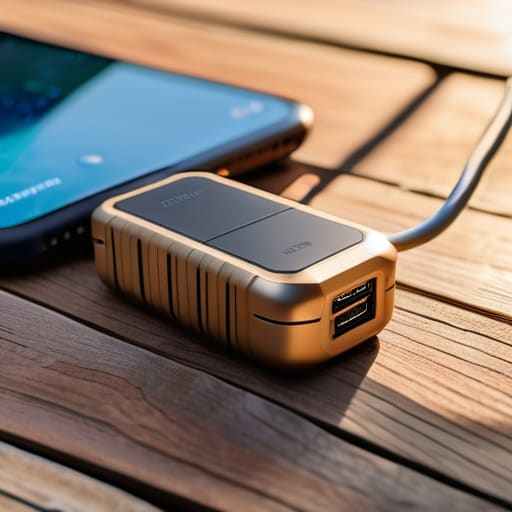
    I was out in the garage last weekend, working on a vintage Marantz receiver, when my phone gave that dreaded low-battery chirp. I reached for the “high-capacity” brick I’d bought online last month, only to find the casing felt like a cheap toy and the charge had evaporated into thin air. It’s the same story every time I look at the market for portable power banks these days; manufacturers are slapping “ultra-fast” labels on what is essentially overpriced junk held together by hope and thin plastic. They promise you the world in a glossy advertisement, but they don’t tell you that the internal cells will degrade before you even finish your first road trip.

    I’m not here to sell you on the latest marketing gimmick or some gadget that requires a software update just to juice up your flashlight. My goal is simple: I want to help you find hardware that actually does its job when you’re miles from an outlet. I’ve spent the last few weeks putting these units through the ringer, checking the actual discharge rates and the build integrity of the ports. I’ll tell you exactly which models are worth your hard-earned money and which ones are just expensive paperweights waiting to fail you.

    Table of Contents

    Why Mah Capacity Explained Matters for Your Wallet

    Why Mah Capacity Explained Matters for Your Wallet

    Look, I see it all the time in the aisles: a shiny new unit with a massive number printed on the box, and people grab it thinking they’ve found a bargain. But here’s the thing they don’t tell you in the flashy advertisements—mAh capacity explained is about more than just a big number. It’s about the actual usable energy. Most of these manufacturers use the total capacity of the internal cells, but once you factor in the voltage conversion required to actually charge your phone, you’re going to lose a chunk of that power to heat and efficiency loss. If you don’t account for that, you’re essentially paying for electricity that just vanishes into thin air.

    Don’t let a high rating fool you into thinking you’re getting a heavy-duty emergency backup battery. If the internal components are cheap, that capacity won’t matter because the unit will struggle to maintain a steady flow. You want to look for something that respects the physics of the task. I’ve seen enough poorly designed circuits to know that a lower-rated, well-built unit often outperforms a high-capacity piece of junk that can’t handle a real load.

    The Best Power Banks for Smartphones That Actually Last

    The Best Power Banks for Smartphones That Actually Last

    If you’re looking for the best power banks for smartphones, stop looking at the flashy LED displays and start looking at the internal components. Most of the cheap junk you see in big-box stores uses bottom-tier cells that lose their ability to hold a charge after just a few dozen cycles. I’ve seen it time and again: a device that works perfectly in the store but becomes a paperweight six months later. You want something built with high-quality lithium ion battery safety standards in mind, ensuring the unit doesn’t overheat while you’re trying to get a quick charge in your pocket.

    For everyday use, I recommend looking for models that support Power Delivery technology. If you aren’t using PD, you’re essentially trying to fill a swimming pool with a straw; it’s slow, inefficient, and puts unnecessary strain on the hardware. A solid unit should be able to top off your phone quickly without turning it into a heating element. Don’t settle for a device that just “works”—get something with a rugged casing and reliable circuitry that acts as a true emergency backup battery when you actually need it most.

    Five Things to Check Before You Open Your Wallet

    • Stop looking at the mAh number in a vacuum. A massive capacity rating doesn’t mean a thing if the internal cells are cheap junk that can’t handle a high discharge rate. You want to see a brand that actually lists their cell type, not just a big number plastered on a shiny box.
    • Check the ports, and I mean really check them. If a power bank only has one output, it’s a paperweight the moment you need to charge a phone and a tablet at the same time. Look for solid, reinforced USB-C ports; if they feel loose or wobbly when you plug a cable in, walk away.
    • Don’t get blinded by “Fast Charging” labels. Every manufacturer claims they have it, but you need to verify the actual wattage output. If you’re trying to juice up a modern smartphone and the bank is only pushing out 5 or 10 watts, you’re basically trying to fill a swimming pool with a squirt gun.
    • Feel the weight and the casing. I’ve learned over the years that if a high-capacity unit feels suspiciously light, it’s because they’ve skimped on the battery density or the protective housing. You want something with a bit of heft and a matte, non-slip finish—not a slippery piece of polished plastic that’ll slide off your nightstand.
    • Look for built-in surge and short-circuit protection. It sounds like an afterthought, but I’ve seen enough fried circuit boards to know that a cheap power bank can easily kill an expensive phone. If the specs don’t explicitly mention safety protocols, it’s not a tool; it’s a liability.

    The Bottom Line: What to Look for Before You Buy

    Stop chasing the highest mAh number on the box without checking the actual output specs; a massive capacity is useless if the device can’t push enough wattage to actually charge your gear efficiently.

    Prioritize build quality over flashy marketing; look for reinforced casing and solid connection ports, because a power bank is a piece of hardware, not a disposable toy.

    Match the bank to the job instead of buying one “do-it-all” unit that fails at everything; get a compact, reliable model for your pocket and a rugged, high-capacity unit for the heavy lifting.

    The Real Cost of Cheap Capacity

    “Don’t let a flashy marketing spec sheet fool you; I’ve seen more ‘high-capacity’ bricks fail in a month than I saw in thirty years of manufacturing. If a company won’t tell you about the quality of the lithium cells inside, they’re just selling you an expensive paperweight that’ll quit on you when you actually need it.”

    Roland Delacroix

    Don't Get Short-Changed by the Spec Sheet

    Don't Get Short-Changed by the Spec Sheet.

    Look, I’ve seen enough “revolutionary” gadgets end up in my junk drawer to know that a shiny box doesn’t mean a thing if the internals are garbage. When you’re out there shopping, remember what we talked about: stop getting blinded by massive mAh numbers that turn out to be nothing more than marketing fluff. You need to look at the actual delivery speed and the build quality of the casing. If it feels like a hollow toy in your hand, it’s going to fail you when you actually need it most. Stick to the brands that prioritize reliable power delivery and solid construction over flashy LED displays that serve no real purpose.

    At the end of the day, a power bank is a tool, plain and simple. It’s there to do a job, and it should do it without requiring you to troubleshoot a software update just to get a few percentage points of charge. Don’t let the industry convince you that you need the most expensive, over-engineered brick on the market just to keep your phone alive. Buy something that is built to last, something that feels like it was engineered by people who actually understand electricity. Invest in durability over hype, and you won’t find yourself stranded with a dead device and a heavy pocket full of useless plastic.

    Frequently Asked Questions

    How do I know if a power bank's advertised capacity is actually real or just some marketing lie?

    Look, manufacturers love to play games with numbers. They’ll slap “20,000mAh” on a box, but that’s the capacity of the internal cells, not what you actually get at your phone’s charging port. Between voltage conversion and heat loss, you’re always going to lose about 20% to 30% of that energy. If the math doesn’t add up once you start plugging things in, don’t be surprised—it’s just bad engineering and clever marketing.

    Is it going to damage my phone's battery if I use a high-speed charger every single time?

    Look, I get the anxiety. You see these massive wattage numbers on the boxes and worry you’re frying your expensive hardware. Here’s the reality: your phone is smarter than the charger. It has internal circuitry designed to negotiate exactly how much power it can handle. Using a high-speed brick won’t cook your battery, provided you’re using a decent, name-brand cable. Just don’t leave it under a pillow while it’s charging; heat is the real killer.

    What's the deal with those tiny, cheap ones—are they actually worth the risk of failing when I need them?

    Look, I’ve seen enough failed components in my time to know that you get exactly what you pay for. Those tiny, cheap units are usually built with bottom-shelf lithium cells and thin circuit boards that can’t handle a heat spike. They might work fine on your desk, but the moment you’re out in the field or traveling, they’ll fail you. Save your money; a cheap power bank is just an expensive paperweight when you’re stranded.

  • Essential Features to Look for in a Smartwatch

    Essential Features to Look for in a Smartwatch

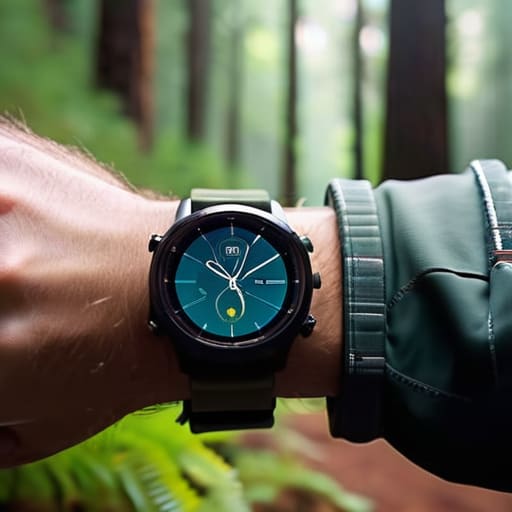
    I was sitting at my workbench yesterday, cleaning the oxidation off a set of 1970s Marantz receivers, when my grandson tried to show me his new wearable. He spent twenty minutes scrolling through a dizzying array of menus, trying to explain how his device could track his “stress levels” and “sleep stages.” It struck me then that we’ve reached a point where manufacturers are selling us a mountain of digital noise just to justify a higher price tag. Most of these touted smartwatch features are nothing more than glorified software gimmicks designed to distract you from the fact that the hardware is built like a cheap toy. If a device requires a software update every time you want to check the time, it’s not a tool; it’s a liability.

    I’m not here to sell you on the latest shiny gadget or repeat the marketing fluff you see in glossy brochures. My goal is to strip away the nonsense and look at what actually matters: durability, battery life, and utility. I’m going to break down which smartwatch features are worth your hard-earned money and which ones are just expensive plastic destined for a junk drawer.

    Table of Contents

    The Truth About Gps Tracking Accuracy and Reliability

    The Truth About Gps Tracking Accuracy and Reliability

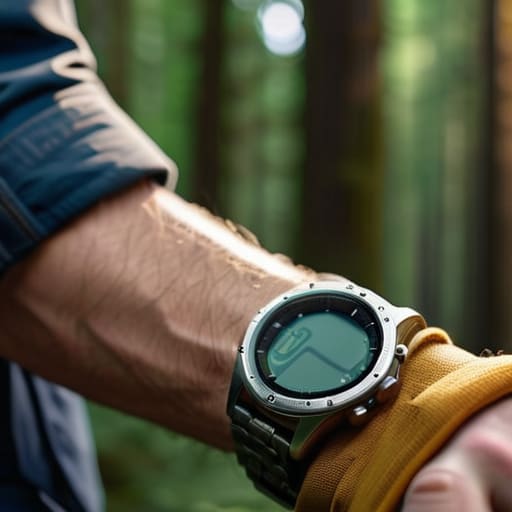
    Most manufacturers will swear up and down that their latest model has “military-grade” positioning, but I’ve spent enough time looking at schematics to know that a marketing claim isn’t a spec sheet. When you’re out on a trail, you don’t need a device that tells you it’s trying to find a signal; you need one that actually holds onto it. I’ve tested several units where the gps tracking accuracy was fine in an open field, but the moment a few trees or a building got in the way, the path started looking like a jagged mess of errors. If the internal antenna is poorly shielded or just cheap, you’re essentially walking around with a glorified compass that can’t tell north from south.

    I’ve learned the hard way that more sensors don’t always mean better data. You’ll see all sorts of wearable technology trends pushing for more complex chipsets, but if the software can’t process the raw satellite data reliably, the hardware is useless. I always check if a watch supports dual-band GNSS before I even consider opening my wallet. If they aren’t telling you that, they’re likely hiding a flimsy, single-band system behind a shiny glass face.

    Dont Buy Into Hype Real Blood Oxygen Sensor Technology

    Dont Buy Into Hype Real Blood Oxygen Sensor Technology

    Now, let’s talk about something that’s been shoved down our throats lately: blood oxygen sensor technology. You’ll see these fancy marketing charts claiming your watch can predict a dozen different health issues, but I’ve learned to take those claims with a heavy grain of salt. In my experience, most of these sensors are just optical estimations rather than medical-grade diagnostics. They use light to bounce off your skin, which sounds fine on paper, but if you’re moving around or if the band isn’t cinched just right, the data becomes nothing more than noise.

    I’ve seen plenty of these gadgets struggle when they try to integrate this data into their broader sleep monitoring capabilities. It’s one thing to get a reading while you’re sitting still on the sofa; it’s quite another to rely on it when you’re actually trying to assess your health. If you’re looking for a tool to help you track trends over time, fine—but don’t mistake a consumer gadget for a doctor. If you want accuracy, you need a device with a robust sensor housing that doesn’t let light leak in, not just a shiny screen full of colorful graphs.

    Five Things to Check Before You Hand Over Your Credit Card

    • Look at the battery life specs, not the marketing fluff. If a company won’t tell you exactly how many days the watch lasts with the “always-on” display active, they’re hiding a weak cell. I don’t care how many apps it has if I have to plug it into a wall every single night.
    • Demand physical buttons. Touchscreens are fine for a smartphone, but trying to swipe through a menu with sweaty hands or while you’re walking is a recipe for frustration. A tactile, clicky button is a mechanical certainty that a piece of glass just can’t match.
    • Check the strap material and mounting points. Most of these companies use cheap, proprietary silicone that snaps if you look at it wrong. I want to see sturdy lugs and a strap that feels like it was built to endure, not something that’s going to irritate your skin after two hours.
    • Don’t get blinded by “proprietary” health metrics. If a feature only works within one specific, closed-off app, you don’t really own that data—the company does. Make sure the device plays nice with standard platforms so you aren’t locked into their ecosystem.
    • Verify the water resistance rating yourself. Don’t just take their word for it; look for a formal IP rating or an ATM depth rating. “Water resistant” is a vague term used to sell flimsy plastic; “IP68” is a specification that actually tells you something about the build quality.

    The Bottom Line Before You Open Your Wallet

    Stop chasing every sensor on the spec sheet; if the GPS can’t hold a signal and the battery won’t last a full day, the rest of the data is just noise.

    Prioritize build quality and physical buttons over fancy touchscreens if you actually plan on using this thing outdoors or while you’re moving.

    Don’t let marketing departments convince you that medical-grade accuracy is coming to a piece of consumer plastic—treat health sensors as helpful trends, not absolute facts.

    ## The Bottom Line on Specs

    Most of these manufacturers will try to bury you in a list of fifty different sensors, but half of them are just gimmicks designed to pad the price tag; if a feature doesn’t provide reliable data when you’re actually using the tool, it’s nothing more than an expensive way to clutter your wrist.

    Roland Delacroix

    The Bottom Line

    The Bottom Line: prioritize hardware reliability.

    Look, I’ve spent enough time looking at schematics to know that more data isn’t always better data. We’ve gone over the fact that a dozen extra sensors won’t help you if the GPS can’t find a signal through a bit of tree cover, and a blood oxygen reading is useless if it’s just a random number generator strapped to your wrist. When you’re standing in that aisle or staring at a checkout screen, stop looking at the flashy marketing terms. Focus on the basics: battery longevity, sensor reliability, and how much of that hardware is actually built to last more than a single season. If the device relies on a constant, high-speed connection just to perform its most basic functions, it’s expensive plastic disguised as a tool.

    At the end of the day, a smartwatch should be an asset to your life, not another piece of junk you have to babysit every single morning. Technology is supposed to serve us, not the other way around. Don’t let the manufacturers convince you that you need every single bell and whistle just to stay healthy or connected. Buy something that does the job it claims to do, and buy it with the expectation that it will still be working two years from now. Stick to the specs, trust your gut, and don’t pay for the hype.

    Frequently Asked Questions

    If these sensors are so prone to error, how can I tell if the data I'm seeing is actually useful or just a random number?

    Look, don’t treat these numbers like gospel. I always tell people: look for trends, not single data points. If your heart rate jumps to 140 while you’re sitting on the porch reading the paper, the sensor is lying to you. But if you see a steady increase over a week of walking, that’s a real trend. Use the watch to spot patterns, not to perform a medical exam. If it doesn’t make sense, ignore it.

    Does all this extra software and constant tracking mean I'm going to be tethered to a charging cable every single night?

    Look, if you’re buying a device that’s constantly pinging satellites and running background health scans, you’re going to be tethered to a wall. It’s simple physics: more processing equals more power draw. I’ve seen too many people get caught out by “smart” features that turn their watch into a paperweight by 8:00 PM. If you want longevity, look for a device that prioritizes efficient chipsets over flashy, battery-draining animations. Don’t let the marketing hide the math.

    Are there any specific brands that actually use decent materials instead of just cheap, lightweight plastic that'll crack in a year?

    Look, if you want something that won’t crack the first time you bump it against a doorframe, steer clear of the generic budget brands. They’re all cheap polymers. If you’re serious about durability, look at Garmin or Suunto; they use reinforced composites and stainless steel that actually feel substantial. Even Apple’s Ultra line uses titanium, which is a step up. I’d rather pay a premium for metal and sapphire glass than replace a plastic toy every twelve months.