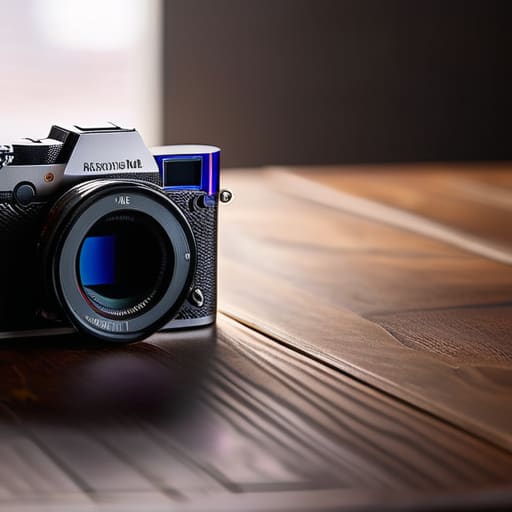
I was sitting at my workbench last Tuesday, cleaning the dust out of an old Nikon SLR, when I saw a neighbor struggling with a brand-new mirrorless setup. He was staring at a menu screen that looked more like a smartphone interface than a piece of precision machinery, looking completely defeated. It’s the same old story: manufacturers are burying the actual mechanics under layers of flashy software and useless sub-menus. Most people think they need to master a dozen complex digital settings just to get a decent photo, but honestly, they’re just getting lost in the noise. If you want to actually understand mirrorless camera basics, you have to stop looking at the marketing slides and start looking at how the light actually hits the sensor.
I’m not here to sell you on the latest high-priced gadget or some “revolutionary” sensor technology that won’t matter in three years. My goal is to cut through the fluff and show you which features are actually functional and which ones are just expensive plastic distractions. I’ll walk you through the essential mechanics so you can stop fighting your gear and start using it as a tool. We’re going to focus on reliability and results, not the hype.
Table of Contents
- Mirrorless vs Dslr Differences Cutting Through the Marketing Fluff
- Interchangeable Lens Systems That Actually Worth Your Money
- Five Things to Watch Out For Before You Buy
- The Bottom Line: What You’re Actually Paying For
- ## The Bottom Line on Mirrorless Tech
- The Bottom Line on Mirrorless Systems
- Frequently Asked Questions
Mirrorless vs Dslr Differences Cutting Through the Marketing Fluff
## Mirrorless vs DSLR Differences: Cutting Through the Marketing Fluff
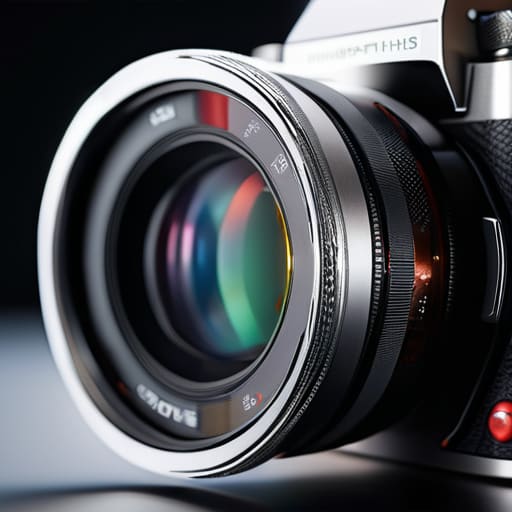
When you look at a DSLR, you’re looking at a piece of mechanical engineering that makes sense. There is a physical mirror inside that flips up every time you snap a photo. It’s tactile, it’s reliable, and it’s how cameras worked for decades. Mirrorless systems, however, strip that mechanism away entirely. Instead of looking through a mirror via an optical path, you’re looking at a tiny digital screen inside the eyepiece—what they call an electronic viewfinder explained in most glossy brochures. It’s a massive shift in how the hardware actually functions.
Now, don’t let the sales reps tell you that mirrorless is “better” just because it’s newer. The truth is that mirrorless cameras are generally lighter and more compact, which is great for your neck, but they tend to chew through batteries much faster because they’re running a constant digital feed. You also need to understand the full frame vs APS-C sensor debate; the sensor size dictates how much light you catch and how much “reach” your lenses have. A bigger sensor isn’t always a better tool—it’s just a different tool. Pick the one that fits your actual workload, not the one with the most blinking lights.
Interchangeable Lens Systems That Actually Worth Your Money
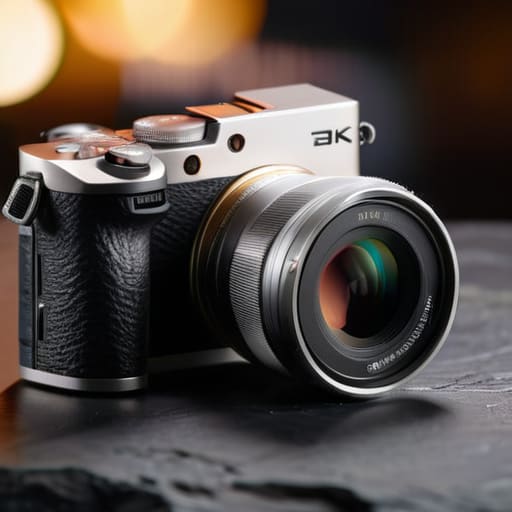
Now, let’s talk about the actual hardware. When you’re looking at interchangeable lens systems, don’t just buy into the latest hype because a YouTuber told you to. You need to decide if you’re looking at a full frame vs APS-C sensor setup. A full frame sensor is the gold standard for image quality and low light, but let’s be honest: it’s going to make your kit heavier and your wallet significantly lighter. If you’re just starting out or don’t want to lug a heavy bag around the neighborhood, an APS-C system is more than capable and much more practical for daily use.
The real trap is getting locked into a proprietary mount that has no future. I’ve seen too many people buy into a niche system only to realize five years later that they can’t find a decent used lens for it. Look for brands with a proven track record of lens availability. You want a system where the glass is as robust as the body. If the manufacturer doesn’t have a deep library of reliable optics, you’re just buying a very expensive paperweight that’s destined for the junk drawer.
Five Things to Watch Out For Before You Buy
- Don’t get blinded by megapixel counts. A high resolution doesn’t mean a damn thing if the sensor is tiny or the lens quality is subpar. Focus on sensor size and how the light actually hits it.
- Check the build quality of the grip and the dials. If the buttons feel mushy or like they’re made of cheap, hollow plastic, you’re going to regret it the first time you try to adjust settings in the field.
- Look at the battery life, not the marketing brochure. Mirrorless cameras eat power because they’re running a constant electronic feed to that little screen. If you can’t carry two spares, you’re going to be stuck with a paperweight halfway through your shoot.
- Test the autofocus system in real-world conditions. Manufacturers love to show off tracking in perfect lighting, but I want to know if it can actually find a subject when the sun goes down or things get moving.
- Make sure the lens ecosystem is robust. There is no point in buying a great camera body if you’re stuck with a handful of mediocre lenses. You want a system that lets you grow without forcing you to buy into a closed, proprietary trap.
The Bottom Line: What You’re Actually Paying For
Don’t get blinded by the “mirrorless” label; you’re paying for a more compact design and faster autofocus, but make sure the build quality feels solid in your hand before you pull out your wallet.
Invest in a lens system with a long track record, not just the newest body, because a high-quality glass lens will outlast three different camera bodies.
Ignore the spec sheet jargon about megapixels and frame rates unless you actually have a use for them; focus instead on whether the ergonomics and button layout make sense for your hands.
## The Bottom Line on Mirrorless Tech
“Stop looking at the megapixels and the fancy software gimmicks for a second. A camera is a tool, not a toy; if the build quality feels like a cheap remote control and the menu system is a labyrinth, it doesn’t matter how many pixels you’ve got—you’re just going to end up leaving it in the drawer.”
Roland Delacroix
The Bottom Line on Mirrorless Systems
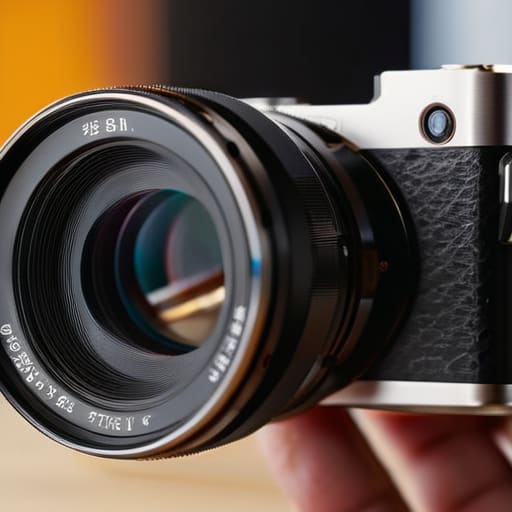
At the end of the day, don’t let the spec sheets intimidate you. We’ve covered how these mirrorless systems strip away the bulky mirror boxes of the old DSLR days to give you something lighter and more direct, and we’ve looked at why you need to invest in a lens system that won’t be obsolete in two years. Remember, a camera is just a collection of sensors and glass; it’s the build quality and the usability of the interface that determine if it’s a tool or a toy. Don’t get caught up in the race for the highest megapixel count if the body feels like a cheap piece of consumer electronics. Focus on the reliability of the mount and the ergonomics of the grip.
I know it feels like the industry is moving at a breakneck pace, constantly pushing the next “revolutionary” gadget into your hands. It’s enough to make a man want to stick to his vintage film cameras. But if you find a system that feels solid in your hands and actually does what you need it to do without a thousand menus getting in your way, you’ve found a winner. Stop chasing the hype and start looking for the mechanical integrity that lasts. Once you stop worrying about the bells and whistles, you can finally get back to the real work: capturing the moment without the technology getting in your way.
Frequently Asked Questions
If there's no mirror inside, aren't these things going to break easier than the old DSLRs I'm used to?
That’s a fair question, and it’s exactly the kind of skepticism I like to see. Look, removing the mirror mechanism does eliminate one moving part that can fail, which is a win for long-term reliability. However, you’re trading a mechanical issue for electronic ones. You’re relying more heavily on sensors and processors. If you treat these like delicate toys, they’ll break. But if you get a well-built body with proper weather sealing, they’ll hold up just fine.
Do I really need to spend a fortune on new lenses, or can I just adapt the glass I already have sitting in my cabinet?
Look, I’ve seen plenty of good glass gathering dust in cabinets, and you don’t always need to go out and buy the latest shiny thing. If you’ve got solid vintage lenses, an adapter can work wonders. But don’t expect miracles; you’ll likely lose autofocus or electronic communication. If you value speed and precision, buy the native glass. If you just want the character of an old lens and don’t mind manual focus, adapt away.
How much does the battery life actually matter if I'm out shooting all day?
Look, here’s the reality: if you’re out in the field from sunrise to sunset, a dead camera is just a heavy paperweight. Mirrorless cameras eat batteries for breakfast because those electronic viewfinders are power-hungry. Don’t trust the manufacturer’s “ideal conditions” claims. If you’re serious about shooting all day, you need at least two spares in your bag. It’s not about being paranoid; it’s about ensuring your gear doesn’t quit when the light is perfect.
