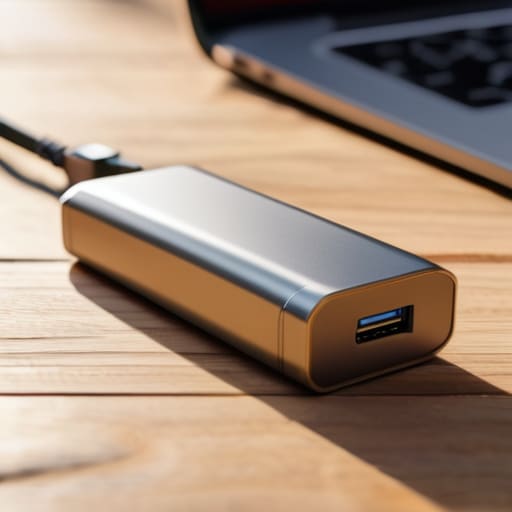
I was sitting at my workbench last Tuesday, mid-way through a capacitor replacement on a 1970s Marantz receiver, when I smelled it: that sharp, acrid scent of ozone and melting polymer. A neighbor had dropped by to show off his latest “bargain” power bank he’d picked up from some discount site. The casing was already warping, and the thing was running hot enough to fry an egg. It’s a damn shame, but we’ve reached a point where portable charger safety has become an afterthought in favor of flashy LED displays and bottom-shelf pricing. Most of these devices are nothing more than unregulated lithium cells wrapped in thin, cheap plastic, and they’re a ticking time bomb in your backpack.
I’m not here to sell you on some high-tech brand name or a gadget that requires a smartphone app just to check its battery level. I’m going to show you how to look past the marketing fluff and identify the actual build quality that matters. We’re going to talk about thermal management, circuit protection, and why you should never trust a bargain-bin battery. My goal is simple: I want to make sure the gear you carry actually works when you need it, without turning your pocket into a fire hazard.
Table of Contents
- How to Spot Certified Charging Technology That Actually Works
- Spotting Lithium Ion Battery Overheating Before Its Too Late
- Five Rules to Keep Your Gear from Turning into a Fire Hazard
- Bottom Line: Don't Get Burned by Cheap Hardware
- The Cost of Cutting Corners
- Don't Let a Cheap Battery Ruin Your Day
- Frequently Asked Questions
How to Spot Certified Charging Technology That Actually Works
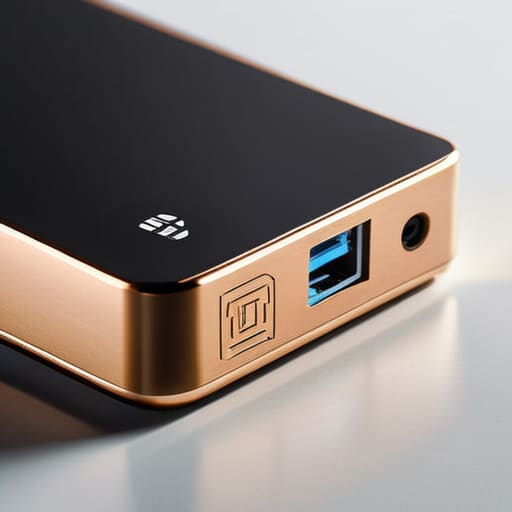
When you’re browsing through those endless rows of gadgets online, don’t just look at the capacity numbers or how many USB ports they’ve crammed onto the casing. Most of that is just marketing fluff. I always tell people to look for the marks that actually mean something. You want to see legitimate certifications like UL (Underwriters Laboratories) or CE printed right on the chassis. These aren’t just suggestions; they mean the device has been put through the ringer to ensure certified charging technology is actually managing the voltage correctly. If a manufacturer is too cheap to pay for those third-party tests, they’re likely cutting corners on the internal circuit boards.
Keep an eye out for dedicated protection circuits designed for preventing battery swelling. A decent unit should have built-in safeguards against overcharging and short-circuiting. If the housing feels like thin, hollow plastic that flexes when you squeeze it, walk away. A quality power bank should feel solid, like a tool, not a toy. If it lacks clear safety documentation, you aren’t just buying a charger; you’re buying a potential fire hazard for your nightstand.
Spotting Lithium Ion Battery Overheating Before Its Too Late
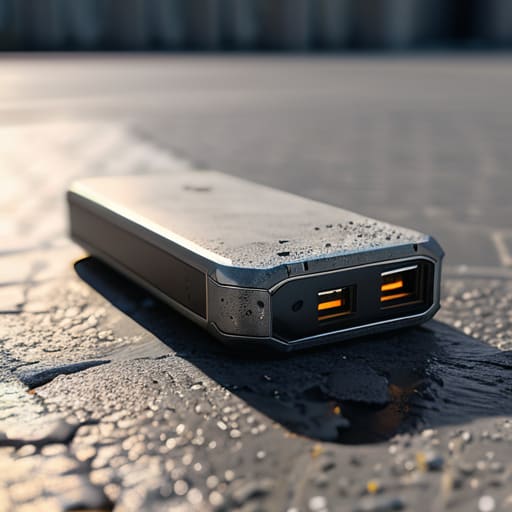
Now, let’s talk about something that actually keeps me up at night: thermal runaway. In my engineering days, we knew that heat was the enemy of any stable system, and that’s especially true with these modern cells. If you’re using a power bank and it starts feeling uncomfortably hot to the touch—not just warm, but actually hot—stop what you’re doing. Don’t just set it down on your bed or a couch; get it onto a hard, non-flammable surface immediately. Lithium ion battery overheating isn’t just a minor inconvenience; it’s a warning sign that the internal chemistry is failing.
You also need to keep a sharp eye out for physical changes in the casing. If you notice the plastic shell starting to bulge or if the device looks slightly “pregnant,” that is a clear sign of preventing battery swelling has already failed. That swelling is caused by gas buildup inside the cell, and once that happens, the structural integrity is gone. At that point, the device is no longer a tool; it’s a liability. Don’t try to “squeeze” it back into shape or keep using it. Just get it out of your house and dispose of it properly.
Five Rules to Keep Your Gear from Turning into a Fire Hazard
- Stop buying unbranded junk from those discount sites. If the charger doesn’t list its specific wattage and input/output specs clearly on the casing, it’s because they’re hiding something. I’ve seen too many of these “mystery” bricks that lack basic thermal cutoff switches.
- Check your cables like you check your plumbing. A frayed cord or a connector that feels loose in the port is a recipe for a short circuit. If the wire is thin and feels like it’s going to snap if you bend it, toss it in the bin and buy a braided one that actually has some structural integrity.
- Never charge your power bank under a pillow or in a closed drawer. These devices generate heat while they work; if you don’t give that heat a way to dissipate, you’re essentially building a slow-motion oven. Keep them on a hard, flat surface where the air can actually move.
- Watch out for the “bulge.” If you notice the casing of your portable charger looks even slightly swollen or distorted, stop using it immediately. That’s a sign the internal cells are off-gassing, and that’s when things go from “annoying” to “dangerous” very quickly.
- Don’t leave your chargers plugged into the wall indefinitely. Once the battery is full, pull the plug. Leaving cheap circuitry energized 24/7 puts unnecessary stress on the components and increases the chance of a component failure while you’re sleeping.
Bottom Line: Don't Get Burned by Cheap Hardware
Stop buying unbranded power banks from gas stations or discount sites; if the casing feels light and hollow, it lacks the thermal management needed to keep a lithium cell stable.
Always check for UL or ETL certification marks on the casing—it’s the only way to know someone actually tested the circuitry for safety instead of just slapping a logo on it.
If a charger starts getting hot to the touch or makes a high-pitched whining sound, unplug it immediately and toss it; that’s not “normal operation,” that’s a component failing.
The Cost of Cutting Corners
I’ve spent enough time looking at failed components to know that a “bargain” power bank is usually just a fire hazard wrapped in cheap, thin plastic; if you wouldn’t trust the circuit board to run a piece of industrial machinery, don’t trust it to sit in your pocket next to your phone.
Roland Delacroix
Don't Let a Cheap Battery Ruin Your Day
At the end of the day, protecting your gear and your home comes down to two things: doing your homework and trusting your gut. I’ve seen enough poorly engineered junk in my time to know that if a charger lacks proper certifications or feels like it was molded from bottom-shelf scrap plastic, you should leave it on the shelf. Keep an eye out for those heat signatures, stick to brands that actually respect their electrical specs, and never, ever ignore a battery that’s swelling or getting suspiciously hot. It’s much easier to spend an extra twenty dollars on a reputable piece of hardware now than to deal with a melted device or a fire hazard later.
Look, I know the temptation to grab the cheapest option on a massive online marketplace is strong, but I’m telling you, it isn’t worth the risk. Technology should serve you, not become a liability you have to babysit. When you buy something that’s built with integrity, you’re buying peace of mind, and that’s something you can’t put a price tag on. Do yourself a favor: stop chasing the lowest price and start looking for genuine reliability. Your devices—and your wallet—will thank you for it.
Frequently Asked Questions
Is it actually dangerous to charge my phone and my power bank at the same time?
Look, I’ve seen enough thermal runaway incidents in my time to know that heat is the enemy. Charging a phone and a power bank simultaneously isn’t inherently a death sentence, but you’re asking for trouble if you’re doing it through a single, cheap multi-port brick. You’re taxing the circuitry and generating excess heat. If that charger feels hot to the touch, unplug it. Don’t push cheap components to their limit.
How can I tell if a battery is swelling inside its casing before it becomes a fire hazard?
You’ve got to look for the subtle signs before things get dangerous. First, check the casing for any bulging or warping—if the plastic looks like it’s being pushed out from the inside, that’s a red flag. Watch for gaps opening up where the device parts should meet tightly, or a screen that looks like it’s lifting off the frame. If the device feels unusually hot or smells sweet and metallic, stop using it immediately.
Are those cheap, unbranded chargers from gas stations worth the risk, or is the price difference just for the name?
Look, I’ve seen enough failed components in my time to know that you get what you pay for. Those gas station specials aren’t just “budget friendly”—they’re a gamble. You’re paying for the lack of safety controllers and substandard cells that can’t handle a steady discharge. The price difference isn’t just for a fancy logo; it’s for the engineering that keeps the unit from turning into a fire hazard in your pocket. Skip them.
