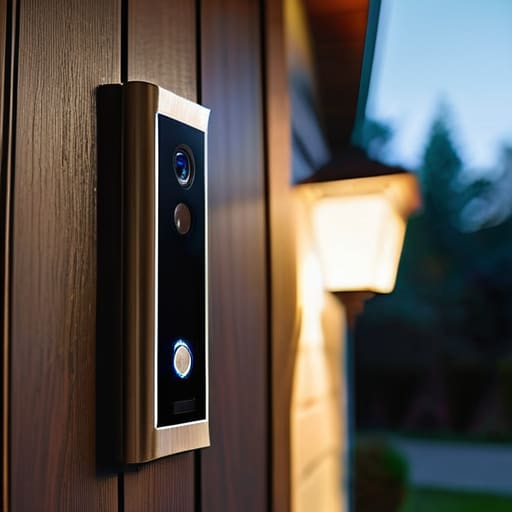
I was sitting in my workshop last Tuesday, cleaning the contacts on a 1970s Marantz receiver, when my phone started chirping like a frantic bird. It was a notification from my front door. I checked the feed, only to find a “motion alert” triggered by a stray leaf blowing across the driveway. It’s the same story everywhere you look: companies are shoving a dozen useless smart doorbell features down your throat, charging you a monthly subscription just to see a blurry image of a squirrel. Most of these gadgets are built with the structural integrity of a wet paper towel and software that’s more headache than help.
I’m not here to sell you on some shiny, cloud-connected gimmick that fails the moment your Wi-Fi hiccups. My goal is simple: I want to help you separate the actual security tools from the expensive plastic junk that litters the market. I’ve spent my career looking at how things are actually built, and I’m going to tell you which features actually provide peace of mind and which ones are just marketing fluff designed to empty your wallet.
Table of Contents
- Dont Buy Into the Gimmicks of Facial Recognition Technology
- Why Wide Angle Field of View Matters More Than Marketing
- Five Things to Check Before You Hand Over Your Credit Card
- The Bottom Line: What’s Actually Worth Your Hard-Earned Money
- Focus on the Fundamentals
- The Bottom Line on Your Front Door
- Frequently Asked Questions
Dont Buy Into the Gimmicks of Facial Recognition Technology
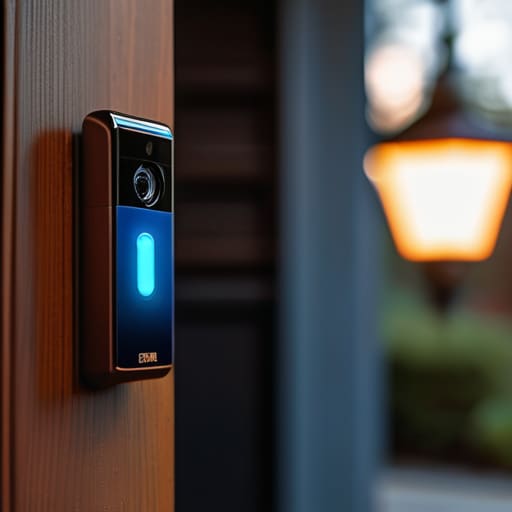
I’ve seen this pattern a dozen times in my career: engineers adding a complex, unproven feature just to pad the spec sheet and justify a higher price tag. Right now, that’s exactly what’s happening with facial recognition technology. Manufacturers will tell you it’s a revolution in home security, but in my experience, it’s often more trouble than it’s worth. These algorithms struggle with changing light or even a simple change in a person’s attire, leading to a constant stream of false positives that’ll drive you mad.
Instead of paying a premium for a system that tries—and fails—to guess who is standing on your porch, you should be looking at the fundamentals. I’d much rather see a company invest in superior night vision capabilities and a reliable sensor than a buggy AI feature. If the hardware can’t clearly distinguish a shadow from a person in the dark, it doesn’t matter how “smart” the software claims to be. Don’t let the marketing department fool you; a doorbell that accurately detects motion is worth far more than one that tries to name every stranger who walks by your driveway.
Why Wide Angle Field of View Matters More Than Marketing
When you’re looking at the spec sheet, every manufacturer will brag about their “ultra-HD” resolution or their fancy color night vision. But let me tell you something from a systems perspective: a high-resolution image of a person’s forehead is useless if you can’t see their hands or what they’re carrying. Most of these companies try to sell you on pixel density, but they neglect the actual geometry of the lens. A wide angle field of view is what actually matters because it eliminates those massive blind spots right beneath the unit.
I’ve seen too many folks install these things only to realize they can see a clear picture of the street, but they have no idea what’s happening on their own porch. If your lens is too narrow, you’re essentially paying for a high-definition view of nothing. You want a device that captures the entire entryway so that your package detection alerts actually trigger when a delivery driver sets a box down, rather than just seeing them walk past the frame. Don’t let them sell you a narrow window when you need a full view of your property.
Five Things to Check Before You Hand Over Your Credit Card
- Check the power source first. I’ve seen too many people buy a sleek-looking battery-operated unit only to realize they’re climbing a ladder every two weeks to recharge it. If you can run a wire to the door, do it. A hardwired connection is reliable; a battery is just another thing that’s going to fail you when you need it most.
- Look for local storage options. I don’t trust the cloud to keep my data safe or accessible. If a company decides to hike their monthly subscription fees just so you can view your own footage, they’ve sold you a lemon. Find a model that lets you plug in an SD card or connects to a local hub.
- Test the motion detection sensitivity. There is nothing more annoying than a doorbell that sends a notification to your phone every time a leaf blows across the porch or a car drives by. You want adjustable zones so you can tell the sensor to ignore the sidewalk and focus on your actual entryway.
- Verify the night vision quality. A camera that looks great at noon is useless at 2:00 AM. Don’t just look at the megapixel count in the brochure; look for infrared capabilities that actually provide a clear image in total darkness. If you can’t see a face in the dark, the camera is nothing more than a paperweight.
- Demand a physical button that actually works. We live in an era where everything is “smart,” but at the end of the day, a doorbell is a mechanical necessity. If the physical button feels mushy or lacks a tactile click, the build quality is likely subpar, and the internal components won’t last the first winter.
The Bottom Line: What’s Actually Worth Your Hard-Earned Money
Prioritize a reliable, wide field of view over fancy software; if you can’t see the person’s hands or the package on the porch, the camera is useless.
Ignore the facial recognition marketing fluff; a doorbell’s primary job is to alert you when someone is there, not to run a database of your neighbors.
Check the build quality and connection stability before you buy; if it’s held together by cheap plastic and relies on a finicky Wi-Fi signal, it’s going to fail you when it matters most.
Focus on the Fundamentals
I’ve seen enough engineers try to solve problems that don’t exist; stop worrying about whether your doorbell can identify your neighbor’s breed of dog and start worrying about whether the damn thing actually records a clear image when it matters most.
Roland Delacroix
The Bottom Line on Your Front Door
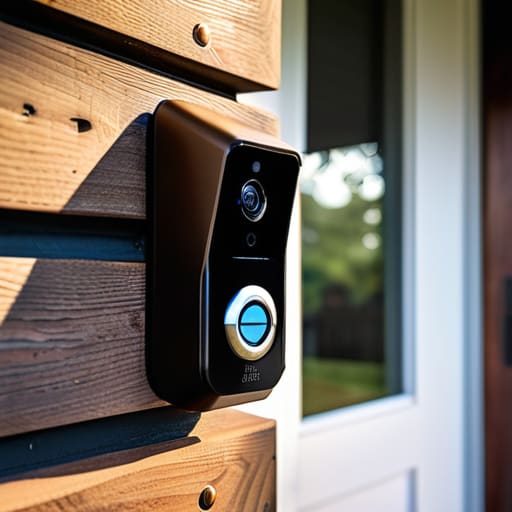
At the end of the day, don’t let a glossy marketing brochure do your thinking for you. We’ve looked at how facial recognition is often more of a privacy headache than a security boon, and why a wide field of view is far more critical for seeing a package thief than any fancy AI software. If you want a doorbell that actually serves its purpose, focus on the fundamentals: reliable connectivity, clear optics, and a build quality that won’t crack after one winter. You need a device that performs its primary function without requiring a software update every time you want to see who is standing on your porch. Stop chasing the latest digital bells and whistles and start looking for hardware that actually holds up.
Investing in home security shouldn’t feel like gambling on the latest tech fad. I’ve spent enough time in engineering to know that complexity is often just a mask for unreliability. When you’re standing there in the hardware store or scrolling through an online shop, ask yourself if that extra feature is going to help you sleep better at night, or if it’s just more expensive plastic designed to pad a manufacturer’s profit margins. Buy something that is built to last, stays connected when it matters, and does exactly what it says on the box. That is how you protect your home without wasting your hard-earned money.
Frequently Asked Questions
Is a hardwired connection really necessary, or can I get away with just using batteries?
Look, if you want a device that actually works when it matters, go hardwired. I’ve seen too many people buy battery-operated models only to find them dead right when a package is being stolen. Batteries are a massive point of failure; they die, they struggle in the cold, and you’ll spend half your life climbing a ladder to swap them. If you have the wiring, use it. Don’t trade reliability for a slightly easier installation.
How much does a monthly subscription actually cost if I want to save my video clips?
Here is the truth they don’t put on the box: you aren’t just buying a doorbell; you’re renting it. Most manufacturers charge anywhere from $3 to $10 a month just to let you view recorded footage. It sounds small, but over three years, that’s a significant chunk of change for something you already paid for. Before you pull the trigger, check the fine print. If it requires a monthly fee to see anything useful, it’s just more expensive plastic.
What's the difference between a standard doorbell and one with two-way audio that actually works without a five-second lag?
Look, a standard doorbell is a simple mechanical circuit—it does one job and does it reliably. A smart doorbell with two-way audio is a whole different beast of software and networking. The problem is most manufacturers prioritize flashy video over low-latency audio. If you’re staring at a frozen screen while a delivery driver walks away because of a five-second lag, that “smart” feature is useless. You want a system with high-speed processing, not just a cheap chip buried in plastic.
