I was sitting at my workbench last Tuesday, surrounded by the smell of solder and old capacitors, when a neighbor asked me for a recommendation on a new backup drive. He’d just spent three hundred dollars on some sleek, brushed-aluminum gadget that looked more like a piece of modern art than a storage device. It’s the same old story: companies wrap mediocre components in fancy packaging and call it “innovation,” but they’re really just selling you expensive plastic. When you start looking into the different external hard drive types available today, you realize the marketing departments are working overtime to confuse you with jargon that doesn’t actually mean anything for the long-term survival of your data.
I’m not here to sell you on the latest bells and whistles or help you pick the prettiest box on the shelf. My goal is to cut through the noise and tell you exactly what is going to hold up under pressure and what is going to fail the moment you actually need your files. I’ve spent my career looking at how things are built, and I’m going to apply that same scrutiny here. We’re going to look at the mechanical reality of these drives so you can make a decision based on reliability, not hype.
Table of Contents
- The Hdd vs Ssd Comparison Real Speed or Just Hype
- Desktop vs Portable Storage Solutions What You Truly Need
- Five Rules to Follow Before You Pull Out Your Credit Card
- The Bottom Line: Don't Buy Into the Marketing Fluff
- The Truth About Modern Storage
- The Bottom Line: Don't Get Sold a Bill of Goods
- Frequently Asked Questions
The Hdd vs Ssd Comparison Real Speed or Just Hype

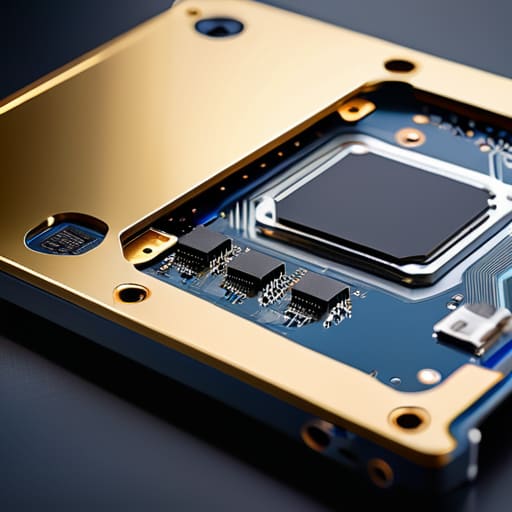
Now, let’s get down to the brass tacks of the HDD vs SSD comparison. In my engineering days, we relied on mechanical components because they were predictable, but modern solid-state drives have changed the game entirely. If you’re looking at external drive read/write speeds, an SSD will make a traditional hard drive look like it’s running through molasses. An SSD has no moving parts—no spinning platters, no actuator arms—which means it’s nearly instantaneous when you’re pulling up large files or running backups.
However, don’t let the marketing departments fool you into thinking an SSD is a magic bullet for every situation. If you just need a massive “digital attic” to dump old photos and tax documents that you won’t touch for months, a high-capacity HDD is still the smarter play for your wallet. But if you’re a professional moving large video files or someone who travels frequently, you need the durability of an SSD. A mechanical drive is a fragile piece of machinery; one accidental drop from a desk can turn your precious data into a paperweight. For daily, heavy-duty use, the speed and resilience of an SSD are well worth the extra few dollars.
Desktop vs Portable Storage Solutions What You Truly Need

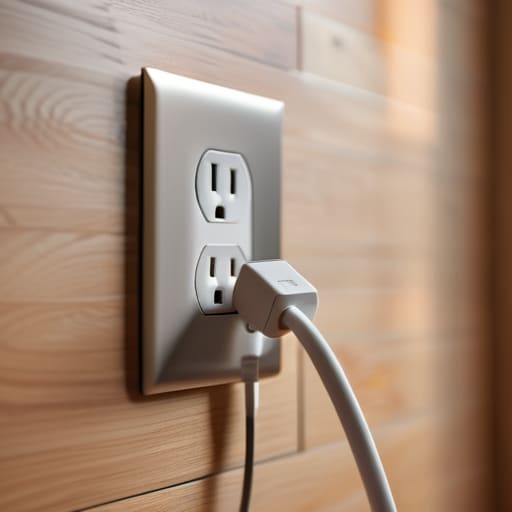
Now, you’ve got to decide if you’re looking for a workhorse that sits on your desk or something you can actually toss in a bag without a second thought. When we talk about desktop vs portable storage solutions, it really comes down to your workflow. Desktop drives are usually larger, plug into a wall outlet, and offer massive capacities for a fraction of the cost. If you’re backing up a whole library of high-res photos or video files, you want that stability. They aren’t meant to move, and frankly, you shouldn’t try to.
On the other hand, portable drives are built for the person on the move. These are much more susceptible to physical shock, so if you’re traveling, don’t skimp—look for rugged external hard drives that have some actual protection against drops. You also need to keep an eye on your connections; if you’re moving large files frequently, the difference between USB-C vs Thunderbolt connectivity can be the difference between a quick transfer and sitting around waiting for a progress bar to crawl across the screen. Pick the tool that fits your actual life, not just the one with the biggest number on the box.
Five Rules to Follow Before You Pull Out Your Credit Card
- Stop chasing the highest capacity number if you don’t have the connection to back it up. If you buy a high-speed SSD but plug it into an old USB 2.0 port, you’re essentially putting a Ferrari engine inside a lawnmower; you aren’t getting the speed you paid for, just a waste of money.
- Check the build material, not just the marketing fluff. I’ve seen too many “rugged” drives that are nothing more than thin, hollow plastic shells. If you’re planning to carry this in a bag, look for something with a metal chassis or a high-grade rubberized casing that can actually handle a bump.
- Always factor in the “failure math” for HDDs. Mechanical hard drives have moving parts—spinning platters and tiny actuator arms—which means they are fundamentally prone to mechanical failure if they take a hit. If your data is precious, don’t trust a spinning disk to survive a drop.
- Don’t get blinded by the “Thunderbolt” label without checking your hardware. It’s a premium connection that’s great for professionals, but for most folks, a solid USB 3.2 Gen 2 drive does the job just fine without the extra markup. Read the fine print on compatibility before you commit.
- Buy for the job, not the trend. If you’re just backing up old family photos once a month, a cheap, high-capacity HDD is perfectly fine. But if you’re editing video directly off the drive, you better invest in an SSD. Using the wrong tool for the task is the fastest way to end up frustrated.
The Bottom Line: Don't Buy Into the Marketing Fluff
Stop chasing the highest gigabyte count if the build quality is garbage; a drive that crashes during a transfer is just a very expensive paperweight.
Match the drive to the job—use an SSD for your active work and moving files quickly, but keep an HDD for long-term, heavy-duty backups where speed isn’t the priority.
Before you tap your credit card, look past the sleek plastic casing and check the actual specs; you want hardware that prioritizes reliability over a fancy LED light show.
The Truth About Modern Storage
I’ve seen enough “cutting-edge” gear end up in the scrap heap to know that a spec sheet doesn’t mean a thing if the casing is flimsy and the controller is cheap. Whether you’re picking an SSD for speed or an HDD for bulk, stop looking at the marketing fluff and start looking at the build quality; if it feels like a toy, it’s going to fail you when your data actually matters.
Roland Delacroix
The Bottom Line: Don't Get Sold a Bill of Goods
At the end of the day, picking a drive shouldn’t feel like you’re solving a calculus equation. If you need massive amounts of space for a low price and you plan on keeping the drive sitting stationary on a desk, a traditional HDD is still a perfectly sensible tool for the job. But, if you’re constantly moving from place to place or you’re tired of that terrifying clicking sound when a drive takes a bump, spend the extra money on an SSD. I’ve seen too many people try to save fifty bucks only to lose years of family photos because they bought the cheapest, flimsiest plastic housing they could find. Remember: reliability is worth the premium.
My advice is simple: stop looking at the flashy marketing on the box and start looking at the actual build quality and the use case. Whether you go with a rugged portable drive or a heavy-duty desktop unit, make sure it serves your specific needs rather than the manufacturer’s profit margins. Technology is supposed to make our lives easier, not give us more headaches to manage. Buy something that is built to last, keep a secondary backup of your most important files, and then get back to enjoying your life. You’ve done the homework; now go buy something that actually works.
Frequently Asked Questions
How much does the connection type—USB-A versus USB-C—actually impact the longevity of the drive?
Look, the connection type won’t change the lifespan of the actual storage platters or chips inside, but it sure as hell affects the physical durability. I’ve seen too many flimsy USB-C ports on cheap portable drives snap off or get wiggled loose because the housing is nothing but thin plastic. If you want something that survives being tossed in a bag, look for a drive with a reinforced, solid connection. Don’t let a weak port kill a good drive.
Is it worth paying a premium for a ruggedized drive, or is that just marketing fluff for people who don't take care of their gear?
Look, I’ve seen enough dropped components in my time to know that “rugged” isn’t always a gimmick, but you have to look past the rubber coating. If you’re a field engineer or you toss your gear in a backpack, a drive with an actual IP-rated seal and shock resistance is worth every extra cent. But if it’s sitting on a desk in a climate-controlled office, don’t let them upsell you on a tank you don’t need.
If I'm backing up old family photos, should I be looking at mechanical drives for capacity or SSDs for peace of mind?
If you’re talking about family photos, you aren’t just storing data; you’re storing memories. For long-term archival, I’d lean toward a high-quality HDD for the sheer capacity, but with a caveat: you have to maintain it. However, if you’re someone who tosses gear in a bag or moves things around, get an SSD. They have no moving parts to fail if you bump them. Don’t risk a single precious memory on a cheap, flimsy drive.