
I’ve spent thirty years looking at schematics and stress-testing components in manufacturing plants, so I have a low tolerance for gear that feels like it was designed to break the moment you take it out of the box. These days, every marketing department on the planet is trying to sell you a piece of “revolutionary” hardware that is little more than an overpriced paperweight wrapped in shiny casing. When you’re out in the field, you don’t need a device with a thousand useless software gimmicks; you need something that can actually handle a bit of grit and a hard fall. Finding the best action cameras shouldn’t feel like a math problem, yet most people end up throwing money down a drain on flimsy plastic that fails when the weather turns sour.
In this guide, I’ve cut through the marketing fluff to bring you five specific models that actually earn their keep. I’m not interested in what the glossy brochures say; I care about build quality, battery reliability, and how these units perform when the conditions get rough. I am going to show you exactly which devices are built to last and which ones you should avoid at all costs.
Table of Contents
- The Industry Standard for a Reason
- Rugged Reliability for the Hardcore
- Small Footprint, Big Performance
- The Professional's Choice for Stability
- The Budget Option That Actually Holds Up
- Bottom Line: Don't Get Sold on Specs Alone
- My Rule of Thumb for Field Gear
- Don't Get Fooled by the Marketing Fluff
- Frequently Asked Questions
The Industry Standard for a Reason

I’ve spent enough time in manufacturing to know that when a design is refined over a decade, there’s usually a good reason for it. The GoPro HERO series is the heavy hitter in this category, and for good reason. The stabilization software is unmatched, turning shaky, bone-jarring footage into something that actually looks professional. If you want a device that just works the moment you hit the shutter, this is the one to grab.
Rugged Reliability for the Hardcore
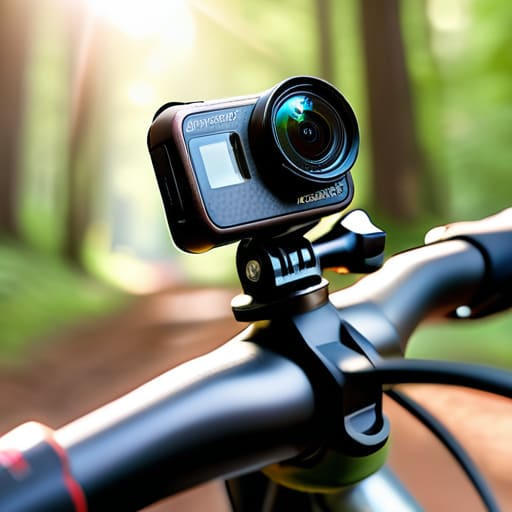
If you’re the type who treats gear like it’s disposable, the DJI Osmo Action series is going to be a breath of fresh air. What I appreciate most about these units is the dual-touchscreen setup. It sounds like a gimmick until you’re trying to frame a shot while the camera is mounted upside down on a bike frame; then, you realize how much sense it actually makes.
Small Footprint, Big Performance
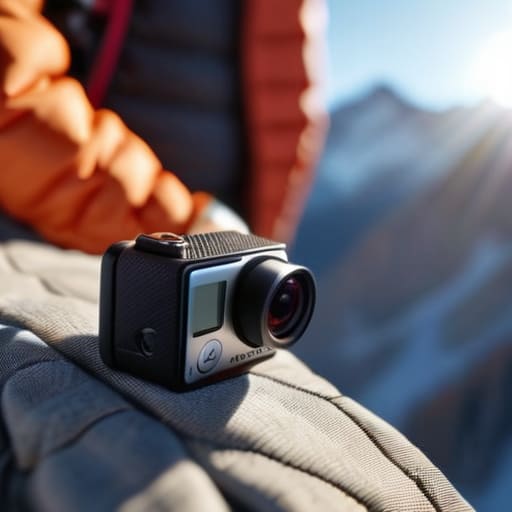
Sometimes you don’t need a bulky brick strapped to your chest, and that’s where the Insta360 GO series comes into play. It’s tiny—almost unnervingly so—but the engineering behind it is quite impressive. It uses a magnetic mounting system that allows you to stick it almost anywhere, which is a clever way to get angles you simply can’t achieve with a traditional camera.
The Professional's Choice for Stability
When I look at the DJI Pocket 3, I see a piece of precision machinery rather than a rugged toy. It uses a mechanical three-axis gimbal, which is a world away from the digital “smoothing” most action cameras use. In my experience, digital stabilization often crops your image and loses detail, but a physical gimbal maintains the integrity of the sensor.
The Budget Option That Actually Holds Up
I generally despise “budget” electronics because they usually end up in a landfill within six months. However, the Akaso Brave series manages to avoid that fate by focusing on the basics. It won’t give you the cutting-edge computational photography of a GoPro, but it provides a solid, functional tool for someone who doesn’t want to drop three hundred dollars on a hobby they might not stick with.
Bottom Line: Don't Get Sold on Specs Alone
Stop obsessing over megapixels and start looking at the casing; if a camera feels like a toy in your hand, it’s going to break the first time it hits the dirt.
A high price tag doesn’t guarantee reliability, so ignore the flashy marketing and focus on whether the battery life and interface actually hold up under real-world use.
Buy the gear that works the way you expect it to—if you need a PhD and a smartphone app just to hit “record,” it’s not a tool, it’s a headache.
My Rule of Thumb for Field Gear
I don’t care how many megapixels a marketing brochure promises you; if the housing feels like a cheap toy and the battery dies the moment the temperature drops, you aren’t buying a camera—you’re buying a paperweight.
Roland Delacroix
Don't Get Fooled by the Marketing Fluff
At the end of the day, picking an action camera comes down to what you actually plan to do with it. If you’re looking for something that can take a beating in the mud without a second thought, stick to the rugged builds we discussed. If you just need decent footage for a weekend hike, don’t feel pressured to drop a grand on a device with features you’ll never touch. I’ve spent enough time looking at blueprints to know that over-engineering isn’t always better; sometimes, the simplest tool is the one that actually stays powered on when the weather turns sour. Focus on the build quality and battery reliability rather than whatever flashy software gimmick the salesperson is trying to push on you.
I know it’s easy to get lost in the spec sheets and the endless stream of “must-have” gadgets, but remember that the camera is just a tool to capture the moment. It’s not the device that makes the memory; it’s the fact that you were actually there to see it. Buy something that works, something that won’t fail you when you’re halfway up a trail, and then put the damn thing away. Go out and actually live the experience instead of spending your whole trip staring at a tiny screen. That’s how you get the best results, I promise you.
Frequently Asked Questions
Do I really need to spend hundreds more on a brand name, or can a cheaper model handle a bit of mud and a drop?
Look, I’ve seen enough “rugged” gear end up in the scrap heap to know the truth. If you’re just filming a casual hike, a budget model might suffice, but there’s a reason the big names charge a premium. It’s not just the marketing; it’s the seals and the chassis integrity. If you expect it to survive real mud and a hard drop, pay for the brand. Cheap plastic cracks; quality builds endure.
How much do these tiny batteries actually last before I'm stuck staring at a dead screen in the middle of a trip?
Look, here’s the reality they don’t put on the shiny box: you’re looking at maybe 60 to 90 minutes of actual recording time before that battery gives up the ghost. If you’re shooting in 4K, expect even less. These tiny cells just can’t hold a charge when the processor is working overtime. Don’t be the guy staring at a dead screen mid-hike. Buy at least two spares and a rugged external charger.
Is the "stabilization" feature actually worth the extra cost, or is it just more software gimmicks that'll fail when things get shaky?
Look, I’ve seen enough “revolutionary” software updates turn into glitches to be wary. But when it comes to stabilization, it isn’t just a gimmick—it’s the difference between usable footage and a headache. Modern electronic image stabilization (EIS) uses sensors to compensate for movement, and frankly, it’s worth the extra coin. Just don’t expect magic; if the hardware is cheap, the software will struggle. Buy a camera with robust, dedicated stabilization if you want steady shots.
