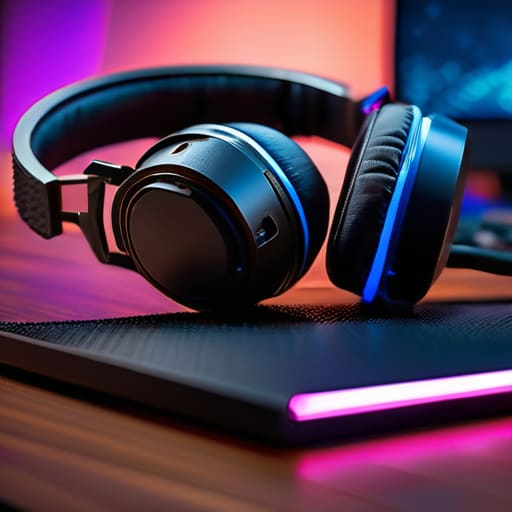
I was sitting at my workbench last Tuesday, tinkering with a vintage Marantz receiver, when my grandson came in complaining that his new “pro-grade” gear had already snapped a hinge. I looked at the thing—a mess of neon lights and flimsy, injection-molded plastic—and I just shook my head. It’s the same story every time I look at the current market for gaming headsets. Companies are spending millions on RGB lighting and software bloatware that requires a PhD to install, yet they can’t seem to engineer a simple headband that won’t crack under normal pressure. It’s a disgrace to good manufacturing, and frankly, it’s a waste of your hard-earned money.
I’m not here to sell you on the latest flashy gimmick or tell you that more decibels equals better immersion. My goal is to cut through the marketing noise and help you find gear that actually lasts. I’ll be looking at the build quality, the driver integrity, and the real-world durability of these devices. If a piece of equipment feels like a toy, I’m going to tell you straight. Consider this your guide to finding gaming headsets that are built to work, not just built to look good on a shelf.
Table of Contents
- Gaming Headset Driver Size Explained Without the Technical Nonsense
- Surround Sound Gaming Peripherals That Actually Deliver Results
- Five Things to Check Before You Hand Over Your Hard-Earned Cash
- Bottom Line: What to Look For Before You Open Your Wallet
- The Real Cost of Cheap Audio
- The Bottom Line on Your Next Purchase
- Frequently Asked Questions
Gaming Headset Driver Size Explained Without the Technical Nonsense
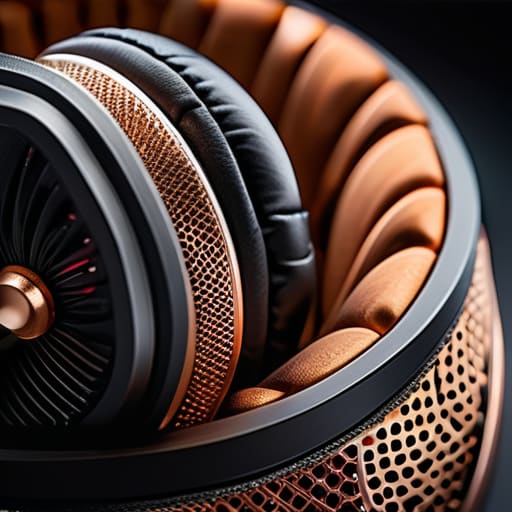
Now, let’s talk about something the marketing departments love to throw numbers at to confuse you: driver size. When you’re looking at a spec sheet, you’ll see measurements like 40mm or 50mm. Most people think a bigger number automatically means better sound, but that’s a rookie mistake. In my experience, a larger driver isn’t a magic wand for quality; it’s just more surface area for moving air.
Think of it like a car engine. A massive engine isn’t necessarily better if the transmission is garbage. A 50mm driver can sound hollow and tinny if the materials are cheap, whereas a well-engineered 40mm driver can deliver much tighter, more accurate audio. If you are searching for the best gaming headsets for competitive play, you aren’t looking for raw volume; you’re looking for clarity and precision. You need to hear a footstep behind you, not just a muddy wall of bass that drowns out the important details. Don’t let a big number on a box trick you into buying a piece of junk.
Surround Sound Gaming Peripherals That Actually Deliver Results

Most manufacturers will try to sell you on “7.1 Virtual Surround Sound” like it’s some kind of magic trick. In my experience, half the time it’s just a software trick that muddies the audio, making it harder to tell if a footstep is coming from your left or your right. If you’re looking for the best gaming headsets for competitive play, you need to look past the marketing buzzwords. You want a setup that provides actual spatial awareness, not just a bloated, echoey mess that sounds like you’re listening to a concert in a tin can.
The real challenge is how that signal gets to your ears. I’ve seen too many people struggle with lag because they rely on standard Bluetooth. If you want to stay untethered without losing your edge, you need to invest in low latency wireless audio technology. A dedicated 2.4GHz USB dongle is non-negotiable here; it ensures the sound reaches you instantly, which is the difference between hearing a reload and getting caught off guard. Don’t settle for anything less than a stable, direct connection.
Five Things to Check Before You Hand Over Your Hard-Earned Cash
- Feel the headband and the ear cups before you buy. If it feels light and hollow like a toy, it’s going to snap in six months. You want something with actual tension and solid construction, not just thin plastic held together by hope.
- Don’t get blinded by “7.1 Virtual Surround Sound” marketing fluff. A lot of these companies slap that label on a cheap stereo driver to charge you an extra fifty bucks. If the drivers themselves are subpar, no amount of software trickery is going to make them sound good.
- Check the cable quality or the wireless latency. I’ve seen too many “high-end” wireless headsets that lag just enough to make a shooter unplayable. If you go wired, make sure the jack is reinforced; I’m tired of seeing frayed wires at the base of the plug after three months of use.
- Test the weight. A headset might have great specs on paper, but if it weighs as much as a brick, you’re going to have a neck ache before your first hour is up. Look for a balanced design that doesn’t put all the pressure on the top of your skull.
- Look past the RGB lights. All those flashing colors don’t make the audio any clearer. I’d rather see a headset with a simple, well-built microphone and decent foam padding than one that looks like a disco ball but sounds like it’s underwater.
Bottom Line: What to Look For Before You Open Your Wallet
Don’t get blinded by fancy marketing terms like “7.1 Virtual Surround”—if the build quality is flimsy and the drivers are cheap, no amount of software trickery will make it sound good.
Prioritize driver size and material over flashy RGB lights; you want hardware that moves air effectively, not a headset that looks like a spaceship but sounds like a tin can.
If it feels like hollow, lightweight plastic in the box, it’s going to snap in six months; look for reinforced headbands and sturdy adjustment points that feel like they were built to last.
The Real Cost of Cheap Audio
“I’ve seen enough flimsy, hollow-sounding plastic in my time to know that a flashy LED light doesn’t make a headset any better; if the drivers aren’t built to handle a decent dynamic range, you’re just paying extra to hear nothing but static and disappointment.”
Roland Delacroix
The Bottom Line on Your Next Purchase
Look, I’ve spent enough time looking at schematics to know that fancy marketing jargon won’t fix a poorly built product. We’ve covered the essentials: don’t get blinded by driver size numbers that don’t mean a thing if the build quality is garbage, and don’t fall for “virtual surround sound” if it just makes everything sound like you’re listening through a tin can. If you want a headset that lasts, you need to prioritize solid construction and clear, honest audio reproduction over RGB lights and software bloatware. Focus on the hardware you can actually feel and hear, rather than the empty promises printed on the side of a colorful box.
At the end of the day, your gear should serve you, not the other way around. You shouldn’t have to fight with a glitchy driver or a snapped headband just to enjoy a game or a bit of music. Buy something that feels substantial in your hands and delivers what it claims to deliver. I’ve seen enough “cutting-edge” tech end up in the junk drawer after six months to know that true value is found in reliability. Stop chasing the hype, do your homework, and invest in a tool that actually works.
Frequently Asked Questions
Is a wireless connection actually going to cause lag during a match, or is it just marketing hype?
Look, I’ve seen enough “cutting-edge” wireless tech fail in the field to be skeptical. But here’s the reality: if you’re buying a dedicated 2.4GHz wireless headset, you aren’t going to notice any lag. It’s fast enough. The real trouble starts when people try to use standard Bluetooth for gaming. That’s where the delay creeps in and ruins your timing. Stick to a proprietary USB dongle, and you’ll be just fine.
How do I know if a headset is actually built to last, or if it’s just going to snap at the headband in six months?
Look for the weight and the flex. Pick it up; if it feels light as a feather, it’s probably hollow plastic. Check the hinges—if they’re just thin plastic joints, they’ll snap the first time you toss them on your desk. I look for metal reinforcement in the headband and thick, braided cables. If the manufacturer hides the build quality behind flashy LED lights, run the other way. Real durability is felt, not seen.
Do I really need to spend hundreds on a high-end brand, or can I get decent sound from something more budget-friendly?
Look, I’ve spent enough time looking at schematics to know that a high price tag doesn’t always equal better engineering. You don’t need to drop three hundred dollars just to hear footsteps in a game. If the build quality is solid and the drivers are decent, a budget headset will do the job. Avoid the flashy, overpriced brands that charge for RGB lights and marketing. Buy for the components, not the logo.
