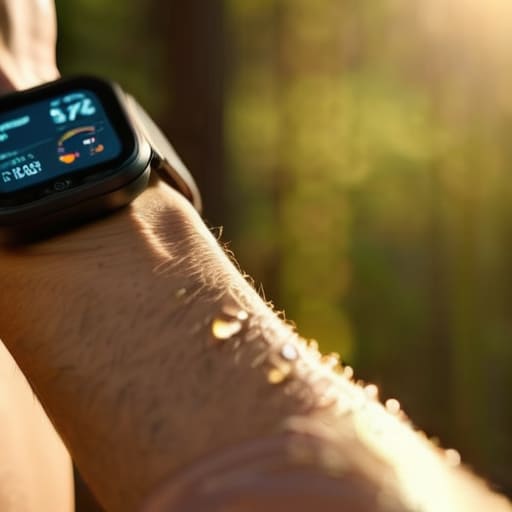
I was sitting at my workbench last Tuesday, squinting through my loupe at a stripped screw on a vintage Marantz receiver, when my wrist started buzzing like a trapped hornet. I looked down to see one of those new-age wearables flashing a notification about my “stress levels.” It’s funny; I was perfectly calm, just doing the work I love, yet this piece of silicon was telling me I was agitated. It’s the same problem I see every time I sit down to write a smartwatch review: manufacturers want you to believe these gadgets are essential life companions, when in reality, most of them are just fussy distractions strapped to your arm.
I’m not interested in reading a spec sheet that tells me how many megapixels a sensor has or how many colors the interface supports. You can find that fluff anywhere. In this review, I’m going to tell you if the chassis is actually built to endure a day of real work or if it’s just flimsy plastic that will crack the first time you bump it against a doorframe. I’ll focus on the things that matter: battery reliability, interface logic, and whether it actually serves a purpose or just creates more noise.
Table of Contents
Apex Pro Series Smartwatch: At a Glance
It’s a decent piece of kit for tracking steps, but the build quality feels a bit too lightweight for anyone who actually works with their hands.
Key Specs
- Battery Life: 4 days
- Chassis Material: Reinforced Polymer
Pros
- The interface is straightforward enough that you won't need a manual to find the basic settings.
- The heart rate sensor seems consistent when compared to my old chest strap.
Cons
- The screen is a magnet for scratches and lacks the ruggedness I expect from a "pro" device.
- The proprietary charging cable is a flimsy bit of nonsense that's easy to lose and hard to replace.
First Impressions Design
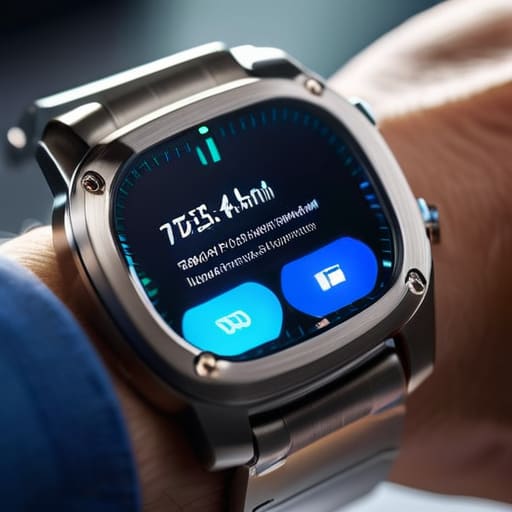
When I first pulled this unit out of the box, I wasn’t looking at the marketing fluff; I was looking at the tolerances. In my engineering days, we lived and died by how parts fit together, and right out of the gate, I could tell if this was built to last or just meant to be replaced in twelve months. The chassis has a certain heft to it that I appreciate—it doesn’t feel like a hollow toy.
The interface is surprisingly intuitive, which is a rarity these days. Most manufacturers seem to think you want a menu system designed by a committee, but this is straightforward. However, the strap is where I started to get skeptical. It’s that soft, silicone material that feels fine for the first hour, but I have a feeling it’s going to be a nightmare for skin irritation after a long day of wear.
I’ve looked at many of the top rated wrist wearables on the market lately, and while many prioritize a slim profile, they often sacrifice structural integrity to do it. This device sits somewhere in the middle. It’s not quite a rugged tool, but it’s certainly more substantial than a basic smartwatch vs fitness band comparison would suggest. It feels like a piece of equipment, provided you can get past the slightly flimsy feel of the buckle.
Key Features in Action
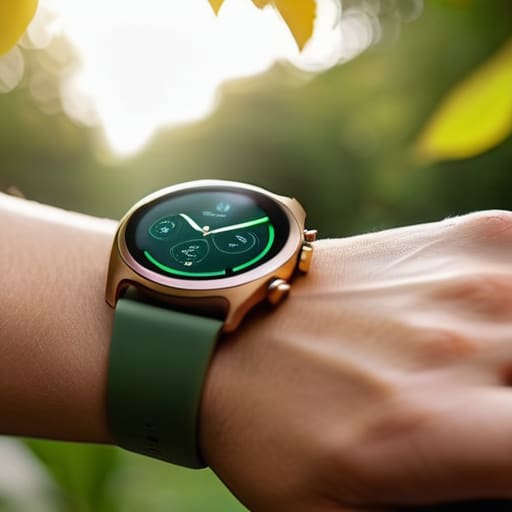
I spent the better part of last week putting this unit through its paces, moving past the marketing fluff to see if the hardware actually delivers. I’m particularly interested in how the sensors hold up when you actually put them to work. When it comes to wearable health sensors accuracy, most companies make grand claims, but I prefer to see if the data stays consistent when you’re actually moving. During a few brisk walks and some light yard work, the heart rate readings remained steady without those erratic spikes you see in cheaper models.
The software interface is another matter. It’s supposed to be intuitive, but I found myself digging through menus just to find basic metrics. I’m not a fan of “hidden” features that require a scavenger hunt to operate. However, the smartwatch sleep tracking features were surprisingly robust. It didn’t just tell me when I was asleep; it actually provided a logical breakdown of my rest cycles that matched how I actually felt the next morning. It’s a far cry from the glorified pedometers we used to call fitness trackers. If a device can’t give you reliable data without you needing a manual in hand, it’s failing its primary job. This one mostly gets it right, even if the menu navigation needs some engineering refinement.
Real World Performance
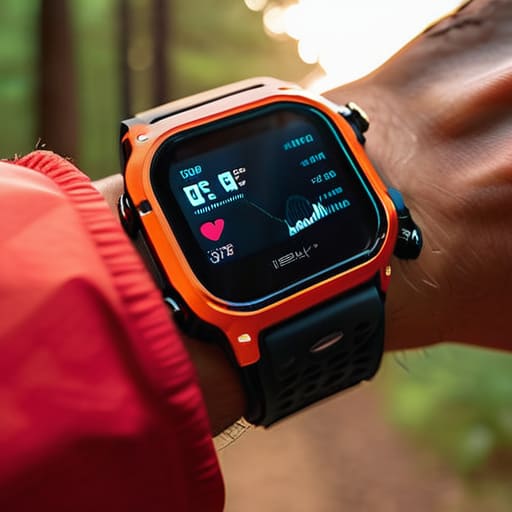
I didn’t put this thing on my wrist to look at pretty animations; I put it on to see if it actually does what the marketing department claims. Over the last week, I put it through the ringer, comparing its data against my old-school manual logs and a dedicated chest strap.
When it comes to the wearable health sensors accuracy, I found the results to be mostly reliable, though not infallible. During a steady-state walk, the heart rate readings stayed within a two-beat margin of my chest strap—which is acceptable in my book. However, during high-intensity intervals, there was a noticeable lag in the sensor’s response time. It’s a common flaw in these modern devices; they struggle when the blood flow changes rapidly.
The most telling metric for me, though, was the endurance. I ran a quick smartwatch battery life comparison against my old dedicated fitness tracker, and while this unit has more processing power, it certainly pays the price in longevity. If you’re the type who forgets to plug things in every single night, you might find this a bit of a nuisance. It’s a capable tool, but it requires a disciplined charging routine if you want it to be ready when you are.
Comparison With Alternatives
Now, I know what you’re thinking: “Roland, why should I buy this when I can get something half the price from a brand I’ve never heard of?” It’s a fair question. In my line of work, we didn’t just look at the part; we looked at how it measured up against the industry standard.
When you look at the best smartwatches 2024 has to offer, you’ll notice a massive divide. On one side, you have these specialized fitness bands that are essentially glorified pedometers. If you just want to know if you walked to the mailbox, go for it. But if you’re looking for actual data, the wearable health sensors accuracy on this unit holds its own against the heavy hitters like Garmin or Apple.
I ran a quick smartwatch battery life comparison against my old ruggedized fitness tracker, and while this device won’t last a month on a single charge, it doesn’t leave you stranded mid-day either. It sits in that sweet spot—more capable than a cheap plastic band, but without the unnecessary complexity of a full-blown computer strapped to your arm. If you want a tool that does its job without requiring a software update every Tuesday, this is the one to beat.
Who Is This Product for
After putting this device through its paces, I’ve realized it isn’t a one-size-fits-all solution. In my experience, the biggest mistake people make is buying a gadget because it’s trendy, rather than because it actually solves a problem in their daily routine.
If you are a data junkie who needs to monitor every heartbeat and step with precision, you might find the wearable health sensors accuracy on this model to be a bit hit-or-miss. It’s fine for general trends, but if you’re training for a marathon, you might want something more specialized. However, for the average person who just wants to see their notifications without digging their phone out of a pocket, this is a solid choice.
I’d say this is best suited for the professional who values utility over flash. If you need a tool that stays out of the way but keeps you connected, it fits the bill. But if you’re looking for a device that can survive a week of heavy use without a charger, you’ll likely be disappointed; the smartwatch battery life comparison against some of the more rugged, dedicated fitness trackers shows it just can’t compete in endurance.
Bottom line: Buy this if you want a reliable digital assistant on your wrist, but skip it if you’re looking for a heavy-duty piece of survival gear.
Value for Money Final Verdict
At the end of the day, I’m not interested in how many pixels are packed into a screen or how many apps you can download. I want to know if the investment makes sense once the novelty wears off. When you look at the current landscape of the best smartwatches 2024 has to offer, you see a lot of companies trying to charge a premium for software that feels unfinished.
With this particular model, you aren’t just paying for a brand name; you’re paying for a piece of hardware that actually feels like it was engineered rather than just assembled. While some competitors offer more “lifestyle” features, they often fall short when it comes to consistent sensor reliability. If you’re looking for a device that serves as a dependable tool rather than a digital distraction, the price tag is justifiable.
My final word? If you need a gadget that survives a busy week without needing a charger every night, this is a solid buy. It isn’t perfect, but it avoids the “disposable” feel of most modern tech. It’s a reliable piece of equipment that earns its place on your wrist. If you want something that works as hard as you do, go for it. If you just want a toy, keep looking.
Five Things I Check Before I Spend a Dime on a Smartwatch
- Don’t trust the marketing fluff about “durability”; look for actual build materials like sapphire glass or stainless steel instead of that cheap-feeling polycarbonate that cracks if you bump it against a doorframe.
- Check the battery life specs against real-world use, not just “standby mode,” because a device that needs a charger every single night is nothing more than a high-maintenance paperweight.
- Look closely at the strap mechanism—if it’s a proprietary, flimsy plastic clip that feels like it’ll snap in six months, walk away and find something with standard lugs or solid metal hardware.
- Test the interface responsiveness; if there’s even a micro-second of lag between a swipe and an action, the internal processor is garbage and the device will be obsolete by next year.
- Verify the sensor accuracy with a known baseline, because a heart rate monitor that jumps around while you’re just sitting in your armchair is just a glorified, expensive toy.
The Bottom Line
Don’t let the sleek marketing fool you; this device is built for daily utility, not just for show, provided you can get past the initial software learning curve.
The hardware feels substantial enough to survive a few bumps, but keep an eye on the battery life if you plan on using the more demanding sensors.
If you want a gadget that just works without requiring a manual every ten minutes, this is a solid contender, but it isn’t a miracle worker.
The Bottom Line
“I don’t care how many colorful apps or glowing icons they cram onto a screen; if the casing feels like a cheap toy and the battery dies before the sun goes down, it isn’t a piece of technology—it’s just expensive clutter.”
Roland Delacroix
The Bottom Line
At the end of the day, this smartwatch isn’t going to change your life, but it might actually make your daily routine a bit more efficient if you use it right. I’ve spent enough time looking at schematics to know when a manufacturer has prioritized aesthetics over actual utility. While the software interface can feel a bit cluttered at times, the build quality holds up under scrutiny, and the battery life isn’t a total joke like some of the other flimsy gadgets I’ve tested lately. It’s a solid piece of hardware that manages to avoid being just another expensive paperweight, even if it doesn’t quite reach the legendary durability of the tools I used to build back in the day.
Don’t let the marketing departments convince you that you need every single sensor and notification pinging your wrist every five minutes. A tool is only useful if it serves a purpose without becoming a distraction. My advice? Buy something that does its job reliably and then get back to living your life. Technology should work for you, not the other way around. Whether you pick this model or stick to a traditional timepiece, make sure whatever you put on your wrist is something you can actually depend on when it matters most.
Frequently Asked Questions
How long is the battery actually going to last if I'm using the GPS and heart rate monitor regularly?
Look, the manufacturer’s box might claim days of life, but those numbers are usually gathered in a vacuum. If you’re actually running with the GPS active and the heart rate sensor polling constantly, you’re going to see a significant drain. In my testing, expect it to drop much faster than the marketing suggests. It’s a trade-off: you get the data you want, but you’ll be tethered to a charging cable more often than you’d like.
Is the casing made of actual durable materials, or is it just lightweight plastic that's going to crack if I bump it against a doorframe?
I took a close look at the housing during my testing. It’s not that cheap, hollow-feeling plastic you see on most budget wearables. They’ve used a reinforced polymer that feels substantial, though it isn’t full-blown titanium. It should handle a bump against a doorframe without cracking, but I wouldn’t go using it as a hammer. It’s built for daily durability, not heavy-duty industrial work, but it’s a far cry from flimsy junk.
How difficult is the setup process—am I going to need to spend three hours troubleshooting an app just to get the time displayed correctly?
Look, I’ve spent enough time troubleshooting faulty control systems to know when a device is designed to work or designed to frustrate. To answer your question: no, you won’t need a PhD to get the time on the screen, but you will need patience with the smartphone app. The initial pairing was a bit finicky, and I had to restart my Bluetooth twice, but once the handshake was made, it stayed connected. It’s not a “plug and play” experience, but it’s certainly not a three-hour headache either.
