I was sitting at my workbench yesterday, cleaning the contacts on a vintage Marantz receiver, when I looked over at my grandson’s desk and saw him struggling with a piece of hardware that looked more like a neon-lit spaceship than a tool. It’s the same story every time I walk into a tech shop lately: companies are trying to sell you “revolutionary” gaming mice that cost more than my first car, all while being wrapped in nothing but flimsy, lightweight plastic. They talk about polling rates and sensor DPI like it’s some kind of magic, but they conveniently forget to mention if the actual scroll wheel is going to snap off after three weeks of heavy use.
I’m not here to recite a spec sheet or parrot the marketing nonsense you see on YouTube. My goal is to cut through the hype and tell you which of these devices actually possess the mechanical integrity required for long-term use. I’ve spent my life analyzing how things are built, and I’m going to apply that same scrutiny to these peripherals. I’ll show you which models offer real precision and which ones are just overpriced toys designed to drain your wallet.
Table of Contents
Optical vs Laser Sensors Cutting Through the Marketing Hype
Now, let’s get down to the brass tacks of what’s actually happening under the plastic shell. When you’re browsing the aisles, you’ll see manufacturers throwing around “laser” like it’s some kind of premium gold standard. Don’t fall for it. In my experience, most of that high-end marketing is just fluff. While laser sensors can track on almost any surface—even a piece of glass—they are notoriously prone to “jitter.” That’s when the cursor skips or behaves erratically because the sensor is too sensitive to the microscopic imperfections of the surface.
If you want precision that actually respects your input, you need to stick with optical vs laser sensors where the optical sensor wins every single time. Optical sensors use a tiny camera and an LED to track movement, providing a much more consistent and predictable signal. It’s about reliability over versatility. You don’t need a sensor that works on a marble countertop; you need one that tracks your hand movements with surgical accuracy on a decent cloth pad. Don’t let them sell you a glorified light bulb when you’re looking for a precision instrument.
Mechanical vs Optical Switches Which One Wont Fail You
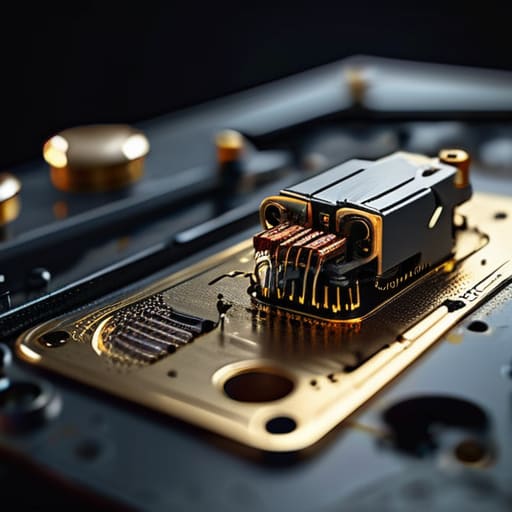
Now, let’s talk about what’s actually happening under the hood when you click. Most manufacturers will try to sell you on the “feel” of a switch, but as an engineer, I care about the failure rate. Traditional mechanical switches rely on metal-on-metal contact to complete a circuit. It’s a tried-and-true method, but it has a fundamental flaw: oxidation and debris. Over time, those tiny metal leaves can get dirty or lose their spring, leading to that dreaded “double-clicking” issue that ruins a perfectly good piece of hardware.
This is where the debate of mechanical vs optical switches becomes vital for your wallet. Optical switches use a light beam to register a click. There is no physical contact required to trigger the signal, which means there’s significantly less wear and tear on the components. From a reliability standpoint, optical is the clear winner because it eliminates the mechanical degradation that plagues cheaper models. If you want a tool that functions the same way on day 1,000 as it did on day 1, invest in optical. Don’t let them sell you on “tactile feedback” if it comes at the cost of longevity.
Five Things to Check Before You Pull the Trigger
- Stop obsessing over DPI numbers. Most of these manufacturers slap a “25,000 DPI” sticker on the box to fool people, but you aren’t moving your hand that fast. Look for sensor accuracy and consistency instead; a sensor that tracks smoothly at a lower setting is worth ten times more than a high-number gimmick.
- Grip your mouse before you buy it. I’ve seen too many folks buy a mouse based on a spec sheet only to realize it feels like a pebble in their hand. Whether you use a palm, claw, or fingertip grip, the ergonomics have to be right, or you’ll be dealing with hand cramps within a week.
- Demand a braided cable. I’m tired of seeing these flimsy, thin rubber cords that tangle the second you move. A decent braided cable offers better durability and less “cable drag,” meaning the mouse actually moves when you want it to, rather than fighting against the wire.
- Check the weight, but don’t go overboard. There’s a trend right now toward “ultralight” mice that feel like hollowed-out shells. While speed is fine, if the mouse feels like a cheap toy, the internal components probably are, too. You want something that feels substantial without being a brick.
- Look for modularity and replaceable parts. If a company makes it impossible to replace a worn-out mouse feet (skates) or a clicking switch, they’re planning for you to throw the whole thing in a landfill in a year. Buy a tool that’s built to be maintained, not discarded.
The Bottom Line: What to Look for Before You Buy
Ignore the RGB lights and flashy marketing; focus your budget on the sensor type and switch durability, as those are the components that actually determine the mouse’s lifespan.
If you want a device that won’t leave you frustrated with double-clicking issues six months down the road, prioritize mechanical switches with a proven track record over unproven “cutting-edge” gimmicks.
Don’t get blinded by high DPI numbers that you’ll never actually use; a reliable, stable sensor is far more valuable than a high-spec number printed on a box to justify a higher price tag.
The Real Cost of a Click
Most of these manufacturers spend more on RGB lighting and flashy software than they do on the actual tension of the springs or the durability of the housing; if you can’t feel the build quality in your palm, you’re just paying for a glorified paperweight.
Roland Delacroix
Don't Get Sold a Lemon
At the end of the day, choosing a gaming mouse shouldn’t feel like navigating a minefield of technical jargon designed to empty your wallet. We’ve looked at how optical sensors provide the precision you actually need without the jitter, and why choosing the right switch is the difference between a tool that lasts years and one that ends up in a landfill after six months. My advice remains the same: stop chasing every flashy RGB light or “pro-grade” label you see on a box. Focus on the build quality and the underlying mechanics. If the weight feels off or the materials feel like cheap, hollow plastic, walk away. You want a piece of hardware that feels like an extension of your hand, not a fragile toy.
I know it’s easy to get swept up in the hype of the latest “revolutionary” release, but remember that reliability is the ultimate spec. A mouse is a tool, and like any good tool, it should serve you faithfully every time you sit down at your desk. Don’t let the marketing departments dictate your purchase; use your own hands and your own common sense to decide what earns a spot on your desk. Invest in something that is built to endure, and you won’t find yourself back here in three months looking for a replacement. Buy it once, buy it right, and get back to the task at hand.
Frequently Asked Questions
Is a high DPI setting actually worth the extra money, or is it just more marketing fluff?
Look, I’ve seen this trick before in manufacturing: they take one tiny spec and crank it up to justify a higher price tag. Most of these mice claim 25,000 DPI, but let’s be honest—you aren’t using that. Unless you’re playing on a screen the size of a billboard, high DPI is just marketing fluff. Focus on sensor accuracy and weight instead. Don’t pay a premium for numbers you’ll never actually touch.
How do I tell if a mouse cable is going to fray and fail in six months?
Look at the jacket, not the marketing. If the cable feels thin and flimsy—like a cheap phone charger—it’s going to fray. I always check the strain relief where the wire meets the mouse body; if it’s a hard, sharp plastic angle, that’s a failure point waiting to happen. You want a braided cable with a bit of weight to it. If it feels like it’ll snap under a slight bend, leave it on the shelf.
Are those heavy, adjustable weights actually useful, or am I just adding unnecessary complexity?
Look, I’ve seen enough over-engineered machines to know that more parts usually just means more points of failure. Those little metal weights are a gimmick for most. Unless you’re a professional player with a very specific, ingrained muscle memory that requires a heavy mouse, you’re just adding unnecessary complexity and clutter. If you want a good mouse, pick one that feels balanced out of the box. Don’t pay extra for a box of lead scraps.
