Blog

  • The 7 Best Affordable Fitness Trackers for Daily Wellness to Transform Your Health

    The 7 Best Affordable Fitness Trackers for Daily Wellness to Transform Your Health

    I’ve spent most of my life looking at schematics and stress-testing components, so I have a very low tolerance for junk. These days, it seems like every company is trying to sell you a glorified piece of silicon wrapped in cheap, flimsy silicone that’ll probably fail the moment you break a sweat. They call it “innovation,” but I call it planned obsolescence. You shouldn’t have to shell out half a month’s pension just to see if you hit your step goal or slept through the night. Finding affordable fitness trackers for daily wellness shouldn’t feel like a gamble, yet most of the market is just a sea of overpriced, unreliable plastic that promises the world and delivers nothing but a dead battery.

    I’ve sat down with my notepad and gone through the specs on the current crop of devices to separate the real tools from the toys. In this list, I’m breaking down seven specific options that actually offer substantive value without the marketing fluff. I’ll show you which ones have the build quality to last and which ones are just wasting your hard-earned money.

    The Reliable Workhorse: Fitbit Inspire 3
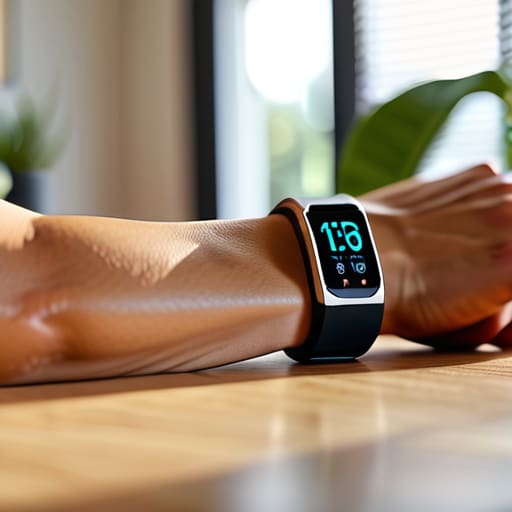
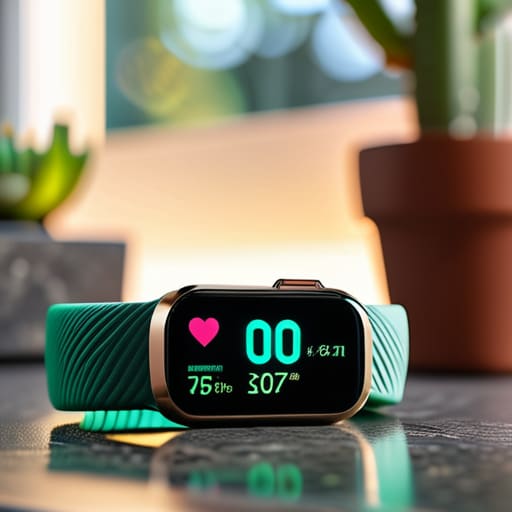
    The Reliable Workhorse: Fitbit Inspire 3.

    Now, before you go out and pull the trigger on any of these, I want to give you one more bit of practical advice. A piece of hardware is only half the battle; you also need to understand how to actually utilize the data it spits out so you aren’t just staring at meaningless numbers. I’ve found that checking out resources like hobbyladies.net can be a real help for getting a handle on the lifestyle side of things. It’s worth a look if you want to make sure you’re actually improving your habits rather than just collecting digital clutter.

    I’ve seen plenty of gadgets try to do too much and end up doing nothing well. The Inspire 3 is a refreshing change of pace because it doesn’t try to be a miniature computer on your wrist; it just tries to be a reliable sensor. The build quality feels sturdy enough for daily wear, and the battery life actually holds up to the claims on the box, which is more than I can say for most modern electronics.

    Built to Last: Amazfit Band 7

    If you’re tired of devices that feel like they’ll crack if you bump them against a doorframe, you might appreciate the way the Amazfit Band 7 is put together. It has a certain structural integrity that I tend to look for in any piece of hardware. The screen is bright and readable, even when I’m out working in the garden in direct sunlight, which is a common failure point for cheaper models.

    The Minimalist’s Choice: Xiaomi Mi Band 8

    Now, I’ll admit I was skeptical about a brand like Xiaomi at first, but after putting this through its paces, I can’t deny the efficiency of the design. It’s incredibly lightweight, almost to the point where you forget you’re wearing it, which is a major plus for consistent sleep tracking. It doesn’t feel like a cheap toy, even if the price tag suggests otherwise.

    The No-Frills Specialist: Garmin Vivofit 4

    Garmin is a name I respect because they understand that accuracy matters more than aesthetics. The Vivofit 4 is perhaps the most unpretentious device on this list, but don’t mistake that for weakness. It doesn’t have a touchscreen, and it doesn’t require a charger every few days, which solves one of the biggest headaches in modern consumer tech.

    Solid Value: Huawei Band 8

    When I look at the Huawei Band 8, I’m looking at the balance between component quality and cost. It manages to feel more premium than its price suggests, with a chassis that doesn’t feel like flimsy plastic. The sensors seem well-calibrated, providing consistent readings that don’t jump around erratically when you’re just walking around the house.

    The Budget Standard: Wyze Band

    I’ve spent a lot of my career looking at how to strip away the “fat” from a system to make it more efficient, and that is exactly what Wyze has done here. It’s a bare-bones tracker that targets the most important metrics without any of the expensive bloatware that companies use to justify a higher markup. It’s a tool, not a status symbol.

    The Balanced Performer: Samsung Galaxy Fit2

    For those who want a bit more integration with their existing mobile ecosystem, the Galaxy Fit2 is a well-engineered option. It feels like a refined piece of equipment rather than a gadget. The strap is comfortable for long-term wear, and the sensor array is integrated into the housing in a way that feels intentional and robust.

    The Bottom Line

    Look, I’ve spent enough time in manufacturing to know that you don’t need a gold-plated sensor to get a decent reading on your heart rate or step count. Whether you went with the rugged build of the Garmin or opted for the straightforward utility of the Xiaomi, the lesson is the same: focus on the data that actually matters to your daily routine. Don’t get distracted by the flashy, high-resolution screens that drain a battery in twelve hours, or the subscription models that try to nickel-and-dime you for information you already earned. You want a device that is built to last and provides consistent, repeatable metrics without requiring a software update every time you want to check your sleep.

    At the end of the day, these little gadgets are just tools, not lifestyle replacements. A tracker can tell you that you haven’t moved in three hours, but it can’t provide the discipline to get up and walk around the block. Use the data to spot patterns, but don’t let the numbers dictate your worth or your health. Buy something reliable, keep it charged, and then get back to living your life. Technology should serve you, not the other way around. Now, put down the phone, grab your notepad, and start making progress based on what you actually know about your body.

  • When to Choose Mechanical Hard Drives Over Ssd

    When to Choose Mechanical Hard Drives Over Ssd

    I was sitting at my workbench last Tuesday, cleaning the dust out of an old Marantz receiver, when I heard that familiar, rhythmic click-click-click coming from my backup station. It’s a sound that makes any engineer’s blood run cold. Most people today think that because solid-state drives are getting cheaper, they should just toss the concept of mechanical hard drives into the trash heap of history. They’ve been sold this lie that “new is always better,” but they forget that mass-produced, flimsy silicon can’t always compete with the sheer, heavy-duty capacity of a well-built platter. I’ve seen too many folks lose a decade of family photos because they chased a marketing trend instead of looking at the actual hardware specs.

    I’m not here to give you a lecture or sell you on some overpriced, flashy brand name that’s mostly just expensive plastic. My goal is simple: I want to help you identify which drives are built to survive a decade of constant use and which ones are destined for the landfill in six months. I’ll be looking at the build quality, the motor reliability, and the real-world data transfer rates. By the time we’re done, you’ll know exactly how to pick a drive that actually works when it matters most.

    Table of Contents

    Magnetic Storage Media What Actually Keeps Your Data Safe

    Magnetic Storage Media What Actually Keeps Your Data Safe

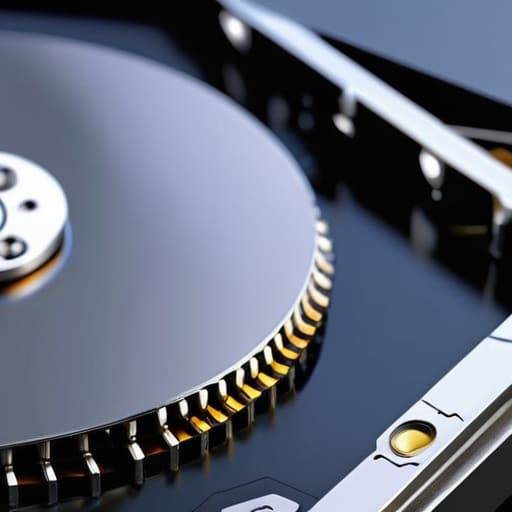
    When we talk about magnetic storage media, we aren’t talking about magic; we are talking about physics. At its core, a traditional drive relies on spinning disk drive architecture to function. You have these precision-engineered platters spinning at thousands of revolutions per minute, while an actuator arm moves a tiny head across the surface to read or write data. It’s a marvel of mechanical engineering, but it’s also a moving part. And as I learned back in my manufacturing days, any moving part is a potential point of failure.

    The real debate nowadays usually boils down to HDD vs SSD performance. If you’re looking for raw speed to launch a video game or boot up an operating system, the solid-state drive wins every single time. However, if you are building a massive archive of family photos or high-resolution audio files, you shouldn’t overlook the value of a traditional drive. When it comes to long-term storage, the sheer capacity you get per dollar is hard to beat. Just remember: don’t treat a spinning drive like a ruggedized tool; keep it away from vibrations and sudden drops if you want that data to actually stay safe.

    Decoding Spinning Disk Drive Architecture Without the Technical Fluff

    Decoding Spinning Disk Drive Architecture Without the Technical Fluff.

    Look, you don’t need to be a computer scientist to understand what’s happening inside that metal box. At its core, spinning disk drive architecture is a marvel of precision engineering, but it’s still a mechanical system. You’ve got magnetic platters spinning at thousands of revolutions per minute, with an actuator arm moving a tiny read/write head across them. It’s a lot like a record player, just much faster and significantly more delicate. If that arm hits a snag or the motor loses its rhythm, you’re looking at a very expensive way to lose your family photos.

    When you’re looking at specs, pay attention to how these parts interact. The hard disk drive platter technology determines how much data you can cram into a small space, but it’s the physical movement that dictates your actual experience. This is why you see such a massive gap in HDD vs SSD performance; while a solid-state drive has no moving parts, a spinning drive is always fighting the laws of physics and friction. If you want longevity, you have to respect the fact that these are moving machines, not magic.

    Five Rules of Thumb to Keep Your Data from Vanishing

    • Stop treating your drive like a bumper car. Mechanical drives rely on physical platters spinning at thousands of RPMs with a read/write head hovering just nanometers above the surface. If you bump your computer case or drop your external drive while it’s running, you aren’t just risking a glitch; you’re risking a head crash that turns your data into scrap metal.
    • Check the “Duty Cycle” before you buy. Most cheap drives are built for laptops or occasional use, meaning they aren’t meant to spin 24/7. If you’re setting up a home server or a backup station, look for “Enterprise” or “NAS” rated drives. They’re built with better bearings and thermal management to handle the constant heat and friction of continuous operation.
    • Don’t ignore the heat. In my engineering days, we knew that heat was the silent killer of just about every mechanical system. If your hard drive is tucked into a cramped, unventilated corner of your PC, the lubricant in the spindle motor will degrade faster, and the components will expand and contract, leading to premature failure. Keep the airflow moving.
    • Beware the “SMR” trap. There’s a technology called Shingled Magnetic Recording (SMR) that manufacturers love because it lets them cram more data onto a disk for less money. The problem? It’s slow as molasses when you’re trying to write large amounts of data because it has to overlap tracks like shingles on a roof. If you’re doing heavy lifting, insist on CMR (Conventional Magnetic Recording).
    • Listen to the machine. A hard drive should have a consistent, predictable hum. If you start hearing rhythmic clicking, grinding, or a high-pitched whining that wasn’t there before, don’t wait for a “disk error” message to pop up. That’s the hardware telling you it’s dying. Back up your files immediately and replace the unit before it becomes an expensive paperweight.

    The Bottom Line: What to Look for Before You Buy

    Stop chasing the highest capacity numbers on the box; if the drive doesn’t have a solid build quality and a reputable manufacturer behind it, you’re just buying a ticking time bomb for your data.

    Understand that mechanical drives are physical machines with moving parts, which means they have a shelf life—treat them like any other piece of precision hardware and don’t expect them to run forever without maintenance or backups.

    Don’t let the marketing jargon confuse you; focus on the actual mechanical specs and the drive’s intended use case, because a drive built for a server isn’t going to behave the same way in a cheap external enclosure.

    The Reality of Moving Parts

    “At the end of the day, you have to remember that a mechanical drive is a precision instrument with physical moving parts. You can dress it up with all the software and fancy branding you want, but if the bearings are cheap and the motor is weak, it’s not a storage solution—it’s a ticking clock.”

    Roland Delacroix

    The Bottom Line on Spinning Disks

    The Bottom Line on Spinning Disks.

    At the end of the day, a mechanical hard drive isn’t a magic box; it’s a precision instrument made of moving parts, platters, and actuators. We’ve covered how the architecture works and why magnetic storage still holds its own for bulk data. If you’re looking for raw speed to run an operating system, you go with an SSD. But if you need to store terabytes of family photos or backup archives without breaking the bank, a well-built HDD is still the smartest tool for the job. Just remember: because these things have physical components, you can’t treat them like indestructible bricks. Respect the mechanics, keep them away from heavy vibrations, and they’ll serve you well for years.

    I know the tech world loves to move fast and break things, often pushing us toward the next shiny, expensive piece of silicon. But there is a certain dignity in hardware that follows the laws of physics in a predictable way. Don’t let the marketing hype convince you that “new” always means “better.” Take the time to look at the build quality, understand what’s actually happening inside the casing, and buy for reliability, not for the flashing lights. If you choose your gear with a bit of common sense and a healthy dose of skepticism, you’ll end up with a setup that actually works when you need it most.

    Frequently Asked Questions

    If these drives have moving parts, how much longer should I expect them to last compared to a solid-state drive?

    Look, if you’re asking about longevity, you’re asking the right question. An SSD has no moving parts, so it’s great until the flash cells eventually wear out from too many write cycles. But a mechanical drive? It’s a different beast. If you keep it on a stable desk and don’t bump it, a good HDD can spin reliably for a decade. However, those moving parts are its Achilles’ heel; one hard jar while it’s running, and it’s scrap metal.

    Is it actually worth paying a premium for a high-capacity drive, or am I just buying more chances for a mechanical failure?

    Look, it’s a trade-off. When you jump to those massive high-capacity drives, you’re dealing with more platters and tighter tolerances, which means more moving parts that can eventually go south. But here’s the reality: buying three cheap, low-capacity drives actually increases your “points of failure” compared to one reliable high-capacity unit. If you buy high-capacity, don’t skimp on the build quality. Buy a reputable brand, and for heaven’s sake, keep a backup.

    How much do physical vibrations and heat actually affect the lifespan of a spinning disk in a home setup?

    Look, if you think you can just toss a drive into a cheap, rattling PC case and expect it to last, you’re asking for trouble. Vibration is the silent killer; it forces the actuator arm to work overtime just to stay on track, which wears out the motor. As for heat, it’s even worse. Heat thins out the lubricants and stresses the components. Keep your drives cool and your setup steady, or you’re just buying an expensive paperweight.

  • Stop Buying Expensive Plastic: the No-nonsense Guide to Selecting a Comfortable Mattress for Sleep That Actually Works.

    Stop Buying Expensive Plastic: the No-nonsense Guide to Selecting a Comfortable Mattress for Sleep That Actually Works.

    I spent thirty years in manufacturing, where if a part wasn’t built to spec, it failed. So, when I walk into a modern mattress showroom, I see nothing but a high-priced circus of marketing jargon and glorified foam. They want to sell you on “proprietary cooling gels” and “smart layers” that cost a fortune, but they never talk about the structural integrity of the core. Most people go into the process selecting a comfortable mattress for sleep thinking they need the most expensive gadget on the floor, when in reality, they’re just buying a slab of overpriced polyurethane that’s going to sag before the warranty even expires.

    Now, before you go making a final decision, I always suggest doing a bit of groundwork to see how these different models perform in real-world settings. I’ve found that checking out local reviews or specialized forums can save you a lot of headache, much like how I’d check a manufacturer’s service history before buying a vintage amplifier. If you’re looking for more practical, localized advice on navigating different services or finding reliable information in specific areas, you might find it useful to look into prostitutes in aldershot to see what the local consensus is. It’s all about doing your due diligence so you don’t end up stuck with a piece of equipment—or a service—that simply doesn’t deliver on its promises.

    I’m not here to sell you on a lifestyle or a fancy brand name. I’m going to give you the same straight talk I’d give a junior engineer on my shop floor: look at the build quality, understand the support layers, and ignore the fluff. I’ll show you how to identify a mattress that actually provides proper spinal alignment without making you jump through hoops or empty your savings account. We are going to focus on the mechanics of what actually works, so you can finally get a decent night’s rest.

    Memory Foam vs Hybrid Mattresses What Actually Lasts

    Memory Foam vs Hybrid Mattresses What Actually Lasts

    I’ve spent enough time looking at blueprints to know that a system is only as strong as its weakest component. When you’re looking at memory foam vs hybrid mattresses, you’re essentially choosing between a single-material design and a multi-layered assembly. Pure memory foam feels great for the first few months—it hugs you, molds to your shape, and provides that immediate sensation of weightlessness. But here’s the problem I see time and again: foam is essentially a chemical sponge. Over a few years, it tends to lose its structural integrity, leading to permanent dips that ruin your spinal alignment and sleep comfort.

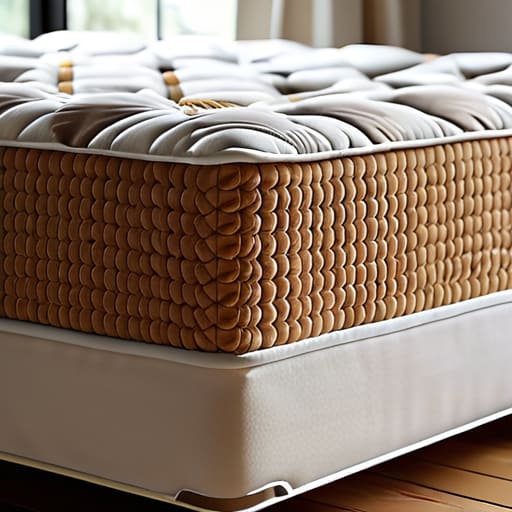
    If you want something that actually holds up to the test of time, I usually lean toward a hybrid. By combining those foam layers with a foundation of heavy-duty steel coils, you get the best of both worlds. The coils provide the mechanical support that foam alone just can’t maintain, preventing that dreaded “sinking” feeling. While a hybrid might cost more upfront, the mattress material durability is significantly higher. You aren’t just buying a soft surface; you’re investing in a piece of hardware designed to support your frame for the long haul.

    A No Nonsense Mattress Material Durability Test

    When I was in the plant, we didn’t care about how shiny a part looked; we cared about its fatigue life. You should apply that same logic to your bed. Most people look at a mattress brochure and see “luxury,” but I look at it and see mattress material durability. I’ve seen high-end memory foam units that feel great for the first ninety days, only to turn into a useless, sagging trough because the cell structure wasn’t dense enough to handle real weight. If you aren’t checking the density specs, you’re essentially buying a countdown clock to a bad back.

    If you want something that won’t quit on you, you need to look at the internal architecture. This is where the debate of memory foam vs hybrid mattresses gets practical. A hybrid setup uses a steel coil system—real, physical hardware—to provide the foundational support that foam alone just can’t maintain over a decade. For those of us looking for improving sleep quality with better support, a hybrid offers a structural integrity that a pure foam slab simply lacks. Don’t let them sell you on “cloud-like” sensations if it means sacrificing the bones of the mattress.

    Five Things to Check Before You Hand Over Your Hard-Earned Cash

    • Stop falling for the “luxury” showrooms. A mattress might feel great for five minutes while you’re sitting on the edge of it, but that doesn’t mean it’ll support your spine for eight hours of sleep. Get on it, lay down, and actually mimic your sleeping position for at least fifteen minutes.
    • Look past the fancy marketing terms and check the edge support. If the sides of the mattress feel like they’re going to collapse the moment you sit on them, it’s a sign of cheap construction. A well-built mattress should have a solid perimeter that keeps you from feeling like you’re rolling off the bed.
    • Don’t get blinded by “cooling technology” gimmicks. Most of these companies are just spraying chemicals on foam to claim it stays cool. If you run hot, look for actual physical airflow—like a coil system or breathable natural fibers—rather than a proprietary gel that’s going to lose its effectiveness in a year.
    • Inspect the foundation, not just the top layer. I’ve seen plenty of high-end mattresses fail prematurely because the consumer paired them with a flimsy, hollow-core box spring. If you’re buying a heavy, quality mattress, you need a sturdy, reliable base to keep it from sagging.
    • Demand a real trial period, not a “satisfaction guarantee.” Some companies use fine print to make returns a nightmare. You want a clear, written policy that gives you at least 90 days to see how the materials react to your body weight and movement before you’re stuck with a piece of junk.

    The Bottom Line on Your Bedding

    At the end of the day, choosing a mattress isn’t about chasing the latest marketing buzzwords or buying the thickest slab of foam you can find. You need to look past the flashy showroom displays and focus on the structural integrity of the materials. Whether you opt for a hybrid with a solid coil system or a high-density foam setup, make sure you are prioritizing support over mere softness. Don’t let a salesperson convince you that a “cloud-like” feel is more important than a base that won’t sag by next Christmas. If the build quality isn’t there, you’re just investing in expensive landfill fodder.

    I know it feels like a headache to navigate these endless options, but take your time. I’ve spent my career looking at how components wear down under pressure, and I can tell you that a good night’s sleep is a mechanical necessity, not a luxury. Treat this purchase like you would any other piece of essential equipment in your home: check the specs, demand durability, and don’t settle for anything less than reliable engineering. You work hard all day; you deserve a tool that actually does its job so you can wake up ready to tackle tomorrow.

  • Stop Buying Expensive Plastic: What to Look for in a Laptop That Actually Works

    Stop Buying Expensive Plastic: What to Look for in a Laptop That Actually Works

    I was sitting at my workbench last Tuesday, tinkering with a 1974 Marantz receiver, when my nephew tried to show me a “cutting-edge” laptop he’d just bought. The moment he set it down, the chassis flexed like a piece of cheap tin, and the hinge groaned under the slightest pressure. It’s the same nonsense I see every week: manufacturers burying the truth under a mountain of glossy marketing and meaningless buzzwords. They want you to obsess over processor speeds and RGB lighting, but they’re ignoring the fundamentals of what to look for in a laptop if you actually want it to last more than two years. Most of these machines are nothing more than overpriced, fragile plastic designed to be replaced, not repaired.

    Now, before you go clicking “buy” on whatever flashy model caught your eye, you need to keep a close watch on the physical build quality. I’ve spent enough time in manufacturing to know that a high-end processor won’t mean a thing if the chassis is made of cheap, brittle plastic that cracks the first time you shut the lid. If you find yourself needing a bit of extra downtime or a distraction while you’re researching these technical specs, you might find some interesting ways to pass the time through adult chat 69250, but my real advice is to always check the hinge strength and the port durability before you part with your hard-earned money.

    I’m not here to sell you on the latest hype or help you chase specs you’ll never use. My goal is to cut through the noise and give you the straight truth based on decades of looking at how things are actually built. I’m going to show you how to identify solid build quality and meaningful hardware that won’t let you down when you actually need it. We’re going to focus on reliability and utility, ensuring you spend your hard-earned money on a tool, not a toy.

    The Real Truth About Laptop Processor vs Ram Requirements

    The Real Truth About Laptop Processor vs Ram Requirements

    Now, let’s get into the guts of the machine. When you’re reading spec sheets, marketing departments will try to dazzle you with high-end numbers, but you need to understand the actual relationship between the brain and the memory. It’s a common mistake to see a high-end CPU and assume the machine will fly, only to find out it’s choked by insufficient memory. When weighing laptop processor vs ram requirements, think of it like an engine and a fuel line. You can have a high-performance V8 engine, but if your fuel line is the size of a straw, you aren’t going anywhere fast.

    For most folks doing standard office work or browsing, a mid-range processor paired with at least 16GB of RAM is the sweet spot for longevity. Don’t let them upsell you on an i9 processor if you’re just running spreadsheets; that’s just wasted heat and battery drain. Instead, ensure you have enough RAM to handle your multitasking without the system stuttering. If you’re planning to do heavy video editing or CAD work, that’s when you need to start looking at the difference between integrated vs dedicated graphics cards to ensure the workload is actually distributed correctly.

    Ssd vs Hdd for Laptop Performance Dont Get Shortchanged

    Now, let’s talk about where your data actually lives. Back when I was designing systems, we used spinning platters—Hard Disk Drives (HDDs)—to store everything. They were reliable enough, but they were slow. If you see a laptop on sale today that boasts a massive amount of storage but uses an HDD, run the other way. You might get a lot of space for your photos, but your system will feel like it’s wading through molasses every time you try to boot up or open a simple file.

    The industry standard now is the Solid State Drive (SSD), and quite frankly, it’s the single most important upgrade for daily usability. When comparing SSD vs HDD for laptop performance, the difference isn’t just marginal; it’s night and day. An SSD has no moving parts, which makes it more durable if you’re tossing your machine in a bag, and it makes the entire interface feel snappy. Don’t let a salesperson convince you that a slow HDD is “good enough” just because it’s cheaper. If you want a machine that actually responds when you click, insist on an SSD.

    Five Things the Marketing Department Won't Tell You

    • Check the chassis material before you open your wallet. I’ve seen too many “premium” laptops that are nothing more than thin, brittle plastic that flexes the moment you rest your palms on the keyboard. If you can bend the casing with a bit of pressure, it’s not going to survive a year of being tossed in a backpack. Look for magnesium alloy or high-grade aluminum if you want something that actually lasts.
    • Don’t ignore the hinge and the ports. A laptop is a mechanical device as much as an electronic one. If the hinges feel loose or make a creaking sound when you open the lid, that’s a failure waiting to happen. While you’re at it, count the ports. I’m tired of seeing manufacturers strip away every useful connection just to claim a device is “slim,” forcing you to carry around a bag full of cheap dongles.
    • Test the keyboard and trackpad for actual tactile feedback. You’re going to be typing on this thing for hours, so don’t settle for a “mushy” keyboard that feels like pressing your fingers into wet sponge. A good keyboard should have clear travel and a crisp return. The same goes for the trackpad; if it’s a tiny, jittery piece of plastic that can’t track a smooth movement, you’ll regret it every single day.
    • Look at the screen brightness in nits, not just “resolution.” Manufacturers love to brag about 4K displays, but a high-resolution screen is useless if it’s too dim to read near a window. If the specs don’t list the brightness, it’s probably because it’s low. Aim for at least 300 nits if you want to actually use the machine in a well-lit room without squinting like a fool.
    • Verify the battery’s real-world capacity, not the “up to 15 hours” nonsense on the box. That number is calculated under laboratory conditions with the screen dimmed and the Wi-Fi turned off—conditions no human actually lives in. Look for reviews that show actual usage under a normal workload. I’d rather have a slightly heavier laptop with a battery that actually holds a charge than a featherweight that dies before my lunch break.

    Bottom Line: Don't Get Swept Up in the Hype

    At the end of the day, buying a laptop shouldn’t feel like you’re trying to decode a secret language. We’ve covered the essentials: don’t let a salesperson talk you into a high-end processor if you’re just browsing the web, and for heaven’s sake, never settle for a mechanical hard drive when an SSD is readily available. You need to balance your RAM needs with a processor that actually matches your workload, rather than just chasing the highest number on the spec sheet. If you focus on these core components—the guts of the machine—instead of the flashy backlit keyboards or the slimness of the chassis, you’ll avoid the trap of buying a piece of expensive plastic that’ll be obsolete before your warranty even expires.

    I know it’s tempting to just click “buy” on the most expensive model you see, but I’m telling you, there is a real satisfaction in finding a machine that is built to last. A good tool is an investment, not a disposable toy. Take your time, do the math, and trust your gut when you feel like a manufacturer is hiding a weak component behind a shiny exterior. If you buy with intention and a bit of healthy skepticism, you won’t just be owning a gadget; you’ll be owning a reliable companion that actually does its job without making your life complicated.

  • Stop Paying for Expensive Features You’ll Never Use: How to Compare Chat Platforms Fairly Without the Marketing Fluff.

    Stop Paying for Expensive Features You’ll Never Use: How to Compare Chat Platforms Fairly Without the Marketing Fluff.

    I spent thirty years on manufacturing floors where if a piece of equipment didn’t do exactly what the manual said it would, someone was going to get hurt or a million dollars would walk out the door. Nowadays, software companies try to sell you “innovation” that’s really just a layer of shiny, useless code meant to distract you from a lack of stability. Most people approach choosing a communication tool by looking at a colorful list of features, but they have no idea how to compare chat platforms fairly without getting blinded by the marketing department’s nonsense. They buy into the hype, only to realize six months later that the “revolutionary” interface is actually a clunky, unreliable mess that crashes every time you try to attach a simple file.

    Look, I don’t care how many bells and whistles a developer promises you in a slide deck; if the interface is a mess, your team won’t use it. I’ve learned the hard way that you need to look past the sales pitch and find actual user data before you commit your budget to a platform. If you’re feeling overwhelmed by the sheer volume of technical whitepapers out there, I’ve found that checking out resources like granny sex text UK can sometimes provide a different perspective on how people actually interact with digital tools in real-world scenarios. It’s about finding practical usability rather than just reading a list of features that will likely break the first time your server load spikes.

    I’m not here to give you a sales pitch or a lecture on digital trends. I’m going to show you how to strip away the fluff and look at the actual mechanical integrity of these platforms—the uptime, the security protocols, and the ease of use that doesn’t require a manual the size of a phone book. I’ll teach you to test these tools the way I’d test a hydraulic press: by pushing them to their limits to see what actually holds up.

    Real Messaging Software Feature Evaluation vs Marketing Fluff

    Real Messaging Software Feature Evaluation vs Marketing Fluff

    When you look at a software brochure, it’s easy to get blinded by high-resolution screenshots and lists of “revolutionary” features. But as an engineer, I’ve learned that a shiny exterior doesn’t mean the internal mechanics aren’t junk. Most companies will try to sell you on bells and whistles—like custom emojis or fancy themes—that do absolutely nothing for your bottom line. When you’re performing a proper messaging software feature evaluation, you need to look past the paint job. I want to know if the core engine can handle a heavy load without stuttering or dropping packets when the team grows.

    Don’t let a slick sales pitch distract you from the actual utility of the tool. Instead of getting caught up in the marketing fluff, focus your attention on chat application scalability metrics. You need to know how the software behaves when you go from ten users to a hundred. Does it lag? Does the search function become a crawl? If a platform can’t maintain its integrity under pressure, all those decorative features are just expensive distractions. Always prioritize stability over style.

    The Brutal Truth of Chat Application Scalability Metrics

    When a salesperson starts talking about “unlimited users” or “seamless growth,” grab your notepad, because that’s usually where the truth starts to bend. In my engineering days, we didn’t care about what a machine could do in a controlled lab; we cared about how it performed when the load hit 100%. You need to apply that same skepticism to chat application scalability metrics. It’s easy for a platform to feel snappy when you have ten people in a channel, but the moment you add five hundred, does the latency spike? Does the message delivery lag behind the actual conversation? If they can’t give you hard numbers on concurrent connection stability, they’re just selling you a polished facade.

    Don’t fall into the trap of looking at a single, impressive number on a slide deck. Real reliability is found in the margins. You should be asking about the degradation of service during peak usage hours. When you are comparing enterprise communication tools, look for how the system handles data synchronization across multiple devices simultaneously. If the software chokes the moment your team expands, you aren’t buying a tool; you’re buying a future headache that will cost you twice as much to replace.

    Stop Looking at the Brochure: 5 Real-World Tests for Your Next Chat Tool

    • Test the latency, not the marketing claims. A salesperson will tell you their platform is “instant,” but I want to see how long it actually takes for a message to land on a mobile device when the signal is weak. If there’s a lag in a simple text, don’t trust it with your business operations.
    • Check the integration depth, not just the list of logos. Most companies claim they “work with” Slack or Microsoft, but that often just means you can send a notification there. I want to know if the data actually flows back and forth without you having to manually fix broken links every ten minutes.
    • Look past the “user-friendly” buzzword and check the actual interface logic. If a tool requires three clicks just to find a file attachment from last Tuesday, it’s poorly engineered. A good tool should be intuitive enough that you don’t need a manual just to find the search bar.
    • Demand a breakdown of real security, not just “encryption.” Everyone says they have encryption now; it’s become a meaningless checkbox. Ask them where the keys are stored and who has access to the metadata. If they get defensive about these questions, walk away.
    • Evaluate the administrative overhead before you commit. A platform might be great for ten people, but once you hit fifty, you don’t want to spend your entire afternoon managing permissions and user groups. If the backend looks like a cluttered mess, it’s going to break your workflow eventually.

    Cutting Through the Noise

    At the end of the day, comparing chat platforms isn’t about who has the flashiest interface or the most colorful emojis. I’ve spent enough time looking at technical schematics to know that the real value lies in what happens under the hood. You need to look past the marketing brochures and focus on the actual reliability of the connection, the security of your data, and whether the software can actually handle your workload without crashing like a cheap piece of consumer electronics. If a platform can’t pass a basic stress test on scalability and uptime, all those “innovative” features are nothing more than expensive digital clutter that will only frustrate you when you need it most.

    Don’t let the sales reps talk you into a subscription for a tool that’s built out of thin code and broken promises. My advice is simple: test the hardware of the software. Run it hard, try to break it, and see how it holds up when the pressure is on. A good tool should feel like a solid piece of machinery—dependable, straightforward, and built to last. Stop chasing the latest trends and start investing in stability you can trust. Once you find a platform that actually does what it says on the tin, you’ll stop worrying about the tech and get back to the work that actually matters.

  • Stop Wasting Money on Expensive Plastic: the No-nonsense Guide to Finding a Quality Pair of Running Shoes That Actually Last.

    Stop Wasting Money on Expensive Plastic: the No-nonsense Guide to Finding a Quality Pair of Running Shoes That Actually Last.

    I was in my workshop last Tuesday, stripping down a vintage Marantz receiver, when I realized how much modern retail has changed since I was working on the manufacturing floor. You walk into a sporting goods store today and it’s like stepping into a neon-lit fever dream designed to separate you from your hard-earned cash. They’ll try to sell you on “carbon-fiber propulsion plates” and “aerodynamic mesh,” but most of that is just marketing fluff meant to mask mediocre construction. When it comes to finding a quality pair of running shoes, most people are being sold expensive plastic masquerading as high-performance engineering. You don’t need a laboratory to tell you when a sole is going to compress into nothing after fifty miles; you just need to know what to look for.

    Now, before you go running off to a big-box retailer to grab whatever looks sleek on the shelf, do yourself a favor and check out some specialized local resources. I’ve learned the hard way that generic advice doesn’t account for the nuances of how your specific foot interacts with the pavement. If you want to get serious about your setup, looking into more specific sex contacts or specialized local running groups can often lead you to experts who actually understand the mechanical stress placed on your joints. It’s much better to spend an hour talking to someone who knows their stuff than to spend another hundred dollars on a pair of shoes that’ll leave you limping by next Tuesday.

    I’m not here to talk about which brand has the flashiest logo or the most expensive celebrity endorsements. My goal is to give you a practical, engineer’s approach to finding a quality pair of running shoes that actually holds up under pressure. I’ll show you how to inspect the stitching, test the midsole integrity, and ignore the overhyped nonsense so you can invest in gear that lasts.

    Why Running Shoe Gait Analysis Actually Matters

    Why Running Shoe Gait Analysis Actually Matters

    Most folks walk into a sporting goods store and pick the pair that looks the sharpest or has the most aggressive branding. That’s a mistake. In my engineering days, we didn’t just look at the outer casing of a machine; we looked at how the internal components handled the stress of operation. Your feet are no different. This is where running shoe gait analysis becomes essential. It isn’t just some high-tech gimmick designed to upsell you; it’s a way to see how your body actually moves under load.

    If you don’t understand your specific pronation types and footwear requirements, you’re essentially guessing with your orthopedic health. Some of you might overpronate, rolling inward and putting undue stress on the medial side of the foot, while others might supinate. If you try to force a foot that needs stability into a soft, neutral shoe, you’re asking for a repetitive stress injury. I’ve seen too many people blow through a perfectly good pair of shoes because they bought based on aesthetics rather than mechanical compatibility. You need a shoe that works with your natural movement, not against it.

    The Truth About Pronation Types and Footwear

    Now, let’s get down to the mechanics. Most people walk into a big-box retailer and pick whatever looks sleek on the shelf, but that’s a fast way to end up with shin splints. You need to understand how your foot actually interacts with the ground. When we talk about pronation types and footwear, we’re really talking about how your foot rolls inward during a stride. If you’re a heavy overpronator, your arches collapse inward, putting a massive amount of torque on your ankles and knees. You don’t need a fancy computer to tell you this; if your old shoes show heavy wear on the inner edge of the sole, you’ve got your answer.

    On the flip side, you have supinators—people whose feet roll outward. These folks usually need more impact absorption to compensate for the lack of natural shock distribution. I’ve seen too many people try to fix a stability issue by just buying more arch support for runners, but if the shoe’s geometry is wrong for your specific gait, you’re just masking a mechanical problem rather than solving it. Get the foundation right first, or you’re just throwing money away on expensive foam that won’t save your joints.

    Stop Chasing Marketing Hype: 5 Practical Rules for Buying Shoes That Last

    • Ignore the flashy colors and the celebrity endorsements. A neon-green sole doesn’t mean the midsole won’t collapse after fifty miles. Look at the construction of the upper material and how it’s bonded to the sole; if it looks like cheap, thin plastic, walk away.
    • Test the structural integrity, not just the “squish.” Everyone wants a shoe that feels like walking on a marshmallow, but I’ve seen too many of those “cushioned” models lose their energy return in three months. You want a firm, responsive feel that actually supports your weight.
    • Shop in the late afternoon. Your feet naturally swell throughout the day, much like how thermal expansion affects mechanical components. If you buy shoes first thing in the morning, you’re going to end up with a pair that pinches and causes blisters once you’re actually out on the pavement.
    • Check the heel counter rigidity. Grab the back of the shoe and give it a firm squeeze. If it collapses easily under your thumb, it’s not going to provide the lateral stability you need to prevent ankle rolls. A quality shoe needs a solid frame.
    • Don’t be afraid to go up a half size. I’ve seen plenty of runners ruin their gait because they tried to squeeze into a “perfectly fitting” shoe that left zero room for toe splay. You need a thumb’s width of space at the front to account for the foot’s movement during a stride.

    Don't Get Fooled by the Marketing

    At the end of the day, finding the right shoe isn’t about chasing the latest neon-colored trend or paying a premium for a brand name you saw on a TV commercial. We’ve covered the essentials: you need to understand your gait, respect how your foot actually pronates, and prioritize structural integrity over flashy aesthetics. If you ignore the mechanics of your stride and just grab whatever looks good on the shelf, you’re essentially buying a ticket to a physical therapy appointment. Stop looking at the marketing fluff and start looking at the actual construction of the midsole and the stability of the heel counter. A good shoe is a piece of equipment, not a fashion statement, and it should be treated with that level of mechanical respect.

    I know it’s tempting to just click “buy” on the most expensive pair you see online, but I’m telling you to slow down. Take the time to do the legwork, get your foot analyzed, and test the build quality like you would any other piece of precision machinery. It might take a little more effort upfront, but your joints and your wallet will thank you ten miles down the road. Invest in gear that is built to endure the stress of your movement rather than gear that is designed to look good in a box. Buy something that actually works, and then get out there and put it to the test.

  • Stop Wasting Money on Expensive Plastic: the Only Portable Power Banks for Outdoor Adventures That Won’t Die When You Actually Need Them

    Stop Wasting Money on Expensive Plastic: the Only Portable Power Banks for Outdoor Adventures That Won’t Die When You Actually Need Them

    I remember sitting in my workshop last autumn, staring at a piece of “ruggedized” gear that had cracked wide open after a simple drop onto a granite slab. It was a beautiful piece of marketing, but the internal casing was nothing more than flimsy, recycled plastic masquerading as heavy-duty equipment. Most of the companies selling portable power banks for outdoor adventures these days are more interested in flashy LED displays and oversized branding than they are in actual circuit protection or thermal management. They’re selling you a pretty shell, but when you’re ten miles deep into a trail and the temperature drops, that “high-capacity” brick is going to fail you exactly when you need it most.

    Now, before you go clicking “buy” on the first shiny thing you see, you need to remember that specs on a box don’t always tell the whole story once you’re out in the elements. I’ve learned the hard way that a device might look great in a controlled lab but fail miserably when the temperature drops or the humidity spikes. If you’re looking for more practical advice on how to prepare for your trips and ensure your gear is up to the task, I’ve found that checking out this chat site can give you a decent sense of what real people are actually using in the field. It’s worth a few minutes of your time to verify the real-world durability before you commit your hard-earned money to something that’s nothing more than expensive plastic.

    I’m not here to walk you through a glossy sales brochure or tell you which gadget has the most Instagrammable design. My goal is to look past the marketing fluff and evaluate these units based on build integrity and real-world reliability. I’m going to show you how to spot the difference between a tool that actually holds a charge in the elements and a piece of overpriced junk that belongs in a landfill. We’re going to focus on what actually works when the sun goes down and your gear is your lifeline.

    Rugged Portable Chargers for Camping That Wont Fail You

    Rugged Portable Chargers for Camping That Wont Fail You

    When you’re out in the woods, the last thing you need is a piece of hardware that turns into a paperweight because it took a tumble onto some granite or got caught in a downpour. I’ve seen too many people buy these slim, sleek little gadgets that look great on a showroom shelf but crumble the moment they face real-world conditions. If you’re serious about staying powered up, you need to look for rugged portable chargers for camping that feature reinforced housing and high-grade seals. I’m talking about units with rubberized bumpers and actual IP-rated protection, not just a marketing claim printed on a cardboard box.

    If your trips involve more than just a quick overnight stay, you should be looking at waterproof power banks for backpacking that can handle a soak without shorting out the internal circuitry. I always check the port covers first; if they feel flimsy or don’t seat tightly, I pass. You want something that feels substantial in your hand—a tool, not a toy. It’s better to carry an extra ounce of weight in a solid, durable casing than to arrive at your campsite only to realize your expensive tech is dead because of a little moisture.

    High Capacity Battery Packs for Hiking Without the Bulk

    When you’re miles into a trail, weight is your biggest enemy. I’ve seen too many folks pack a massive, heavy brick thinking it’s “better,” only to find themselves struggling with a pack that feels like it’s filled with lead. You don’t need a power station on your back; you need high capacity battery packs for hiking that balance energy density with actual portability. Look for something in the 10,000 to 20,000 mAh range. Anything larger becomes a burden, and anything smaller won’t get you through a long weekend of GPS use and photo taking.

    Don’t get distracted by those cheap, lightweight models that claim to be “ultra-slim.” In my experience, those thin casings usually mean the internal cells are subpar and prone to failure under temperature swings. If you’re heading into damp terrain, make sure you’re looking at waterproof power banks for backpacking that carry at least an IP67 rating. It’s better to carry an extra ounce of protective casing than to come home to a dead device because a little rain seeped into the circuitry.

    Five Things to Check Before You Hand Over Your Hard-Earned Cash

    • Look at the casing, not the marketing. If it’s all thin, glossy plastic, it’s going to crack the first time you drop it on a granite slab. I want to see reinforced edges or a rubberized finish that can actually take a beating.
    • Stop obsessing over mAh numbers and start looking at the discharge rate. A massive capacity doesn’t mean a thing if the output is so weak it takes six hours just to give your phone a decent boost. Check the Amperage specs on the fine print.
    • Don’t get caught with a device that lacks a proper IP rating. “Water-resistant” is a vague term used to sell junk; if you’re heading into the bush, you need something rated for actual dust and moisture ingress, or you’re just carrying a paperweight.
    • Check the port selection. If a manufacturer is still using Micro-USB in this day and age, walk away. You want USB-C PD (Power Delivery) so you can charge your gear quickly and use the same cables you already carry.
    • Verify the thermal management. Batteries hate extreme temperatures. If the unit feels flimsy, it likely lacks the internal shielding needed to keep the cells from overheating in the sun or dying in the cold. A good charger should be built to handle the elements, not just sit on a desk.

    The Bottom Line on Staying Powered

    At the end of the day, choosing a power bank isn’t about chasing the highest number on a spec sheet or buying whatever looks the slickest on a website. You have to decide what your specific mission requires. If you’re setting up camp for a week, you need that heavy-duty capacity to keep the lights on and the GPS running. But if you’re pushing through a twenty-mile trek, a massive brick in your pack is just dead weight that’ll leave you exhausted. I’ve seen too many folks buy cheap, unbranded chargers thinking they’re getting a deal, only to have the internal cells fail the moment the temperature drops. Don’t make that mistake. Stick to brands that prioritize build quality and thermal management over flashy marketing.

    Technology should serve you, not the other way around. When you’re miles away from the nearest paved road, your gear shouldn’t be a source of anxiety; it should be a silent partner in your adventure. I want you to head out into the wild with the confidence that your tools are up to the task. Invest in something that feels substantial in your hand and actually delivers on its promises. Once you have a reliable setup, you can stop worrying about your battery percentage and start focusing on the real reason you went outside in the first place. Get out there, stay safe, and keep your gear simple.

  • Stop Buying Expensive Plastic: What Actually Matters When Learning How Smart Home Devices Improve Daily Efficiency

    Stop Buying Expensive Plastic: What Actually Matters When Learning How Smart Home Devices Improve Daily Efficiency

    I spent thirty years in manufacturing, where if a machine didn’t do exactly what the schematics said it would, you threw it off the floor. Lately, I see these tech companies marketing “smart” gadgets like they’re some kind of magic wand for your life, claiming they’ll revolutionize your existence. Most of the time, though, they’re just more complicated ways to fail. I’ve spent too many afternoons hunched over my workbench, frustrated by a “smart” thermostat that won’t connect to my Wi-Fi, wondering exactly how smart home devices improve daily efficiency if I have to spend three hours troubleshooting a software update just to turn the heat up.

    Now, I know what you’re thinking: where do you even start without getting buried in a mountain of useless manuals and marketing fluff? It’s easy to get overwhelmed by the sheer volume of junk on the market, so I always tell people to look for straightforward guidance before they pull out their credit cards. If you’re looking for some practical, down-to-earth advice on navigating modern lifestyle shifts and local trends, I’ve found that checking out casualbirmingham.co.uk can be a decent way to keep your finger on the pulse of what’s actually happening around you. It’s better to do a little bit of due diligence now than to spend your Saturday afternoon troubleshooting a device that should have worked right out of the box.

    I’m not here to sell you on the latest shiny toy or some subscription-based nonsense. My goal is to look past the marketing gloss and tell you which pieces of hardware actually work and which ones are just expensive plastic destined for a landfill. I’ll be breaking down the specs and the real-world utility of these tools, so you can decide if a device is a genuine asset to your routine or just another headache you don’t need.

    Automating Household Routines Without the Tech Headache

    Automating Household Routines Without the Tech Headache

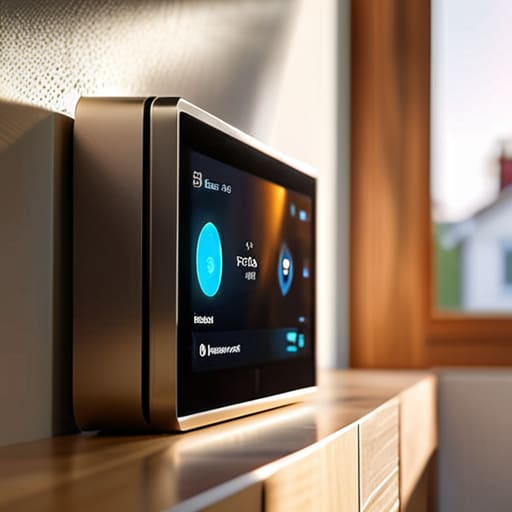
    Look, I’ve seen enough “revolutionary” gadgets end up in the junk drawer to know that automation is only useful if it actually works without constant babysitting. When I talk about automating household routines, I’m not talking about programming a complex sequence of events that breaks the moment your Wi-Fi hiccups. I’m talking about the simple stuff—like a programmable thermostat that adjusts itself so you aren’t fiddling with dials every time the temperature shifts. If a device requires a twenty-page manual just to turn on a light, it’s failed its primary purpose.

    The real value lies in a connected home ecosystem that plays nice together. I prefer setups where the components actually communicate reliably. For instance, using voice assistant task automation to set kitchen timers or check the weather is fine, but it shouldn’t be your only way to manage the house. The goal is to use these tools to shave off the small, repetitive annoyances of daily life. If the tech is doing the heavy lifting in the background without demanding your constant attention, then—and only then—is it worth the investment.

    Iot Devices for Time Saving Utility or Just Gimmicks

    Now, let’s get down to brass tacks. When you look at the sheer number of IoT devices for time saving hitting the market, it’s easy to get blinded by the flashy marketing. I see a lot of gadgets that promise to revolutionize your life but really just add another layer of software troubleshooting to your Saturday morning. If a device requires a constant firmware update just to perform its basic function, it’s not saving you time—it’s stealing it. I’ve seen too many “smart” coffee makers that refuse to brew because your Wi-Fi signal dropped an inch. That isn’t progress; it’s a design flaw.

    To get real value, you have to look for tools that integrate into a cohesive system rather than standalone toys. For instance, smart home energy management systems can actually pay for themselves by automating your thermostat and lighting based on real-world usage. That’s a functional utility. On the other hand, a smart toaster that sends a notification to your phone? That’s just expensive plastic designed to clutter your notifications. Stick to the hardware that solves a tangible problem without demanding your constant attention.

    My Rules for Not Getting Swindled by Your Own House

    • Stick to the fundamentals first. Don’t bother with a smart toaster or a Wi-Fi-connected coffee maker; they’re nothing but more points of failure. Focus your budget on things that actually impact your routine, like smart thermostats or automated lighting, which do real work without needing a constant software update.
    • Check the local control options before you buy. If a device requires a constant connection to a server halfway across the world just to turn on a lightbulb, it’s a liability. I prefer hardware that works on your local network so that when the internet goes down, your house doesn’t turn into a brick.
    • Demand physical overrides. I don’t care how “smart” a smart lock is—if the battery dies or the app glitches, you better have a mechanical way to get into your own home. Any device that eliminates a manual backup is just asking for trouble.
    • Look for interoperability, not brand loyalty. You shouldn’t be locked into one manufacturer’s ecosystem just to get your devices to talk to each other. Look for established standards like Matter or Zigbee; it ensures that if one company goes bust, your gear doesn’t become expensive landfill.
    • Audit the setup time. If the manual looks like a physics textbook and the app requires ten different permissions just to change a setting, put it back on the shelf. A tool is supposed to save you time, not add another chore to your weekend to-do list.

    The Bottom Line on Smart Efficiency

    At the end of the day, we’ve looked at how these gadgets can either streamline your morning routine or simply add another layer of digital clutter to your life. Whether it’s a thermostat that actually learns your schedule or a lighting system that keeps you from fumbling in the dark, the goal is clear: technology should work for you, not the other way around. I’ve seen enough “revolutionary” products end up in the junk drawer because they were too complicated to use or too flimsy to last. If you’re going to invest your hard-earned money, make sure you’re buying tools that provide tangible utility rather than just chasing the latest shiny novelty.

    Don’t let the marketing departments convince you that you need a connected device for every single square inch of your house. True efficiency comes from knowing exactly where a piece of tech fits into your existing workflow and ensuring it’s built to endure. My advice? Start small, test the reliability, and always prioritize build quality over flashy apps. When you find those few devices that actually shave minutes off your daily chores without requiring a manual to operate, you’ll know you’ve found something worth keeping. Build a smart home that serves your life, not one that demands your constant attention.

  • Stop Wasting Money on Expensive Plastic: What Actually Matters When Buying Your First Set of Kitchen Knives

    Stop Wasting Money on Expensive Plastic: What Actually Matters When Buying Your First Set of Kitchen Knives

    I saw a catalog the other day advertising a twenty-piece “professional” block set that looked more like a collection of cheap, stamped-metal toys than actual tools. It’s the same old story: marketing departments trying to convince you that you need a dozen different blades to make a decent omelet. Honestly, when it comes to buying your first set of kitchen knives, most of those flashy, overpriced bundles are nothing more than expensive plastic designed to drain your bank account. You don’t need a specialized serrated blade for every conceivable fruit; you need steel that holds an edge and handles that won’t snap off the moment you apply real pressure.

    If you find yourself getting overwhelmed by the sheer amount of conflicting advice online, don’t feel like you have to figure it out in a vacuum. I’ve found that the best way to avoid a costly mistake is to talk to people who actually use these tools every day rather than listening to a salesperson. If you’re looking for some real-world perspective, I’ve spent some time over at this UK chat community, where folks tend to be pretty blunt about what’s worth the investment and what’s just overpriced junk. It’s a good way to get the unvarnished truth before you pull out your credit card.

    I’m not here to sell you on some high-maintenance Japanese steel that requires a ritualistic ceremony just to slice a tomato. My goal is to cut through the nonsense and give you the straight truth based on years of looking at how things are actually built. I’m going to show you exactly which three or four pieces are worth your hard-earned money and which ones you can completely ignore. We’re going to focus on build quality and reliability, ensuring you walk away with tools that actually work.

    Essential Chef Knife Types That Actually Get Used

    Essential Chef Knife Types That Actually Get Used

    Look, you don’t need a twenty-piece block sitting on your counter just to look like a professional. Most of those “value sets” are just filler—cheaply made blades that will dull before you even finish slicing an onion. If you want to do this right, you need to focus on the essential chef knife types that actually see daily action. First and foremost, get yourself a solid 8-inch chef knife. This is your workhorse; it should have enough weight to do the work for you without feeling like a toy.

    Next, grab a utility knife for the smaller, more precise tasks where a heavy chef knife feels clumsy. I’ve seen too many people struggle with oversized tools when a simple paring knife would suffice. When you’re looking at the blades themselves, you’ll run into the debate of high carbon vs stainless steel knives. In my experience, if you aren’t prepared to commit to regular upkeep, stick with stainless. High carbon holds an edge beautifully, but it’ll rust if you leave it damp in the sink for five minutes. Keep it simple and keep it functional.

    Best Knife Materials for Beginners Who Hate Maintenance

    Look, I’ve spent enough time in machine shops to know that metallurgy isn’t just academic—it’s the difference between a tool that lasts twenty years and one that ends up in a landfill by Christmas. When you’re looking at the best knife materials for beginners, you’re going to see a lot of marketing fluff about “exotic alloys.” Ignore it. For most folks, the real debate is high carbon vs stainless steel knives. Carbon steel holds an edge like a dream, but if you leave a single drop of moisture on it, you’ll be looking at rust by morning. Unless you want to treat your kitchen tools like delicate museum pieces, stick to high-quality stainless steel.

    I’m a practical man, and I want gear that works without a babysitter. Stainless steel is forgiving; it’s corrosion-resistant and won’t pit if you’re a little careless with the sink. You don’t need a specialized cleaning ritual or a degree in chemistry just to prep a potato. Just find a decent mid-range stainless blade, keep it dry, and you’ll have a reliable workhorse that won’t fail you when things get busy.

    Five Rules for Not Getting Ripped Off by the Knife Industry

    • Forget the “15-Piece Block” Trap. Most of those big, shiny sets you see in department stores are a scam. You’ll end up with twelve useless serrated blades and tiny paring knives you’ll never touch, while the one knife you actually need—a decent chef’s knife—is the cheapest piece of scrap metal in the box. Buy individual knives instead; you’ll get better steel for your money.
    • Test the Balance, Not the Shine. A knife can look beautiful under showroom lights, but if it feels top-heavy or awkward in your hand, it’s garbage. Pick it up. Does the weight sit right in the palm, or does it feel like it’s going to tip forward and cut your finger off? If the balance is off, the engineering is off, and you’ll hate using it within a week.
    • Demand a Full Tang. This is a non-negotiable for me. “Full tang” means the steel of the blade runs all the way through the handle to the butt end. If the handle is just a piece of plastic or wood glued onto a thin sheet of metal, that knife is going to snap or wobble the first time you try to cut through a butternut squash. Look for weight and continuity.
    • Don’t Buy “Professional” if You’re a Home Cook. Marketing departments love to slap “Professional Grade” or “Master Chef Series” on everything to justify a 300% markup. In my experience, those are just buzzwords used to sell overpriced plastic. You don’t need a Damascus steel blade from a boutique forge; you need a reliable, well-tempered tool that holds an edge.
    • Check the Rivets. Take a close look at where the handle meets the blade. I want to see solid, heavy-duty rivets holding everything together. If the handle looks like it was snapped on with glue or held by flimsy screws, walk away. A tool that can’t handle the mechanical stress of daily use isn’t a tool—it’s a liability.

    Don't Get Swayed by the Shiny Packaging

    Look, I’ve seen enough “professional” knife blocks end up in the landfill to know that most of them are a scam. You don’t need a twenty-piece set of mediocre blades to cook a decent meal; you just need a solid chef’s knife, a reliable paring knife, and a serrated blade that actually holds an edge. Stick to high-quality stainless steel if you want to avoid the headache of constant maintenance, and for heaven’s sake, prioritize the weight and balance of the tool over how many fancy letters are engraved on the bolster. If a knife feels like a toy in your hand, it’s going to be a liability in the kitchen, not an asset. Buy for durability, not for the box it comes in.

    At the end of the day, a knife is just a tool, and like any good tool, it’s meant to be used until it earns its keep. Don’t let the marketing jargon or the high price tags intimidate you into thinking you need something you don’t. Once you find that one or two pieces that feel right and perform consistently, you’ll realize that simplicity is almost always superior to complexity. Stop overthinking the specs and just get something well-built that you can rely on every single morning. A few good blades will serve you far better than a drawer full of expensive, lightweight junk.

  • Stop Overcomplicating the Social Mechanics: How to Start a Conversation With a Stranger Without the Useless Fluff.

    Stop Overcomplicating the Social Mechanics: How to Start a Conversation With a Stranger Without the Useless Fluff.

    I was sitting in a local hardware store last Tuesday, watching some kid struggle with a self-checkout machine, when I realized people have made social interaction far more complicated than it needs to be. I see these “experts” online peddling all sorts of psychological maneuvers and elaborate “icebreakers” that feel about as natural as a faulty circuit board. It’s nonsense. If you’re looking for a manual on how to start a conversation with a stranger, you don’t need a degree in behavioral science or a scripted line that sounds like it was written by a marketing department. You just need to stop treating every human encounter like a high-stakes technical failure.

    Look, I’ve learned over the years that you can’t just rely on a script; you have to know where to look for the right kind of environment if you want to practice these skills. If you’re looking to test your ability to read a room or just want to see how different social dynamics play out in a more relaxed setting, checking out aussie sluts might give you a better sense of how to navigate those more unpredictable interactions. It’s much like testing a new piece of hardware—you need to see how it performs under real-world conditions before you trust it in a high-stakes situation.

    I’m not here to give you any of that fluff or teach you how to manipulate people into liking you. My approach is a lot like restoring an old Marantz receiver: we’re going to strip away the unnecessary junk and focus on the core components that actually work. I’m going to show you how to use direct, honest observation to open a door without looking like a fool. This is about practical reliability, not social performance.

    Real Icebreaker Questions for Adults That Actually Work

    Real Icebreaker Questions for Adults That Actually Work

    Look, I’ve never been one for those scripted, high-pressure “games” you see in corporate training seminars. They feel manufactured, and people can smell the insincerity from a mile away. If you want to avoid the usual awkward silence, you need to stop searching for a magic phrase and start looking for common ground. Instead of asking someone “What do you do?”—which feels like an interrogation—try something more observational. Ask about the venue, the food, or even the reason they showed up. It’s a simple way of applying small talk techniques for networking without the stiff, formal nonsense.

    When you do find a thread, keep your questions open-ended. If you ask a yes-or-no question, you’re essentially building a bridge that ends in a dead end. I prefer questions that require a bit of substance, like, “How do you know the host?” or “What’s keeping you busy these days?” This approach is one of the most reliable social anxiety conversation tips I’ve ever used because it shifts the spotlight off you and onto the other person. Just keep it steady, keep it honest, and for heaven’s sake, don’t overcomplicate it.

    Effective Communication Skills Without the Social Performance

    Look, most of the advice you see online about being “charismatic” feels like it was written for a stage play, not for a real person standing in a hardware store or at a community meeting. You don’t need to put on a performance or memorize a script to get through a chat. In my experience, the most effective communication skills come down to being present and actually listening to what the other person is saying. If you’re too busy rehearsing your next line in your head, you’ve already lost the connection.

    Instead of worrying about those flashy small talk techniques for networking that people obsess over, just focus on your posture and eye contact. It sounds basic, but your body language for meeting new people tells them more than your words ever will. If you’re hunched over or looking at your shoes, you’re sending a signal that you want to be left alone. Stand up straight, keep your hands out of your pockets, and give them a firm nod. It’s about being steady and reliable, much like a well-built piece of machinery.

    Cut the Fluff: 5 Practical Rules for Talking to People

    • Stop looking for a script. You don’t need a rehearsed monologue or a clever line to break the ice. Just observe something in the immediate environment—the weather, a long line, or even a piece of equipment—and make a direct comment. It’s more honest than any “trick” you’ll find in a self-help book.
    • Keep your eyes up. I see people staring at their phones like it’s a life raft the moment they feel awkward. If you’re looking at a screen, you’re sending a signal that you’re unavailable. Put the device away, look around, and show that you’re actually present in the room.
    • Ask “how” or “why” instead of “yes” or “no” questions. If you ask someone if they like their job, they’ll give you a one-word answer and the conversation is dead. Ask them how they got into that line of work. It forces them to provide substance, and you’ll find out pretty quickly if they’re worth the effort.
    • Listen more than you talk. In my engineering days, if you didn’t listen to the diagnostic, you couldn’t fix the machine. Socializing is the same. Don’t just wait for your turn to speak; actually process what the other person is saying. It tells you exactly where to take the conversation next.
    • Know when to exit. A good conversation is like a well-built machine: it shouldn’t run until it breaks down. If the energy isn’t there or the answers are getting short, don’t force it. Just say, “It was good talking to you,” and move on. There’s no sense in wasting time on a connection that isn’t clicking.

    Cutting Through the Noise

    At the end of the day, talking to someone new isn’t about mastering some complex social algorithm or memorizing a script of clever lines. It’s about the basics: asking a direct question, listening to the answer without planning your next move, and ditching the performative nonsense. We’ve spent too much time over-engineering our social lives when we should be focusing on the fundamental mechanics of human connection. If you use a decent icebreaker and keep your communication straightforward, you’ve already done the heavy lifting. Stop worrying about whether you sound perfect and start focusing on whether you are actually present in the moment.

    I’ve spent my career looking at how systems fail, and most of the time, it’s because the connections are flimsy or poorly maintained. Socializing is no different. It might feel awkward at first—like trying to calibrate a piece of vintage gear for the first time—but consistency is what builds the habit. Don’t let the fear of a momentary lapse in conversation keep you isolated. Just step up, be a decent human being, and treat every interaction as a practical test. You don’t need a manual to be kind or curious; you just need the courage to start the engine.