I saw a catalog the other day advertising a twenty-piece “professional” block set that looked more like a collection of cheap, stamped-metal toys than actual tools. It’s the same old story: marketing departments trying to convince you that you need a dozen different blades to make a decent omelet. Honestly, when it comes to buying your first set of kitchen knives, most of those flashy, overpriced bundles are nothing more than expensive plastic designed to drain your bank account. You don’t need a specialized serrated blade for every conceivable fruit; you need steel that holds an edge and handles that won’t snap off the moment you apply real pressure.
If you find yourself getting overwhelmed by the sheer amount of conflicting advice online, don’t feel like you have to figure it out in a vacuum. I’ve found that the best way to avoid a costly mistake is to talk to people who actually use these tools every day rather than listening to a salesperson. If you’re looking for some real-world perspective, I’ve spent some time over at this UK chat community, where folks tend to be pretty blunt about what’s worth the investment and what’s just overpriced junk. It’s a good way to get the unvarnished truth before you pull out your credit card.
I’m not here to sell you on some high-maintenance Japanese steel that requires a ritualistic ceremony just to slice a tomato. My goal is to cut through the nonsense and give you the straight truth based on years of looking at how things are actually built. I’m going to show you exactly which three or four pieces are worth your hard-earned money and which ones you can completely ignore. We’re going to focus on build quality and reliability, ensuring you walk away with tools that actually work.
Essential Chef Knife Types That Actually Get Used
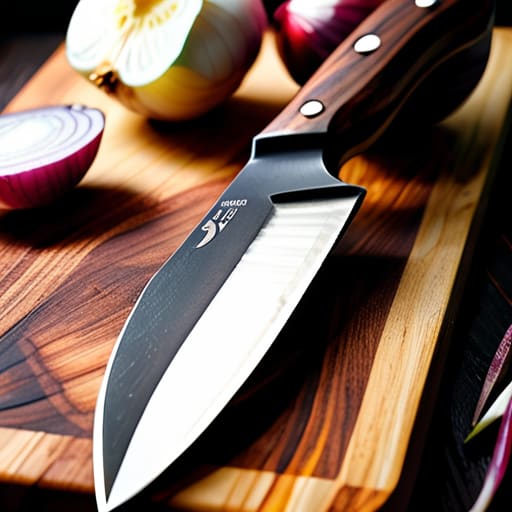
Look, you don’t need a twenty-piece block sitting on your counter just to look like a professional. Most of those “value sets” are just filler—cheaply made blades that will dull before you even finish slicing an onion. If you want to do this right, you need to focus on the essential chef knife types that actually see daily action. First and foremost, get yourself a solid 8-inch chef knife. This is your workhorse; it should have enough weight to do the work for you without feeling like a toy.
Next, grab a utility knife for the smaller, more precise tasks where a heavy chef knife feels clumsy. I’ve seen too many people struggle with oversized tools when a simple paring knife would suffice. When you’re looking at the blades themselves, you’ll run into the debate of high carbon vs stainless steel knives. In my experience, if you aren’t prepared to commit to regular upkeep, stick with stainless. High carbon holds an edge beautifully, but it’ll rust if you leave it damp in the sink for five minutes. Keep it simple and keep it functional.
Best Knife Materials for Beginners Who Hate Maintenance
Look, I’ve spent enough time in machine shops to know that metallurgy isn’t just academic—it’s the difference between a tool that lasts twenty years and one that ends up in a landfill by Christmas. When you’re looking at the best knife materials for beginners, you’re going to see a lot of marketing fluff about “exotic alloys.” Ignore it. For most folks, the real debate is high carbon vs stainless steel knives. Carbon steel holds an edge like a dream, but if you leave a single drop of moisture on it, you’ll be looking at rust by morning. Unless you want to treat your kitchen tools like delicate museum pieces, stick to high-quality stainless steel.
I’m a practical man, and I want gear that works without a babysitter. Stainless steel is forgiving; it’s corrosion-resistant and won’t pit if you’re a little careless with the sink. You don’t need a specialized cleaning ritual or a degree in chemistry just to prep a potato. Just find a decent mid-range stainless blade, keep it dry, and you’ll have a reliable workhorse that won’t fail you when things get busy.
Five Rules for Not Getting Ripped Off by the Knife Industry
- Forget the “15-Piece Block” Trap. Most of those big, shiny sets you see in department stores are a scam. You’ll end up with twelve useless serrated blades and tiny paring knives you’ll never touch, while the one knife you actually need—a decent chef’s knife—is the cheapest piece of scrap metal in the box. Buy individual knives instead; you’ll get better steel for your money.
- Test the Balance, Not the Shine. A knife can look beautiful under showroom lights, but if it feels top-heavy or awkward in your hand, it’s garbage. Pick it up. Does the weight sit right in the palm, or does it feel like it’s going to tip forward and cut your finger off? If the balance is off, the engineering is off, and you’ll hate using it within a week.
- Demand a Full Tang. This is a non-negotiable for me. “Full tang” means the steel of the blade runs all the way through the handle to the butt end. If the handle is just a piece of plastic or wood glued onto a thin sheet of metal, that knife is going to snap or wobble the first time you try to cut through a butternut squash. Look for weight and continuity.
- Don’t Buy “Professional” if You’re a Home Cook. Marketing departments love to slap “Professional Grade” or “Master Chef Series” on everything to justify a 300% markup. In my experience, those are just buzzwords used to sell overpriced plastic. You don’t need a Damascus steel blade from a boutique forge; you need a reliable, well-tempered tool that holds an edge.
- Check the Rivets. Take a close look at where the handle meets the blade. I want to see solid, heavy-duty rivets holding everything together. If the handle looks like it was snapped on with glue or held by flimsy screws, walk away. A tool that can’t handle the mechanical stress of daily use isn’t a tool—it’s a liability.
Don't Get Swayed by the Shiny Packaging
Look, I’ve seen enough “professional” knife blocks end up in the landfill to know that most of them are a scam. You don’t need a twenty-piece set of mediocre blades to cook a decent meal; you just need a solid chef’s knife, a reliable paring knife, and a serrated blade that actually holds an edge. Stick to high-quality stainless steel if you want to avoid the headache of constant maintenance, and for heaven’s sake, prioritize the weight and balance of the tool over how many fancy letters are engraved on the bolster. If a knife feels like a toy in your hand, it’s going to be a liability in the kitchen, not an asset. Buy for durability, not for the box it comes in.
At the end of the day, a knife is just a tool, and like any good tool, it’s meant to be used until it earns its keep. Don’t let the marketing jargon or the high price tags intimidate you into thinking you need something you don’t. Once you find that one or two pieces that feel right and perform consistently, you’ll realize that simplicity is almost always superior to complexity. Stop overthinking the specs and just get something well-built that you can rely on every single morning. A few good blades will serve you far better than a drawer full of expensive, lightweight junk.
