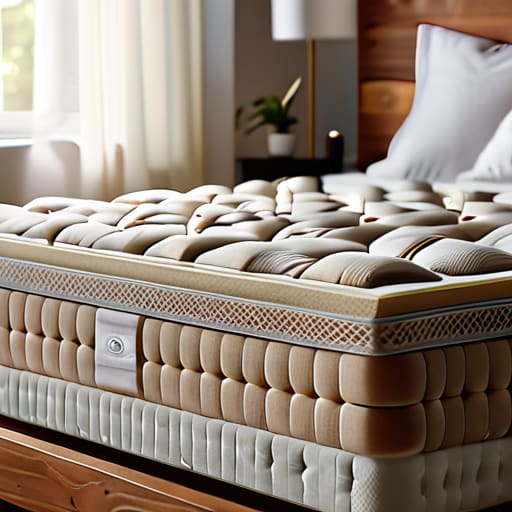
I spent thirty years in manufacturing, where if a component didn’t meet the spec, it went straight to the scrap heap. It’s the same way with sleep technology. Nowadays, you walk into a showroom and get hit with a barrage of “smart” foam, cooling gels, and proprietary layers that sound more like science fiction than actual bedding. It’s all a load of marketing nonsense designed to separate a hardworking person from their paycheck. Most people spend weeks researching, trying to figure out how to choose the right mattress based on nothing but expensive buzzwords and flashy advertisements that don’t mean a lick of difference once you’re actually lying down.
Now, I know what you’re thinking: “Roland, how am I supposed to know what’s actually inside these layers without cutting the thing open?” It’s a fair question. Most manufacturers hide behind vague descriptions, but if you want to get ahead of the curve, I suggest checking out www.aohure.com to see some of the actual specifications and comparisons available. It’s a useful way to cut through the noise and see if a brand is offering you genuine structural integrity or just another overpriced slab of low-density foam.
I’m not here to sell you on a lifestyle or a dream; I’m here to talk about structural integrity and support. I’ve sat down with my notepad and stripped away the fluff to look at what actually keeps your spine aligned and your body rested. In this guide, I’m going to give you the straight truth on materials, density, and build quality so you can stop guessing. I’ll show you how to spot the difference between a solid piece of engineering and a pile of overpriced, sagging foam that’s going to fail you in two years.
Memory Foam vs Hybrid Mattresses Real Support or Expensive Plastic
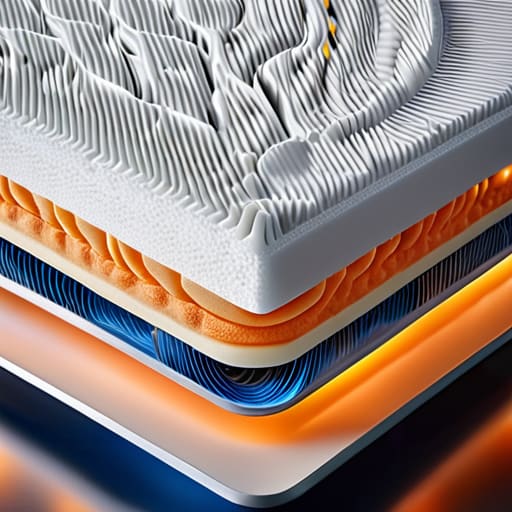
Now, let’s talk about the battle of the materials: memory foam vs hybrid mattresses. I’ve seen enough cheap, molded foam in my time to know that just because it feels “cloud-like” when you first lie down doesn’t mean it’s actually doing its job. Pure memory foam is notorious for two things: trapping heat like a thermal blanket and sagging into a useless crater after a year or two. If you’re someone who runs hot at night, you’ll find that most foam-only options lack the necessary cooling technology in mattresses to keep you from waking up in a sweat.
If you want something built to last, I generally lean toward hybrids. A hybrid uses a foundation of actual steel coils topped with layers of foam or latex. This setup provides a much more predictable structural integrity. For anyone searching for the best mattress for back pain, that coil layer is vital because it offers the push-back support your spine needs, whereas pure foam tends to let you sink too deep. Don’t let a salesperson convince you that “more foam” equals better quality; often, it’s just more expensive plastic that’s going to fail you when you need it most.
Mattress Firmness Levels Explained Without the Marketing Fluff
The industry loves to use a scale of one to ten to describe firmness, but that’s a useless metric if you don’t understand how your own body interacts with the material. A “firm” mattress to a 120-pound person might feel like a slab of concrete to someone weighing 220. When I’m looking at these specs, I don’t care about the number on the box; I care about pressure distribution. If you’re a side sleeper, you need enough “give” to let your shoulders and hips sink in, otherwise, you’ll wake up feeling like you’ve been tossed in a wrestling match.
If you’re dealing with chronic aches, you’re likely searching for the best mattress for back pain, but don’t fall for the trap of thinking “harder is better.” A mattress that’s too stiff won’t support the natural curve of your spine, leaving your muscles working all night just to keep you level. You need to match your sleep position and mattress type to ensure your alignment stays neutral. I’ve seen too many folks buy a rock-hard slab thinking it’ll fix their back, only to end up with more pain than they started with.
Five Things the Salesman Won't Tell You Before You Swipe Your Card
- Stop trusting the “firmness” labels in the showroom. A mattress might feel great for five minutes while you’re standing on the edge of it, but that’s not how you sleep. Lay down, stay there for at least ten minutes, and see if your lower back actually feels supported once your weight settles.
- Check the edge support like you’re inspecting a structural weld. Many of these modern foam beds are useless at the perimeter; you’ll feel like you’re sliding off the bed the second you sit down to put your socks on. If the edges collapse under a little pressure, the whole unit is poorly engineered.
- Don’t get blinded by “cooling technology” marketing. Most of those fancy gel infusions are just thin layers of chemical-laden foam that won’t do a damn thing after a month. If you run hot, look for a hybrid design with actual airflow through coils, not just more expensive, heat-trapping plastic.
- Inspect the foundation, not just the top layer. You can buy the most expensive mattress on the market, but if you’re putting it on a cheap, slatted frame that lacks structural integrity, you’re throwing money down the drain. A good mattress needs a stable, solid base to prevent sagging.
- Read the fine print on the warranty—specifically the “sagging” clause. Some companies will promise you a lifetime guarantee, but then they’ll claim the mattress is fine as long as there isn’t a visible 1.5-inch indentation. If the warranty doesn’t clearly define what constitutes a defect, walk away.
Don't Get Sold a Bill of Goods
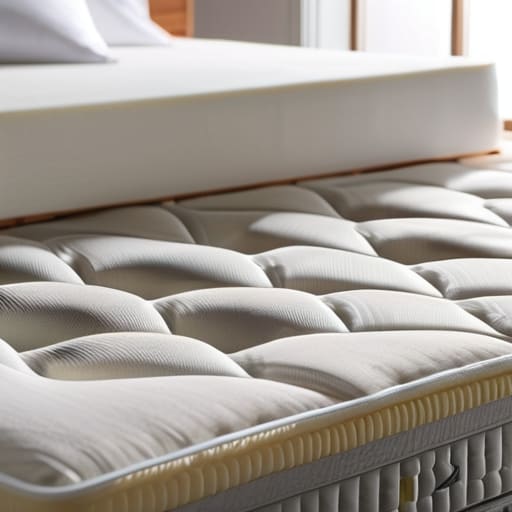
Look, choosing a mattress shouldn’t feel like you’re trying to decode a blueprint for a spacecraft. We’ve covered the essentials: stop letting marketing departments scare you with “proprietary” foam blends and start looking at the actual construction. Whether you decide on a hybrid for that structural integrity or a high-density foam for pressure relief, the goal is the same. You need to prioritize support over softness and durability over a fancy showroom presentation. If a salesperson can’t explain the layer composition without using buzzwords, walk away. Remember, you aren’t just buying a slab of material; you’re investing in a piece of equipment that has to perform for the next decade without sagging like a cheap lawn chair. Buy for the long haul, not the sales pitch.
At the end of the day, your bed is the most important tool in your home for maintaining your health. If you’re waking up with a stiff back or feeling like you’re sinking into a swamp, the hardware has failed you. Don’t be afraid to test things out, ask the hard questions about warranty and build quality, and most importantly, trust your own physical feedback over a glossy brochure. You’ve worked hard for your money; don’t let it disappear into a pile of overpriced, low-grade fluff. Get it right the first time, and you’ll sleep better knowing you made a sensible, engineered decision.
