
I was elbow-deep in a damp crawlspace last Tuesday, staring at a hairline fracture in a copper pipe that had been weeping for months without a single sound. It’s a mess that could have been avoided if I’d had a decent sensor installed, but it also reminded me why I’m so skeptical of the current market. Most of these smart water monitors being pushed by big-box retailers today are nothing more than glorified, overpriced toys designed to ping your smartphone with useless notifications. You don’t need a complex cloud-based subscription or a degree in software engineering just to know if your washing machine is leaking; you just need hardware that actually works when the pressure drops.
I’m not here to sell you on the latest “connected home” fantasy or some flashy app that requires a monthly fee. My goal is to cut through the marketing fluff and look at the build quality, the installation logic, and the actual reliability of these devices. I’m going to tell you which units are built like the heavy-duty components I used to spec in manufacturing, and which ones are just expensive plastic destined for a landfill.
Table of Contents
Real Time Water Usage Tracking That Actually Matters
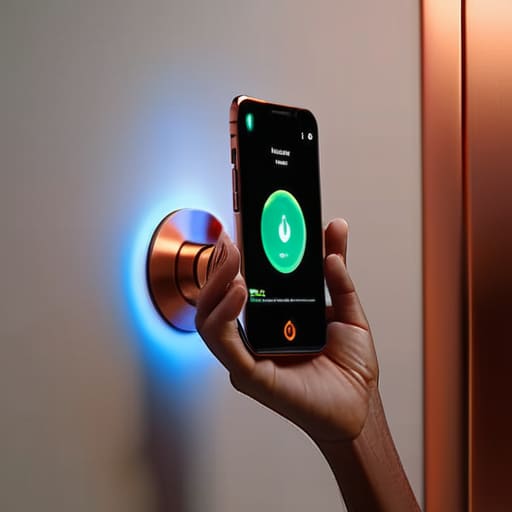
Most of these gadgets promise you a digital breakdown of every drop you use, but let’s be honest: most people don’t need a spreadsheet to tell them they took a long shower. What I actually care about is real-time water usage tracking that flags an anomaly the second it happens. If a pipe bursts behind a wall while you’re at work, a notification on your phone is fine, but it’s not a solution. You need a system that doesn’t just watch the disaster unfold, but actually intervenes.
That’s where the real value lies—not in the pretty graphs, but in the hardware’s ability to interface with automatic water shut-off valves. I’ve seen too many “smart” setups that are nothing more than glorified thermometers; they tell you there’s a problem, but leave you to deal with the soaked carpet. If you’re going to invest in these IoT water management systems, make sure they have the mechanical teeth to actually kill the flow. Otherwise, you’re just paying for a front-row seat to your own plumbing failure.
Preventing Water Damage Before Your Basement Floods

Now, tracking your usage is fine for your wallet, but the real reason you should be looking at these devices is preventing water damage before it becomes a catastrophe. In my engineering days, we lived by the principle of fail-safes. A simple sensor that sends a notification to your phone is a start, but it’s not a complete solution. If you’re sitting in the backyard or sleeping through the night, a notification doesn’t stop the water from flowing; it just tells you that your basement is currently turning into a swimming pool.
If you want actual peace of mind, you need to look for systems that include automatic water shut-off valves. These are the heavy hitters. When the sensor detects a spike in pressure or a continuous flow that shouldn’t be there—like a burst pipe or a failed washing machine hose—the system physically closes the main valve. It’s a mechanical intervention that takes the guesswork out of the equation. Don’t settle for a gadget that just watches your house drown; get something that has the guts to actually stop the leak.
Five Things to Check Before You Hand Over Your Credit Card
- Look for a shut-off valve that actually works. A monitor that just sends a notification to your phone is useless if you’re at work and your basement is turning into a swimming pool. You want a system that can physically turn the water off automatically when it detects a burst pipe.
- Don’t get blinded by the app features. I don’t care if the software has fancy animations or social sharing options. I care about the sensor accuracy and how fast it triggers an alert. If the interface is too complicated for a person to navigate during an emergency, it’s poorly designed.
- Check the installation requirements. Some of these units require you to cut into your main line, which means calling a plumber and spending more money. Others just strap onto the outside. Decide if you’re ready for a permanent hardware installation or if you want something less invasive.
- Verify the battery life or power source. If the device relies on a battery that dies every six months, you’re going to forget to change it, and then you have zero protection. A reliable piece of equipment should be as “set it and forget it” as possible.
- Read the fine print on the connectivity. If the monitor requires a constant, high-speed Wi-Fi connection right next to your water meter—which is often in a basement or a garage—it’s probably going to fail you. Make sure it has a stable way to talk to your home network without dropping out.
The Bottom Line on Smart Water Monitors
Don’t buy a device just because it has a flashy app; make sure it has a physical shut-off valve that actually works when the power goes out.
Look for sensors that detect pinhole leaks, not just massive bursts, because a slow drip behind a wall is what really kills your foundation.
Avoid the cheap, battery-only clip-on models if you want real security; if you’re serious about protecting your home, get a system that integrates directly with your main water line.
## The Bottom Line on Leak Detection
“I’ve spent enough time looking at blueprints to know that a single hairline fracture in a pipe can do more damage than a sledgehammer. A smart monitor isn’t about seeing your daily usage numbers for the sake of a graph; it’s about having a reliable sensor that actually shuts the valve before you’re staring at a ruined subfloor and a massive repair bill.”
Roland Delacroix
The Bottom Line

Look, I’m not here to tell you that every gadget with a Wi-Fi chip is a necessity. Most of the junk on the market is just a way to clutter your smartphone with useless notifications. But if you’re looking at these devices for the right reasons—specifically to catch a hairline fracture in a pipe or a silent leak under a sink—then a solid smart monitor is a sound investment. You want something with a reliable shut-off valve and a sensor that doesn’t lose connection the moment your router hiccups. Don’t get distracted by the fancy apps or the colorful graphs; focus on the mechanical reliability and the accuracy of the shut-off trigger. That is what actually saves your house.
At the end of the day, technology should serve you, not the other way around. I’ve spent my career looking at how systems fail, and I can tell you that water is one of the most unforgiving forces in your home. You don’t need a high-tech laboratory setup to protect your property, you just need a tool that does its job without requiring a software update every Tuesday. Buy something built to last, install it right, and then get back to living your life. A good tool stays in the background, working quietly so you never have to think about it until it’s time to prevent a disaster.
Frequently Asked Questions
Do these sensors actually work if my Wi-Fi drops out, or am I left unprotected?
That’s the right question to ask. If a device relies entirely on a cloud connection to function, you’re essentially trusting your home’s safety to your ISP. I don’t care how many bells and whistles a sensor has; if the Wi-Fi drops, the sensor is just a paperweight. Look for systems with local processing and a dedicated hub. You want a setup that triggers a shut-off valve locally, even if your internet is down.
Is it worth the money to install a whole-house shutoff valve, or is a simple leak alarm enough?
Look, if you’re just worried about a puddle under the sink, a simple leak alarm is fine. But if you’re asking me if a whole-house shutoff is worth the investment? Absolutely. An alarm just screams at you while your basement turns into a swimming pool. A shutoff valve actually stops the bleeding. It’s the difference between knowing you have a problem and actually fixing it before the drywall gets ruined.
How much maintenance do I really have to do to keep these things from giving me false alarms?
Look, I don’t like gadgets that require a part-time job just to stay functional. To keep those false alarms at bay, you can’t just “set it and forget it.” Every few months, I recommend checking the sensors for any mineral buildup or debris—especially if you have hard water. Also, make sure the battery levels are solid. A dying battery can cause all sorts of erratic signals that’ll wake you up for no reason.
