I’ve spent most of my life looking at schematics and stress-testing components, so I have a natural allergy to anything that feels like it was built to fail. These days, I see kids—and frankly, a lot of adults—dropping a small fortune on gear that’s essentially just flimsy, overpriced plastic held together by hope and marketing. When you’re looking for the best gaming headsets, you shouldn’t have to worry about a hinge snapping or a wire fraying after three months of use. A headset is a tool, and like any tool, it needs to be reliable, comfortable, and capable of doing its one job: delivering clear audio without constant software headaches.
In this guide, I’ve narrowed things down to five specific models that actually meet my standards for build quality and sound reproduction. I’m not here to sell you on flashy RGB lights or features you’ll never use; I’m here to show you which ones are worth your hard-earned money. By the time you finish reading, you’ll know exactly which headsets offer real durability and which ones are just expensive junk masquerading as high-end tech.
Table of Contents
- Built Like a Tank: SteelSeries Arctis Nova Pro
- The Reliable Workhorse: HyperX Cloud II
- Wireless Without the Headache: Logitech G Pro X Lightspeed
- Pure Audio Fidelity: Beyerdynamic MMX 300
- The Budget-Friendly Realist: Razer BlackShark V2
- The Bottom Line: Don't Get Fooled by the Box Art
- The Real Test of a Headset
- The Bottom Line
- Frequently Asked Questions
Built Like a Tank: SteelSeries Arctis Nova Pro

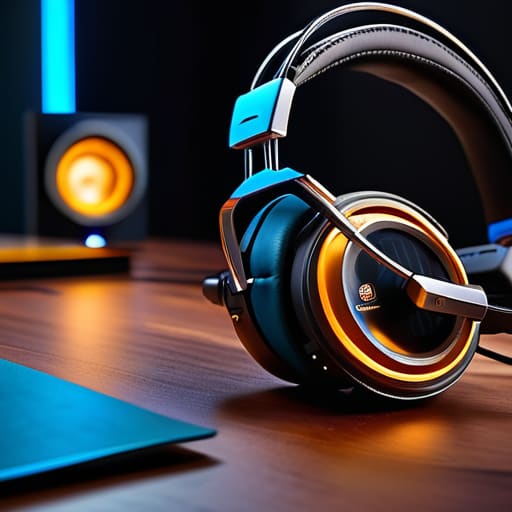
I’ve spent enough time in manufacturing plants to recognize when a company is using cheap, injection-molded plastic to save a buck. Most modern headsets feel like they’ll snap if you look at them wrong, but the Arctis Nova Pro actually feels like a piece of engineered hardware. The headband tension is dialed in just right, and the materials don’t give off that hollow, cheap sound when you pick them up.
The Reliable Workhorse: HyperX Cloud II
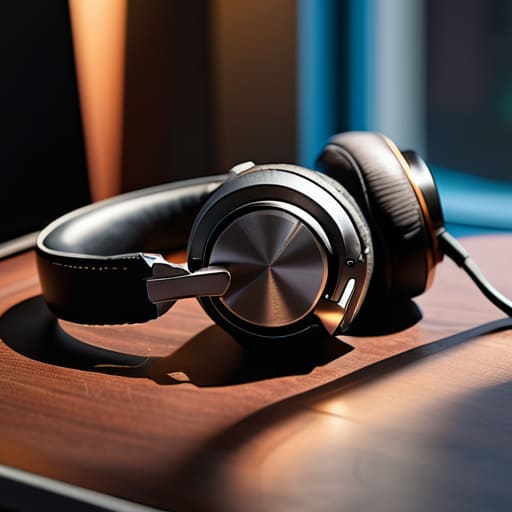
If you ask me, the best piece of technology is often the one that doesn’t try to reinvent the wheel. The HyperX Cloud II is a perfect example of functional design. It’s a straightforward, over-ear headset that focuses on two things: comfort and durability. The aluminum frame is solid, providing a level of structural integrity that most “pro” gaming gear lacks these days.
Wireless Without the Headache: Logitech G Pro X Lightspeed
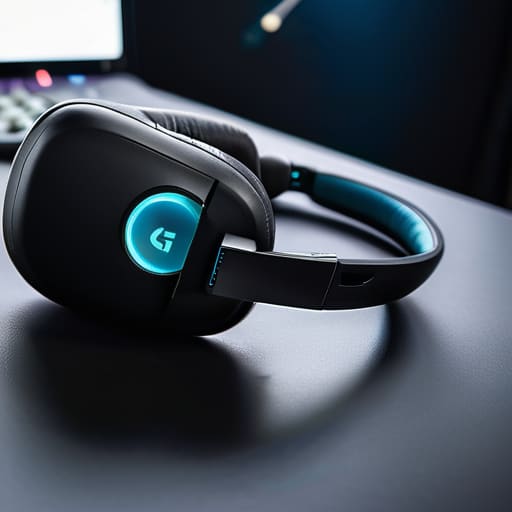
Wireless tech has come a long way, but I’m still skeptical of anything that relies on a finicky connection. I put the Logitech G Pro X through its paces, and the Lightspeed wireless connection is remarkably stable. There’s no noticeable latency, which is the death knell for any serious gaming setup. It’s a relief to see a company prioritize signal reliability over flashy RGB lights.
Pure Audio Fidelity: Beyerdynamic MMX 300
Now, if you actually care about how sound is produced—the way I do when I’m tinkering with my vintage hi-fi gear—you look at Beyerdynamic. This isn’t a “gaming” headset in the traditional sense; it’s a professional-grade studio headphone that happens to have a microphone attached. The drivers are high-quality, providing a frequency response that is far more balanced than the muddy mess you get from most consumer brands.
The Budget-Friendly Realist: Razer BlackShark V2
Usually, when I see a low price tag, I assume I’m buying a piece of junk. I was prepared to write off the BlackShark V2, but I have to admit, it’s a decent bit of engineering for the cost. It’s lightweight—almost too much so—but the way they’ve managed to keep the structural integrity intact for such a low price is impressive.
The Bottom Line: Don't Get Fooled by the Box Art
Stop chasing every flashy RGB light and “pro-gamer” gimmick; focus on the weight of the build and the quality of the headband if you want something that won’t snap in six months.
Prioritize a solid, wired connection or a proven wireless protocol over unproven tech—reliability in audio delivery is worth more than any software suite.
If the manufacturer won’t tell you what materials are used in the ear cushions or the frame, they’re likely hiding cheap, sweat-prone plastic behind a high price tag.
The Real Test of a Headset
I don’t care how many fancy RGB lights or “surround sound” marketing buzzwords they slap on the box; if the headband is made of cheap plastic and the wiring feels thin, that headset is nothing more than expensive landfill waiting to happen.
Roland Delacroix
The Bottom Line
At the end of the day, choosing a headset isn’t about chasing every flashy RGB light or a marketing gimmick that promises “spatial immersion” through a software update. It’s about finding a piece of hardware that does its job without falling apart. Whether you went with a high-end wired model for that absolute signal clarity or a reliable wireless set to cut the cord, the goal remains the same: you want something that stays comfortable on your head and keeps the audio consistent. Don’t let the glossy packaging fool you; look for the sturdy build quality and the reliable connections we discussed. If it feels like a toy in your hands, it’s going to act like one within six months.
I know the tech industry wants you to feel like you’re constantly falling behind, like you need the newest, most expensive model every single year just to stay relevant. But that’s a lie designed to empty your wallet. A good tool—even one meant for gaming—should serve you, not the other way around. Buy something that works, treat it with a bit of respect, and stop worrying about the hype. Once you have a headset that actually holds up under pressure, you can finally stop worrying about the gear and just get back to the game.
Frequently Asked Questions
Are wireless headsets actually reliable, or am I just going to deal with constant battery failure and signal dropouts?
Look, I’ll give it to you straight: wireless isn’t a magic trick, and it isn’t perfect. If you buy the cheap, off-brand stuff, you’re going to deal with signal dropouts and a battery that dies halfway through a session. But if you invest in a solid unit with a high-quality proprietary dongle, the connection is stable. Just keep one thing in mind—batteries are consumables. Eventually, they’ll degrade. Plan for that.
Is it worth paying a premium for "surround sound" software, or should I just stick to a solid pair of stereo drivers?
Look, I’ve spent enough time with a soldering iron to know that you can’t fix bad physics with clever code. Most of that “surround sound” software is just digital trickery trying to mask a lack of actual acoustic separation. If you invest in a solid pair of stereo drivers with decent imaging, you’re getting a cleaner, more reliable signal. Don’t pay a premium for a software subscription just to simulate something a well-built headset does naturally.
How can I tell if a headset is built with actual metal components versus just being cheap, thin plastic that's going to snap at the hinge?
Don’t just look at the marketing specs; you have to get your hands on it. First, check the weight. If it feels like a toy, it’s likely hollow plastic. Next, find the stress points—the hinges and the headband. Give them a gentle, firm twist. If you hear any creaking or see the material flexing too much, put it back on the shelf. Real metal components won’t budge, and they won’t snap when you’re adjusting them.
