I was sitting in my workshop last Tuesday, trying to solder a connection on a 1974 Marantz receiver, when I realized I couldn’t even turn on the overhead light without fumbling for my phone. It sounds ridiculous, I know, but that’s the trap these companies set for you. They market smart light bulbs as this seamless way to automate your life, but more often than not, you’re just buying a headache wrapped in a proprietary app. I’ve spent enough time in manufacturing to know that if a component requires a constant internet connection just to perform its one basic job, it’s not a tool—it’s a liability.
I’m not here to sell you on the latest flashy ecosystem or some overpriced gadget that’ll be obsolete by next Christmas. My goal is simple: I want to help you separate the reliable hardware from the expensive plastic. I’ve spent the last few weeks putting various brands through their paces, testing everything from connection stability to actual build quality, so you don’t have to. I’ll tell you exactly which ones actually work when the Wi-Fi dips and which ones are just marketing fluff designed to drain your wallet.
Table of Contents
Mastering Connectivity Protocols Without the Technical Headache
Now, I’ve seen plenty of folks get halfway through a setup only to realize their new gear won’t talk to the rest of their house. It’s a headache I’d rather you avoid. When you’re looking at different smart bulb connectivity protocols, don’t get blinded by the marketing jargon. You’ll see terms like Zigbee, Z-Wave, or Matter thrown around like they’re magic. In plain English, these are just the languages your devices use to communicate. If you buy a bunch of gadgets that all speak different dialects, you’re going to end up with a digital mess that requires three different apps just to dim the lights in your hallway.
My advice? Check for solid smart home ecosystem integration before you pull the trigger on anything. If you want a system that actually works, make sure everything plays nice with the hub or assistant you already own. You want a setup where voice control compatibility is seamless, not a situation where you’re shouting at a speaker for five minutes just to get some light. Stick to the standards that have proven themselves in the field; it’s the only way to ensure you aren’t just buying a collection of expensive plastic.
Energy Efficient Smart Lighting That Actually Lasts
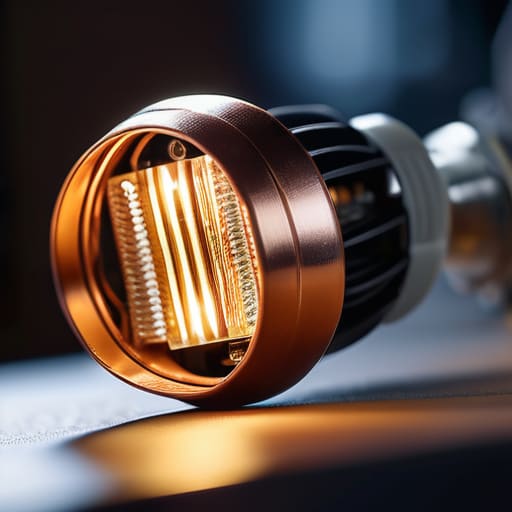
Most folks buy these things because they see a low wattage rating on the box and think they’ve found a bargain. But I’ve learned the hard way that a low energy draw doesn’t mean much if the driver inside the housing is cheap junk that burns out in six months. When you’re looking for energy efficient smart lighting, you need to look past the marketing fluff and check the thermal management. If the bulb runs hot to the touch, that heat is cooking the internal electronics, and you’ll be replacing it before the year is out. I always check for dimmable smart LED bulbs that specifically list their dimming range; if they flicker every time you drop the brightness, the circuitry is subpar.
Don’t get caught up in the hype of complex automated lighting scenes if the hardware can’t handle the load. I’ve seen plenty of high-end setups fail simply because the bulbs couldn’t maintain a steady voltage during a transition. You want hardware that stays consistent. If you’re investing in these, make sure they are built to handle the heat and the voltage fluctuations of a real home, not just a laboratory.
Five Things to Check Before You Buy
- Look for a physical manual or clear, printed instructions. If the company expects you to navigate a dozen sub-menus in a buggy app just to dim a lamp, they’ve designed a headache, not a light bulb.
- Check the build quality of the base. I’ve seen too many of these modern bulbs where the plastic housing feels thin and brittle; you want something that feels like it won’t crack the moment you screw it into a standard fixture.
- Verify the “offline” functionality. A smart bulb is useless if it turns into a paperweight every time your internet connection hiccups. Make sure the bulb can still function as a basic light via a standard wall switch.
- Don’t get blinded by color options. Unless you’re running a disco in your living room, focus on the Color Rendering Index (CRI). If the light makes your home look like a sterile hospital ward, it’s a waste of money.
- Avoid proprietary hubs whenever possible. I don’t want to buy a specialized bridge just to turn on a light in the hallway. Stick to protocols that play well with others so you aren’t locked into one manufacturer’s ecosystem.
The Bottom Line: Don't Get Sold a Paperweight
Prioritize Zigbee or Matter-compatible bulbs over cheap Wi-Fi versions; if every bulb relies on your router just to turn on, you’re asking for a headache the moment your internet hiccups.
Look for solid build quality and heat dissipation in the housing; if a bulb feels like a hollow piece of junk, the internal drivers will fry long before the LED life is actually up.
Stop paying the “app premium”—if a bulb requires a subscription or a proprietary, bloated app just to dim the lights, it isn’t a tool, it’s a gimmick designed to drain your wallet.
The Reliability Test
If you have to pull out your phone and wait thirty seconds for a cloud server to respond just to turn on a lamp, you haven’t bought a convenience—you’ve bought a headache wrapped in expensive plastic.
Roland Delacroix
The Bottom Line
Look, I’ve spent enough time looking at schematics to know that if the foundation is weak, the whole system is going to fail you. When you’re shopping for these bulbs, remember that it isn’t about which brand has the flashiest app or the most colorful marketing campaign. It’s about choosing a protocol that won’t drop your connection every time the wind blows, and selecting hardware that is built to actually last more than a single season. If you ignore the connectivity standards and settle for the cheapest possible LED, you aren’t saving money; you’re just buying expensive plastic that will end up in a landfill by next Christmas.
At the end of the day, technology should serve you, not the other way around. You shouldn’t have to troubleshoot your light switches every time you want to read a book or watch a movie. My advice is simple: stick to the specs, prioritize reliability over gimmicks, and don’t be afraid to walk away from a product that feels flimsy. When you find a setup that is truly set it and forget it, you’ll realize that good engineering isn’t about how many bells and whistles a device has—it’s about the peace of mind that comes from knowing your tools will work exactly when you need them to.
Frequently Asked Questions
If my Wi-Fi goes down, am I going to be sitting in the dark because the bulbs won't respond to a manual switch?
That’s the million-dollar question, isn’t it? Here’s the short answer: it depends on how much “smart” junk you’ve let into your house. Most decent bulbs will still work with a standard wall switch, but if you’ve installed a smart dimmer switch that relies entirely on the cloud, you’re in trouble. Before you buy, check if the bulb has a “local control” mode. If it needs a handshake with a server just to turn on, it’s just expensive plastic.
Are these fancy LED bulbs actually going to last, or is the internal circuitry going to fail long before the light itself burns out?
That’s the million-dollar question. Here’s the truth: the LED diode itself can last for years, but the driver—that little bit of circuitry tucked inside the base—is almost always the weak link. Most manufacturers use cheap capacitors to shave pennies off the production cost. When those components overheat or fail, your “long-lasting” bulb becomes a paperweight. If you want reliability, look for brands that specify their component quality rather than just boasting about lumen counts.
Do I really need to buy a separate hub for these things, or can I just plug them in and get to work?
Look, I get the temptation to skip the extra box on your shelf. If you’re just buying two or three Wi-Fi bulbs, you can probably just plug them in and be done with it. But if you’re planning to do the whole house, skip the Wi-Fi route. It’ll clog your router and leave you frustrated. Get a hub. It keeps the heavy lifting off your network and ensures your lights actually respond when you flip the switch.
