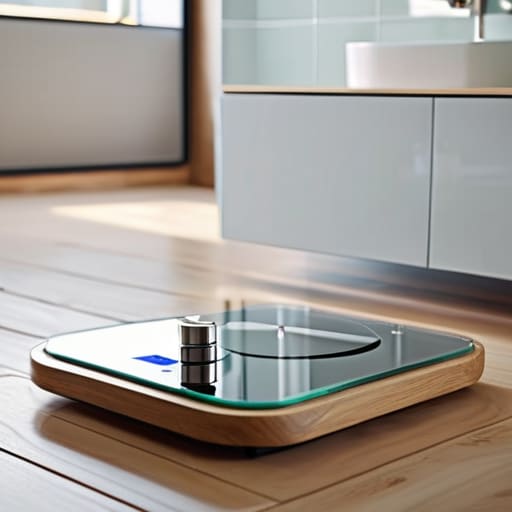
I was sitting at my workbench last Tuesday, cleaning the contacts on an old Marantz receiver, when I realized how much the world has changed for the worse. I looked over at the new “smart scale” my daughter bought me—a sleek, glass slab that claims to know everything about my body composition—and I just shook my head. Most of these smart scales on the market today are nothing more than glorified, overpriced paperweights wrapped in a shiny app that crashes if you look at it sideways. They promise you a roadmap to health, but half the time, they can’t even give you a consistent reading from one minute to the next.
I’m not here to sell you on the latest digital gimmick or some lifestyle fantasy. My goal is to cut through the marketing fluff and tell you which of these devices actually have the build quality to last and the sensor accuracy worth your time. I’ve spent my career looking at how things are put together, and I’m going to apply that same scrutiny here. I’ll show you how to spot the expensive plastic and find the few tools that actually provide reliable data without making you jump through a dozen software hoops just to see a number.
Table of Contents
The Truth About Smart Scale Accuracy and Reliability
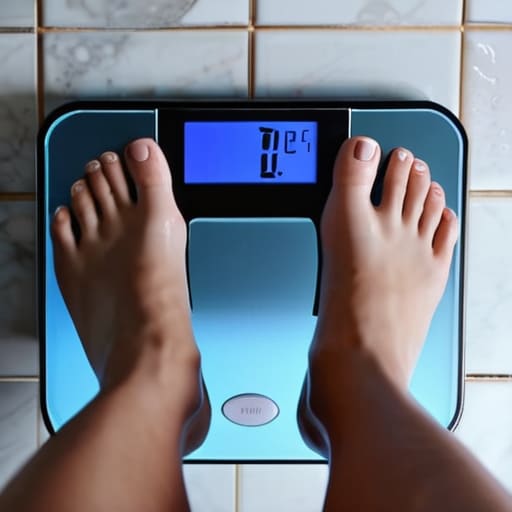
Here’s the truth: most of these gadgets use bioelectrical impedance analysis to guess what’s happening inside your body, and they aren’t perfect. They send a tiny electrical current through your feet to estimate things like your body fat percentage tracking or muscle mass monitoring. Now, as an engineer, I can tell you that a measurement is only as good as the consistency of the test. If you step on the scale with damp feet one day and bone-dry feet the next, you’re going to get two different numbers. That isn’t a “health trend”—it’s just bad data.
You need to stop obsessing over the specific number and start looking for consistency over time. I’ve seen plenty of these flimsy devices give wildly different readings just because you moved your foot an inch to the left. If a manufacturer can’t guarantee stable smart scale accuracy, then the data they’re feeding into your phone is essentially useless. Don’t let a shiny interface fool you; if the hardware can’t provide a reliable baseline, you’re just paying for a glorified bathroom scale that tells tall tales.
Why Bioelectrical Impedance Analysis Matters for Real Data
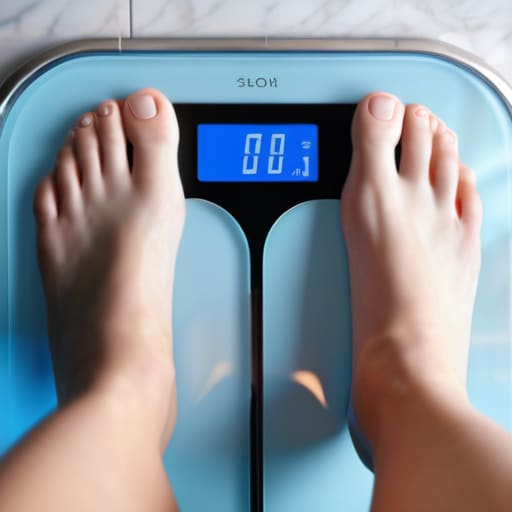
Now, most of these gadgets use a process called bioelectrical impedance analysis to guess what’s going on inside your body. It sounds fancy, but here is the plain truth: the scale sends a tiny, imperceptible electrical current through your legs to measure resistance. Since water conducts electricity better than fat does, the machine uses that resistance to calculate your body composition. It’s not magic, and it’s certainly not a medical-grade scan, but it’s the mechanism that allows for body fat percentage tracking without needing a lab technician.
The real value isn’t in a single reading—I wouldn’t trust any single number a consumer device spits out—but in the long-term trends. If you are serious about muscle mass monitoring, you need a device that stays consistent so you can see if your efforts in the gym are actually paying off. If the sensor quality is cheap, the data will jump around like a scratched record, making it impossible to tell if you’ve actually gained muscle or if the scale just had a bad day. Focus on the trend, not the daily number.
Five Things to Check Before You Hand Over Your Cash
- Check the build quality first. If the platform is made of thin, flimsy plastic that flexes when you step on it, the sensors are going to give you garbage readings. Look for a heavy-duty tempered glass or a solid metal base that feels like it can actually withstand a few years of daily use.
- Don’t get blinded by the app features. A lot of these companies try to sell you on fancy “AI coaching” or subscription services. That’s just a way to keep your money flowing. You want a scale that provides clear, consistent data without forcing you to pay a monthly fee just to see your own weight.
- Verify the sensor placement. If you’re looking for body fat percentages, you need a scale with decent electrode spacing. If the contact points are too small or poorly positioned, the electrical signal won’t travel through your body correctly, and you’ll end up with numbers that are more guesswork than science.
- Test for consistency, not just accuracy. I don’t care if the scale says you weigh exactly 185.4 lbs; I care if it says the same thing three times in a row. Step on it, step off, and step on again. If the numbers are jumping around like a nervous teenager, put it back on the shelf.
- Make sure it works with the hardware you already own. There’s no sense in buying a high-end scale if it won’t sync with the health app on your phone. Read the fine print on compatibility before you buy, or you’ll end up with a piece of tech that’s nothing more than a glorified, overpriced bathroom scale.
My Bottom Line on Buying a Smart Scale
Don’t get distracted by flashy apps or colorful displays; if the scale can’t consistently give you the same reading three times in a row, it’s a piece of junk.
Understand that BIA technology is an estimation, not a medical-grade measurement, so look for brands that prioritize consistency over “revolutionary” new features.
Stick to hardware that feels solid under your feet—if the platform is flimsy or the sensors feel cheap, the data it spits out won’t be worth the effort.
The Bottom Line on Digital Data
I don’t care how many colorful graphs your smartphone app spits out; if the sensor on the platform can’t give me a consistent reading three times in a row, it isn’t a tool—it’s a toy.
Roland Delacroix
The Bottom Line on Smart Scales
At the end of the day, don’t let the flashy marketing fool you. We’ve covered why you need to look past the sleek glass finish and actually scrutinize the BIA technology and the consistency of the sensor readings. A scale that gives you a different body fat percentage every time you step on it isn’t a health tool; it’s a source of frustration. If the manufacturer is forcing you into a buggy, subscription-based app just to see your own weight, they aren’t selling you a piece of engineering—they’re selling you expensive plastic designed to drain your wallet. Stick to the brands that prioritize sensor stability and data transparency over fancy interface animations.
My advice is simple: buy for the hardware, not the hype. You want a device that feels solid underfoot and provides data you can actually trust to make informed decisions about your health. Technology should serve you, not the other way around. Use these tools to track your progress, but remember that no gadget replaces the fundamentals of a good diet and consistent movement. Invest in equipment that is built to last, and stop chasing every shiny new gimmick that hits the shelf. Get the right tool, use it properly, and get back to the real work of staying healthy.
Frequently Asked Questions
If I step on the scale at different times of the day, am I going to get a completely different set of numbers?
Short answer: Yes, you absolutely will. If you step on that scale right after a heavy meal or a workout, those numbers are going to be a mess. Your body weight fluctuates constantly based on hydration, salt intake, and even when you last used the restroom. My advice? Stop chasing the daily fluctuations. Pick one time—ideally first thing in the morning, before coffee, after using the bathroom—and stick to it. Consistency is the only way to see real trends.
Do these fancy body fat percentages actually mean anything, or is the sensor just guessing?
Look, I’ll give it to you straight: those body fat percentages aren’t gospel. The sensor sends a tiny electrical current through you, and based on how fast it moves, it makes an educated guess. It’s not a medical-grade DEXA scan. If you’re looking for a perfect number, you’re chasing a ghost. Use the percentage to track trends over time, but don’t treat it like an absolute truth. It’s a direction, not a destination.
Is it worth spending a hundred bucks on a brand name, or can I get the same reliability from a cheaper model?
Look, you don’t need to drop a hundred bucks just for a logo, but don’t fall for the $15 bargain bin models either. In my experience, the cheap ones use subpar sensors that drift every time you step on them. I’d rather pay a bit more for a reputable brand that uses consistent components. You’re paying for the engineering and the calibration, not just the marketing. Buy mid-range; avoid the bottom-tier junk.
