I was sitting in my workshop last Tuesday, cleaning the dust off an old Marantz receiver, when my grandson tried to show me his latest gadget. He was hovering over some complex menu, scrolling through notifications that looked more like a miniature telephone than a tool. It got me thinking about the massive amount of money people throw away when they can’t tell the difference between fitness trackers vs smartwatches. Most folks walk into a store thinking they need every bell and whistle available, only to realize they’ve bought a glorified, expensive paperweight that requires charging every six hours.
I’m not here to sell you on the latest shiny trend or some marketing gimmick designed to drain your bank account. My goal is simple: I want to help you figure out which device actually serves a purpose in your daily life. I’ve spent enough years looking at schematics and build quality to know when a product is built to last and when it’s just overpriced plastic. In the following breakdown, I’ll strip away the hype and tell you exactly what you’re paying for, so you can buy something that actually works.
Table of Contents
Fitness Trackers
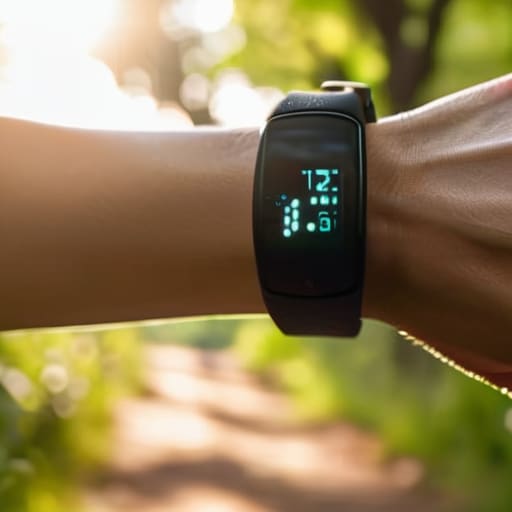
A fitness tracker is a streamlined wearable device designed primarily to monitor your physical activity through built-in sensors like accelerometers. These gadgets focus on a single objective: capturing data points such as step counts, heart rate, and sleep patterns to give you a snapshot of your daily movement. When you are looking at fitness trackers vs smartwatches, it is important to remember that these are built for efficiency and simplicity rather than complex computing.
I’ve spent enough time around manufacturing lines to know that sometimes, less is more. You don’t need a computer strapped to your wrist just to know if you hit your ten thousand steps today. If you just want a reliable piece of hardware that tracks your progress without requiring a daily charge or a software update every Tuesday, these are for you. They serve a purpose without the unnecessary bells and whistles that usually just end up breaking or draining your patience.
Smartwatches
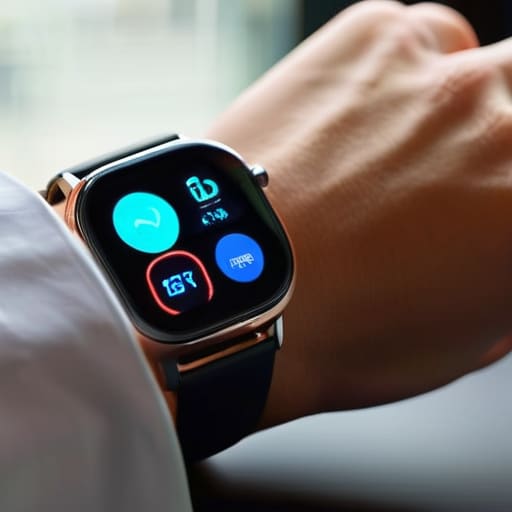
A smartwatch is essentially a miniaturized computer worn on the wrist, capable of running various applications and connecting deeply to your smartphone’s ecosystem. Beyond just counting steps, these devices aim to act as a centralized hub for notifications, calls, music control, and even mobile payments. They represent the high-end end of the spectrum in the debate of fitness trackers vs smartwatches, offering a level of digital integration that goes far beyond basic biometrics.
Now, I’ll be the first to admit that the connectivity can be impressive, but I also see a lot of expensive plastic being sold as “innovation.” From my perspective, a smartwatch is a tool for someone who wants their entire digital life summarized in a glance. If you find yourself constantly checking your phone for messages or needing to manage your calendar on the fly, the utility is there. Just make sure you aren’t paying a premium for features that will be obsolete in eighteen months.
Comparison of Fitness Trackers vs. Smartwatches
| Feature | Fitness Trackers | Smartwatches |
|---|---|---|
| Primary Focus | Health & Activity Monitoring | General Connectivity & Lifestyle |
| Key Features | Step counting, sleep tracking, heart rate | Apps, calls, texting, NFC payments |
| Battery Life | Long (7–14+ days) | Short (1–3 days) |
| Form Factor | Slim, lightweight band | Larger, watch-style display |
| Price | Budget-friendly to Mid-range | Mid-range to Premium |
| Best For | Athletes and data-focused users | Tech enthusiasts and multitaskers |
Biometric Data Sensors and Heart Rate Monitoring Accuracy
Look, if you’re buying these gadgets to monitor your health, the numbers they spit out actually have to mean something. It doesn’t matter how many fancy notifications pop up on your wrist if the sensor is giving you garbage data while you’re actually pushing yourself. If the heart rate reading is off by twenty beats per minute during a climb, you aren’t tracking fitness; you’re just playing a guessing game with expensive plastic.
In my experience, smartwatches generally take the lead here because they have the physical real estate for better sensor arrays. They usually pack multiple light-emitting diodes to get a cleaner reading through the skin. Fitness trackers, being much smaller and thinner, often struggle with signal interference when you move your arm too much. They’re fine for checking your pulse while sitting on the sofa, but they tend to lose the plot once you start breaking a sweat.
If you want a device that acts like a legitimate piece of diagnostic equipment, the smartwatch is the clear winner. Don’t settle for a tracker if you actually need reliable biometric accuracy.
Smartwatch Features vs Fitness Bands and Battery Life Comparison
Here is the problem with most modern gadgets: they are useless if they are sitting on a charger instead of your wrist. When you’re out on a trail or halfway through a workday, you don’t want to be playing “guess the percentage” with a device that dies before sunset. Choosing between a smartwatch and a tracker often comes down to a trade-off between constant connectivity and actual endurance.
Smartwatches are essentially miniature computers strapped to your arm. They’ll show you your emails, take calls, and run GPS maps, but that processing power is a massive drain on the battery. You’ll likely be looking for a power outlet every single night. On the other hand, fitness bands are stripped-down tools. They don’t try to do everything, which means they can often run for a week or more on a single charge.
If you need a device that acts as a secondary phone, you’ll have to accept the nightly charging ritual. But if you just want a reliable tool that tracks your movement without constant babysitting, the fitness band wins. For pure, unadulterated reliability and uptime, the fitness tracker takes this round.
The Bottom Line: Don't Buy the Hype
If you just want to know if you’re hitting your step goal or sleeping well, buy a dedicated fitness tracker; don’t pay a premium for a miniature computer on your wrist that you’ll have to charge every single night.
Smartwatches are fine if you need them for calls and texts, but remember that every extra “feature” is just another potential point of failure and another reason for the battery to die when you actually need it.
Before you swipe your card, ask yourself if you’re buying a tool for a specific job or just buying an expensive piece of plastic because it looks shiny.
## The Real Cost of Complexity
“Most people don’t need a miniature computer strapped to their wrist that requires a daily charge and a software update; they just need a reliable piece of hardware that tracks their movement without becoming a glorified, expensive paperweight by Tuesday.”
Roland Delacroix
Making the Right Call
Look, I’ve spent enough time looking at schematics to know that more features don’t always mean better performance. If you just want to track your steps and check your heart rate without being tethered to a charging cable every night, buy a fitness tracker. It’s a tool designed for a specific job, and it does it without the unnecessary bloat. On the other hand, if you need a miniature computer on your wrist that handles calls, texts, and complex apps, then you’ll have to accept the trade-off of a shorter battery life and a higher price tag. Don’t let a marketing department convince you that you need a smartwatch just to count your calories; if the extra sensors and software won’t actually improve your health, they’re just expensive distractions.
At the end of the day, the best piece of technology is the one that actually gets used. I see people buying these high-end smartwatches, letting them sit in a drawer after a week because they’re too complicated or too fragile to wear every day. Don’t fall into that trap. Buy something that fits your actual lifestyle, not the lifestyle you think you should have. Whether it’s a simple band or a robust watch, make sure it is a reliable tool that serves you, rather than a gadget that requires you to serve it. Stick to what works.
Frequently Asked Questions
If I’m only interested in tracking my sleep and steps, am I really overpaying by getting a smartwatch?
If you just want to know how many steps you took and if you slept through the night, then yes, you’re paying for a lot of silicon you don’t need. A smartwatch is a miniature computer strapped to your wrist; it’s overkill for basic metrics. Buy a dedicated fitness tracker instead. It’ll do the job, the battery will last longer, and you won’t be throwing money away on features that just end up distracting you.
How much can I actually trust these sensors to give me accurate medical-grade data?
Look, let’s be clear: neither of these is a medical device. If you’re looking for something to replace a doctor’s diagnostic equipment, stop right there. These sensors are fine for spotting trends—like if your resting heart rate is climbing over a week—but they aren’t precision instruments. They’re prone to “noise” from movement or even how tight the strap sits. Use them for general guidance, but never bet your health on a piece of consumer plastic.
Is the extra battery life on a basic tracker worth the trade-off of losing all the smart notifications?
Look, if you’re the type who gets a twitch every time your wrist buzzes with a junk email or a social media notification, go with the tracker. I value reliability, and nothing is more annoying than a device that demands a charger every single night. But if you actually use your phone for navigation or quick replies, that extra battery life won’t matter much when you’re left staring at a dead screen. Decide what you actually use.
