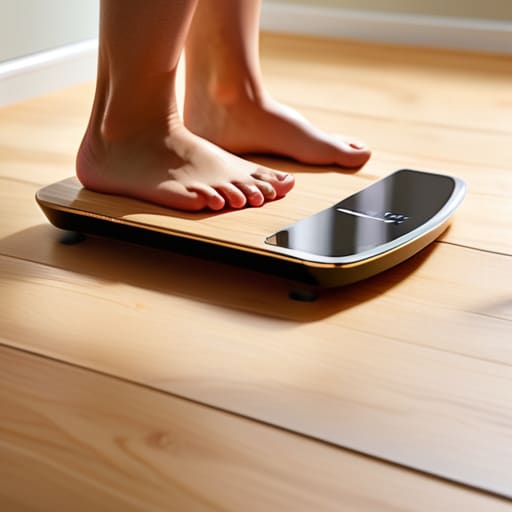
I was sitting in my workshop last Tuesday, cleaning the contacts on an old Marantz receiver, when I realized how much the world has gone sideways with “innovation.” I saw an ad for a high-end smart scale that promised to track everything from your hydration levels to your bone density, all for the low price of a decent set of power tools. It’s absolute nonsense. Most of these gadgets are just glorified bathroom scales wrapped in flimsy, overpriced plastic and tethered to a buggy smartphone app that requires a software update just to tell you that you’ve gained two pounds.
I’m not here to sell you on the latest Silicon Valley gimmick or tell you that a piece of glass and some sensors is going to revolutionize your life. My goal is simpler: I want to help you find a piece of equipment that actually does what it says on the box without making you jump through digital hoops. I’ve spent the last few weeks putting these devices through their paces, looking at the build quality and the consistency of the data. I’ll tell you which ones are worth your hard-earned money and which ones belong in the scrap heap.
Table of Contents
- Demystifying Bioelectrical Impedance Analysis Without the Nonsense
- Why Smart Scale Accuracy Reviews Matter More Than Marketing
- How to Not Get Scammed by Your Own Bathroom Scale
- The Bottom Line: What to Look for Before You Open Your Wallet
- The Truth About the Data
- The Bottom Line
- Frequently Asked Questions
Demystifying Bioelectrical Impedance Analysis Without the Nonsense

Now, let’s get one thing straight: these devices aren’t magic, and they aren’t medical-grade diagnostic tools. Most of these gadgets use something called bioelectrical impedance analysis to guess what’s going on inside your body. Essentially, the scale sends a tiny, imperceptible electrical current through your feet. Since fat resists electricity more than muscle does, the device calculates a ratio to estimate your composition. It’s a clever bit of engineering, but you need to understand the limitations before you start trusting every decimal point it spits out.
The problem is that variables like your hydration levels or even how much coffee you had that morning can throw the numbers off. I’ve seen plenty of body fat percentage tracking data fluctuate wildly just because someone stepped on the scale after a workout. Don’t get caught up in the daily swings. Instead, look for trends over weeks and months. If the numbers are moving in a consistent direction, you’re on the right track. If not, you’re likely just chasing ghosts in the machine.
Why Smart Scale Accuracy Reviews Matter More Than Marketing
If you listen to the glossy brochures, every one of these gadgets is a miracle of modern science. They’ll promise you total mastery over your biology with a few colorful charts on a smartphone screen. But here’s the reality: marketing departments don’t care about precision; they care about sales. I’ve seen too many manufacturers slap a “medical grade” label on a device that’s really just a glorified spring and a cheap sensor. When you’re looking at body fat percentage tracking, you aren’t just looking for a number—you’re looking for consistency. If the device tells you that you gained three pounds of muscle overnight simply because you stepped on it differently, the data is useless.
That is exactly why I tell people to ignore the hype and hunt for smart scale accuracy reviews from people who actually test these things under controlled conditions. A company can claim their bioelectrical impedance analysis is revolutionary, but if the results fluctuate wildly every time you use it, it’s nothing more than an expensive paperweight. You need to see how a unit performs over weeks, not just how it looks in a studio photo. Don’t let a shiny interface fool you; reliability is the only metric that matters when you’re trying to monitor your health.
How to Not Get Scammed by Your Own Bathroom Scale
- Stop relying on a single number. A smart scale is useless if it gives you a different weight every time you step on it; look for models that prioritize consistency over flashy features.
- Check the app requirements before you buy. If the scale requires a constant, high-speed internet connection or a subscription just to see your last three readings, put it back on the shelf.
- Look for physical build quality. I want to see tempered glass and a solid internal frame, not thin, creaky plastic that feels like it’s going to snap when you put your full weight on it.
- Don’t get distracted by “body fat percentage” numbers. These are just educated guesses based on electrical resistance, so treat them as a general trend rather than gospel truth.
- Ensure it works with what you already own. If you’re already using a specific health ecosystem, make sure the scale actually syncs with it instead of forcing you to start a whole new digital paper trail.
The Bottom Line: What to Look for Before You Open Your Wallet
Don’t get blinded by the fancy app features; prioritize a scale with consistent, repeatable readings over one that promises a dozen different body fat percentages that change every time you step on it.
Check the build quality of the platform—if it feels like flimsy, lightweight plastic, it’s likely going to give you erratic results and won’t hold up to daily use in a humid bathroom.
Treat the data as a trend, not gospel; use these devices to see if your numbers are moving in the right direction over weeks and months, rather than obsessing over a single daily measurement.
The Truth About the Data
I don’t care how many colorful graphs your smartphone generates if the baseline number is drifting every time you step on the platform. If a scale can’t maintain mechanical consistency, all that fancy bio-impedance data is nothing more than high-tech guesswork.
Roland Delacroix
The Bottom Line
At the end of the day, don’t let a flashy interface or a celebrity endorsement cloud your judgment. We’ve covered enough ground to know that you need to look past the marketing fluff and focus on the fundamentals: sensor reliability, app stability, and whether the build quality can actually withstand a daily routine in a humid bathroom. A smart scale is meant to be a tool for tracking progress, not a source of frustration. If the device requires a constant struggle with a buggy Bluetooth connection just to show you a number, then it’s failing its primary function. Stick to the brands that prioritize consistent data over fancy animations and remember that build quality is non-negotiable when you’re looking for long-term utility.
I know it’s tempting to chase the latest gadget with every new release, but I urge you to take a breath and think about what you actually need. You aren’t buying a toy; you are investing in a way to monitor your health. Choose a device that integrates seamlessly into your life without demanding constant troubleshooting. When you find a piece of hardware that works exactly as advertised, every single time you step on it, you’ve won. Invest in reliability over hype, and you won’t find yourself throwing another piece of expensive plastic into the junk drawer six months from now.
Frequently Asked Questions
Can I actually trust these body fat percentages, or is it just a fancy guess based on my weight?
Look, I’ll give it to you straight: don’t bank your life on that body fat percentage. These scales use BIA—sending a tiny electrical current through your legs—to estimate composition. It’s a mathematical guess, not a medical grade scan. If you’re dehydrated or just ate a heavy meal, the numbers will swing wildly. Treat the weight as a baseline, but treat the body fat reading as a rough ballpark figure at best.
Do I really need to sync this thing to a smartphone every single time, or is there a way to just see my numbers on the screen?
Look, I get the frustration. I don’t want to spend my morning troubleshooting a Bluetooth handshake just to see if I’ve gained a pound. Most of these modern gadgets force the app because they want your data, not because it’s better for you. If the scale has a decent onboard display, use it. If you have to pull out your phone every single time just to see a basic number, you’ve bought a gadget, not a tool.
How much of a difference does it make if I step on the scale with bare feet versus wearing socks?
Don’t even bother with the socks. If you’re wearing them, you’re essentially sabotaging the sensor. These smart scales use Bioelectrical Impedance Analysis—that means they send a tiny electrical current through your body to estimate body fat. Socks act as an insulator, blocking that connection entirely. If you want a reading that isn’t complete guesswork, step on the scale with bare, dry feet. It’s simple physics, not a suggestion.
