
I spent three decades in manufacturing, where if a component wasn’t built to spec, it didn’t leave the floor. Nowadays, I look at the tech market and honestly, it makes my blood pressure rise. Every time I walk into a store, I see manufacturers trying to sell you a shiny, overpriced piece of glass that’ll be obsolete in eighteen months. People think they need to drop a thousand dollars to stay connected, but that’s just marketing nonsense. You shouldn’t have to sacrifice durability and reliability just because you aren’t looking to buy the latest flagship. I’ve spent the last few weeks digging through the specs and testing the build quality of the best budget smartphones currently on the market to see which ones are actual tools and which ones are just expensive plastic.
In the following list, I’m cutting through the hype to show you five devices that actually earn their keep. I won’t waste your time with fluff about “lifestyle integration” or “ecosystems”; instead, I’ll focus on what matters: battery life, processor stability, and how the damn thing feels in your hand. By the end of this, you’ll know exactly which models offer the best bang for your buck without falling for the flashy, useless gimmicks.
Table of Contents
The Reliable Workhorse: Samsung Galaxy A54

I’ve spent enough time in manufacturing to know that a good design is about consistency, not just flashy gimmicks. The Galaxy A54 is a solid example of a device that doesn’t try to reinvent the wheel but actually delivers on its promises. The screen is bright enough to read even when you’re out in the sun, and the software feels stable enough that you won’t be fighting the interface every five minutes. It’s built with a level of build quality that makes it feel like more than just a disposable gadget.
Built to Last: Google Pixel 7a
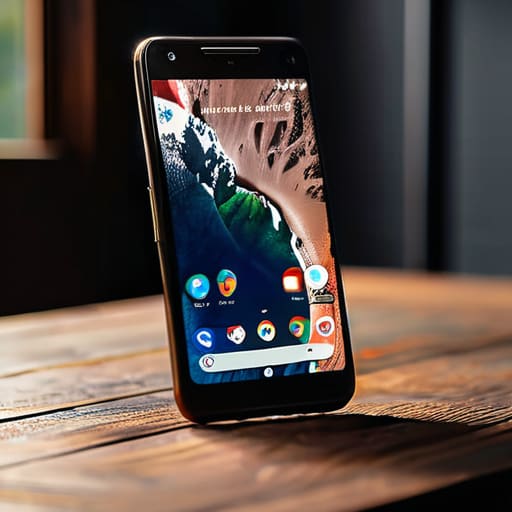
Most budget phones feel like they’re made of recycled milk jugs, but the Pixel 7a has a certain weight and substance to it that I respect. Google has optimized the software so well that the hardware doesn’t have to work nearly as hard to keep up. It’s a clean experience, free from the bloated “junkware” that most manufacturers try to shove into their operating systems just to pad the price.
The Value King: Motorola Moto G Stylus

I’ve always had a soft spot for tools that serve a specific purpose, and the inclusion of a stylus on this Motorola makes it more of a tool than a toy. It’s not meant for professional illustrators, but for jotting down a quick note or signing a digital document, it’s incredibly practical. The design is straightforward, and I find the interface to be refreshingly simple for anyone who doesn’t want to spend an afternoon reading a manual.
Pure Efficiency: Nothing Phone (2a)
Now, I’m usually skeptical of anything that looks like it’s trying too hard to be “cool,” but there is some actual engineering logic behind the Nothing Phone (2a). The way they’ve streamlined the software to keep things running smoothly is impressive for a mid-range device. It avoids the typical heat issues I see when budget processors are pushed too hard, which tells me they actually thought about the thermal management during the design phase.
The Budget Standard: Xiaomi Redmi Note 13
If you are looking to spend as little as possible without buying something that will break in a month, the Redmi Note 13 is your best bet. It’s a high-volume producer, and you can tell they’ve optimized their supply chain to keep costs down without completely sacrificing the essential components. The screen is surprisingly sharp for the price, which is a rarity in this segment of the market.
The Bottom Line on Buying Cheap
Stop chasing high-resolution camera specs on a budget; you’re usually just paying for a sensor wrapped in cheap, fragile housing that won’t survive a drop.
Prioritize battery capacity and build materials over flashy software gimmicks—a phone that dies by noon is nothing more than an expensive paperweight.
Look for brands that offer consistent software updates, because a device is useless if it becomes a security liability or runs like sludge after six months.
## The Real Cost of Cheap Tech
“I’ve spent enough years on manufacturing floors to know that if a company isn’t charging you for build quality, they’re charging you for a marketing budget. A budget smartphone shouldn’t be a gamble on how many months it takes for the battery to swell or the screen to delaminate; it should just be a reliable tool that does its job without requiring a service contract.”
Roland Delacroix
The Bottom Line
At the end of the day, choosing a budget smartphone isn’t about finding the most bells and whistles; it’s about finding the right balance between cost and operational reliability. We’ve looked at several options that manage to avoid the common pitfall of being nothing more than overpriced, fragile glass. Whether you prioritize a battery that won’t die on you by noon or a processor that doesn’t lag the moment you open a simple map, the goal remains the same: getting functional value for every dollar spent. Don’t let a marketing department convince you that you need a thousand-dollar device just to make a phone call or check your email.
I’ve spent most of my life looking at schematics and build tolerances, and I can tell you that the trend toward “disposable tech” is a mistake. When you buy one of these devices, you are looking for a tool that integrates into your life without causing a headache. Stop chasing the latest trends and start looking for the solid engineering underneath the plastic casing. If you buy something that is built to last and does exactly what it says on the box, you’ve already won the game. Now, put down the catalog, pick the one that makes sense for your actual needs, and stop overpaying for prestige.
Frequently Asked Questions
Is it worth spending an extra fifty bucks for a brand name, or can I trust these budget models to actually hold up over a few years?
Look, I’ve seen enough planned obsolescence in my time to know the score. If that extra fifty bucks gets you a name brand with a proven track record of software updates and better thermal management, take the deal. But if you’re just paying for a logo on a piece of cheap housing, don’t. I’d rather have a reliable, no-frills budget model that’s built with decent internals than a “premium” phone that bricks itself in eighteen months.
How much does a cheaper processor actually matter for daily tasks, or is it all just marketing fluff?
Look, I’ve seen enough engineers try to sell “peak performance” to know when you’re being sold a bill of goods. For scrolling through news or checking emails, a top-tier processor is pure vanity. You don’t need a racing engine to drive to the grocery store. However, don’t go too cheap; if the chip is bottom-shelf, you’ll deal with lag and heat. Find the middle ground—enough power to be snappy, but not a penny more.
Can I actually get decent battery life out of these lower-priced units, or am I going to be tethered to a wall outlet by noon?
Look, I’ve seen this pattern before. Manufacturers often cut corners on the processor to save a buck, and a weak chip is a power hog. However, if you pick a model with a high-capacity cell and a screen that isn’t unnecessarily bright, you won’t be hunting for an outlet by lunchtime. Just check the milliampere-hour (mAh) rating before you buy. Don’t let them sell you a “slim design” if it means a tiny battery.
