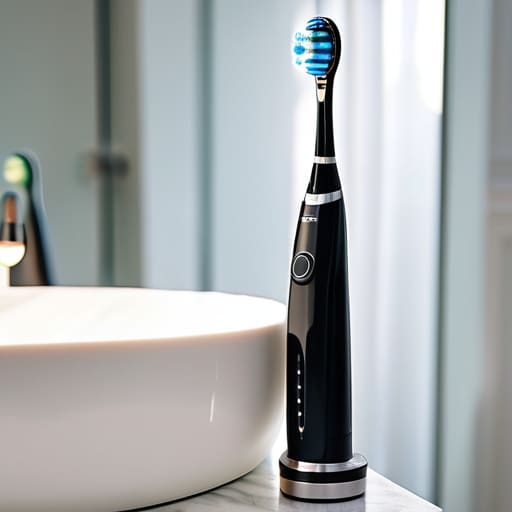
I was sitting at my workbench last Tuesday, cleaning the contacts on a 1970s Marantz receiver, when I realized how much the world has gone to hell with modern gadgetry. I saw an ad for some “smart” electric toothbrush that claimed it could sync with your smartphone to give you a real-time heat map of your mouth. Give me a break. I spent thirty years in systems engineering; I know when a company is trying to sell you a software subscription for something that should just be a simple mechanical tool. You don’t need an app to tell you if you missed a spot; you just need a motor that doesn’t burn out after six months of heavy use.
I’m not here to sell you on the latest bells and whistles or some overpriced piece of junk that belongs in a landfill. My goal is simple: I want to help you find an electric toothbrush that actually does its job without requiring a degree in computer science to operate. I’ve spent the last few weeks tearing into the specs and testing the build quality of the top contenders on the market. I’ll tell you exactly which ones are built to last and which ones are just expensive plastic designed to break the moment the warranty expires.
Table of Contents
Sonic vs Oscillating Technology Which One Actually Works
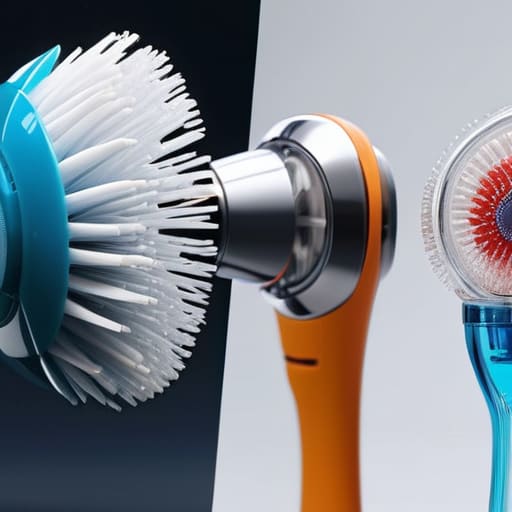
When you look at the marketing brochures, they make it sound like magic. But if we strip away the fancy animations, we’re really just looking at two different mechanical approaches to cleaning your teeth. Oscillating brushes use a rotating head that physically scrubs back and forth. It’s a brute-force method, much like a small, high-speed buffer used in a machine shop. On the other hand, sonic models use high-frequency vibrations to create fluid dynamics that sweep between the teeth.
In my testing, the choice between sonic vs oscillating technology usually comes down to how your mouth reacts to the sensation. If you have a heavy hand or struggle with irritation, the sonic approach is often the best toothbrush for sensitive teeth because it relies on vibration rather than aggressive physical scrubbing. However, if your main concern is sheer plaque removal efficiency, those oscillating heads tend to be more effective at physically breaking up stubborn buildup. I don’t care about the bells and whistles; I care about which motor is actually doing the heavy lifting without causing unnecessary wear on your enamel.
Smart Toothbrush Features Useful Tools or Expensive Plastic
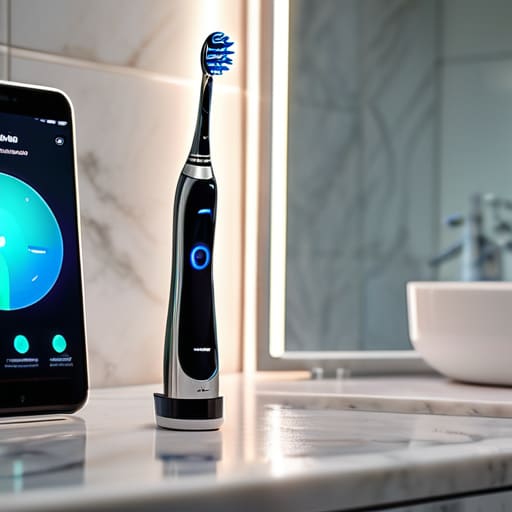
Now, let’s talk about these “smart” toothbrushes that seem to be everywhere lately. Manufacturers are practically begging you to pay an extra hundred dollars for a device that connects to your smartphone via Bluetooth. They claim these smart toothbrush features will track your brushing habits and provide real-time feedback through a colorful app. From an engineering standpoint, I have to ask: why? You’ve been brushing your teeth for decades without a data analyst telling you if you missed a molar. Most of this is just unnecessary software layered over a simple mechanical task.
In my experience, if you’re looking for real value, you should focus on the hardware’s ability to provide effective plaque removal efficiency rather than how many notifications it can send to your phone. If a device requires a firmware update just to clean your teeth, it’s a sign of over-engineering. If you have delicate gums, look for a model with a pressure sensor—that’s a practical, mechanical safeguard. But if they’re charging you a premium just for a digital map of your mouth, you’re likely just paying for expensive plastic and marketing fluff.
How to Not Throw Your Money Down the Drain: 5 Rules for Buying
- Look at the brush head connection, not the box. If the plastic where the head meets the handle feels thin or flimsy, it’s going to wobble within six months. You want a solid, integrated fit that doesn’t feel like a cheap toy.
- Stop paying for the Bluetooth nonsense. I don’t care if an app tells me I missed a spot in my upper left molar; I can feel that with my own teeth. If a feature requires a smartphone to function, it’s just another point of failure.
- Check the battery type before you pull the trigger. I’ve seen too many “high-end” models die because they used cheap cells that won’t hold a charge after a year of daily use. If they don’t list the battery specs, keep walking.
- Prioritize pressure sensors over “modes.” You don’t need a “sensitive” or “whitening” mode that just changes the vibration frequency; you need a device that actually tells you when you’re pressing too hard and risking your enamel.
- Consider the long-term cost of replacement heads. A toothbrush might be cheap upfront, but if the proprietary replacement heads cost twenty bucks a pop and you have to swap them every three months, you’re getting fleeced. Do the math first.
The Bottom Line: What to Look for Before You Buy
Focus on the motor, not the app. A toothbrush with a solid, consistent vibration pattern will do more for your teeth than any Bluetooth connection or smartphone tracking software ever will.
Don’t pay the “smart” tax. If a feature requires you to stare at a screen just to brush your teeth, it’s probably just more unnecessary circuitry that’s destined to fail in two years.
Prioritize build quality and battery life. Look for something that feels substantial in your hand and holds a charge for more than a week; if it feels like a cheap toy, it’s going to act like one.
The Bottom Line on Brushing
At the end of the day, I don’t care if a toothbrush can sync to your smartphone or track your brushing habits in 3D; I care if the motor is built to last and if the bristles actually clean your teeth without falling apart in six months.
Roland Delacroix
The Bottom Line
At the end of the day, choosing an electric toothbrush shouldn’t feel like you’re trying to program a flight computer. We’ve looked at the mechanics—whether you prefer the high-frequency buzz of sonic tech or the steady rotation of an oscillating head—and we’ve stripped away the nonsense of “smart” apps that just want to collect your data. If you want a clean mouth, you don’t need a Bluetooth connection or a digital coach breathing down your neck; you need a motor that has enough torque to do the job and a battery that won’t quit on you after three months. Stick to the proven mechanical fundamentals and don’t let the marketing departments convince you that a gadget is better just because it has more blinking lights.
My advice is simple: look for build quality over bells and whistles. I’ve spent enough time taking apart failed machinery to know that complexity is often just a hiding place for poor engineering. Buy a model that feels solid in your hand, has replaceable heads that aren’t priced like gold bullion, and does exactly what it says on the box. You aren’t buying a piece of high-tech jewelry; you’re buying a tool for your health. Invest in something reliable, keep it simple, and stop paying a premium for expensive plastic that serves no real purpose.
Frequently Asked Questions
How often am I actually going to have to spend money on replacement brush heads?
Here’s the reality: you’re looking at a replacement every three months, dead on. I know, it feels like a recurring tax on your wallet, but those bristles fray and lose their structural integrity long before you notice it visually. If you keep using a worn-down head just to save a few bucks, you’re basically just scrubbing your teeth with a blunt stick. Buy the heads in bulk when they’re on sale—don’t get caught short.
Are these rechargeable batteries going to die on me after a year, or can I actually get some longevity out of them?
Look, I’ve seen enough lithium-ion cells fail in my workshop to know that “rechargeable” doesn’t always mean “long-lasting.” Most of these high-end brushes use integrated batteries that you can’t swap out. If the cell degrades after eighteen months, the whole unit becomes expensive landfill. If you want longevity, look for models with user-replaceable battery packs or, better yet, check the manufacturer’s warranty on the power cell specifically. Don’t buy a paperweight.
Do I really need to worry about the pressure sensors, or is that just another gimmick to jack up the price?
Look, I’ll give you credit where it’s due: the pressure sensor isn’t just another gimmick. In my engineering days, we called that a feedback loop, and it’s vital. Most people—myself included—tend to scrub too hard when we’re tired, which does a number on your gums. If a brush can actually tell you to back off, it’s worth the extra few bucks. It’s one of the few “smart” features that actually prevents damage.
