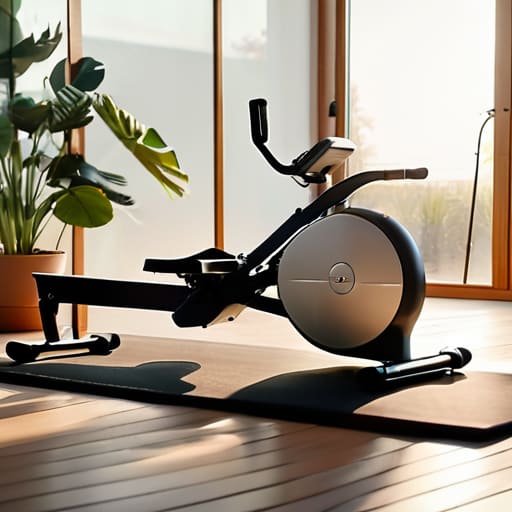
I was tinkering with a vintage Marantz receiver last weekend when I realized something: we’ve lost the art of building things that actually last. I see the same problem happening in the fitness industry, where companies try to sell you “smart” fitness rowing machines that are basically just glorified tablets glued to a flimsy aluminum rail. You don’t need a touchscreen with a subscription service just to pull a handle; you need a machine with a solid drive system and a frame that won’t creak the moment you put some real tension on it. Most of these modern setups are nothing more than expensive plastic designed to be replaced in two years.
I’m not here to sell you on some high-tech gimmick or a flashy app that’ll be obsolete by next Christmas. My goal is to cut through the marketing fluff and look at the actual mechanics of these machines. I’m going to show you how to spot the difference between a precision-engineered tool and a piece of junk that’s going to end up in a landfill. If you want to know which machines are built with real integrity and which ones are just wasting your hard-earned money, you’ve come to the right place.
Table of Contents
Magnetic vs Water Resistance Rowers Which Actually Lasts
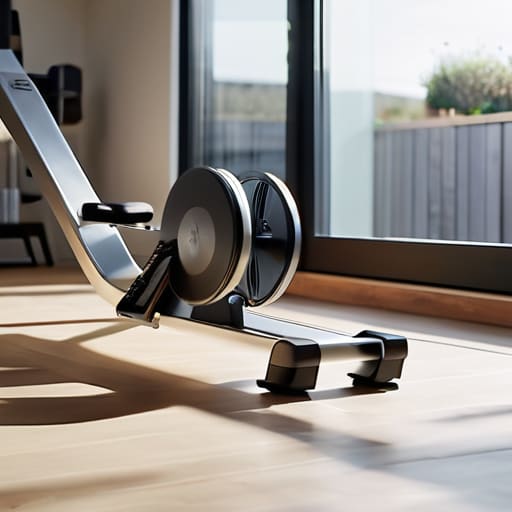
When you’re looking at magnetic vs water resistance rowers, you have to look past the glossy marketing brochures and look at the actual mechanics. Magnetic machines are the “set it and forget it” option. They use a series of magnets to create resistance, which means there are very few moving parts to wear down. They are quiet—which I appreciate when I’m working on my hi-fi gear in the next room—and they are generally more reliable for long-term use because you aren’t dealing with fluid dynamics. However, they can feel a bit artificial. You aren’t getting that organic pull, just a steady, predictable tension.
Water rowers, on the other hand, use a tank to simulate the feel of being on a lake. The sound is therapeutic, but from an engineering standpoint, they introduce a variable: maintenance. You’ve got water in there, which means you have to worry about algae or mineral buildup if you don’t treat it properly. If you want a machine that offers a more natural sensation for your indoor rowing workout benefits, water is the way to go, but don’t expect it to be zero-maintenance. If you want something that won’t give you a headache after six months, stick to the magnets.
The Truth About Full Body Cardio Machines That Fail
I’ve seen it a dozen times in my workshop: a piece of equipment that looks impressive in a glossy brochure but falls apart the moment you apply real mechanical stress. Most full body cardio machines on the market today are designed by committee, not by engineers. They focus on flashy touchscreens and “connected fitness rowing technology” that requires a monthly subscription just to turn the machine on. But once that software becomes obsolete or the tablet cracks, you’re left with nothing but a heavy, expensive paperweight.
The real failure point is usually the frame and the pivot points. When manufacturers prioritize aesthetics over structural integrity, you end up with a machine that wobbles under load. If the chassis isn’t rigid, your rowing machine ergonomics go right out the window because you’re fighting the machine’s instability instead of focusing on your form. Don’t get distracted by a high-definition screen; if the steel isn’t thick enough and the bearings aren’t sealed, you aren’t buying a tool—you’re buying a temporary distraction that’ll end up in a landfill by next year.
Five Things to Check Before You Hand Over Your Hard-Earned Cash
- Look for a heavy steel frame. If the machine feels light enough to move with one hand, it’s going to wobble and rattle the moment you start pulling with any real force. You want something with actual mass that stays planted on the floor.
- Check the rail mechanism. Don’t just slide it back and forth once; look for smooth, consistent movement without any grinding sounds. A cheap, poorly machined rail will eventually catch or stutter, and that’s a headache you don’t need.
- Inspect the seat and rollers. A lot of these companies cut corners on the bearings. If the seat feels jerky or uneven, those rollers are going to wear down or seize up in six months. It should glide like it’s on ice.
- Avoid the “Smart” trap. I don’t care if a machine has a giant touchscreen with a monthly subscription attached to it. A rowing machine is a mechanical tool, not a tablet. Focus on the build quality of the hardware, not the software that’ll be obsolete in two years.
- Test the resistance adjustment. Whether it’s a knob or a lever, it needs to feel robust. If the resistance adjustment feels flimsy or like it’s made of thin, cheap plastic, the internal mechanism is likely to snap under tension.
The Bottom Line: Don't Get Taken for a Ride
Stop chasing the fancy digital screens and look at the frame; if it’s not heavy-duty steel, it’s just going to wobble and creak the first time you put some real power into a stroke.
Choose your resistance wisely—magnetic is quieter and easier to maintain, but if you want a machine that actually mimics the feel of a real boat, you’ll have to deal with the upkeep of a water rower.
Always check the weight capacity and the build quality of the seat rails before you pull out your credit card; a machine that feels flimsy in the showroom will be a total disaster in your living room within six months.
The Real Cost of Cheap Hardware
“Most people look at the monthly payment on a fitness app, but they forget to look at the frame. If a rowing machine is built with thin-walled aluminum and plastic pulleys instead of steel and heavy-duty bearings, you aren’t buying a piece of gym equipment—you’re buying a future trip to the landfill.”
Roland Delacroix
Making the Right Call
Look, I’ve spent enough time looking at blueprints to know that if the foundation is weak, the whole structure is junk. When it comes to rowing machines, that means you can’t ignore the mechanics. Whether you decide to go with the smooth, low-maintenance pull of a magnetic system or the more natural, rhythmic drag of a water rower, make sure you are checking the frame integrity and the quality of the resistance mechanism before you swipe your card. Don’t get distracted by fancy touchscreens or apps that will be obsolete in two years; focus on the build quality and the durability of the actual moving parts. If the machine feels flimsy when you’re sitting on it in the showroom, it’s going to fall apart after six months of real use in your garage.
At the end of the day, a piece of fitness equipment is an investment in your own health, and you shouldn’t have to treat it like a disposable gadget. Buy something that is built to be repaired, not replaced. I’ve always believed that if you take care of your tools, they’ll take care of you. So, stop chasing the latest marketing gimmicks and start looking for a machine that offers mechanical reliability. Get something solid, set it up, and get to work. You’ll thank yourself when you’re still using that same machine five years from now while your neighbor is out buying another piece of expensive plastic junk.
Frequently Asked Questions
Is it worth paying the extra premium for a wooden frame, or is the steel build actually more durable in the long run?
Look, if you’re asking about durability, don’t get blinded by aesthetics. Steel is the industry standard for a reason—it’s rigid and handles high-stress loads without flexing. However, if you’re looking at high-end ash or oak frames, you’re paying for natural vibration dampening. A wooden frame feels smoother and quieter, which is nice, but a well-welded steel frame will outlast a wooden one every single time. Buy the steel; it’s harder to break.
How much maintenance am I really looking at for a water rower compared to a magnetic one?
If you want a “set it and forget it” machine, stick with magnetic. You’ll just need to wipe down the rails occasionally. Water rowers, however, aren’t hands-off. You’ve got to treat that tank like a small aquarium. Every few months, you’ll need to drain it, clean the tank, and swap out the water to prevent algae buildup. It’s more realistic maintenance, but if you’re lazy, that water is going to turn into a swamp.
Can I actually find replacement parts for these machines in five years, or am I just buying a high-priced paperweight?
Here’s the hard truth: most of these “smart” rowers are designed for the landfill. If you buy a machine that relies entirely on a proprietary tablet or a specific app to function, you’re buying a ticking time bomb. In five years, when that software is obsolete or the company goes under, you’ll be left with an expensive paperweight. Look for machines with standard, mechanical components—bolts, belts, and pulleys—that you can actually service yourself.
