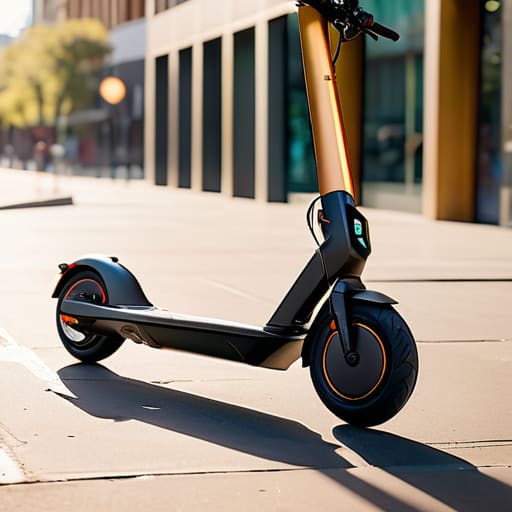
I was out in the garage last Tuesday, stripping down a vintage Marantz receiver, when I saw my neighbor struggling with one of those flashy, neon-colored electric scooters he’d bought online. The thing looked like it was held together by nothing but prayer and cheap adhesive, and within ten minutes, the steering column was wobbling like a loose bolt on an old lathe. It’s the same story every time I see them: companies are slapping high-tech marketing labels on what are essentially disposable toys. Most people think they need a computer in their dashboard to navigate a sidewalk, but frankly, I think most of these electric scooters are just expensive plastic junk designed to fail the moment you hit a real curb.
I’m not here to sell you on the latest smart-app integration or a color scheme that looks good in a social media post. My goal is to look under the hood—metaphorically speaking—and tell you which models actually have the structural integrity to last more than a month. I’ll be focusing on frame materials, motor torque, and battery reliability, because at the end of the day, a tool is only as good as its reliability. If you want the truth about what’s worth your hard-earned money, you’ve come to the right place.
Table of Contents
- The Best Electric Scooters for Commuters Who Value Reliability
- Essential Portable Electric Scooter Features That Arent Just Gimmicks
- Five Rules of Thumb Before You Hand Over Your Hard-Earned Cash
- The Bottom Line: Don't Get Fooled by the Spec Sheet
- The Real Cost of Cheap Engineering
- Don't Get Fooled by the Marketing Gloss
- Frequently Asked Questions
The Best Electric Scooters for Commuters Who Value Reliability
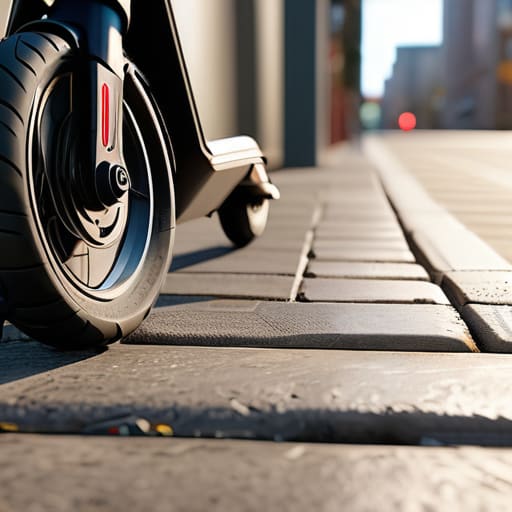
If you’re using one of these machines to get from point A to point B every morning, you don’t need bells and whistles; you need something that won’t leave you stranded on a sidewalk halfway to the office. I’ve seen too many “innovative” models that fall apart the moment they hit a cracked pavement. When looking for the best electric scooters for commuters, look for a solid frame and decent mechanical braking. I tend to favor models with a reinforced aluminum chassis over those flimsy, lightweight versions that feel like they’re made of recycled soda cans.
You also need to consider how much weight you’re actually carrying. If you have to take the train or climb stairs, certain portable electric scooter features like a quick-release folding mechanism become essential, but don’t sacrifice stability for the sake of a lighter build. A scooter that folds easily but wobbles when you hit ten miles per hour is a liability, not a tool. I always tell people: check the motor’s torque rating before you buy. If it struggles on a slight incline, you’re just buying an expensive paperweight.
Essential Portable Electric Scooter Features That Arent Just Gimmicks
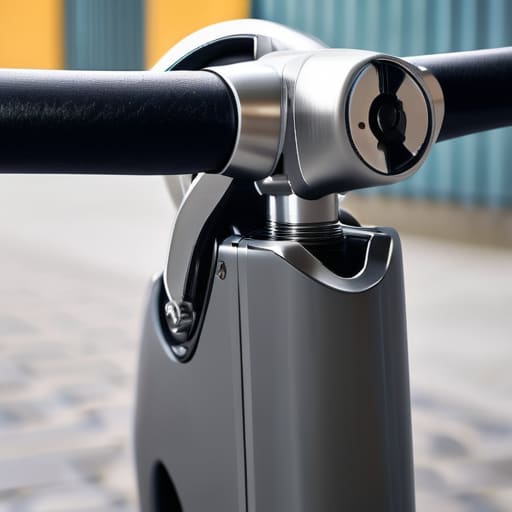
When you’re looking at a spec sheet, don’t get blinded by the flashing LED lights or the fancy smartphone app integration. Most of that is just marketing fluff designed to separate you from your hard-earned cash. I’ve seen enough “smart” gadgets fail because the software crashed, leaving you stranded. If you want real value, look at the structural integrity of the folding mechanism. A lot of these lightweight models use cheap, thin-walled aluminum that wobbles the moment you hit a curb. If the hinge doesn’t feel rock-solid when you lock it in place, walk away. That’s not a feature; it’s a liability.
Next, pay attention to the braking system. I don’t care how fast a manufacturer claims a motor can spin if you can’t stop on a dime. Avoid anything that relies solely on a tiny electronic brake; you want a mechanical disc brake or at least a reliable drum brake. When evaluating portable electric scooter features, look for a wide deck and decent tire volume. Pneumatic tires might be a bit more maintenance, but they provide the dampening you need so your teeth don’t rattle every time you hit a crack in the pavement.
Five Rules of Thumb Before You Hand Over Your Hard-Earned Cash
- Check the frame material, not just the color. I don’t care how many “smart features” the manufacturer promises; if the chassis is made of thin, lightweight aluminum that flexes when you stand on it, you’re essentially riding a motorized paperweight. Look for heavy-duty, reinforced alloys.
- Don’t get seduced by the digital dashboard. A bright LED screen telling you your “eco-mode” status is useless if the actual battery cells are bottom-shelf junk. I’d much rather see a scooter with a well-ventilated battery compartment than one with a fancy touchscreen.
- Inspect the braking system like your life depends on it—because it does. If the only way to stop is a tiny electronic lever that feels like pulling a rubber band, walk away. You want mechanical disc brakes or at least a solid drum brake that provides immediate, predictable resistance.
- Size up the tires before you buy. Small, solid rubber tires might seem “low maintenance,” but they’ll rattle your teeth out on any decent pavement. If you want a ride that doesn’t feel like a jackhammer, look for pneumatic (air-filled) tires with decent volume.
- Read the fine print on the weight capacity. Manufacturers love to list a maximum load that is technically possible but practically ridiculous. If you’re pushing near the limit, the motor is going to overheat and the frame is going to fatigue. Buy a scooter that is rated for at least 30 pounds more than you actually weigh.
The Bottom Line: Don't Get Fooled by the Spec Sheet
Ignore the flashy marketing about top speeds and focus on the frame material and brake quality; if the hardware is flimsy, the speed won’t matter when you’re trying to stop.
Prioritize real-world build quality over app connectivity—you need a scooter that moves you from A to B, not one that requires a software update every time you want to ride.
Always budget for a bit of extra weight; a scooter that’s too light usually means they’ve cut corners on the battery casing and motor housing, and that’s where your money goes to die.
The Real Cost of Cheap Engineering
I’ve seen enough poorly designed gear in my time to know that if a manufacturer spends more on the LED lights and the flashy app than they do on the welding and the motor housing, you aren’t buying a vehicle—you’re buying a future trip to the landfill.
Roland Delacroix
Don't Get Fooled by the Marketing Gloss
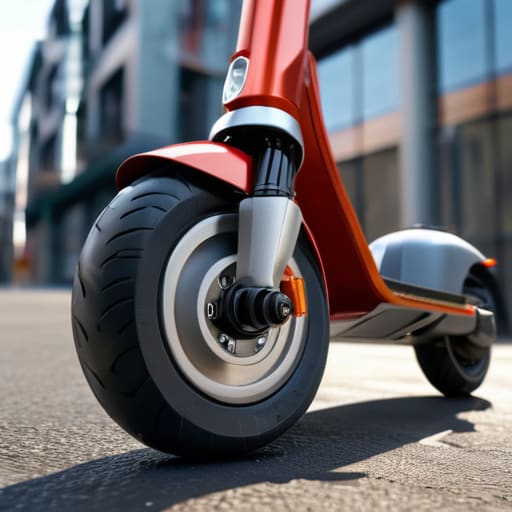
Look, I’ve spent enough time on manufacturing floors to know that if something feels flimsy in the box, it’s going to fall apart on the pavement. We’ve covered the essentials: prioritize a sturdy frame over flashy LED displays, and don’t let a salesperson talk you into a “smart” feature that just adds another point of failure. If you’re commuting, you need a machine that handles the weight and the bumps without shaking your teeth loose. At the end of the day, you aren’t just buying a gadget; you are buying a reliable mode of transportation. Stick to the specs that matter—braking distance, motor torque, and build material—and ignore the expensive plastic gimmicks that won’t matter once you hit your first pothole.
Investing in a quality electric scooter isn’t about chasing the latest trend; it’s about reclaiming your time and your independence. When you find a machine that actually holds up to the rigors of daily use, it stops being a toy and starts being a tool. I want you to walk away from this purchase feeling confident that you haven’t been taken for a ride by some marketing department. Buy something that is built to last, use it with common sense, and don’t settle for mediocrity. You deserve equipment that works as hard as you do.
Frequently Asked Questions
How much maintenance should I actually expect to do on the battery and motor over the first year?
If you bought a decent machine, you shouldn’t be opening it up with a wrench every weekend. For the first year, maintenance is mostly about observation. Keep an eye on your range; if it drops off a cliff after a few months, your battery management is failing. As for the motor, just listen. If you hear grinding or a high-pitched whine where there used to be silence, you’ve got a bearing issue. Otherwise, just keep it clean.
Are these lightweight models actually safe for real-world roads, or are they just too flimsy for anything more than a flat sidewalk?
Look, I’ve seen enough “lightweight” gadgets fail because they lacked structural integrity. If a scooter is built like a soda can, it’s not a vehicle; it’s a toy. For real-world roads, you need more than just low weight—you need a solid frame and decent suspension. If it can’t handle a cracked sidewalk or a minor pothole without feeling like it’s going to snap in half, stay off the street and stick to the driveway.
Is it worth paying a premium for a brand name, or can I find a reliable machine without the marketing markup?
Look, I’ve seen this play out in manufacturing a thousand times. You aren’t paying for “innovation” when you buy a big name; you’re paying for their marketing budget and a predictable service network. If a brand has a reputation for solid components and decent parts availability, pay the premium. But if you’re just paying for a fancy logo on a flimsy frame, walk away. Buy the hardware, not the hype.
