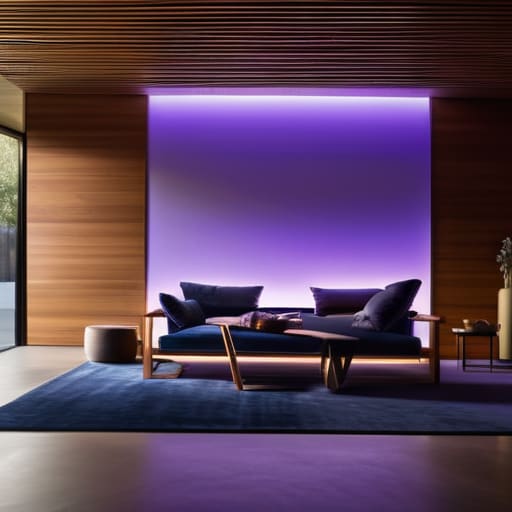
I spent thirty years in manufacturing, where if a component didn’t do exactly what the schematic promised, you tossed it in the scrap bin. It’s the same way with this new wave of “smart” home tech. I recently sat in my living room trying to set a relaxing scene, only to realize I needed to update three different apps and reboot my router just to dim the lamps. It’s ridiculous. Most companies are selling you a headache wrapped in colorful LED strips, marketing smart lights for mood as if they’re some magical solution, when half the time they’re just overpriced plastic that fails the moment your Wi-Fi hiccups.
I’m not here to sell you on the latest flashy gadget or some subscription service that promises to change your life. My goal is simpler: I want to help you find hardware that actually works. I’ve spent the last few months putting these systems through the ringer to see which ones offer real reliability and which ones are just marketing fluff. I’ll tell you exactly what’s worth your hard-earned money and what you should leave on the shelf.
Table of Contents
- Mastering Smart Bulb Color Temperature Without the Headache
- Creating Ambient Lighting Scenes That Actually Work
- Five Rules for Buying Lights That Won't Leave You in the Dark
- Roland’s Bottom Line: Don't Get Fooled by the Marketing
- The Real Test of a Good Light
- The Bottom Line on Smart Lighting
- Frequently Asked Questions
Mastering Smart Bulb Color Temperature Without the Headache
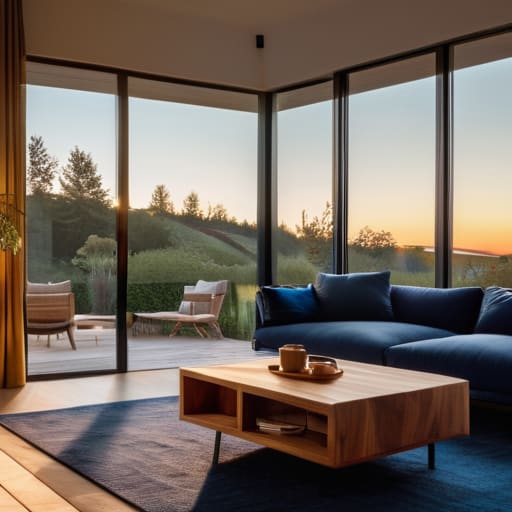
Most people jump into an RGB smart lighting setup thinking they want a disco in their living room, but they quickly realize that a million colors don’t mean much if the light feels “off.” The real trick isn’t about picking a bright purple or a neon green; it’s about mastering smart bulb color temperature. If you’re sitting in a room with a harsh, blue-white light at 9:00 PM, you’re fighting your own biology. I’ve seen too many folks buy these expensive kits only to complain that the light feels “clinical” or “cheap.”
To get it right, you need to focus on the Kelvin scale—the measurement of how warm or cool the light actually is. For true mood lighting for relaxation, you want to aim for those lower, amber tones that mimic a sunset. If you set up your smart home lighting automation correctly, the lights should shift from a crisp, productive white in the morning to a soft, warm glow as evening approaches. It shouldn’t be a chore to adjust; it should just happen in the background while you focus on more important things.
Creating Ambient Lighting Scenes That Actually Work
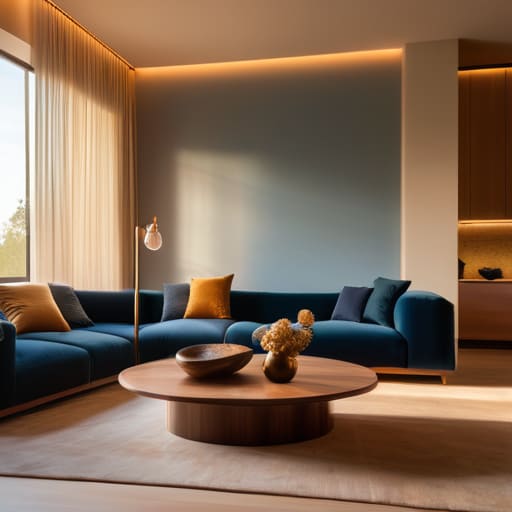
Most people make the mistake of thinking “mood lighting” means turning everything neon purple and hoping for the best. That’s not a scene; that’s a disco, and it’s a headache waiting to happen. If you want to get this right, you need to focus on ambient lighting scenes that actually mimic how light behaves in the real world. I’ve spent enough time with a multimeter and a schematic to know that consistency is everything. You want to set up presets that transition smoothly—dimming the brightness and warming the hue as the evening progresses—rather than just toggling a single switch and calling it a day.
Don’t get bogged down in complex smart home lighting automation that requires a software engineer to troubleshoot every time the Wi-Fi hiccups. The goal is simplicity. I prefer setting up a “Relaxation” scene that pulls the color temperature down toward that warm, amber glow. It’s about creating a reliable environment where the hardware does the heavy lifting for you. If you have to spend twenty minutes fiddling with an app just to get the living room ready for a movie, the system has failed its primary purpose.
Five Rules for Buying Lights That Won't Leave You in the Dark
- Stick to established protocols like Zigbee or Matter if you can. I’ve seen too many people buy cheap Wi-Fi bulbs only to realize their router can’t handle twenty different devices trying to talk at once, leaving them sitting in a dark room.
- Check the lumen output before you click buy. Manufacturers love to hide the actual brightness behind flashy marketing jargon; if you’re trying to set a mood, you need light that actually reaches the corners of the room, not just a dim glow right next to the lamp.
- Prioritize physical dimmers over app-only controls. There is nothing more frustrating than having to fumble with a smartphone just to dim the lights for a movie when a simple, reliable wall switch or a dedicated remote would have done the job in two seconds.
- Look for high CRI (Color Rendering Index) ratings. If you want your living room to actually look inviting, you need bulbs that render colors accurately; low-quality LEDs make everything look gray and sickly, which is the exact opposite of a “mood.”
- Avoid “all-in-one” ecosystems that lock you into a single brand. I’ve learned the hard way that if a company goes bust or stops updating their software, your expensive smart lights become nothing more than glorified, unchangeable paperweights.
Roland’s Bottom Line: Don't Get Fooled by the Marketing
Prioritize hardware over apps; if a bulb can’t be controlled reliably by a physical switch or a simple dimmer, it’s just a glorified paperweight.
Stick to reputable brands with proven color accuracy; cheap, off-brand LEDs often shift in hue or flicker, which ruins the very “mood” you’re trying to create.
Build your setup around stability, not bells and whistles—you want lighting that responds instantly, not a system that requires a troubleshooting session every time you want to dim the lights for a movie.
The Real Test of a Good Light
“I don’t care how many millions of colors an app claims to offer; if the hardware can’t hold a steady dimming level without flickering or requiring a software update just to turn on, it’s nothing more than expensive, glorified plastic.”
Roland Delacroix
The Bottom Line on Smart Lighting

Look, setting the mood in your home shouldn’t feel like a full-time engineering project. We’ve covered how to dial in your color temperature so you aren’t living under a harsh hospital glare, and we talked about building scenes that actually respond to your needs rather than fighting against them. At the end of the day, you want to focus on the atmosphere you’re creating, not troubleshooting a connection error every time you want to dim the lights for a movie. Stick to hardware that prioritizes reliable connectivity and intuitive controls over flashy, useless features that just add more points of failure to your system.
My advice? Don’t get swept up in the marketing hype of every new startup promising a revolution in your living room. A well-designed lighting setup is a tool meant to enhance your life, not complicate it. Invest in quality components that feel substantial and software that stays out of your way. When you find that perfect balance of warmth and ease of use, you’ll realize that real technology should be invisible. It should just work, every single time you walk into the room, leaving you free to actually enjoy the space you’ve built.
Frequently Asked Questions
Will these smart bulbs actually work with my existing dimmer switches, or am I going to deal with flickering and hardware conflicts?
Short answer: No. Do not try to use them with your old dimmer switches. If you try to dim a smart bulb using a traditional wall slider, you’re asking for a headache. You’ll get constant flickering, a buzzing sound that’ll drive you mad, and you’ll likely fry the bulb’s internal circuitry. Smart bulbs need a constant, full stream of power to run their tiny computers. Keep your existing switches “always on” and use the app or a dedicated remote instead.
Is it worth buying a dedicated hub for these lights, or is the wireless connection through my Wi-Fi going to be a headache?
Look, if you’re only planning on two or three bulbs, stick to Wi-Fi and save your cash. But if you’re trying to light up the whole house, get a dedicated hub. Relying on your Wi-Fi means every new bulb is another device fighting for bandwidth, and eventually, your network will choke. A hub keeps the heavy lifting off your router, making the whole system more stable. Don’t trade reliability for a few bucks saved today.
How much of this "mood lighting" is just marketing fluff, and which specific color ranges actually look good in a real living room?
Look, most of the “mood lighting” jargon is pure marketing fluff designed to empty your wallet. They’ll sell you a hundred colors, but in a real living room, you only care about two. Anything below 2700K—that warm, amber glow—is what actually makes a space feel lived-in. If you go too blue or too “neon,” you aren’t creating a mood; you’re turning your home into a cheap nightclub. Stick to the warm end of the spectrum.
