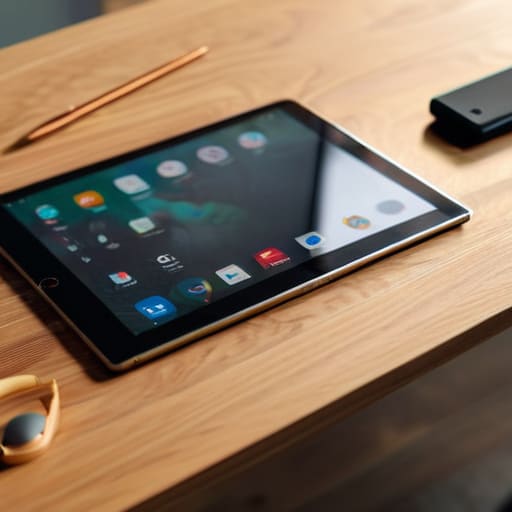
I was sitting at my workbench last Tuesday, trying to troubleshoot a vintage Marantz receiver, when my grandson handed me his new tablet. He’d spent nearly eighty dollars on a “premium” protective sleeve that felt about as sturdy as a wet paper towel. I watched, half-expecting it to crack the moment he set it down, and it didn’t take long before the cheap plastic hinge started creaking like a rusted gate. It’s the same story I see every time I walk into a big-box retailer: companies are selling you overpriced junk disguised as high-end tech. Most of the tablet accessories on the market today are designed to look pretty on a shelf, not to survive a single drop on a hardwood floor.
I’m not here to sell you on the latest flashy trends or tell you that you need a specialized gadget for every minor task. My goal is simple: I want to help you identify the gear that actually works and the stuff you should avoid like the plague. I’ve spent my career looking at tolerances and material integrity, and I’m going to apply that same scrutiny here. I’ll show you which cases, styluses, and keyboards are built to last and which ones are just a waste of your hard-earned money.
Table of Contents
Reliable Tablet Productivity Tools That Wont Fail You

If you’re trying to get actual work done on a tablet, you need to stop treating it like a toy and start treating it like a workstation. The first thing I look at is the input method. Most of these flimsy, silicone keyboard covers are a joke—they feel like typing on a sponge. If you want to be productive, look for iPad compatible accessories that feature actual mechanical key travel or at least a rigid chassis. I’ve spent too many afternoons fighting with a Bluetooth keyboard that disconnects every time I sneeze. You need a connection that stays locked in, or you’re just wasting your time.
Next, let’s talk about how you position the device. If you’re hunched over a screen on a kitchen table, you’re going to regret it by age sixty. I highly recommend investing in some decent ergonomic tablet stands made of machined aluminum rather than that cheap, injection-molded plastic. A real stand provides the stability you need for long sessions and won’t wobble when you tap the screen. Build quality matters here—if the hinge feels loose in the box, it’s going to be useless in a month. Get something heavy enough to stay put.
Finding Ipad Compatible Accessories That Actually Work
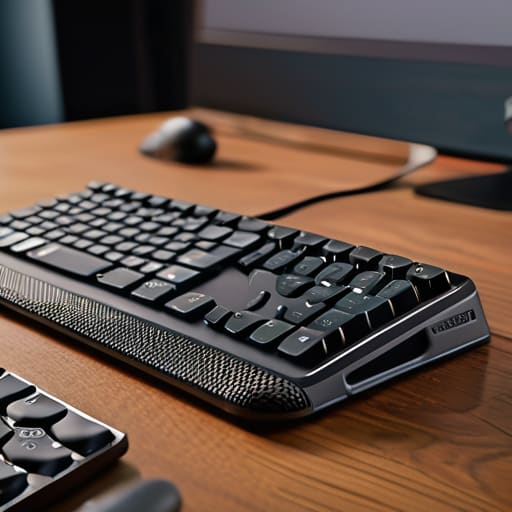
When you’re shopping for iPad compatible accessories, the marketing departments will try to sell you on “seamless integration” and “lifestyle aesthetics.” Ignore that noise. I’ve seen too many people buy a sleek, ultra-thin case only to realize it offers about as much protection as a paper envelope. If you’re actually going to use your device for work, you need to look at the connection points and the build material. Whether it’s a keyboard or a stylus, if the connection is finicky or the plastic feels hollow, walk away.
I also see a lot of confusion when people switch ecosystems. If you’re moving away from Apple, finding reliable android tablet peripherals requires a bit more due diligence because the standards aren’t always as unified. You have to check the physical specs—USB-C compatibility is non-negotiable these days—and ensure the hardware doesn’t draw more power than the tablet can reasonably provide. Don’t get caught in a loop of buying cheap adapters that fail the moment you actually need to get something done. Stick to the brands that prioritize mechanical integrity over flashy packaging.
Five Rules for Buying Gear That Won't End Up in the Trash
- Check the connection points before you buy. If a case or keyboard relies on a proprietary dongle or a flimsy connector that feels like it’ll snap off if you look at it wrong, walk away. I want to see solid, well-machined ports or a connection that feels integrated, not tacked on.
- Avoid the “all-in-one” trap. These companies love to sell you a single case that includes a keyboard, a stand, and a cover. Usually, they compromise on the quality of every single one of those components to keep the price down. Buy a high-quality stand and a decent keyboard separately; you’ll get better build quality and more versatility.
- Test the weight-to-strength ratio. A lot of these modern accessories are made of thin, injection-molded plastic that feels hollow. If a case feels like a cheap toy in your hand, it’s not going to protect your tablet when it inevitably takes a tumble on the workbench. Look for materials like aluminum or high-density polymers.
- Don’t trust the “ergonomic” marketing fluff. If a stylus or a keyboard grip claims to be “ergonomically designed” but feels awkward after ten minutes of actual use, it’s just marketing nonsense. I always grab my notepad to jot down how a tool actually feels in the hand during a long session—if it causes hand fatigue, it’s a bad tool.
- Prioritize physical controls over software menus. I don’t care how many “smart” features a keyboard cover claims to have if you have to navigate three sub-menus just to adjust the volume. A good accessory should have tactile, responsive buttons that do exactly what they’re supposed to do without a struggle.
The Bottom Line on Buying Tablet Gear
Stop chasing the cheapest options on those massive online marketplaces; if the material feels like a toy in your hand, it’s going to fail you when you actually need it.
Prioritize physical connection and build quality over “smart” features that require a dozen different apps just to perform a simple task.
Before you pull the trigger on any accessory, check the port compatibility and hinge tension—if it doesn’t feel sturdy, it’s just expensive plastic destined for the junk drawer.
The Real Cost of Cheap Gear
I’ve seen enough poorly machined components in my time to know that if an accessory feels like a toy in your hand, it’s going to fail you when you actually need it. Don’t be fooled by slick marketing; if it isn’t built with decent materials and solid tolerances, you’re just paying for a piece of junk that’ll end up in a landfill by next Christmas.
Roland Delacroix
The Bottom Line on Your Gear

At the end of the day, choosing tablet accessories shouldn’t feel like a gamble. We’ve covered a lot of ground, from avoiding those cheap, brittle plastic cases that crack the moment you look at them, to ensuring your stylus and keyboard actually communicate with your device without a software headache. Remember: if a product description is full of buzzwords like “revolutionary” or “ultra-sleek” but fails to mention the material composition or the connection stability, walk away. I’ve spent enough years on manufacturing floors to know that build quality is never an accident; it’s the result of doing things right the first time. Don’t let a shiny marketing campaign trick you into buying junk that’ll end up in a landfill by next Christmas.
My advice is simple: treat your tablet like the precision tool it is, not a disposable toy. When you invest in accessories that are built with mechanical integrity and practical design, you aren’t just buying gear—you’re buying peace of mind. You want tools that work when you need them to, whether you’re at a workbench or a kitchen table. Stop chasing every new gadget that hits the market and start building a kit that actually serves your needs. Buy it once, buy it right, and make sure it’s built to last.
Frequently Asked Questions
How can I tell if a stylus is actually going to work with my specific tablet model, or if it's just some cheap knock-off that's going to lag?
Don’t just trust the box art. First, check the protocol: does it use active pressure sensitivity or is it just a cheap capacitive tip that mimics a finger? If the listing doesn’t explicitly name your tablet’s specific digitizer technology, walk away. I always look for “active” styluses with Bluetooth pairing for my gear; if it’s just a rubber nub, expect lag and zero precision. If it feels light and hollow, it’s junk.
Are those expensive brand-name cases really worth the extra cash, or can I get the same level of protection from a third-party manufacturer?
Look, I’ve seen this play out in manufacturing a thousand times. You’re often paying a 40% markup just for the logo on the box. If you’re looking for basic structural integrity, a reputable third-party case with reinforced corners will do the job just fine. However, don’t get cheap here—avoid those unbranded, flimsy shells from discount sites. If the tolerances are off, it won’t protect the device. Buy quality, even if it isn’t the “official” brand.
When I'm looking at portable keyboards, what should I be checking for to make sure the build quality isn't just cheap, hollow plastic?
Look for weight and key travel. If a keyboard feels like a hollow toy, it’s going to fail you within six months. I always check the chassis for rigidity; give it a gentle twist—if it flexes, put it back on the shelf. You want something with a solid frame and keys that have a tactile, mechanical snap, not that mushy, membrane feel that makes typing a chore. Don’t settle for lightweight junk.
