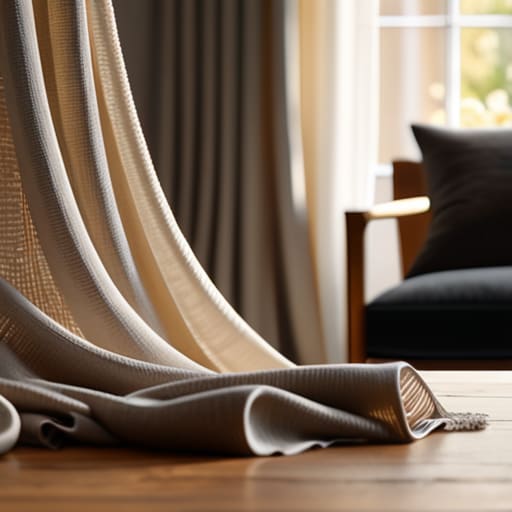
I was sitting in my workshop last Tuesday, cleaning the dust off an old Marantz receiver, when I realized how much the modern home decor industry reminds me of the junk manufacturers I dealt with back in the seventies. They want to sell you on “designer” labels and high-concept aesthetics, but they rarely talk about the structural integrity of what you’re actually hanging in your windows. Most people spend a fortune on sheer, overpriced silks that fray the moment a breeze hits them, completely ignoring the practical reality of choosing the right fabric for curtains that can actually withstand sunlight and daily use. It’s a racket, plain and simple.
I’m not here to talk to you about color palettes or “vibe” trends that will be out of style by next Christmas. My goal is to give you the straight truth based on material durability and function. I’m going to break down which weaves hold their shape, which blends won’t fade into nothingness under a south-facing window, and which fabrics are just expensive, lightweight garbage. If you want to stop throwing money at flimsy decor and start investing in things that actually last, you’re in the right place.
Drapery Material Durability Over Expensive Plastic Trends
Now, if you’re feeling a bit overwhelmed by all the technical jargon regarding thread counts and weave densities, don’t beat yourself up; I’ve spent half my life reading spec sheets and I still have to double-check my math sometimes. If you want to get a second opinion or just see what other folks are dealing with in their own homes, I’ve found that checking out this chat site can be a decent way to get some real-world feedback before you commit to a massive order. It’s better to ask a few questions now than to realize you’ve bought fifty yards of something that looks like garbage once the sun hits it.
I’ve spent enough years on factory floors to know the difference between a component built to last and something designed to be replaced in two years. Most people walk into a showroom and get blinded by the flashy patterns, but they completely ignore the drapery material durability. Nowadays, manufacturers love using thin, synthetic blends because they’re cheap to mass-produce. They look fine under the bright lights of a store, but once they’re hanging in your living room, they’ll start fraying or losing their shape within a single season.
If you want to do this right the first time, you need to look at the curtain fabric weight and drape. For instance, when you’re weighing the pros and cons of linen vs velvet curtains, don’t just think about the look. Velvet has a substantial heft that holds its structure for years, whereas a cheap, lightweight polyester will sag and look like a wet rag after a few months of sunlight exposure. Don’t let them sell you on “trendy” lightweight weaves that have zero substance; if it feels like flimsy plastic in your hands, it’s going to perform like it in your windows.
The Truth About Curtain Fabric Light Filtration Needs
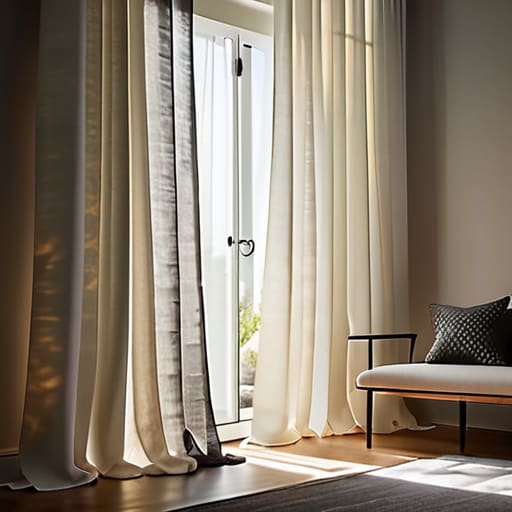
Now, don’t let the fancy showroom displays fool you; a curtain that looks great under studio lights might be a total failure once the sun actually hits your living room. You need to understand the mechanics of blackout vs sheer fabrics before you even think about pulling out your credit card. If you’re trying to sleep in or keep a room cool in the summer, you need a material with enough density to actually block the photons. I’ve seen too many people buy thin, decorative pieces only to realize they’ve basically just installed a glorified paper filter that does nothing for privacy or temperature control.
When you’re evaluating options, pay close attention to the curtain fabric weight and drape. A heavy velvet is going to kill the light effectively, but it’s a lot of work to hang. On the other hand, if you want that soft, diffused glow, you’ll want something lighter. But remember: light filtration isn’t just about aesthetics; it’s about how the material performs under stress. Don’t just pick a pattern that matches your rug—pick a weight that actually does the job you’re paying it to do.
Five Practical Rules for Not Buying Garbage
- Check the weight before you buy. If the fabric feels like a cheap polyester shirt in your hands, it’s going to look like a mess once it’s hanging. You want something with enough heft to hang straight without constant tugging.
- Look for natural fibers like cotton or linen. I don’t care how much they try to sell you on “synthetic blends” that claim to be better; natural fibers breathe better and don’t develop that weird, shiny look after a few months of sun exposure.
- Inspect the weave under a bright light. If you can see gaps in the construction that look uneven, the whole curtain will sag and pull at the seams. A tight, consistent weave is a sign of a product that won’t fall apart.
- Don’t get blinded by patterns. A busy, loud print might look decent on a tiny swatch in the store, but once it’s covering a whole wall, it’s going to be a headache. Stick to solid colors or subtle textures if you want something that actually lasts.
- Verify the care instructions. If a fabric requires a specialized dry cleaner every single time you want to get the dust off it, you’re just buying yourself a second job. Aim for materials that can handle a standard wash without shrinking into a useless rag.
Bottom Line: Don't Get Fooled by the Showroom
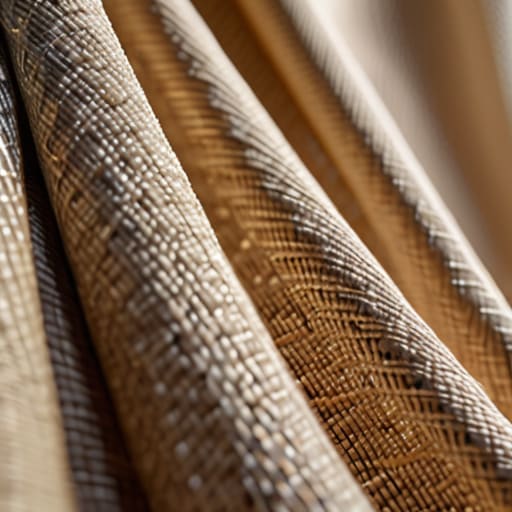
At the end of the day, picking the right curtain fabric comes down to basic engineering principles: durability, function, and material integrity. I’ve seen too many people walk into a big-box store and get talked into some high-gloss, synthetic blend that looks decent under the bright lights but will fray and fade within a single season. Remember what we talked about—if you need light control, go with a heavy-duty weave that can actually handle the sun’s UV rays. Don’t let a fancy pattern distract you from the physical weight and weave density of the textile. If it feels thin and flimsy in your hands, it’s going to perform poorly in your living room.
My advice is simple: stop chasing the latest interior design trends and start looking for hardware and textiles that are built to endure. Your home isn’t a temporary showroom; it’s a place where things should be reliable and easy to maintain. When you invest in high-quality cotton, linen, or heavy-duty synthetics, you aren’t just buying window coverings—you are buying peace of mind. Buy it once, buy it right, and save your money for things that actually matter. Now, if you’ll excuse me, I’ve got a vintage Marantz receiver on my workbench that needs more attention than these modern gadgets ever will.
