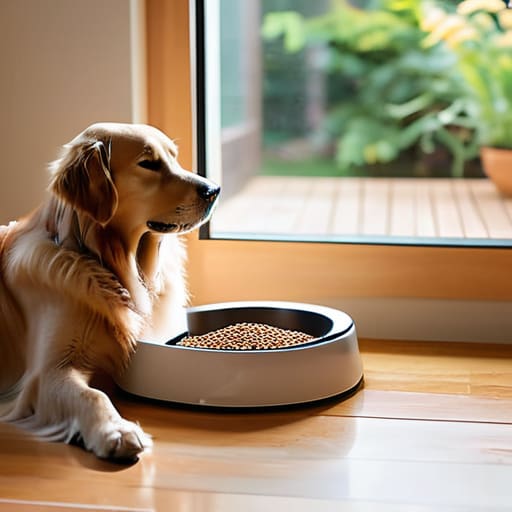
I was sitting at my workbench last Tuesday, tinkering with a vintage Marantz receiver, when I looked over at my golden retriever, Buster, staring longingly at an empty bowl. It reminded me of the absolute nonsense I’ve seen lately in the tech aisle. Everyone is trying to sell you these glorified, overpriced plastic bins labeled as smart pet feeders, claiming they’ll revolutionize your life. But I’ve seen the specs; most of these gadgets are built with the structural integrity of a wet paper towel and rely on software that’s more likely to crash than actually dispense a kibble. If a machine can’t perform its one single mechanical function without needing a firmware update, it isn’t “smart”—it’s just broken.
I’m not here to sell you on the latest shiny gadget or some marketing fluff designed to drain your bank account. My goal is to look under the hood and tell you which of these devices actually have the mechanical reliability to feed your animals when you aren’t home. I’ll be evaluating them based on build quality, ease of use, and whether the motor is actually going to last more than a season. I’ll show you what’s worth your hard-earned money and what is just expensive junk destined for a landfill.
Table of Contents
Why Wifi Enabled Pet Dispensers Often Fail You
The problem starts the second you plug the thing in. These wifi enabled pet dispensers rely on a handshake between your router and a server that’s likely halfway across the world. I’ve seen it a dozen times: your internet hiccups for ten seconds, and suddenly the scheduled meal doesn’t trigger. You aren’t just buying convenience; you’re buying a dependency on a signal that isn’t always there. If the software is poorly coded, you’ll find yourself fighting with a buggy interface just to get a basic meal dispensed.
Then there’s the hardware itself. Most of these units are built with cheap, motorized augers that jam if a single piece of kibble gets misaligned. They market these as “remote pet feeding solutions,” but if the motor burns out because it’s made of low-grade plastic, you’re left with an empty bowl and a useless gadget. When you’re looking at portion control for cats and dogs, you need mechanical reliability, not just a fancy app. If the device can’t handle a simple physical task without a cloud connection, it’s nothing more than an expensive paperweight.
Remote Pet Feeding Solutions That Actually Deliver Reliability
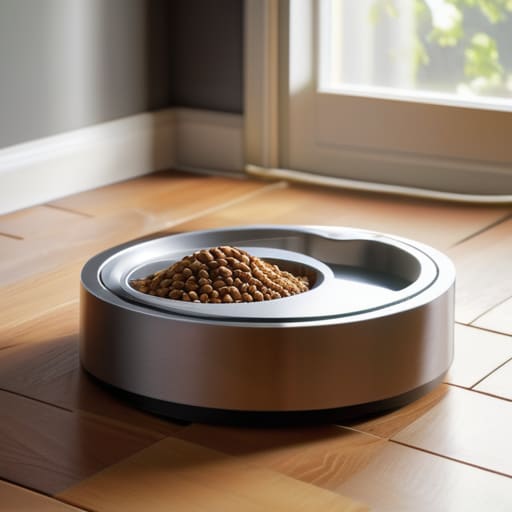
If you’re going to invest in remote pet feeding solutions, you need to look past the flashy marketing and check the mechanical fundamentals. I’ve seen too many units that rely entirely on a cloud server to function; if your internet hiccups, your pet goes hungry. You want a device with local scheduling capabilities—meaning the instructions are stored on the hardware itself, not just floating in the ether. A reliable machine should be able to execute a programmed meal even if the WiFi signal drops out for an hour.
When I’m evaluating these gadgets, I also look for precision in the dispensing mechanism. Many cheap models use a simple rotating wheel that can jam if a single kibble gets lodged in the gap. I prefer units that offer granular portion control for cats and dogs, using an internal scale or a high-torque motor that doesn’t stall under pressure. If the build quality feels flimsy, the motor will likely burn out within six months. Don’t get distracted by smart feeder camera integration if the actual dispensing mechanism is built like a toy; a camera won’t feed your dog, but a solid motor will.
Five Things to Check Before You Open Your Wallet
- Look for a mechanical backup. If the software glitches or your router decides to take a nap, you need a machine that has a physical timer or a manual override button that doesn’t rely on a cloud server to function.
- Demand a heavy-duty hopper. I’ve seen too many of these lightweight, hollow plastic bins that tip over the moment a hungry Lab nudges them. If it doesn’t have weight to it or a non-slip base, it’s a toy, not a tool.
- Inspect the dispensing mechanism. You want to see a robust auger or a heavy-duty paddle, not some thin, flimsy plastic screw that’s going to snap the first time a piece of kibble gets lodged in it.
- Check the power redundancy. A reliable feeder must have a dedicated battery compartment for emergency power. If the only way it stays on is through a wall outlet, you’re one power outage away with an empty bowl.
- Avoid “App-Only” nonsense. If you can’t set a basic feeding schedule on the device itself without needing to scroll through fifty menus on a smartphone, walk away. Real reliability means the device works even when your phone is dead.
My Bottom Line on Smart Feeders
Don’t buy anything that relies solely on a cloud connection; if your internet drops out, your pet shouldn’t go hungry.
Prioritize mechanical simplicity over fancy apps—look for heavy-duty motors and clear, physical portion controls.
Check for a battery backup system that actually works, because a simple power flicker shouldn’t turn your feeder into a paperweight.
The Reliability Gap
I don’t care how many fancy features a smartphone app claims to have; if that feeder can’t dispense a single portion of kibble when the WiFi signal drops, you haven’t bought a convenience—you’ve bought a liability.
Roland Delacroix
The Bottom Line
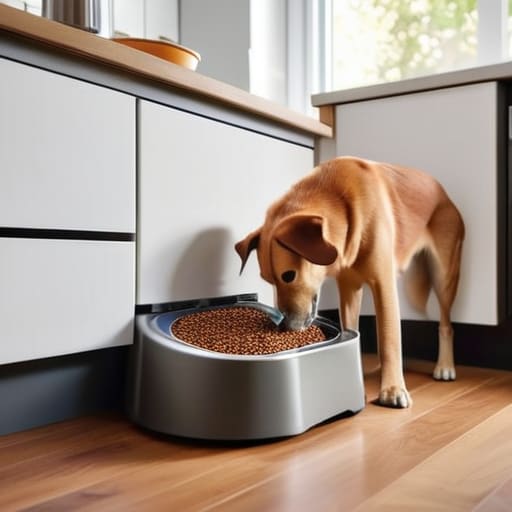
At the end of the day, don’t let a flashy app or a sleek touchscreen distract you from the basic mechanics of the machine. I’ve seen too many people get caught up in the “smart” bells and whistles only to find out the motor is weak or the hopper jams when they aren’t looking. If you’re going to invest your hard-earned money, look for a unit with a solid mechanical build, a reliable backup battery, and a dispensing mechanism that doesn’t rely entirely on a stable WiFi signal to function. If the hardware feels flimsy in your hands, it’s going to fail your pet when it matters most. Stick to the basics: reliable dispensing and physical durability should always come before fancy software updates.
We live in an era where everything is trying to be “connected,” but sometimes, less is more. Your pet doesn’t care if they can see a live stream of their bowl; they just care that there is food in it when they’re hungry. Don’t fall into the trap of buying a gadget just because it has the latest tech specs. Buy a tool that does its one job without needing a troubleshooting manual every Tuesday. Focus on the engineering, not the marketing, and you’ll end up with a device that actually serves your household rather than just adding more electronic clutter to your countertop.
Frequently Asked Questions
If my internet goes down while I'm at work, is my pet actually going to get fed, or is the whole system dead in the water?
That’s the million-dollar question, and it’s where most of these gadgets fall apart. If the feeder relies entirely on a cloud connection to trigger a meal, you’re in trouble the moment your router hiccups. You need a unit with internal memory and a local schedule. I always look for models that can run a pre-programmed routine offline. If it can’t function without a constant handshake from your WiFi, it’s not a tool—it’s a liability.
Are these motorized dispensers actually built to handle different kibble sizes without getting jammed every three days?
That’s the million-dollar question, isn’t it? Most of these units use cheap, thin plastic augers that can’t handle a single oversized kibble without seizing up. If the motor doesn’t have enough torque or the hopper design is poorly engineered, you’re looking at a jam every few days. I always look for models with rubberized anti-jam paddles and a heavy-duty motor. If it feels light and hollow in your hand, it’ll struggle with anything larger than a grain of rice.
How much of this "smart" tech is actually useful versus just being a way for companies to charge me a monthly subscription fee?
Most of it is a racket. I’ve seen it a dozen times in engineering: companies strip out a simple, reliable mechanical timer and replace it with a cheap chip just so they can lock the features behind a monthly subscription. If you’re paying $5 a month just to access a scheduling menu, you aren’t buying a tool—you’re renting one. Stick to devices that offer full functionality out of the box. Don’t pay for their software development.
