
I was sitting in my workshop last Tuesday, trying to solder a delicate connection on a 1974 Marantz receiver, when my grandson walked in with those new, oversized headphones he’d bought online. He claimed they used the latest noise cancelling technology to “delete the world,” but as soon as I turned on my shop vacuum, he was jumping out of his skin. The damn things didn’t block the roar of the motor; they just made it sound like a high-pitched, digital whine that clearly hurt his ears. It’s the same story I see every week: companies slapping a high-tech label on a piece of cheap, lightweight plastic and charging you a premium for the privilege of being disappointed.
I’m not here to sell you on the marketing fluff or the shiny, touchscreen nonsense that breaks the moment you look at it sideways. My goal is simple: I want to show you which devices actually have the mechanical integrity to do what they promise and which ones are just overpriced toys. I’ve spent enough time with a voltmeter and a schematic to know the difference between real engineering and clever advertising. I’ll tell you exactly what to look for so you can stop wasting your hard-earned money on gear that fails when you actually need it.
Table of Contents
- Anc vs Passive Isolation What Actually Blocks the Sound
- The Destructive Interference Principle Science or Just Marketing
- Five Things to Check Before You Hand Over Your Hard-Earned Cash
- The Bottom Line on Noise Cancelling
- The Truth About the Silence
- The Bottom Line on Noise Cancelling
- Frequently Asked Questions
Anc vs Passive Isolation What Actually Blocks the Sound
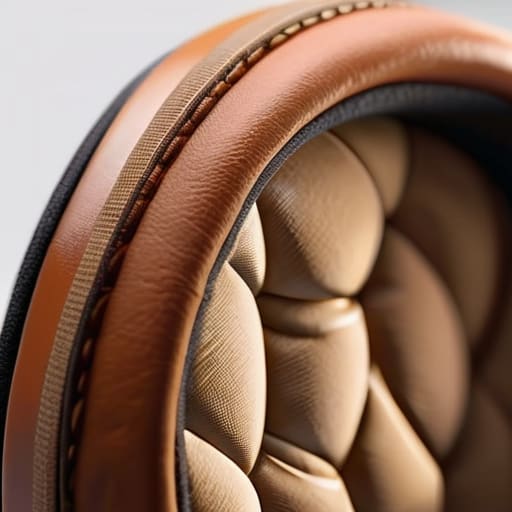
Look, I’ve spent enough time with a soldering iron in my hand to know the difference between a real fix and a band-aid. When you’re shopping for headphones, you need to understand that there are two completely different ways to get some peace and quiet. First, you’ve got passive isolation. This isn’t some fancy digital trick; it’s just physics. It’s the physical barrier created by the seal of the ear pads against your head. If the seal is poor, or if you’re wearing glasses with thick frames, that barrier is broken. I always tell people: if the build quality of the cushion feels flimsy, you’re going to hear everything.
Then there’s the electronic side of things. Active noise cancellation relies on the destructive interference principle, where internal microphones listen to the world around you and generate an opposing sound wave to cancel it out. While it’s impressive, it isn’t magic. It’s great for that low, steady drone of an airplane engine, but it often struggles with sudden, sharp sounds. You have to realize that ANC vs passive isolation isn’t an “either-or” situation; you need a solid physical seal just to give the electronics a fighting chance.
The Destructive Interference Principle Science or Just Marketing

Now, let’s get under the hood. The marketing folks love to throw around big terms, but they’re really just talking about the destructive interference principle. In simple terms, the headphones use tiny microphones to listen to the world around you. They then create a sound wave that is the exact mathematical opposite of the noise coming in. When these two waves meet, they cancel each other out. It sounds like magic, but it’s just physics—the same kind of wave mechanics I used to deal with in fluid dynamics back in my engineering days.
However, don’t let the science fool you into thinking these gadgets are perfect. This process relies heavily on microphone array technology to accurately sample the environment. If the microphones are cheap or poorly placed, the “anti-noise” won’t line up correctly, and you’ll end up with a weird, pressurized feeling in your ears. Most of these devices struggle with sudden, sharp sounds like a dog barking or a door slamming. They are great at smoothing out a steady drone, but they aren’t a magic shield against the chaos of real life.
Five Things to Check Before You Hand Over Your Hard-Earned Cash
- Don’t trust the marketing jargon. If a box says “industry-leading silence” but doesn’t list the decibel reduction range, they’re hiding something. I always look for actual frequency response charts to see if the tech actually handles low-end hum or if it’s just a gimmick.
- Test the seal, not just the software. You can have the most advanced processor in the world, but if the ear cushions are made of cheap, thin foam that doesn’t create a physical airtight seal around your ear, you’re just buying expensive plastic. Passive isolation is your first line of defense.
- Watch out for the “cabin pressure” feeling. Some of these active systems work so aggressively that they create a weird pressure sensation in your inner ear. It’s uncomfortable and, frankly, a sign of poor tuning. If you feel like you’re diving deep underwater, put them down and find another pair.
- Check the battery life under load. Manufacturers love to brag about how many hours the headphones last with ANC turned off. That’s a useless number. I want to know how long they hold up when the noise-cancelling circuitry is actually running full tilt.
- Prioritize build quality over app features. I don’t care if a pair of headphones has a fancy equalizer in a smartphone app if the hinge is made of brittle plastic that’s going to snap in six months. Look for metal reinforcements and sturdy, replaceable pads. A tool is no good if it breaks before you’ve even mastered it.
The Bottom Line on Noise Cancelling

Don’t expect ANC to silence the world; it’s designed for constant, low-frequency hums like airplane engines, not the sudden clatter of a dropped wrench or a barking dog.
Prioritize physical build quality and a good seal around your ears—if the passive isolation is poor, even the most expensive electronics won’t save your eardrums.
Stop paying the “marketing tax” on high-end brands that promise total silence; if the headphones feel like cheap, flimsy plastic, the internal tech won’t last long enough to matter.
The Truth About the Silence
“Don’t let a marketing department fool you into thinking a chip and a software update can replace a well-built seal. Active noise cancelling is a fine tool for steady hums, but if the physical construction is flimsy, you’re just paying a premium to listen to a digital version of nothing.”
Roland Delacroix
The Bottom Line on Noise Cancelling
Look, I’ve spent enough time with a multimeter and a schematic to know when a company is selling you a miracle and when they’re just selling you a gimmick. We’ve established that Active Noise Cancelling isn’t magic; it’s a specific tool designed to tackle low-frequency hums, while physical, passive isolation is what actually handles the high-pitched chatter of a busy cafe. If you buy a pair of headphones that relies solely on software to do the heavy lifting without a decent, well-engineered seal around your ears, you are essentially throwing your hard-earned money into a void. Don’t get distracted by the flashy marketing jargon in the glossy brochures. Focus on the build quality and the actual physical fit, because if the hardware can’t create a proper seal, the most advanced processor in the world won’t save you from the noise.
At the end of the day, technology should serve you, not the other way around. You shouldn’t have to struggle with a complicated app or a finicky interface just to get some peace and quiet while you’re reading the paper or working in the garage. My advice is simple: buy for durability, test for comfort, and always prioritize substance over hype. A good tool—whether it’s a vintage Marantz receiver or a modern pair of ANC headphones—is one that performs its job reliably every single time you pick it up. Invest in gear that is built to last, and you’ll find that you spend much less time troubleshooting and much more time actually enjoying your life.
Frequently Asked Questions
If these headphones use microphones to "listen" to the room, aren't they just letting more noise in?
That’s a fair question, and it’s exactly the kind of skepticism I like to see. You aren’t wrong—the microphones are letting sound in, but only to process it. Think of it like a noise-canceling signal in a control loop. The mic picks up the ambient frequency, the processor calculates the exact opposite wave, and the driver plays that “anti-noise” through the speaker. It’s not letting the noise into your ears; it’s using it to build a shield.
Will using active noise cancelling all day actually mess with my hearing or cause ear pressure?
Look, I’ve heard this concern a dozen times. First off, ANC isn’t “attacking” your eardrums with sound; it’s using anti-phase waves to cancel noise. It won’t damage your hearing. However, that “clogged” sensation? That’s real. It’s your brain reacting to the lack of low-frequency pressure it expects. If the pressure makes you feel woozy or gives you a headache, don’t force it. Just take them off for a bit. Your ears aren’t machines.
Is there a point where the battery life is going to die on me right when I actually need the quiet?
That’s the million-dollar question, isn’t it? Here’s the reality: ANC is an active process. It requires constant power to run those internal processors. If your battery hits zero, you aren’t just losing the “silence”—you’re often left with dead weight. I always tell people to check the passive isolation first. If the headphones don’t physically seal your ears well, you’re relying entirely on a battery that will eventually fail you when you need it most.
