I was looking at a catalog for high-end home gym equipment the other day, and I nearly choked on my coffee. These companies are trying to sell you a “smart” fitness rowing machine that costs more than a decent used car, all because it has a tablet glued to the front with a subscription service you’ll probably cancel in three months. They wrap these flimsy, lightweight frames in flashy marketing, but as a former systems engineer, I can tell you one thing: a touchscreen won’t fix a poorly designed flywheel. You don’t need an algorithm to tell you you’re working hard; you need a machine that doesn’t rattle itself to pieces after twenty sessions.
I’m not here to sell you on the latest digital bells and whistles or some overpriced piece of junk that belongs in a landfill. My goal is to help you cut through the noise and identify a fitness rowing machine that is actually built with structural integrity and mechanical reliability. I’ll be looking at the steel gauge, the quality of the resistance systems, and whether the components are serviceable or just disposable plastic. Let’s find you something that actually works.
Table of Contents
Water vs Air Rowing Machines Which One Isnt Junk
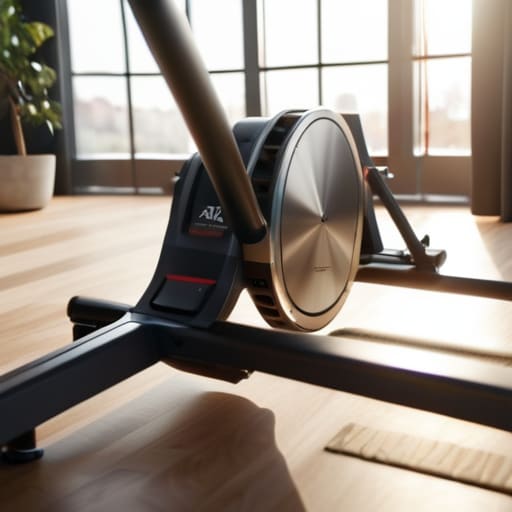
When you look at the market, you’re essentially choosing between two different engineering philosophies. Air resistance machines, like the ones you see in most commercial gyms, use a large fan to create drag. They are incredibly efficient for high-intensity intervals, but they can be loud—sometimes sounding like a jet engine taking off in your living room. If you’re looking for the best rowing machines for small spaces that won’t disturb the neighbors, you might want to look elsewhere.
Water resistance machines, on the other hand, use a tank to simulate the feel of actual rowing on a lake. From a mechanical standpoint, I appreciate the fluid dynamics at play here; the harder you pull, the more resistance you feel. They are significantly quieter, which makes them a better fit for a home environment. However, you have to consider the maintenance. You’re dealing with actual water, which means you need to ensure the tank is treated to prevent algae or buildup. Ultimately, the choice between water vs air rowing machines comes down to whether you prioritize that raw, mechanical power or a more natural, rhythmic stroke.
The Best Rowing Machines for Small Spaces Without Sacrificing Durability
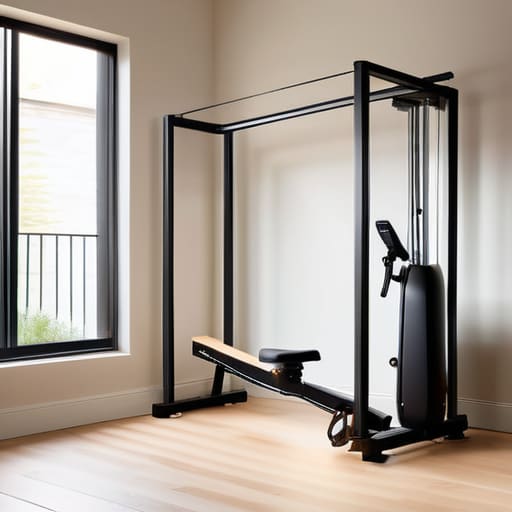
Most people think they have to choose between a machine that actually lasts and one that fits in their spare bedroom. They’re wrong. I’ve seen too many “space-saving” models that are little more than glorified pieces of thin-gauge steel held together by hope and cheap plastic. If you’re looking for the best rowing machines for small spaces, you need to look for a vertical storage design that doesn’t compromise the frame’s integrity. A machine that folds up is useless if the hinge mechanism feels like it’s going to snap the first time you put some real power into a stroke.
I generally look for models with a sturdy, reinforced base that can be tucked upright against a wall when the workout is done. You don’t want a device that wobbles every time you hit the drive phase; that’s how you end up with a broken machine and a sore back. When you’re hunting for low impact cardio equipment that fits a tight floor plan, prioritize the weight of the unit. If it feels too light to move, it’s probably too flimsy to survive a year of consistent use.
Five Things I Look For Before I Hand Over My Money
- Check the rail material. If the manufacturer is using thin, stamped steel or flimsy aluminum that flexes when you put weight on it, walk away. I want a heavy-duty steel rail that feels like it could support a small car; anything less is just going to wobble and squeak after a month of use.
- Demand a manual override or simple physical controls. I’ve seen too many “smart” machines that require a constant Wi-Fi connection and a subscription app just to change the resistance. If the machine stops working because your router glitched, it’s a piece of junk. Look for mechanical adjustments that don’t rely on a cloud server.
- Inspect the seat and glide mechanism. A smooth glide is the difference between a good workout and a trip to the chiropractor. I always check to see if the seat moves on high-quality bearings or if it’s just sliding on cheap plastic tracks. If it feels jerky during my initial inspection, it’s going to be a nightmare later.
- Don’t get distracted by the “smart” screen. Most of these colorful tablets attached to the front are just high-priced distractions that will be obsolete in three years. Focus your budget on the flywheel, the frame, and the drive belt. You can always mount a cheap tablet there yourself, but you can’t upgrade a weak motor.
- Verify the weight capacity and build stability. Manufacturers love to boast about “ergonomic designs,” but I want to see the specs on the maximum user weight and the footprint stability. If the machine feels top-heavy or light enough to slide across the floor when you pull hard, it wasn’t engineered for real training.
My Bottom Line on Choosing a Rower
Don’t get distracted by fancy tablet screens or built-in apps; focus on the frame material and the resistance mechanism, because those are the parts that actually determine if the machine will still be working in five years.
If you’re tight on space, look for a machine with a solid folding mechanism—avoid the ones that use thin, flimsy locking pins that feel like they might snap the moment you try to move it.
Always check the weight capacity and the gauge of the steel used in the construction; if the manufacturer won’t tell you the specs, they’re likely hiding the fact that it’s mostly lightweight, hollow plastic.
## The Real Test of a Machine
“I don’t care how many ‘smart’ features a rowing machine claims to have if the rail flexes every time you pull. You aren’t looking for a computer that happens to row; you’re looking for a piece of heavy-duty machinery that happens to connect to your phone.”
Roland Delacroix
Making the Right Call
At the end of the day, choosing a rowing machine shouldn’t feel like a gamble. We’ve looked at the mechanics, and the math is simple: if you want that rhythmic, natural resistance, go with water; if you want the raw, consistent drag of a fan, air is your best bet. Don’t let a flashy, high-resolution touchscreen distract you from the actual build quality of the frame and the rail. I’ve seen too many people drop a month’s rent on a machine that feels like a toy after six months of heavy use. Look for steel where others use thin aluminum, and ensure the resistance mechanism is something you can actually maintain yourself. If it feels like expensive plastic when you first pull it out of the box, it’s going to feel like junk by next year.
Investing in your health is one of the few things in life that actually pays dividends, but you shouldn’t have to fight your own equipment to get a workout in. A good rowing machine should be a reliable tool in your arsenal, something that works every single time you sit down, without needing a software update or a specialized technician. Buy something that is built to last, and you won’t have to spend your retirement shopping for a replacement. Get the right machine, put in the work, and let the hardware do its job.
Frequently Asked Questions
How do I know if the resistance mechanism is actually going to hold up after a year of heavy use?
Don’t let the marketing brochures fool you; look at the drive system. If you’re seeing a lot of thin, plastic pulleys, walk away. I always check the tensioning mechanism first. You want heavy-duty magnetic resistance or a robust air fan with steel bearings. If the resistance feels “mushy” or inconsistent during your first test, it’s because the internal components are cheap. If it doesn’t feel solid now, it’ll be a paperweight in twelve months.
Are these fancy digital monitors worth the extra money, or should I just stick to a machine with a simple, manual display?
Look, I’ve seen enough “smart” devices fail because a single circuit board fried to save a few cents on manufacturing. If you just want to track your split times and heart rate, a simple, backlit LCD is more than enough. Don’t pay a premium for a touchscreen that’ll be obsolete in three years. Unless you’re obsessed with syncing every single calorie to a cloud server, stick to the manual displays. They’re reliable, and they don’t glitch.
What specific parts should I inspect to make sure I'm not buying a piece of equipment that's mostly cheap plastic and thin aluminum?
Don’t just look at the glossy finish; look at the joints. Check the frame—if it’s thin-walled aluminum, it’ll flex under load, and that’s a recipe for a crack. Inspect the seat rails; they should be heavy-duty steel, not flimsy alloy. Most importantly, grab the flywheel housing. If it feels like a cheap toy, the internal bearings will likely fail within six months. If it doesn’t have some real weight to it, walk away.
