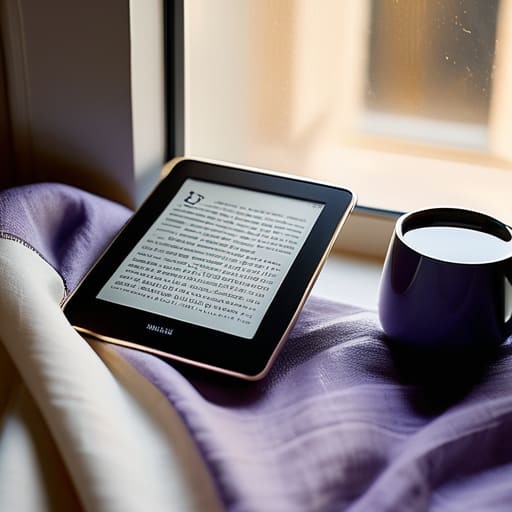
I spent thirty years in manufacturing, where if a part wasn’t built to spec, it didn’t leave the floor. Nowadays, I look at the tech industry and see nothing but a sea of flimsy, overpriced gadgets designed to be replaced in eighteen months. When it comes to finding the best e-readers for reading, most people make the mistake of chasing flashy marketing instead of looking at the actual build quality and screen stability. You shouldn’t have to fight with a glitchy interface or a battery that dies halfway through a chapter just to enjoy a good book. It’s frustrating to see how much money is wasted on expensive plastic junk that fails the moment you actually try to use it.
I’ve spent the last few weeks putting several models through their paces, checking everything from the weight distribution to the responsiveness of the E-ink display. In this list, I’m cutting through the noise to show you five devices that actually stand up to scrutiny. I’ll tell you exactly which ones offer the best value for your money and which ones are just clever ways to empty your wallet.
Table of Contents
The Gold Standard for Reliability

If you want a device that just works without requiring a technical manual, the Amazon Kindle Paperwhite is your best bet. I’ve spent enough time looking at manufacturing tolerances to appreciate how well they’ve integrated the screen with the chassis. It doesn’t feel like a cheap toy; it feels like a solid piece of equipment that can handle being tossed in a bag.
For the Hardcore Book Collector

Now, if you’re like me and you actually care about the nuances of typography and screen clarity, the Kobo Libra Colour is worth a look. It’s a bit more specialized, but the build quality holds up surprisingly well for a device with a color display. I noticed the buttons have a satisfying tactile click, which is something most modern manufacturers seem to have forgotten in their rush to make everything touch-sensitive.
The Premium Engineering Choice
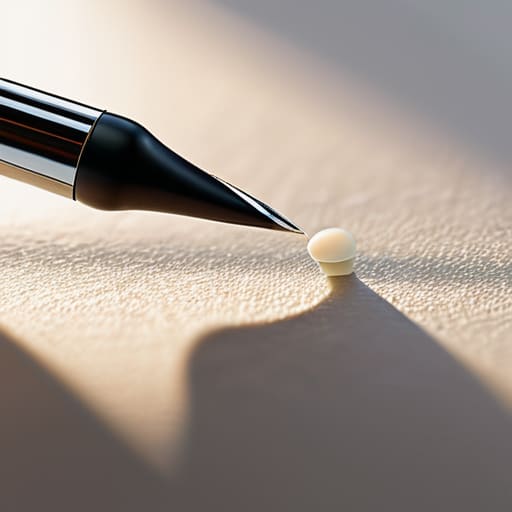
The Kindle Scribe is a different beast entirely, aimed at people who want to scribble notes alongside their reading. From a systems engineering perspective, the latency on that screen is impressively low. It doesn’t feel like you’re writing on glass; it feels more like a genuine pen-on-paper experience, which is no small feat of calibration.
The Best Value for Your Dollar
Sometimes you don’t need the bells and whistles, and the basic Kindle is a perfect example of functional minimalism. It lacks the waterproofing and the fancy warm lights of the higher-end models, but it gets the job done. It’s a straightforward tool designed for one specific task: displaying text.
The High-End Specialist
The Onyx Boox Note Air series is for the person who wants a tablet that happens to have an e-ink screen. It’s running a more complex operating system, which means there’s a bit more of a learning curve. I usually advise against complicated software, but the ability to run various apps makes this a versatile workstation for certain types of users.
The Bottom Line Before You Open Your Wallet
Don’t let a fancy marketing campaign trick you into buying a device that’s built to fail; prioritize build quality and screen clarity over a list of features you’ll never actually use.
If the interface is too complicated to navigate without a manual, it’s a poorly designed piece of tech—look for simplicity and reliable battery life instead.
Match the hardware to your actual habits, whether that’s reading in direct sunlight or late at night, because an e-reader is a tool, not a trophy.
The Bottom Line on Digital Paper
“I don’t care how many fancy backlit features or high-resolution marketing buzzwords they throw at you; if the device feels like a cheap toy and the battery dies when you actually need it, it’s just another piece of electronic waste cluttering up your nightstand.”
Roland Delacroix
The Bottom Line
At the end of the day, choosing an e-reader isn’t about finding the one with the most flashy features or the slickest software interface. If you want something that’s going to last, you need to look at the build quality and how the screen handles actual, sustained reading. Whether you decide to go with the powerhouse Kindle for its seamless ecosystem or a more open-platform device for total control, make sure you aren’t paying a premium for gimmicks that will be obsolete in two years. I’ve spent enough time looking at schematics to know that the simplest designs are usually the ones that don’t fail you when you’re halfway through a good book in a dark room. Stick to the hardware that feels solid in your hands and does exactly what it says on the box without requiring a software update every single week.
Don’t let the marketing departments convince you that you need the latest, most expensive gadget just to enjoy a story. Technology should serve you, not the other way around. My advice is simple: buy the tool that gets out of your way so you can actually focus on the words on the page. Once you find that reliable device, put the phone away, turn off the notifications, and just read. There is a certain kind of peace that comes from a device that works exactly as intended, every single time you pick it up.
Frequently Asked Questions
How long can I actually expect the battery to last before I'm hunting for a charging cable again?
Look, if you’re reading text and keeping the backlight low, you shouldn’t be tethered to a wall for weeks. Most decent e-readers will give you a month or more on a single charge. However, if you’re cranking the brightness to max or using Wi-Fi constantly to download new books, that battery is going to drain like a cheap capacitor. Use it for reading, not as a tablet, and you’ll be fine.
Is the screen really easy on the eyes, or am I going to end up with a headache after an hour of reading?
Look, if you’re used to staring at a smartphone or a tablet, you’re going to notice the difference immediately. E-readers use E-ink, which doesn’t rely on a backlit glow hitting your retinas like a television does. It’s more like looking at physical ink on paper. As long as you aren’t cranking the front light to max in a pitch-black room, your eyes won’t feel like they’re being poked with needles after an hour.
Can these things actually handle a bit of wear and tear, or will the screen crack the second I drop it in my bag?
Look, I’ve seen too many “innovations” that fall apart the moment they leave the box. Most of these e-readers are delicate little things, but they aren’t all built the same. If you’re tossing yours into a bag with keys and tools, you need something with a reinforced chassis, not just a glass slab. I always check the bezel thickness; a bit of extra frame goes a long way in preventing a cracked screen.
