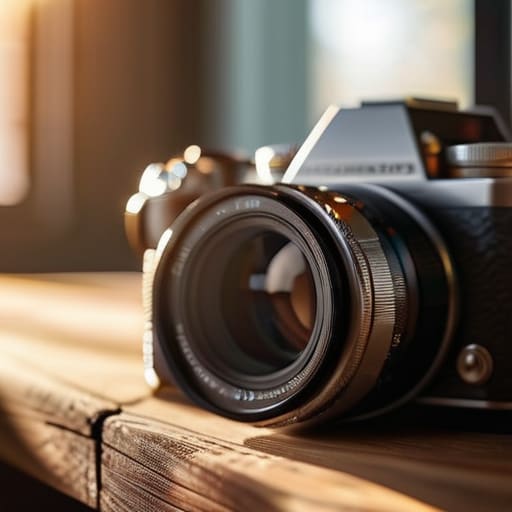
I spent three decades in manufacturing, where if a component wasn’t built to spec, the whole line ground to a halt. I carry that same mindset when I look at the current market for photography gear. Nowadays, it feels like every manufacturer is more interested in selling you a subscription to a cloud service or a body made of flimsy, hollow plastic than they are in actual build quality. You walk into a store looking for the best mirrorless cameras, and you’re met with a mountain of marketing jargon that tells you nothing about how the device will actually hold up in the field or how intuitive the controls are when you’re trying to capture a fleeting moment.
I’m not here to recite a spec sheet that you can find on any retail website. I’ve sat down with my notepad and looked past the shiny bells and whistles to find the machines that actually offer mechanical reliability and meaningful performance. In the following list, I’m going to walk you through five specific models that earn my respect. You’ll learn which cameras are worth your hard-earned money and which ones are just overhyped gadgets destined to end up in a junk drawer by next year.
Table of Contents
The Workhorse You Can Trust: Fujifilm X-T5
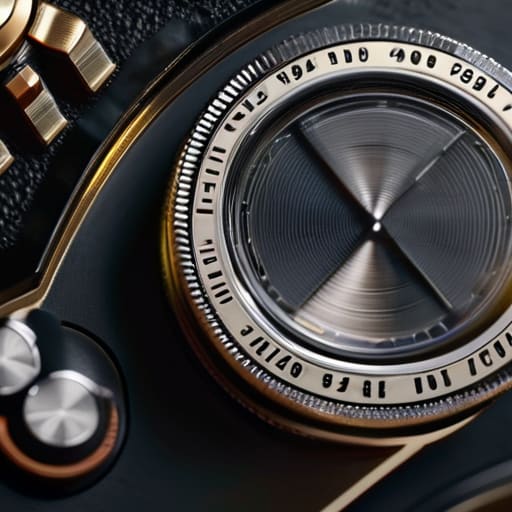
I’ve spent enough time around assembly lines to know that if a machine isn’t built for heavy use, it’s just a toy. The Fujifilm X-T5 feels like a piece of properly engineered equipment. It’s got those tactile, physical dials on top that let you adjust your settings without diving into a digital menu that looks like it was designed by a teenager. When you’re out in the field, you want to feel the click of the shutter and the turn of the dial, not hunt for a touch-screen icon.
Built for the Professionals: Sony A7 IV
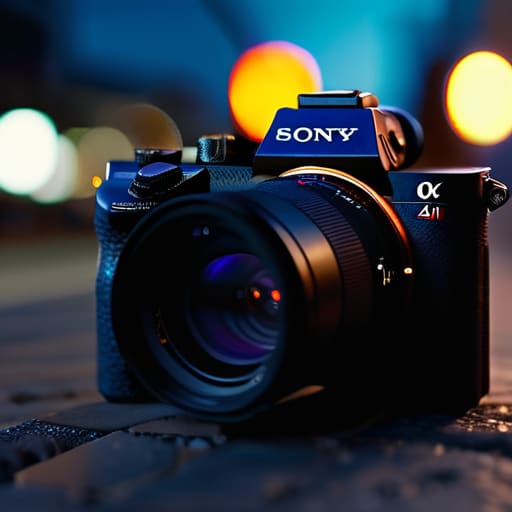
Now, if you’re looking to step up into a more serious ecosystem, the Sony A7 IV is hard to ignore. It’s the kind of tool that prioritizes technical precision above all else. The autofocus system is incredibly snappy, which is vital because half the time, the most important moment happens before you can even react. In my engineering days, we called that “response time,” and in photography, it’s the difference between a keeper and a wasted shot.
The Compact Reliable: Ricoh GR III
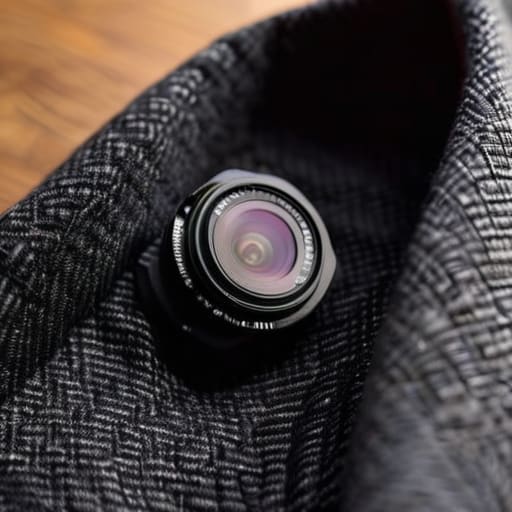
Sometimes, you don’t need a massive rig that requires a dedicated carrying case and a prayer. The Ricoh GR III is what I call a “specialist tool.” It’s small enough to fit in a jacket pocket, but don’t let the size fool you into thinking it’s a cheap plastic trinket. It packs a punch that most of these oversized mirrorless setups can’t match when it comes to pure portability.
The All-Rounder: Canon EOS R6 Mark II
Canon has a knack for making gear that feels intuitive, and the R6 Mark II is a prime example of that philosophy. It’s a very balanced machine—not too heavy, but not so light that it feels like a child’s plaything. The ergonomics are excellent; the grip is deep enough that your hand won’t cramp up after twenty minutes of shooting, which is a design detail many manufacturers seem to forget these days.
The Budget-Conscious Choice: Nikon Z5
Not everyone wants to drop a month’s mortgage on a piece of electronics, and frankly, I don’t blame them. The Nikon Z5 is a great example of getting honest value for your money. It doesn’t have all the bells and whistles of the high-end professional models, but it handles the fundamentals—exposure, focus, and build—with more grace than most of the “budget” cameras I see in big-box stores.
Bottom Line: Don't Buy the Hype
Stop chasing every single megapixel listed on the box; if the build quality is flimsy and the ergonomics are garbage, you won’t enjoy using it, no matter how high the resolution is.
Look for weather sealing and solid metal mounts—you want a tool that can survive a bit of dust or a sudden drizzle, not a piece of tech that dies the moment it leaves the air-conditioned living room.
Prioritize a camera with intuitive controls that you can operate by feel, because if you have to dive into three sub-menus just to change your shutter speed, the engineering has failed you.
The Bottom Line on Gear
I don’t care how many megapixels a manufacturer throws at you in a glossy brochure; if the build quality is flimsy and the menu system is a labyrinth, you aren’t owning a tool—you’re owning a headache. Buy for the reliability of the sensor and the durability of the chassis, not the hype.
Roland Delacroix
The Bottom Line
Look, I’ve spent enough time looking at spec sheets to know that a higher megapixel count doesn’t always mean a better photo. Whether you decide to go with a high-end professional body or something more compact for travel, the goal remains the same: you need a tool that responds when you press the shutter. Don’t let the marketing departments fool you into thinking you need every single bell and whistle available on the market. Focus on finding a camera with reliable autofocus and a build quality that won’t crumble the first time you set it down on a dusty workbench. If the ergonomics feel wrong in your hands, it doesn’t matter how many features it has; you won’t use it.
At the end of the day, a camera is just a piece of hardware designed to capture a moment. It is a means to an end, not the end itself. I’ve seen too many people get caught up in the “gear treadmill,” constantly upgrading to the latest shiny gadget only to realize they haven’t actually learned how to compose a decent shot. Buy something solid, learn the manual settings, and then get out there and use it. The best camera in the world is useless if it’s sitting in a padded bag on your shelf. Stop worrying about the tech and start focusing on the image.
Frequently Asked Questions
Is it worth spending the extra money on a more expensive lens, or can I get away with the basic kit lens for a while?
Look, I’ve seen enough cheap components fail to know that you get what you pay for. The kit lens is fine for learning the basics of exposure and composition, but it’s usually just a collection of mediocre glass held together by plastic. If you find yourself getting frustrated by blurry edges or poor low-light performance, stop fighting the gear and invest in a decent prime lens. It’s better to own one solid tool than three mediocre ones.
How do I know if a camera body is actually built to last, or if it's just going to fail on me after a year of heavy use?
Look, don’t just trust the glossy brochure. You need to get your hands on the thing. If the dials feel mushy or the buttons click like a cheap toy, walk away. I look for magnesium alloy chassis instead of polycarbonate, and I check the weather sealing—look for those rubber gaskets around the ports. If it feels balanced and the build has some weight to it, it’s likely built to endure, not just to look pretty on a shelf.
Do I really need all these advanced digital features, or should I stick to something simpler that focuses on solid mechanics and ease of use?
Look, I get the temptation to strip it all back, but you have to find a middle ground. You don’t need a camera that requires a software update just to change the ISO, but you also shouldn’t ignore modern autofocus. If the electronics are too complex, they become a distraction. My advice? Look for a body with tactile, physical dials. If you can control the exposure with your fingers without staring at a screen, you’ve found a winner.
