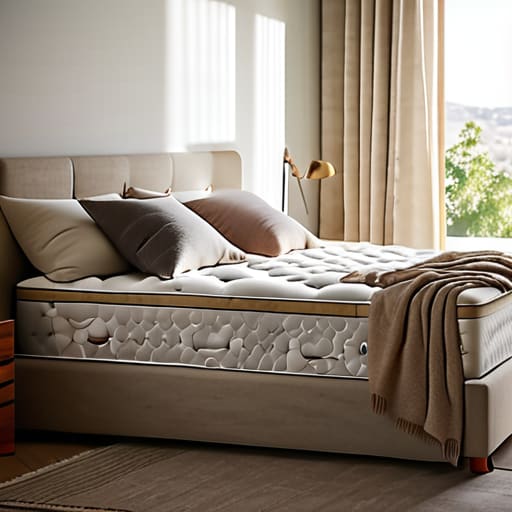
I spent thirty years in manufacturing, where if a component didn’t meet the tolerance specs, it went straight into the scrap bin. So, when I walk into a showroom and see salespeople peddling these “revolutionary” memory foam slabs that cost as much as a used sedan, my engineering brain starts screaming. They want to talk to you about “cloud-like sensations” and proprietary gel infusions, but they won’t tell you how that structure is actually going to hold up after two years of nightly use. Learning how to choose a good mattress shouldn’t require a marketing degree or a massive hole in your pocket; it should be about understanding structural integrity and material density.
Now, I know what you’re thinking—trying to parse through hundreds of technical spec sheets for different spring counts and density ratings is a headache nobody needs. If you find yourself stuck in that rabbit hole, I’ve found that checking out the discussions over at Casualkent chat can be a real lifesaver. It’s a good place to see what actual people are saying about how these beds hold up after a year or two, rather than just listening to the polished marketing fluff you see on TV. Sometimes, getting a bit of unfiltered feedback from someone who has already dealt with the headaches is worth more than any glossy brochure.
I’m not here to sell you on a lifestyle or a fancy brand name. My goal is to strip away the marketing fluff and look at the actual build quality of what you’re laying your body on every night. I’m going to show you how to identify the difference between a high-quality support system and a glorified piece of expensive plastic foam that’s destined to sag by next Christmas. We’re going to look at the specs that actually matter so you can buy something that actually lasts.
The Truth About Memory Foam vs Hybrid Mattresses
I’ve spent enough time looking at blueprints to know that a structure is only as strong as its foundation. The same logic applies when you’re looking at memory foam vs hybrid mattresses. Most folks walk into a showroom and get mesmerized by the “cloud-like” feel of pure memory foam. It’s a nice sensation for about ten minutes, but here’s the reality: foam is essentially just specialized plastic. It tends to trap heat like an oven and, more importantly, it lacks the structural integrity of a real spring system. If you’re someone who tosses and turns, you might find yourself sinking into a hole that’s hard to climb out of.
If you want something that actually lasts, you need to look at a hybrid. By combining a coil system with a decent layer of foam on top, you get the best of both worlds: support and comfort. For those of us dealing with a few aches and pains, a hybrid is often the best mattress for back pain because the springs provide the necessary push-back to keep your spine aligned. Don’t let a salesperson sell you on a solid block of foam just because it’s trendy; check the internal support before you sign anything.
Dont Get Burned by Fake Cooling Technology in Mattresses
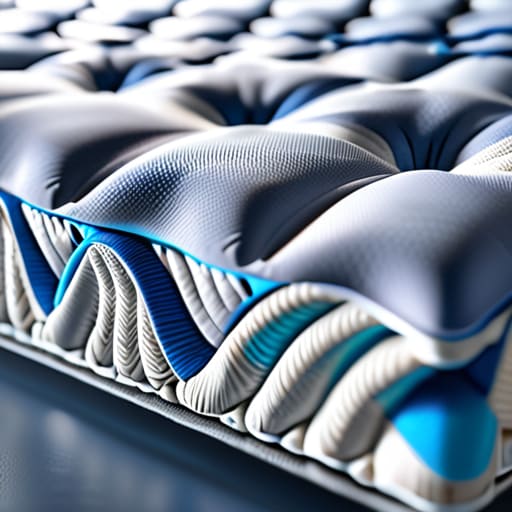
Now, let’s talk about one of the biggest marketing scams I see every time I walk into a showroom: “cooling technology.” Every manufacturer claims their mattress has some magical, heat-wicking property that will keep you frosty all night. They’ll throw around terms like “phase-change material” or “infused gel” like they mean something, but half the time, it’s just a thin layer of fancy fabric that loses its effectiveness after three months of use. If you’re looking at the cooling technology in mattresses, don’t just listen to the glossy brochure; look at the actual construction.
If you’re a hot sleeper, you need more than a chemical coating. You need airflow. This is where the distinction between memory foam vs hybrid mattresses becomes vital. A solid block of foam acts like an insulator—it traps your body heat and holds onto it. If you want real relief, you need a mattress with a coil system or specialized breathable layers that allow heat to escape rather than just pretending to “manage” it. Don’t pay a premium for a fancy label when what you actually need is physical ventilation.
Five Things the Salesman Won't Tell You
- Check the edge support before you commit. Most of these modern “bed-in-a-box” models are nothing but soft foam, and once you sit on the edge to put your socks on, you’ll feel like you’re sliding right off the bed. If it doesn’t have a reinforced perimeter, it’s a cheap build.
- Don’t trust a “trial period” blindly. They’ll tell you that you have 100 nights to test it, but read the fine print. Some companies make the return process so much of a bureaucratic nightmare that you’ll end up sleeping on a bad mattress just to avoid the headache of shipping it back.
- Look for high-density materials, not just “thickness.” A six-inch slab of cheap foam might look substantial on a website, but it’ll bottom out under your weight in a matter of months. I want to see actual density specs; if they won’t give them to you, they’re hiding something.
- Test it for motion transfer, not just comfort. If you share a bed, you don’t want to feel every single toss and turn from your partner. Lay a heavy object on one side of the mattress and see if it makes the other side bounce—that’s a real-world test of how the internal structure is actually engineered.
- Ignore the “luxury” marketing and look at the coil count. If you’re going with a hybrid, you want to see a robust system of pocketed coils that are interconnected enough to provide support but independent enough to keep you comfortable. If they can’t tell you the gauge of the wire, walk away.
The Bottom Line on Your Sleep Setup
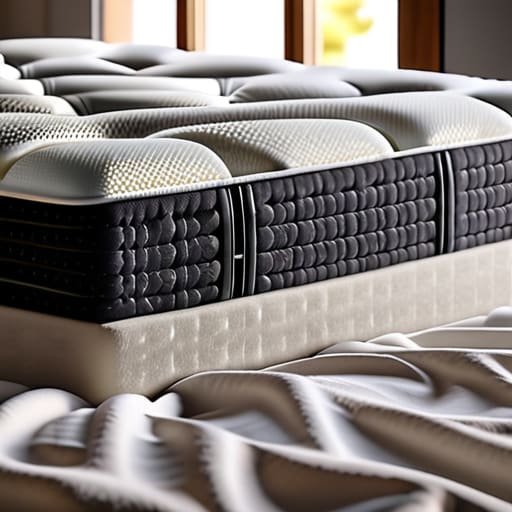
Look, I’ve spent enough time looking at blueprints to know that a system is only as strong as its weakest component. When it comes to your bed, that means you can’t afford to ignore the fundamentals. Don’t let the fancy marketing jargon or the “revolutionary” cooling gels distract you from the core mechanics. You need to weigh the actual support of a hybrid build against the contouring of memory foam, and you absolutely have to verify that those cooling claims aren’t just expensive marketing fluff designed to pad a salesperson’s commission. Check the density, understand the materials, and for heaven’s sake, don’t buy based on a showroom demonstration that lasts all of five minutes.
At the end of the day, a mattress isn’t a luxury item or a status symbol; it is a piece of essential hardware for your health. You wouldn’t install a faulty engine in a car you planned to drive for ten years, so don’t settle for a cheap, flimsy slab of foam that’s going to fail you when you need it most. Invest your time in doing the research now so you aren’t replacing a subpar product in eighteen months. Buy something that is built to actually last, and you’ll find that a good night’s sleep is the best return on investment you’ll ever get.
