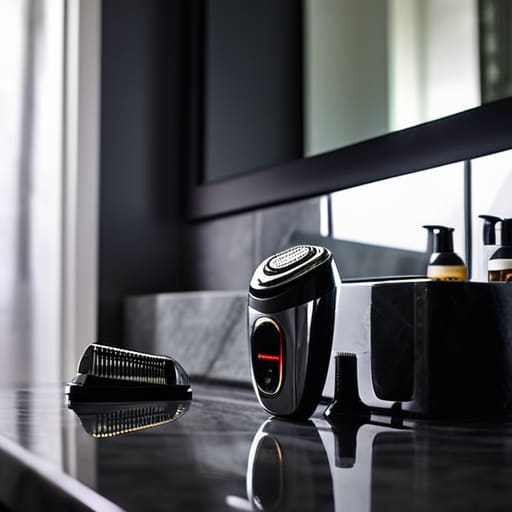
I was sitting at my workbench last Tuesday, cleaning the contacts on an old Marantz receiver, when I looked over at the piece of junk sitting in my bathroom cabinet. It’s a brand-new, $200 “smart” electric shaver that has more Bluetooth connectivity and touch-sensitive screens than my first car, yet it can’t even hold a steady charge for a full week. It’s the same story I saw for thirty years in manufacturing: companies are swapping solid engineering for flashy software and cheap, lightweight plastic, all while charging you a premium for the privilege.
I’m not here to read you a brochure or tell you which device has the prettiest LED display. My goal is to cut through the marketing noise and tell you which machines are actually built to last. I’ve spent the last few weeks tearing down various models to see what’s under the hood, and I’m going to show you exactly what to look for in a reliable electric shaver. We’re going to focus on motor torque, battery chemistry, and build integrity—the stuff that actually matters when you’re standing in front of the mirror at 6:00 AM.
Table of Contents
The Rotary vs Foil Shaver Comparison You Actually Need
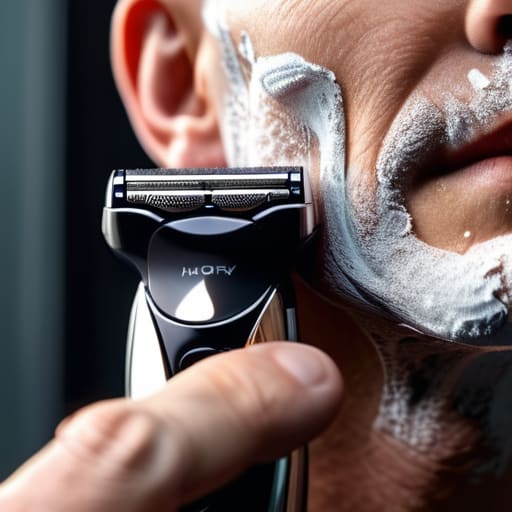
Now, let’s get down to the brass tacks of the rotary vs foil shaver comparison, because the marketing departments love to gloss over the actual mechanics. If you’ve got hair that grows in different directions or a thicker beard, you’re likely looking at a rotary model. These things use circular heads that dance over the contours of your jawline. They’re great for speed, but if you’ve ever dealt with irritation, you might find them a bit too aggressive.
On the other hand, if you’re looking for the best electric shaver for sensitive skin, you’ll want to look closely at foil models. These utilize a thin, perforated metal sheet that protects your skin from the actual cutting elements. It’s a more precise, linear motion—think of it like a fine-tuned machine rather than a blunt instrument. It’s better for a close shave, but it requires a bit more patience and a steady hand. Personally, I’ve always preferred the predictability of a foil head when I’m trying to avoid that post-shave redness that seems to plague most modern gadgets.
Finding the Best Electric Shaver for Sensitive Skin Without Irritation
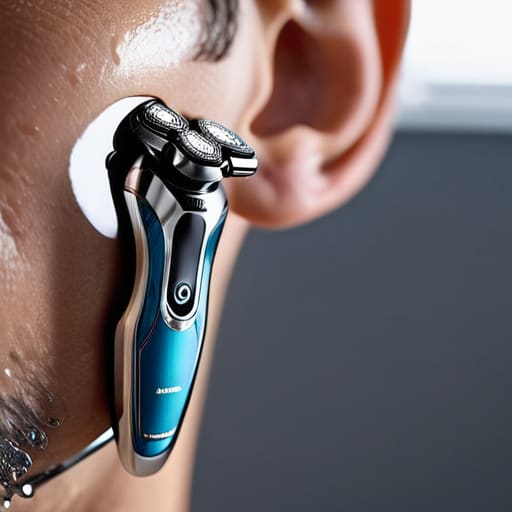
If you’ve ever woken up with your neck looking like you went three rounds in a boxing ring, you know the frustration of a bad shave. Most of these modern manufacturers love to talk about “smart sensors” and “AI-driven contours,” but that’s usually just marketing fluff to hide mediocre blades. When it comes to finding the best electric shaver for sensitive skin, you need to stop looking at the software and start looking at the physical interface between the metal and your face.
I’ve found that the heat buildup is the real enemy here. Cheap motors run hot, and that thermal transfer is what triggers the redness. I always look for units that feature high-quality, hypoallergenic foils or specialized coatings on the rotary heads. You also want to ensure you’re looking at waterproof electric razors; being able to rinse the blades under a hot tap isn’t just a convenience, it’s a necessity for keeping the unit clean and preventing the buildup of debris that causes friction. Don’t let them sell you a fancy gadget that leaves your skin raw by Tuesday.
Five Rules for Not Wasting Your Money on a Piece of Junk
- Stop chasing the LED displays. I’ve seen more “smart” shavers end up in the trash than I care to count because the software glitched. If the motor is weak or the build quality feels like a cheap toy, no amount of fancy lights will save you.
- Buy the replacement heads before you actually need them. Most manufacturers design these things to fail the moment the blades dull, and they’ll charge you a premium for the privilege. Check the replacement cost before you pull the trigger on the initial purchase.
- Clean it properly or don’t bother using it. I’ve seen enough clogged, rusted-out housings to know that if you don’t clear out the hair and skin oils every single time, you’re just rubbing bacteria across your face. A quick rinse is fine, but a real cleaning is mandatory.
- Check the battery specs, not the marketing fluff. “Long-lasting” is a meaningless term. Look for the actual runtime in minutes. There is nothing more frustrating than a device that dies halfway through a shave because the lithium-ion cell is bottom-tier.
- Don’t ignore the weight. If a shaver feels light and hollow in your hand, it’s likely made of thin, recycled plastic that won’t survive a drop on a bathroom tile. A tool worth owning should have some heft to it; it tells you there’s actual engineering inside.
The Bottom Line Before You Open Your Wallet
Stop chasing the latest touchscreen features; focus on the motor torque and the thickness of the metal housing, because those are the parts that actually determine if a shaver lasts two years or ten.
Don’t get tricked by “smart” sensors that claim to track your shaving habits—you don’t need an app to tell you if you missed a spot, you just need a blade that stays sharp and a head that moves with your jawline.
Always factor in the long-term cost of replacement parts; a cheap shaver is a waste of money if the manufacturer doesn’t sell replacement foils or heads for a reasonable price once the original ones dull.
## The Real Test of a Shaver
“I don’t care how many ‘smart sensors’ or Bluetooth connections a manufacturer stuffs into the box; if the motor stalls when it hits a bit of thick stubble and the housing feels like cheap takeout plastic, it’s nothing more than an expensive paperweight.”
Roland Delacroix
The Bottom Line
At the end of the day, choosing a shaver shouldn’t feel like you’re trying to solve a calculus equation. We’ve covered the ground: if you have a thick, unruly beard, you’re going to want a rotary system that can handle the load, but if you prefer a closer, more precise finish, don’t bother with anything other than a high-quality foil shaver. Most importantly, if your skin turns red the moment you touch a blade to it, you need to prioritize build quality and skin protection over whatever flashy digital screen the marketing department slapped on the handle. I’ve seen too many people throw money at “smart” shavers that are nothing more than overpriced plastic shells with batteries that won’t hold a charge after six months. Stick to the fundamentals: motor strength, blade durability, and how it actually feels against your face.
I know it’s tempting to just click “buy” on the most expensive model you see on a sponsored ad, but I’m asking you to pause. Take a second to look past the bells and whistles. A good tool is an investment in your daily routine, and you deserve something that performs its job without requiring a software update every Tuesday. Buy something that is built to last, use it until the motor actually gives out, and stop settling for disposable junk. You’ll save money, and more importantly, you’ll save yourself the headache of having to replace a piece of garbage every single year.
Frequently Asked Questions
How often am I actually going to have to spend money on replacement blades before the whole unit is junk?
Here’s the truth: if you’re buying the cheap stuff, you’ll be hunting for replacements every six months. Most manufacturers recommend swapping heads every 12 to 18 months, and I’ve found that’s a fair baseline. But watch out—if you notice the motor straining or the shave feeling “tuggy,” those blades are shot. Don’t wait for the unit to die; replace the heads regularly to save the motor from burning out.
Can I actually clean this thing properly, or is it designed to trap hair and grime in places I can't reach?
Most manufacturers love to slap a “waterproof” label on a box, but that doesn’t mean it’s easy to maintain. I’ve opened up enough gadgets to know that if a shaver has too many tiny, recessed crevices, it’s just a breeding ground for skin oils and hair buildup. Look for models with a pop-up trimmer and heads that actually click off easily. If you can’t rinse it thoroughly under a tap, don’t bother buying it.
Is a cordless shaver really worth the extra cost, or can I just stick to a reliable corded model that won't die mid-shave?
Look, I’ve seen enough cheap lithium-ion batteries fail after two years to know the score. If you’re looking for pure reliability and don’t mind being tethered to the wall, a corded model is a solid, no-nonsense choice. However, most modern cordless units have improved significantly. If you value convenience and don’t want to trip over a wire, pay the premium for a cordless model—just make sure it has a replaceable battery pack.
