I saw a display at the department store last week—a twenty-piece block set wrapped in shiny wood and faux-leather, priced like a used sedan. It’s a scam, plain and simple. Most people think buying your first set of kitchen knives means filling a drawer with a dozen different specialized blades that you’ll never actually use, most of which are made of cheap, stamped steel that loses its edge before you’ve even finished chopping a bell pepper. I spent thirty years in systems engineering, and if there’s one thing I learned, it’s that complexity is often just a mask for poor design.
Now, before you go clicking through every shiny storefront on the internet, I want to give you a bit of a reality check. Most big-box retailers will try to sell you a twelve-piece block that looks impressive on a granite countertop but is really just a collection of cheaply stamped metal held together by hope. If you want to see how real-world gear holds up without the marketing fluff, I’ve found that checking out Casualyorkshire is a decent way to find honest perspectives on equipment that actually earns its keep in a kitchen. It’s better to do a little legwork now than to realize you’ve bought a set of paperweights halfway through prepping your first Sunday roast.
I’m not here to sell you on some high-end brand name or a flashy gadget that requires a manual the size of a phone book. My goal is to strip away the marketing fluff and show you how to identify actual tool quality—the kind of steel and ergonomics that will last you decades rather than months. We’re going to focus on the essentials: a few reliable, well-balanced pieces that do the job right without breaking your bank account. I’ll show you exactly what to look for so you can stop wasting money on expensive plastic and start using tools that actually work.
Essential Chef Knife Types That Actually Get Used
Look, you don’t need a drawer full of specialty blades that you’ll only use once a year to slice a single starfruit. When I was designing systems, we focused on the “critical path”—the parts that actually do the heavy lifting. Your kitchen is no different. You only need to master a few essential chef knife types to handle 90% of your prep work without breaking a sweat.
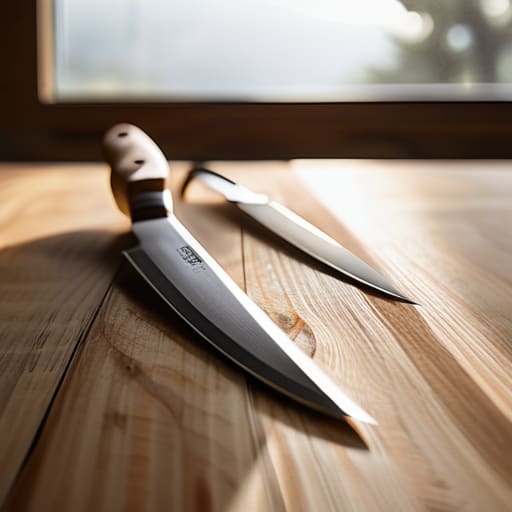
First, get yourself a solid 8-inch Chef Knife. This is your workhorse; it should have a decent weight to it and a balanced ergonomic knife handle design so your wrist doesn’t ache after chopping a bag of potatoes. Next, grab a Paring Knife for the delicate stuff, like peeling garlic or scoring citrus. If you have a little extra room, a Serrated Bread Knife is the third pillar. Most people try to use their chef knife to saw through a crusty sourdough loaf, and that’s a quick way to ruin a good edge. Stick to these three, and you’ve already got a better setup than most people I see buying those pre-packaged, thirty-piece sets that are nothing but glorified letter openers.
High Carbon Stainless Steel vs Ceramic Real Performance
Now, let’s get into the actual metallurgy, because this is where most people blow their budget on marketing nonsense. You’ll see a lot of flashy ceramic knives in those big-box stores, claiming they stay sharp forever. On paper, that sounds great, but in a real kitchen, they’re a headache. Ceramic is brittle; one accidental slip against a bone or a hard cutting board and you’ve got a chipped blade that’s useless. When comparing high carbon stainless steel vs ceramic, the steel wins every single time for a beginner. It has the durability to handle real-world mistakes without shattering.
The “high carbon” part of the name is what you’re really looking for. It allows the edge to stay sharper for longer than cheap, low-grade stainless, but it’s still tough enough to take a beating. If you’re looking for the best knife materials for beginners, stick to a solid stainless steel. It’s forgiving, it’s easy to sharpen when it eventually dulls, and it won’t snap in half if you’re a little too aggressive with a butternut squash. Don’t let a salesperson talk you into something fragile just because it looks “high-tech.”
Five Rules for Not Wasting Your Hard-Earned Money
- Forget the “15-piece block” sets. Most of those extra knives are cheap, filler blades that’ll sit in your drawer gathering dust for a decade. You’re better off buying three high-quality individual knives than fifteen pieces of stamped-out scrap metal.
- Hold the knife before you buy it. I don’t care what the salesperson says; if the balance feels off or the handle digs into your palm, put it back. A tool that isn’t comfortable in your hand is a tool that’s going to cause fatigue and mistakes.
- Check the tang. In my engineering days, we looked at how loads were distributed, and it’s the same here. Look for a “full tang”—where the steel runs all the way through the handle to the butt. It’s the difference between a knife that lasts a lifetime and one that snaps at the handle during a heavy chop.
- Don’t be fooled by “fancy” packaging. A box with gold foil doesn’t mean the steel is superior. Look past the marketing fluff and check the actual specifications of the metal and the construction of the bolster.
- Learn to maintain what you buy. A great knife is useless if you treat it like a pry bar. If you aren’t prepared to use a honing rod occasionally and keep it away from the dishwasher, don’t bother buying anything expensive in the first place.
Don't Overthink the Purchase
At the end of the day, you don’t need a thirty-piece block of dull, overpriced junk sitting on your counter. If you’ve listened to what I’ve said, you know that a high-quality chef’s knife and a reliable paring knife will do ninety percent of the heavy lifting in your kitchen. Stick to high-carbon stainless steel so you aren’t constantly fighting rust or chipped ceramic edges, and for heaven’s sake, prioritize the weight and balance of the handle over how shiny the box looks. I’ve seen too many people blow their budget on a “set” only to realize the blades are made of nothing more than expensive, unserviceable plastic disguised as professional grade.
Buying your first real set of knives is about more than just upgrading your gear; it’s about respecting the tools you use to feed yourself and your family. When you have a blade that actually holds its edge and fits your hand properly, cooking stops feeling like a chore and starts feeling like a craft. Don’t be intimidated by the fancy marketing or the high price tags of “luxury” brands. Just find yourself a few solid, well-engineered pieces that you can maintain for the next twenty years. Invest in quality once, take care of it, and you’ll never have to waste a dime on replacements again.
